REVIEW · ANCHORAGE
Anchorage Highlights and Indigenous Heritage
Book on Viator →Operated by Pacific Alaska Tours · Bookable on Viator
Start Anchorage with real Indigenous roots. This 3-hour small-group tour mixes a quick orientation around Ship Creek with visits to two places built for learning how Alaska Native cultures live today. You’ll hear the area’s story starting on Dena’ina Athabascan traditional homelands, then walk through culture, art, and community spaces that don’t feel like a drive-by postcard.
Two things I really like: you get Alaska Native Heritage Center admission included plus real demonstrations like traditional dancing and singing, and you’re guided with pickup options for an easy start. Also, this runs with a maximum of 10 people, so you’re not stuck listening over a crowd.
One drawback to consider is timing. The Heritage Center visit is generous at about 2 hours, but it can still feel like a lot to take in at once, especially if you want to linger over dwellings, games, performances, and exhibits at your own pace.
In This Review
- Key points before you go
- Ship Creek: the quick stop that helps Anchorage make sense
- The Alaska Native Heritage Center: where the culture is the main event
- The only real watch-out: you might want more time
- Alaska Art Alliance on Fourth Avenue: craft, materials, and the story behind the work
- When the shop isn’t ready, don’t panic—look for the making
- How the route ties Anchorage to Dena’ina Athabascan homelands
- Price and timing: value for a first Anchorage visit
- Practical tips: rain gear, shoes, and how to meet your driver
- Should you book this Anchorage Indigenous Heritage Tour?
- FAQ
- How long is the Anchorage Highlights and Indigenous Heritage tour?
- Where do I meet the tour?
- Does the tour include pickup?
- What are the main stops?
- Is admission included?
- What language is the tour offered in?
- Is there a limit on group size?
- Can I cancel and get a refund?
Key points before you go
- Dena’ina Athabascan-first framing: the tour starts with traditional homelands, then ties that story to Anchorage’s growth.
- Ship Creek photo stop that sets the map in your head: city views and rugged mountain views in about 15 minutes.
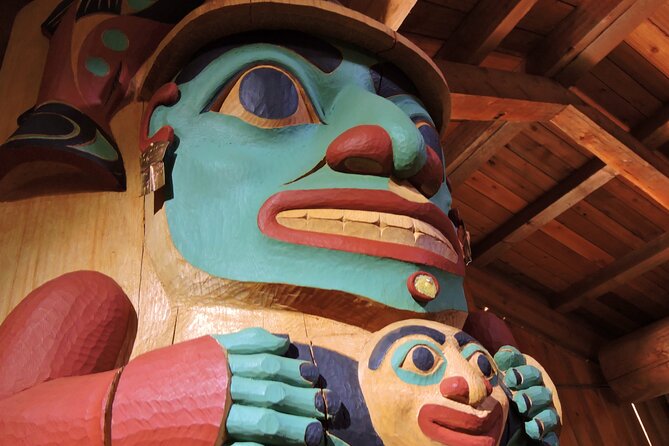
- Alaska Native Heritage Center for real-world culture: stories, dance, life-size dwellings, and cultural games, with admission included.
- Alaska Art Alliance carving tradition on Fourth Avenue: see artists work with materials like whale bone and baleen, plus the Utuqqanaatmiñ project.
- Small group size: up to 10 people, often making it easier to ask questions and move at a human pace.
Ship Creek: the quick stop that helps Anchorage make sense
You start with pickup offered, then roll out with a trained driver guiding you through the traditional homelands of the Dena’ina Athabascan. That matters because it sets a respectful frame right away: Anchorage isn’t treated like a blank map you can only learn from street names and buildings.
Then you get to Ship Creek—a short photo stop that’s about 15 minutes. It’s brief, but it’s the kind of stop that helps you orient fast. You’ll see the city take shape by the water, backed by rugged mountains. If you’re the type who wants to understand where a city actually grew from, this stop is a smart warm-up.
If it’s cloudy or rainy, it can still be worth it. The point here isn’t perfect photos. It’s using that view to connect what you’ll learn inside the cultural sites to the outside geography you’ll keep seeing the rest of your trip.
You can also read our reviews of more tours and experiences in Anchorage.

The Alaska Native Heritage Center: where the culture is the main event
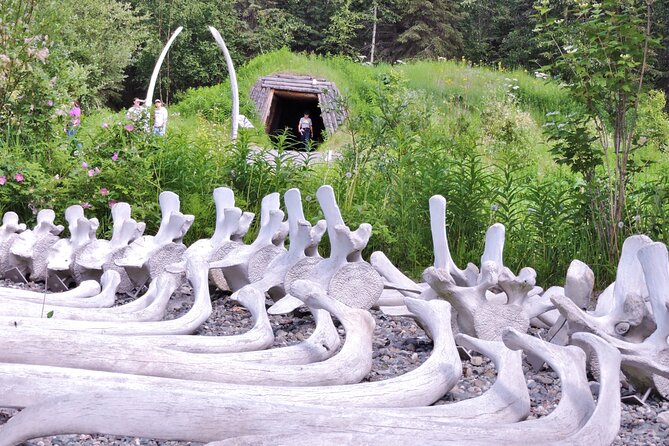
Your biggest time block is Alaska Native Heritage Center, about 2 hours with admission included. This is Alaska’s premier Alaska Native cultural center, and the focus is practical: you experience Alaska Native cultures first-hand through stories, dance, and more.
Here’s what makes this stop powerful for first-time Anchorage visitors:
- You get to see life-size recreations of Alaska Native dwellings, which helps you understand how people lived, not just what they believed.
- You’ll have chances to see and hear traditional dancing and singing, so it’s not only about reading labels.
- You also get examples of Native Alaskan games, which brings learning down to actions and interaction instead of distant observation.
In real terms, this is the kind of place where you’ll keep noticing connections. The Anchorage city story you heard earlier starts to feel less like a neat timeline, and more like a living relationship between land, seasons, community, and creativity.
The only real watch-out: you might want more time
Two hours is a solid chunk, but it can still feel tight once performances, dwellings, exhibits, and vendors all pull your attention. If you’re the type who likes to slow down and read every sign, you may find yourself wishing for an extra hour at the Center. That doesn’t mean the visit is poorly paced—just that the site has enough going on that you’ll naturally want to linger.
Alaska Art Alliance on Fourth Avenue: craft, materials, and the story behind the work
After the Center, you head to Alaska Art Alliance for a shorter stop of about 45 minutes. This one feels like a living workshop, focused on artists practicing traditional carving techniques passed down through generations.
What you can expect here:
- You’ll watch artisans practicing carving traditions using materials such as ivory, whale bone, and baleen.
- You’ll learn about the Utuqqanaatmiñ project, which connects the work to elders and inheritance of skill.
- You can browse the attached gallery where artists sell handcrafted pieces.
This is a great pairing with the Heritage Center because it shifts the focus from cultural presentation to cultural production. Dance and song explain tradition. Carving shows how tradition survives through hands-on practice, tools, and patience.
When the shop isn’t ready, don’t panic—look for the making
One downside that can happen on some days is that the Art Alliance experience may feel a little uneven. On at least one departure, the workshop portion didn’t seem fully prepared for the group, and the stop felt more like waiting than watching carving in action.
Still, the best part can be quietly human: even if the shop area feels slow, you may still get access to the back where art is made and artisans are welcoming. For you, the takeaway is simple: treat this as a cultural craft visit, not a guaranteed production demo at every moment.
If you care a lot about watching active carving, it’s worth asking your guide what to watch for once you arrive. A good guide can help you time your attention.
How the route ties Anchorage to Dena’ina Athabascan homelands
The tour’s storyline isn’t random. Your driver starts you by moving through traditional Dena’ina Athabascan homelands, then connects that to Anchorage’s founding area along the banks of Ship Creek.
That structure helps you avoid a common problem on city tours: learning facts without meaning. Here, the idea is that geography, community, and city growth are linked. By the time you reach the cultural sites, you’ll already understand why Anchorage’s early development happened where it did—and why Indigenous culture doesn’t sit off to the side of that story.
You might also get a brief extra look at coastal or port-side areas as part of the drive route. If that shows up on your departure, treat it as a bonus context moment for where the city connects to water and movement. It shouldn’t be the main event compared with the Heritage Center and art workshop.
Price and timing: value for a first Anchorage visit
The price is $79.00 per person for about 3 hours. At first glance, it’s not a bargain bargain. But it becomes easier to justify when you look at what’s included.
You’re paying for:
- a guided orientation through Anchorage’s beginnings by Ship Creek,
- admission included for the Alaska Native Heritage Center (the tour’s longest stop),
- plus a cultural art stop at the Alaska Art Alliance with free admission.
That’s the value: you’re not just getting transportation. You’re getting a curated sequence that helps you understand the city and then learn in two different formats—museum-style cultural presentations and a real workshop environment.
It also runs with a maximum of 10 people, which usually keeps things from feeling rushed or chaotic. If you like asking questions and getting answers without shouting across the group, this size helps.
Also, this tour is often booked well ahead (about 81 days on average). If you’re traveling in peak season or have tight plans, lock it in early so you don’t end up settling for a later time slot.
Practical tips: rain gear, shoes, and how to meet your driver
Anchorage weather has a way of changing fast. One useful piece of advice from a guide-run experience: if it’s raining, wear your rain gear and boots so you can walk outside comfortably. This matters on a tour like this because even short stops depend on getting outside for views and orientation.
For meeting:
- The tour starts at Anchorage Trolley Tours, 546 W 4th Ave, Anchorage, AK 99501.
- Meet on 4th Avenue between E and F streets, in front of the Old City Hall and Log Cabin visitor center.
- Arrive 15 minutes early.
- Look for the driver in a grey polo or dress shirt with the Pacific Alaska Tours logo.
Wear weather-appropriate clothing and shoes. Even if each walk is short, you’ll enjoy the stops more if your feet and hands are comfortable.
Should you book this Anchorage Indigenous Heritage Tour?
Book it if:
- you want a grounded first visit to Anchorage that starts with Indigenous land and context,
- you’re excited to spend time at the Alaska Native Heritage Center for dance, dwellings, stories, and games,
- you want to see traditional carving techniques and understand the Utuqqanaatmiñ project through what’s happening on Fourth Avenue.
Consider skipping or adjusting expectations if:
- you’re hoping for a perfectly smooth workshop demo with carving happening constantly during the full stop time,
- you’re very strict about timing and hate the feeling that you should linger longer at a museum.
My take: this is one of the stronger ways to start Anchorage because it doesn’t treat culture like a quick photo backdrop. It puts Indigenous heritage first, uses Ship Creek to anchor the story, then follows up with a hands-on look at living art traditions.
FAQ
How long is the Anchorage Highlights and Indigenous Heritage tour?
It’s listed as about 3 hours.
Where do I meet the tour?
The meeting point is on 4th Avenue between E and F streets, in front of the Old City Hall and Log Cabin visitor center, at Anchorage Trolley Tours, 546 W 4th Ave. Arrive 15 minutes early.
Does the tour include pickup?
Pickup is offered.
What are the main stops?
The tour includes a photo stop at Ship Creek, a visit to the Alaska Native Heritage Center, and a stop at Alaska Art Alliance.
Is admission included?
Admission to the Alaska Native Heritage Center is included. The Ship Creek photo stop and the Alaska Art Alliance stop are listed as free admission.
What language is the tour offered in?
The tour is offered in English.
Is there a limit on group size?
Yes. The tour has a maximum of 10 travelers.
Can I cancel and get a refund?
Yes. There is free cancellation, and you can cancel up to 24 hours before the experience start time for a full refund.
If you want, tell me your travel month and whether you prefer museums or hands-on craft. I can help you decide if this pacing fits your style, or if you’d be happier adding a bit more time at the Heritage Center on your own.