REVIEW · SAPPORO
Authentic Sapporo: Nijo Market Seafood Lunch & History Tour
Book on GetYourGuide →Operated by Ezosika Travel Co., Ltd. · Bookable on GetYourGuide
Seafood and stories in 150 minutes. This small-group tour strings together Sapporo landmarks, river walks, and a real local market lunch at Nijo Market.
What I like most is how you leave with both food in your hands and Sapporo history in your head, without it turning into a museum day.
I especially love the seafood lunch at Nijo Market (sushi or donburi) because it feels connected to how locals eat, not just a convenient “tour lunch.” I also like the slow, story-filled walk along the Sosei River and Sosei Bridge, where you learn how Sapporo began early.
One thing to keep in mind: the tour lunch is seafood, so if you have any allergies, you must tell the operator in advance. Also, the guide may not sit with you during lunch time, so come with questions before you head to your meal.
In This Review
- Key highlights worth your time
- Clock Tower to City Hall: a smart start for first-timers
- Sapporo TV Tower: views included, not optional
- Walking the Sosei River and Bridge: early Sapporo, up close
- Hokkaido Jingu Tongu: a shrine locals actually use
- The Sosei East Area: where the tour light stays dim
- Nijo Market: the Citizens’ Kitchen comes with a plan
- Lunch at Nijo Market: sushi or donburi, and you decide how adventurous
- Bonus coffee stop: Kotobuki Coffee nearby
- Walking pace and timing: what 150 minutes really feels like
- Price and value: why $61 can work if you want the whole package
- Who this tour suits best (and who should skip it)
- Practical behavior and what to bring (so the day stays smooth)
- A quick word on guides like Tom and Iku
- Should you book this Nijo Market seafood and history tour?
Key highlights worth your time
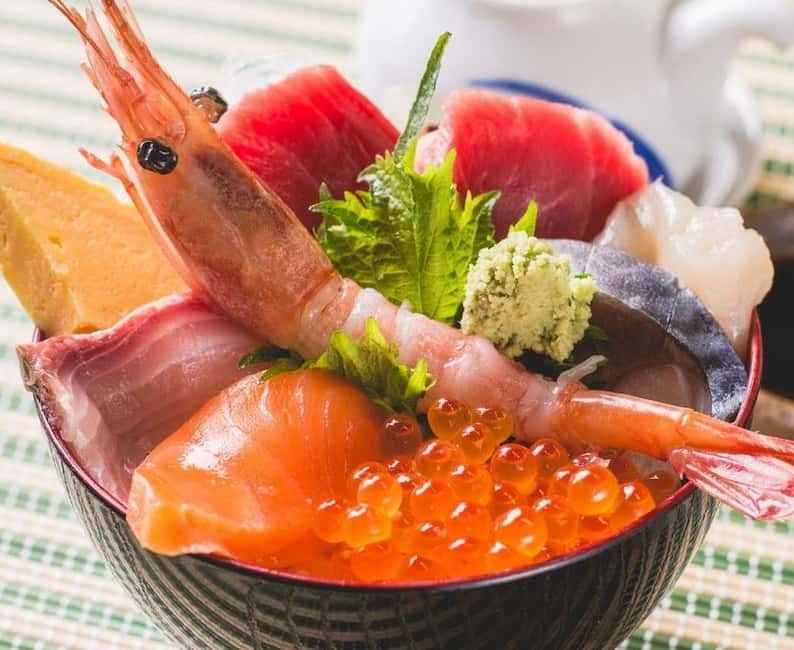
- Nijo Market seafood lunch: sushi or donburi in the Citizens’ Kitchen atmosphere
- Sosei River history walk: learn about Sapporo’s early age right on the ground
- Hokkaido Jingu Tongu visit: a shrine loved by the local community
- Sapporo TV Tower tickets included: get panoramic views with less guessing
- Small group (up to 8): easier questions, calmer pace, better photo stops
Clock Tower to City Hall: a smart start for first-timers
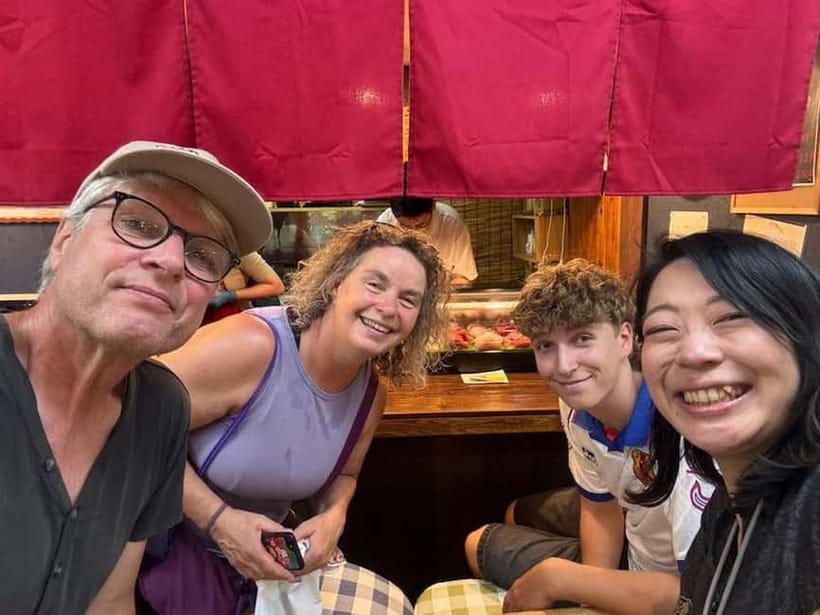
You meet your guide at the entrance of the Sapporo Clock Tower, holding a board that says KAPPO SAPPORO. It’s a clear meeting point, and the group starts walking right away—no long wait, no awkward “where are we going?” energy.
From there, the tour quickly helps you build a mental map. You’ll go past or stop for a guided look at Sapporo City Hall, then move on to the TV Tower area. This early structure matters because Sapporo is spread out in a way that can confuse you if you arrive and start wandering cold.
Sapporo TV Tower: views included, not optional
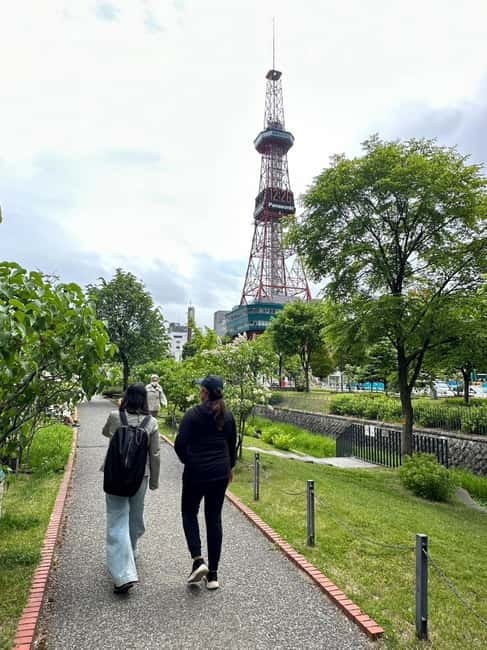
The tour includes entry tickets to the Sapporo TV Tower, and you get time there for photos and looking out over the city. This is one of those “do it once” stops that saves energy later, because you’ll understand where neighborhoods sit when you look down.
You also get some free time during the TV Tower portion, plus scenic viewpoints along the way. The value here isn’t just the view—it’s that the guide can frame what you’re seeing, so it doesn’t turn into random sightseeing snaps.
Walking the Sosei River and Bridge: early Sapporo, up close
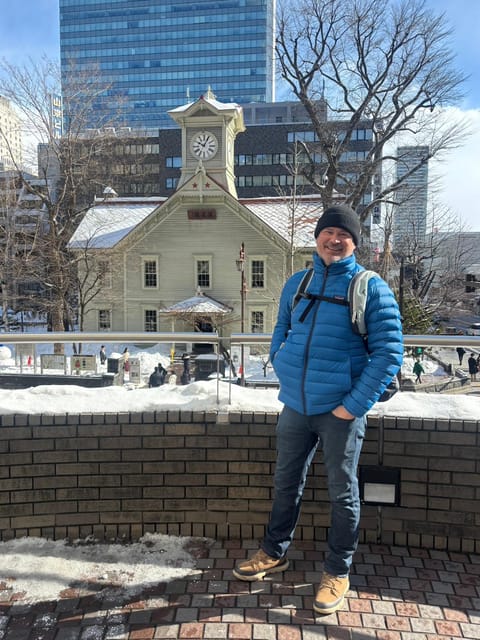
The heart of the history portion is the walk along the Sosei River. You’re not just passing a nice riverside path—you’re learning about Sapporo’s very early age while you’re moving, with the river and surroundings acting like the timeline.
Crossing the Sosei Bridge is another turning point. It’s a short step in the itinerary, but it helps you feel the geography of the city. When a guide connects the stories to the physical layout—water, roads, and how things connect—you remember more than dates and names.
A bonus for picture lovers: your timing is built around photo stops. You’ll get “pause and shoot” moments rather than having to stand there and hope the light works out.
Hokkaido Jingu Tongu: a shrine locals actually use
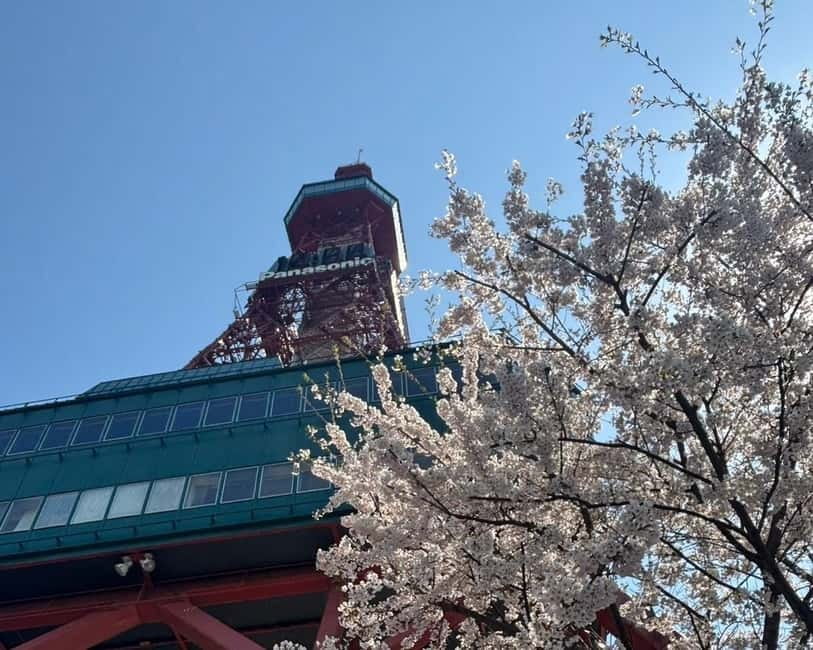
Next comes a visit to Hokkaido Jingu Tongu, described as a shrine loved by the local community. This matters because it’s not presented as a stage set. You’ll learn the cultural role the shrine plays, and you’ll get a sense of how Sapporo’s community identity shows up in everyday life.
This stop also balances the tour. So much Sapporo sightseeing is modern or administrative (city buildings, towers, big landmarks). The shrine visit adds a slower, more human layer—where the tone changes from city views to local tradition.
The Sosei East Area: where the tour light stays dim
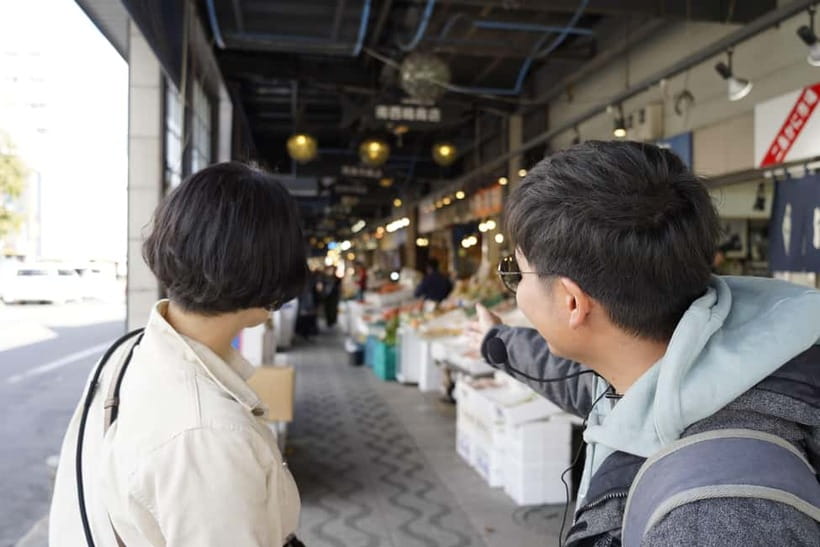
The tour highlights the Sosei East Area as something “yet to be discovered by tourists.” You’re not going to be alone out there, but the feel is different from the most over-photographed corridors.
Why I think this is valuable: when a city feels too familiar too fast, you lose the texture that makes it interesting. Spending time in an area that’s still more everyday than “theme-park tourist” helps you see Sapporo as lived-in, not staged for visitors.
You’ll move on foot between stops, so you get small transitions in streetscape—different storefront styles, side streets, and the quiet logic of how people actually walk around the city.
Nijo Market: the Citizens’ Kitchen comes with a plan
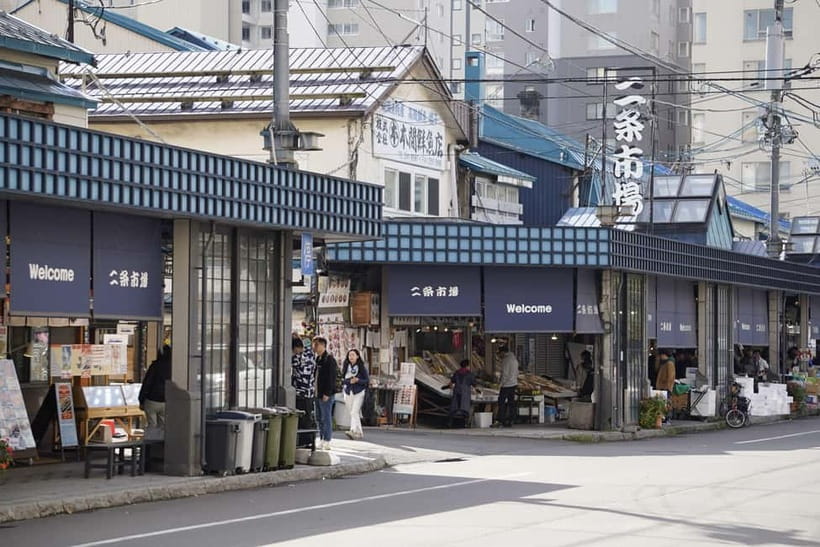
Then it’s time for Nijo Market, which is treated as the tour’s food centerpiece. You arrive for a photo stop, guided tour, and then lunch time.
What I like about building the market visit into the day rather than making it your first stop: you’ve already heard stories about the city’s early years, passed civic landmarks, and seen the shrine. By the time you reach the market, the meal lands with context.
Nijo Market is also practical. Even if you’re picky about planning, the structure is clear: you’ll get a guided introduction, then a set block of time for your meal.
Lunch at Nijo Market: sushi or donburi, and you decide how adventurous
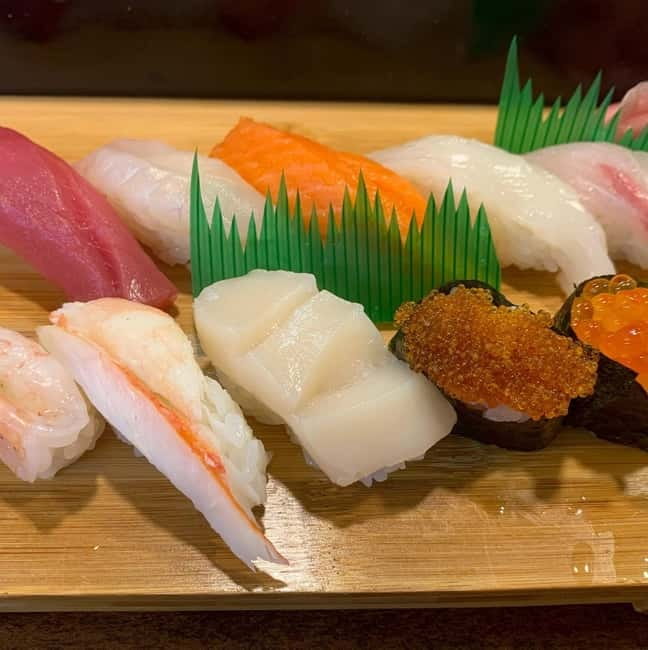
Lunch is seafood, and your meal is sushi or donburi at a local restaurant in Nijo Market. That choice makes the experience flexible. If you want something more classic, go with sushi; if you want comfort-food speed, donburi is usually easier to eat quickly while you’re still exploring.
Time-wise, you’ll have a lunch portion with free time, and the tour information notes that the guide may not join you during the meal. That’s normal for market-style experiences: the goal is that you get the best meal with the least friction, and the guide returns attention to the rest of the day’s flow.
Important for anyone reading this carefully: if you have any allergies, you must inform the operator. The lunch is seafood, and they may be able to suggest alternatives, but you shouldn’t assume. Also note that the tour isn’t suitable for people with food allergies.
Bonus coffee stop: Kotobuki Coffee nearby
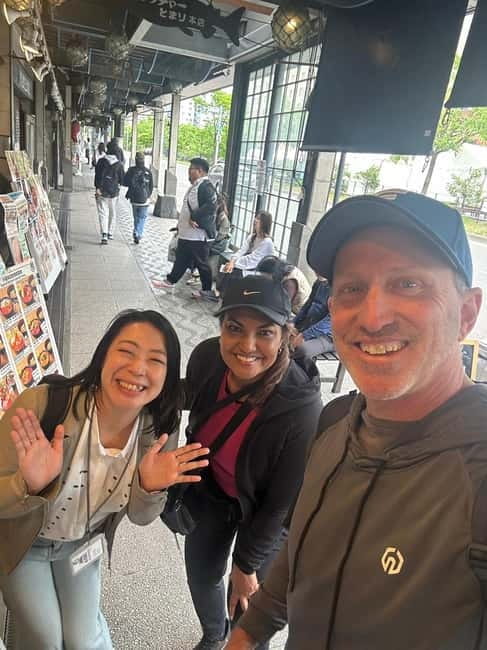
After lunch, consider the recommended cafe Kotobuki Coffee. It’s not part of the guaranteed lunch plan, but it’s the kind of follow-up that fits the day: you’ve just eaten well in the market, and you may want a warm drink to keep the momentum without starting a new big activity.
Walking pace and timing: what 150 minutes really feels like
This tour runs about 150 minutes total, and it’s built around short walks and timed stops. You’ll spend time on foot between landmarks and riverside sections, but it’s not a marathon.
The practical reality: you should wear comfortable shoes and come ready to walk on city sidewalks. The tour also requests water and weather-appropriate clothing, which is smart in Hokkaido—conditions can shift quickly.
Group size is limited to 8 participants, which usually means less crowd pressure and more room for questions. In my experience, that small-group format is what makes short-history days feel personal instead of rushed.
Price and value: why $61 can work if you want the whole package
At $61 per person, you’re paying for more than just a walk and stories. This includes a friendly English-speaking local guide, insurance, TV Tower entry tickets, and a fresh seafood lunch at Nijo Market.
That bundle is where the value comes from. If you tried to assemble this day yourself, you’d still spend money on transit, entry to the TV Tower, and the lunch—then you’d be left to sort out the history on your own. Here, the guide compresses that effort for you and keeps the day coherent.
One more value point: English is covered by a live guide, and the tour is designed for photo stops and guided viewing. That means you’re not just moving between places—you’re getting context while you’re there.
Who this tour suits best (and who should skip it)
I’d point you toward this tour if you want:
- a short, structured Sapporo day with real food
- a history-and-photos combo focused on Sosei River and early city stories
- a calm group size so you can ask questions
It’s not a fit if you’re:
- vegan (the lunch is seafood, and the tour isn’t suitable for vegans)
- dealing with food allergies or needing allergy-friendly meals
- pregnant, or you have mobility limits (the tour is not suitable for people with mobility impairments or wheelchair users)
- traveling with a baby (not suitable for babies under 1 year)
- feeling unwell (it’s not suitable if you have a cold)
Practical behavior and what to bring (so the day stays smooth)
Come prepared with comfortable shoes, water, a camera, and clothes based on the weather. The tour specifically asks for closed-toe shoes and says sandals or flip-flops are not allowed.
The tour also has a clear list of “don’ts,” including no pets, no oversize luggage, no baby strollers, and no alcohol or drugs. That’s not meant to spoil your trip—it’s there because market and shrine areas require a respectful, low-disruption experience.
If you want the best photos, bring a charged phone/camera and arrive with a little patience for walking segments. This tour is paced to include photo stops, but the day still moves.
A quick word on guides like Tom and Iku
The tour experience can feel noticeably different depending on the guide, and the provided information includes examples of guides such as Tom and Iku. Past groups have highlighted guides who are friendly and engaged, with strong English, and who even share small language tips—things like key Japanese words—and extra food ideas after the main lunch.
So if you care about conversation and not just facts, this tour’s small-group setup gives you a better chance to connect.
Should you book this Nijo Market seafood and history tour?
Book it if you want a short, high-value Sapporo day: TV Tower views, a shrine visit, a story-rich river walk, and a seafood lunch at Nijo Market—all with a live English guide and a small group.
Skip it (or plan a different option) if seafood is a problem for you, if you need mobility accommodations, or if you prefer long free-time wandering over guided structure. Also, remember the guide may not sit with you during lunch, so go in with an appetite and a willingness to explore the market on your own for a bit.
If your ideal Sapporo includes good food plus street-level history, this one fits the bill.