REVIEW · BEAUFORT SOUTH CAROLINA
Beaufort: Gullah Heritage Tour
Book on GetYourGuide →Operated by Kelly Tours - Gray Line Savannah · Bookable on GetYourGuide
Church ruins and sea-island stories drive this tour. It’s a 3-hour ride through Beaufort County where you learn Gullah-Geechee songs and stories, then see what’s left of old island churches and historic sites. I love how the guide connects the details to daily life, and I love the small-group setup that keeps questions flowing.
One key consideration: this tour isn’t suitable for people with mobility impairments. Expect uneven ground around the places you’ll view, plus plenty of time on and off a vehicle.
In This Review
- Key things that make this tour worth your time
- A 3-hour Sea Islands tour that doesn’t feel rushed
- Why Gullah-Geechee culture clicks during the drive
- Lady’s Island and St. Helena: where the story shifts from background to place
- Hunting Island views and plantation-era reminders from the air-conditioned comfort
- Penn Center and the early school for freed slaves
- Ruins of island churches: what you should look for
- Historic stories told in a relaxed, question-friendly way
- Price and value: why $52 for 3 hours can make sense
- Logistics that actually matter: shoes, time of day, and seating
- Meeting point: don’t miss it on Bay Street
- Who this tour suits best
- Should you book the Beaufort: Gullah Heritage Tour?
- FAQ
- How long is the Beaufort: Gullah Heritage Tour?
- What does the tour include?
- Where do I meet the tour?
- Is food and drinks included?
- What should I bring?
- Is the tour suitable for people with mobility impairments?
- What is the cancellation policy and payment option?
Key things that make this tour worth your time

- Island church ruins you can actually stand near and picture in context
- Gullah-Geechee stories and songs that explain more than dates on a plaque
- Penn Center and the early school for freed slaves at a National Historic Landmark site
- A climate-controlled vehicle for a more comfortable Sea Islands day
- Small group (up to 10) that makes the guide’s pace feel personal
- A clear meeting point in downtown Beaufort: 930 Bay St, with red, white, and blue rocking chairs out front
A 3-hour Sea Islands tour that doesn’t feel rushed
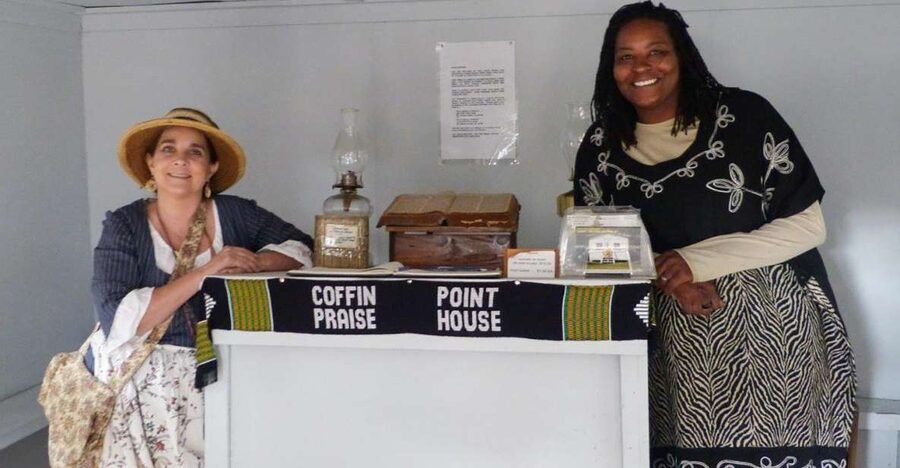
This tour is built for people who want the big picture without the whole-day commitment. You spend about 3 hours in a comfortable, air-conditioned vehicle, while the guide steers you through several locations in Beaufort County. It’s a smart fit if you’re staying in the Beaufort area and want meaningful context before you wander on your own.
The group size is also a big deal. Up to 10 participants means you’re more likely to get direct answers, not just canned explanations. If you’re the type who asks why something happened, you’ll likely appreciate this format.
And because it’s a guided, English-language experience, you’re not left trying to translate local history yourself. You still get to look, read the mood of each stop, and take your photos—just with a storyteller in the passenger seat.
Why Gullah-Geechee culture clicks during the drive
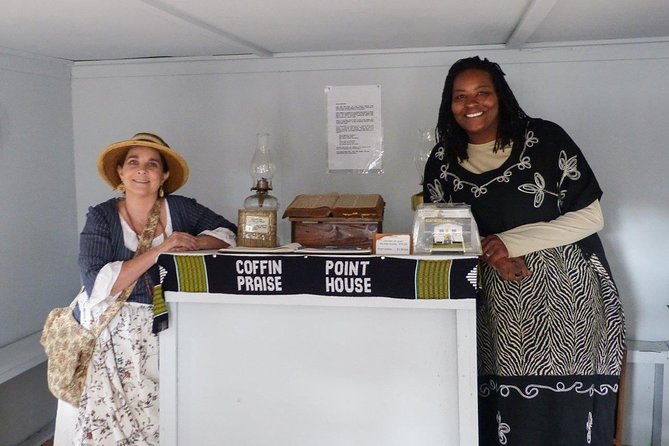
Gullah-Geechee history isn’t just a topic. It’s a way people kept language, community, and creativity alive on the Sea Islands. This tour focuses on the stories and songs tied to that heritage, which is exactly what makes the experience feel more human than museum-only history.
You’ll also notice a practical benefit: the guide’s narration helps you interpret what you’re seeing from the road and at viewpoints. A ruin becomes more than “old stones.” A historic site becomes a turning point in people’s lives. That’s where the value lives.
The best moments tend to be the ones where you realize how much culture traveled through daily habits—work, worship, music, and family life. When that clicks, the whole drive feels purposeful.
Lady’s Island and St. Helena: where the story shifts from background to place
Lady’s Island and St. Helena show up as major stops for a reason. They anchor you in the geography of the Sea Islands—marsh, water, and long-standing communities shaped by the coastal environment.
On this kind of tour, I like that you don’t just get a list of landmarks. You get context for why these areas mattered historically and culturally. When the guide points out connections between the past and the present, it’s easier to understand what survives and what doesn’t.
If you’re curious about how island communities shaped culture—especially under harsh historical conditions—this is where your attention usually tightens. The vehicle keeps you moving, but the guide’s pace gives you time to process.
Hunting Island views and plantation-era reminders from the air-conditioned comfort
You also make a stop area around Hunting Island. That matters for a practical reason: Sea Island history is tied to the coast, so the view helps you understand the setting that shaped life there.
You’ll also see a historic plantation house—but importantly, you’re viewing it from the comfort of the air-conditioned vehicle. That’s not a downside if you’re short on time, because it keeps the tour efficient and helps you stay comfortable. It does mean you won’t get a long, up-close building visit on this particular format.
Still, seeing the house in its real surroundings can change how you read the period. It’s easier to connect architecture and land use when your eyes are on the same coast that shaped everything.
Penn Center and the early school for freed slaves
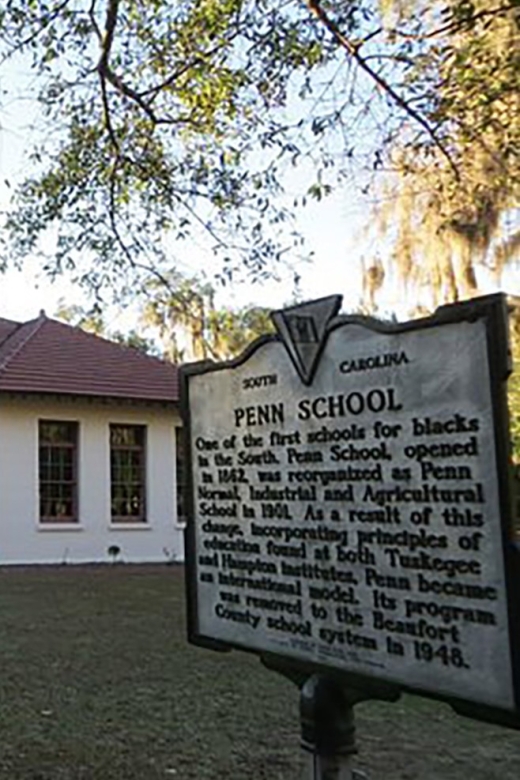
One of the most important stops is the site of one of the country’s first schools for freed slaves. It’s described as a local treasure and a National Historic Landmark, which signals that this isn’t a “side note” stop. It’s a centerpiece.
This is the moment where the tour becomes more than scenery. You’re learning about education as a force for rebuilding—why it mattered, who benefited, and what it represented in the aftermath of slavery. The guide’s storytelling and explanations are what make this feel real rather than abstract.
If you care about civil-rights roots and the long arc of education in the U.S., you’ll probably feel the weight of this stop. And even if you’ve read a little already, getting the story told with place-based details tends to sharpen your understanding.
Ruins of island churches: what you should look for
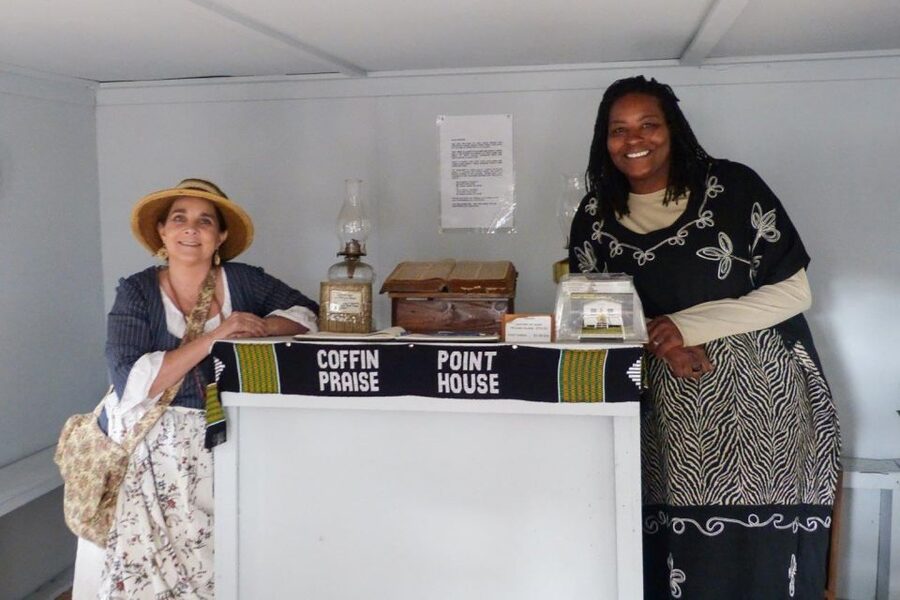
The tour includes time at the ruins of island churches, where you learn the stories and songs connected to their history. Ruins can feel silent at first glance, so the guide’s job here is crucial: they help you see why these churches mattered beyond worship.
Look for how the remains sit within the island setting. Even without walking a full “heritage trail,” the location helps you visualize gatherings, community rhythms, and the role faith played in cultural survival.
This is also where the tour’s focus on music helps. Songs are often the living archive people carried when formal records were incomplete. When the guide ties the church story to song traditions, you get a clearer sense of how culture endured.
Historic stories told in a relaxed, question-friendly way
The experience stands out because the guide style is part of the product. In the feedback, guides like Inda and Dean are repeatedly praised for mixing clarity with humor and keeping the pace relaxed. The result is that you don’t feel rushed while looking at sites.
You’ll likely find this helpful if you’re not the type to read every sign or if you want to ask follow-up questions. Small groups help, but the guide’s delivery also matters. When explanations are well paced, the facts stick better.
There’s one practical listening note to keep in mind. With group tours, hearing can vary depending on where you sit. If you tend to have trouble hearing in the back, it can be worth choosing a seat closer to the guide when possible.
Price and value: why $52 for 3 hours can make sense
At $52 per person for a 3-hour guided tour, you’re paying for two things at once: transportation and interpretation. The vehicle is climate-controlled, and you’re not just driving by places—you’re getting guided context as you go.
Is it cheap? Not really. But it’s not overpriced for what you get if you want focused storytelling across multiple stops. The small group size (up to 10) also supports the idea that this isn’t a mass-market bus tour.
If you’re visiting Beaufort anyway, you can think of this as buying back time. Instead of researching the history of Lady’s Island, St. Helena, Hunting Island, and the freed-slave school site on your own, the guide organizes it into a coherent flow.
Also, since food and drinks aren’t included, the value calculation stays honest: you’re paying for the guide and the route, not a bundled meal.
Logistics that actually matter: shoes, time of day, and seating
Start with basics: bring comfortable shoes. Even if the tour is short, you’ll be doing enough walking and standing to justify supportive footwear.
Think about timing too. You’ll want to schedule this when you’re not already wiped out from the road or sand. The Sea Islands can be hot and humid, and the air-conditioned vehicle helps, but your body still has to handle stops and waiting.
Seating can change your experience. If you know you’ll struggle to hear from farther back, try to place yourself where the guide’s voice carries best. Since the tour runs in English, hearing matters for following the stories and songs.
Finally, plan for water. Since food and drinks aren’t included, you’ll want to handle your own snacks or hydration before or after.
Meeting point: don’t miss it on Bay Street
You meet at 930 Bay St, Beaufort, SC 29902. The clue is easy to spot: red, white, and blue rocking chairs set up in front of the building.
If you’re arriving by car, give yourself a little buffer. Downtown Beaufort can be busy, and you’ll want to start with full attention, not stress.
Who this tour suits best
This is a strong pick for you if you want a focused, guided introduction to Gullah-Geechee culture and Sea Islands history. It’s especially good if you enjoy storytelling that connects culture, place, and lived experience—church ruins, songs, and the education milestone at the freed-slave school site.
It’s also a good option if you’re trying to balance history with comfort. The climate-controlled vehicle makes a big difference in a region that can feel intense in warmer months.
Who might look elsewhere: if you have mobility limitations, this one isn’t designed for that. And if your goal is purely hands-on museum time or long interior visits, you should know this format emphasizes viewing and narration rather than spending lots of time inside buildings.
Should you book the Beaufort: Gullah Heritage Tour?
I’d book it if you want a short, high-impact way to understand why Beaufort County matters for Gullah-Geechee heritage. The tour’s core strengths are clear: island church ruins, Gullah-Geechee stories and songs, and the significant stop at the early school for freed slaves. Add the small group size and the relaxed guide style, and you get an experience that feels personal instead of generic.
Skip it only if mobility is an issue or if you’re expecting a long, do-everything museum day. For a 3-hour window, though, this is an efficient way to leave Beaufort with better context—and a story you’ll keep carrying as you explore the rest of the coast.
FAQ
How long is the Beaufort: Gullah Heritage Tour?
It lasts 3 hours.
What does the tour include?
The tour includes a 3-hour guided Gullah Heritage Tour with a live English-speaking guide.
Where do I meet the tour?
Meet at 930 Bay St, Beaufort, SC 29902. Look for red, white, and blue rocking chairs in front of the building.
Is food and drinks included?
No. Food and drinks are not included.
What should I bring?
Bring comfortable shoes.
Is the tour suitable for people with mobility impairments?
No. It is not suitable for people with mobility impairments.
What is the cancellation policy and payment option?
You can cancel up to 24 hours in advance for a full refund. You can also reserve now & pay later to keep your plans flexible.