REVIEW · DIJON
Dijon: Private Walking Tour – Discover History & Heritage
Book on GetYourGuide →Operated by TOUR FRANCE EXPERIENCE · Bookable on GetYourGuide
Dijon’s owl leads the way through town. This private 2-hour walk follows the Parcours de la Chouette through the historic center, using local lore to make the city’s landmarks feel personal, not just postcard-pretty. I like how the guide connects the symbol to the way people talk about Dijon.
I also love the way the tour hits two “you have to see this” stops without rushing. Notre-Dame impresses with its 13th-century Gothic architecture, and the jacquemart bell-striking automaton adds a fun, hands-on moment of sound and spectacle. If you’re expecting a slow, sit-and-relax vibe, plan for a brisk walk.
The one thing to think hard about is the cost. At $235 per person, this is priced like a premium experience, so it’s best when you value a guided story more than a self-guided wander.
In This Review
- Key highlights worth showing up for
- Place Notre-Dame start: easy meeting point, quick momentum
- Parcours de la Chouette: the owl symbol isn’t random
- Notre-Dame’s Gothic style and the jacquemart bell automaton
- Ducal Palace exterior: Burgundy power, now city life
- Place François Rude: medieval streets, Renaissance details, and an Eiffel wink
- Private guide advantage: you set the tone in real time
- Price and value: what $235 per person buys you (and when it doesn’t)
- Who this Dijon tour fits best
- Should you book this Dijon Private Walking Tour?
- FAQ
- Where does the tour start?
- How long is the Dijon private walking tour?
- Is the tour guided in English?
- What’s included in the price?
- Are entry tickets included?
- Is transportation included?
- Can I bring luggage or large bags?
- Is this tour suitable for people with mobility impairments?
- Do I need to plan around the weather?
Key highlights worth showing up for
- Parcours de la Chouette route: follow an actual walking journey tied to Dijon’s owl legend
- Notre-Dame’s Gothic architecture: a standout look at 13th-century design
- Jacquemart bell automaton: a mechanical tradition that makes the church feel alive
- Ducal Palace exterior views: see Burgundy power before it turns into civic life
- Place François Rude scenes: Middle Ages meets Renaissance, plus a fountain and Eiffel reproductions
Place Notre-Dame start: easy meeting point, quick momentum
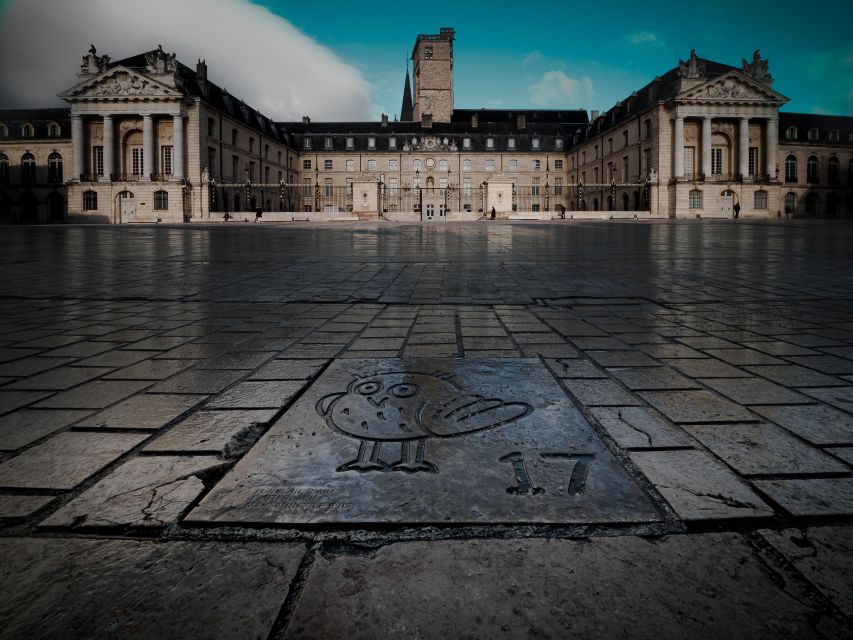
Your tour starts at Place Notre-Dame, right outside the tourism office. The guide should be holding a signboard with your name, so you can get moving fast instead of playing guessing games.
This is a short tour by design—2 hours. That matters because you’ll be walking between a handful of meaningful stops, not covering the whole city. If you like “quality over miles,” this format fits well.
Also keep in mind the practical rules: no luggage or large bags. If you’re traveling light, it’s simple. If you’re carrying lots of stuff, you’ll want to rethink what you bring so the walk stays comfortable.
Parcours de la Chouette: the owl symbol isn’t random
The core of the experience is the Parcours de la Chouette, or Owl’s Journey. The whole route works because the guide doesn’t just point at sights—they explain why Dijon’s owl became the city’s symbol.
I love this kind of storytelling because it changes how you look at streets. You start seeing the city as a set of chapters: each corner feels linked to the legend instead of being a separate stop on a map.
One of the most memorable moments is the small ritual at Church of Notre-Dame. You’ll be encouraged to touch the owl on the church for good fortune. It’s brief, but it gives you a concrete action that makes the symbolism stick.
And if you’re the sort of person who likes language, you may really enjoy the way a good guide connects roots and meanings. On this tour, the owl story isn’t just folklore—it’s also a way to understand how locals think about identity.
Notre-Dame’s Gothic style and the jacquemart bell automaton
At the 13th-century Church of Notre-Dame, the focus is architecture plus atmosphere. You get a close look at the Gothic elements that make this church feel grand without needing a long museum-style visit.
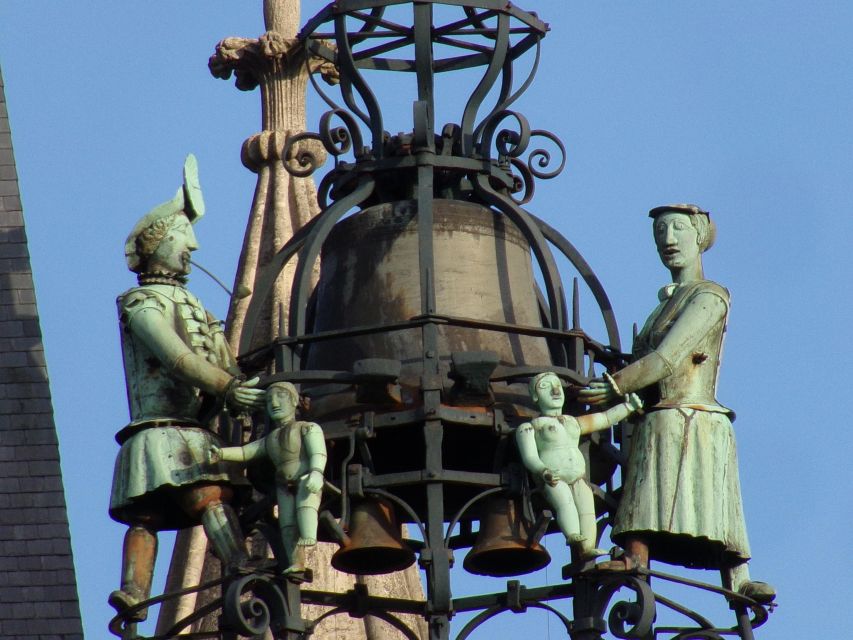
The star moment here is the jacquemart. It’s a bell-striking automaton—an engineered character in the building. When it strikes a large bell with a hammer, the church shifts from stone-and-glass history to something with rhythm and drama.
What I like about this stop is that it’s not just visual. You’re dealing with sound, motion, and tradition, which makes the experience easier to remember later when you’re back home trying to describe Dijon to friends.
One caution: this part of the tour happens outdoors around the church area. If the weather is cold or rainy, dress for walking and quick stops. The good news is the tour length is only 2 hours, so discomfort doesn’t drag on.
Ducal Palace exterior: Burgundy power, now city life
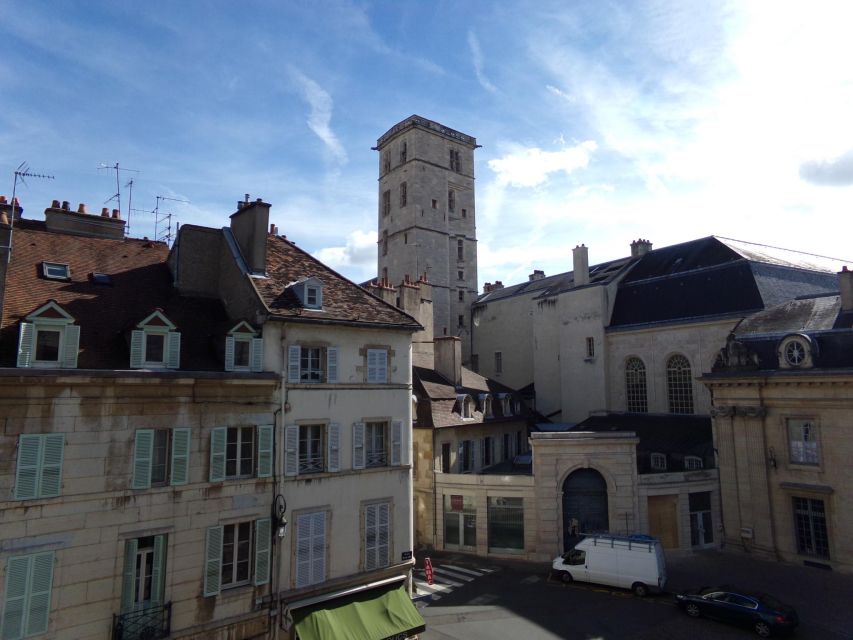
Next you’ll shift to the Ducal Palace, which is one of Dijon’s most famous monuments. The key point is that you’re seeing the exterior and reading the building’s role, not ticketing into a full-day site.
This palace dates back to the 14th and 15th centuries, and that age shows in the scale and presence. The guide helps you connect what the Dukes of Burgundy represented—authority, wealth, and political weight—with what you see now.
Today, the Palace of the Dukes of Burgundy houses the city’s town hall and a museum. That is a big part of the value for you: it helps you understand how power structures evolve. You’re looking at old prestige, repurposed into civic and cultural life.
If you like architecture that carries political history, you’ll get more out of this stop than you would from a quick photo. The guide’s job is to keep you from treating the building like a static backdrop.
Place François Rude: medieval streets, Renaissance details, and an Eiffel wink
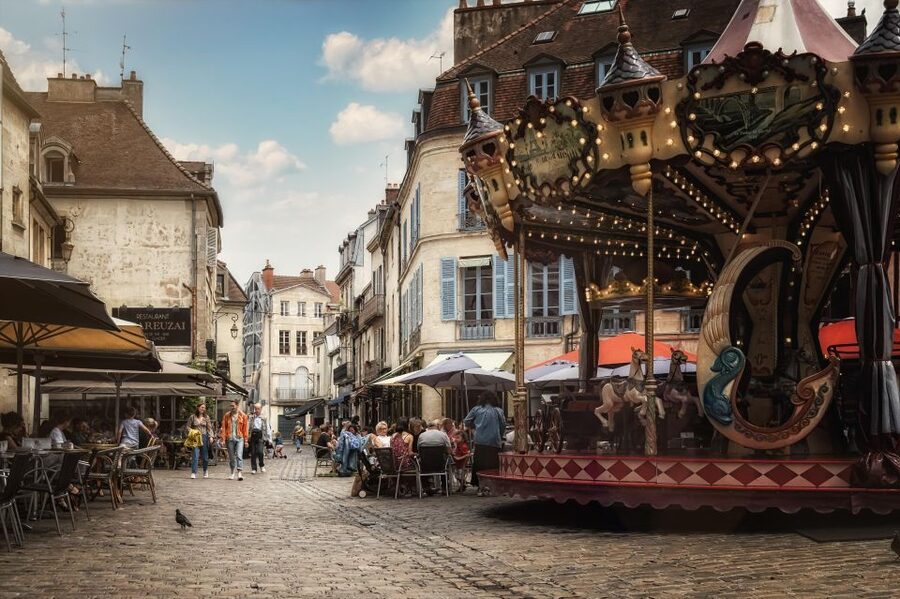
Place François Rude is where the tour slows slightly into “watch and compare.” It’s a picturesque square with houses from the Middle Ages and the Renaissance, so the architecture feels like a timeline you can walk around.
You’ll also see a fountain and a carousel with reproductions of Gustave Eiffel. That’s not just a cute detour—Eiffel was born in Dijon in 1832, and this is one of those local ways of celebrating a famous hometown connection.
What I like here is the balance. After palace history and church drama, this square feels human and everyday. It helps you get a sense of Dijon’s personality, not only its big monuments.
Also, squares are perfect for private tours because you can pause without interrupting anyone’s schedule. If you want a moment to take photos or ask an extra question, your guide can usually shape the pace in this kind of setting.
Private guide advantage: you set the tone in real time
This is a private walking tour, so the biggest difference is control. You’re not stuck with a rigid script, and you’re not in a group that forces the guide to rush through ideas.
In practice, the tour works best when you use your guide as a translator between eras. The guide helps you connect Gothic design to medieval beliefs, Burgundy palace power to the city’s later identity, and even local symbols like the owl to everyday storytelling.
Languages are another plus. You’ll have an English, French, or German live guide, which makes it easier to follow nuance. One detail worth noting: the pacing is designed for comfort across 2 hours, so you’re not spending the whole time in long stretches of walking with nothing to show for it.
If you have specific interests—architecture, city symbols, or how French history connects to modern life—tell your guide early. A good guide can adjust the emphasis so you leave with memories that actually match your curiosity.
Price and value: what $235 per person buys you (and when it doesn’t)
Let’s talk money plainly. $235 per person is not a budget-friendly option for a 2-hour walk. I get why it can feel steep, especially if you’re used to free walking routes and audio guides.
So here’s how I think about value. You’re paying for a guide who can explain why places matter, not just what they look like. You’re also paying for the private format, which makes the story feel tailored and keeps the pace sane.
This price starts to feel fair when:
- You care about meaning, not just photos
- You want an explanation of Dijon’s symbol—the owl—and how that ties into the city’s heritage
- You enjoy architectural storytelling, including the church’s jacquemart moment
- You’d rather spend $235 on a focused experience than buy multiple tickets and still miss context
It might not feel fair when:
- You mainly want a casual stroll and don’t mind reading signs on your own
- You’re trying to cover lots of sites in a single day (this tour is short by design)
- You’re price-sensitive and could be happy with self-guided walks
Who this Dijon tour fits best
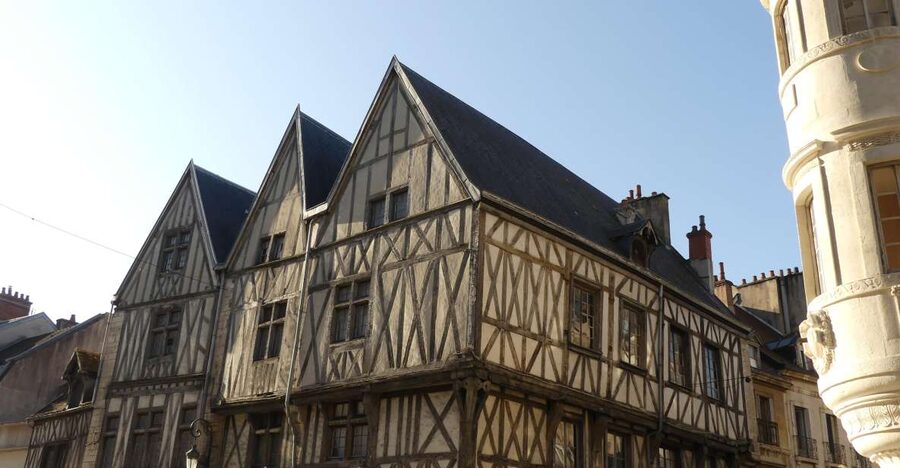
This tour fits best if you like walking with purpose and you enjoy stories that make old stones feel relevant. It’s also ideal for first-timers who want a fast, high-impact overview of Dijon’s historic center without spending the whole day coordinating routes.
You’ll likely enjoy it most if you:
- Want a close look at Notre-Dame and the jacquemart
- Like the idea of a themed route built around Dijon’s owl symbol
- Prefer a guided experience over deciphering history on your own
There are two practical limits you should respect. It’s not suitable for people with mobility impairments, and you should avoid bringing luggage or large bags.
Should you book this Dijon Private Walking Tour?
Book it if you want a guided story-forward introduction to Dijon’s heritage in only 2 hours. The payoff is strong when you care about meaning: the owl symbol, the Gothic Notre-Dame architecture, the jacquemart bell automaton, and Burgundy history tied to what you see outside the Ducal Palace.
Skip it if you’re mainly after a cheap walk, or if you plan to cover lots of major sights on your own anyway. At $235 per person, the tour only really wins when you treat the guide as the main attraction—not an optional bonus.
If you do book, wear comfortable shoes, keep your hands free for photos, and come ready with one or two questions about Dijon’s history or symbols. That’s when a private guide delivers the most value.
FAQ
Where does the tour start?
You meet your guide outside the tourism office on Place Notre-Dame, and the guide is supposed to be holding a signboard with your name.
How long is the Dijon private walking tour?
The tour lasts 2 hours.
Is the tour guided in English?
Yes. The live tour guide is available in English, French, or German.
What’s included in the price?
The price includes a private walking tour and a local tour guide.
Are entry tickets included?
No, entry tickets are not included.
Is transportation included?
No, transportation is not included.
Can I bring luggage or large bags?
No. Luggage or large bags are not allowed.
Is this tour suitable for people with mobility impairments?
No. It is not suitable for people with mobility impairments.
Do I need to plan around the weather?
This is a walking tour, so you’ll be outside for parts of it. Dress for walking conditions, since the tour focuses on streets and exterior sights.