REVIEW · WESTPORT
Irish Soda Bread Baking and Food Heritage Experience
Book on Viator →Operated by The Irish Soda Bread Way · Bookable on Viator
Warm bread beats a museum every time. In Westport, this private baking class delivers hands-on Irish soda bread and scone coaching with teachers like Carmel and Mary, and you’ll leave with a loaf you made yourself. The main catch is simple: the session is about 2 hours, so you’ll want to plan ahead for packing your warm bread when you’re done.
After you meet at the Clew Bay Hotel (James St, Cahernamart), you’ll mix and bake traditional Irish brown soda bread and scones from scratch. Then comes the best part—fresh-out-of-the-oven soda bread with Irish country butter, locally made homemade jam, and tea, served with stories and friendly chat before your loaf is ready to go home.
In This Review
- Key things I’d plan around
- Starting at the Clew Bay Hotel: where the morning clicks
- What you’ll bake in Westport: brown soda bread and scones
- Brown soda bread: the Irish everyday loaf
- Scones: where the technique shows
- The hands-on reality
- The tea-and-butter tasting: what you eat while it’s fresh
- Learning Irish food heritage without the lecture vibe
- Group size, attention, and timing: the real value of a small class
- Bringing bread home: the part that needs your planning
- Price and value: is $80.25 worth it?
- Who this class is for (and who should skip it)
- Should you book the Irish Soda Bread Way in Westport?
- FAQ
- What is the location of the Irish Soda Bread Baking and Food Heritage Experience?
- How much does the experience cost?
- How long is the class?
- What time does it start?
- Is the class private or group-based?
- What will I bake during the experience?
- What do I eat during the class?
- Do I get to take food home?
- How do I receive my ticket?
- Is there free cancellation?
Key things I’d plan around
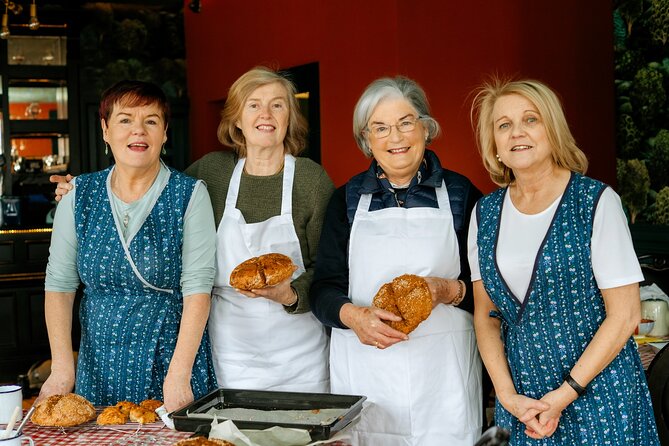
- Small group, big attention: max 10 people, so you get real help while your dough is actually in motion.
- You bake both items: brown soda bread plus scones, not just one quick demo.
- Tea time is built in: you’ll taste what you bake with Irish country butter and locally made jam.
- Take-home prize: you bring the brown soda bread you baked back with you.
- Food heritage is part of it: you learn how soda bread came about and why ingredients like butter matter in Irish kitchens.
Starting at the Clew Bay Hotel: where the morning clicks
The class starts at 10:00 am at the Clew Bay Hotel, on James St in Cahernamart, Westport. Expect the experience to run about 2 hours, and it finishes back at the same meeting point—easy to build into a day that’s already packed with pubs, beaches, and Westport walks.
What I like about this setup is that you don’t lose time trying to find your way through a maze of “kitchen studios.” You meet in a real, familiar town location, then you’re guided into a hands-on rhythm. Since the group is capped at 10 travelers, the vibe stays calm. This matters for baking, because soda bread dough isn’t something you want to babysit from across the room.
Also, the experience runs with a mobile ticket and is described as being near public transportation. That’s practical if you’re car-free or if you’re mixing this with other Westport stops.
One more small planning tip: because the focus is hands-on, arrive a few minutes early. You’ll feel less rushed once you’re rolling up your sleeves.
You can also read our reviews of more tours and experiences in Westport.
What you’ll bake in Westport: brown soda bread and scones
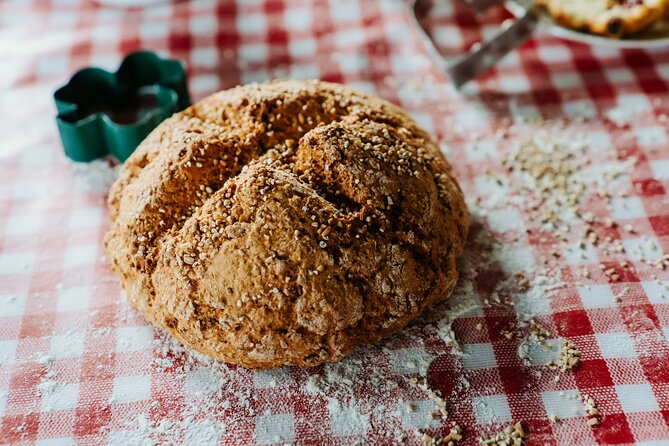
This is a true make-it-yourself class. You’ll prepare traditional Irish brown soda bread and scones from scratch, guided step-by-step while your ingredients and timing are still the main focus.
Brown soda bread: the Irish everyday loaf
Irish soda bread has a reputation for being simple, but that’s exactly why it’s worth learning properly. You’ll make the brown version and, crucially, you’ll understand the logic behind it—not just follow a recipe without context.
From the class experience and what people consistently highlight, this isn’t taught like a lecture. Carmel and Mary guide you through the process, and they share stories and anecdotes along the way. That storytelling matters because it turns baking from a task into something you actually remember: not just what you did, but why Irish kitchens relied on this kind of bread.
Scones: where the technique shows
Scones are the second key win. People love this part because it’s more obviously about technique. You’re not just mixing dough and hoping for the best. You get coaching that helps you shape, bake, and end up with something that feels like it belongs on a proper Irish tea table.
A good sign from the feedback: many people leave saying they can finally make a decent scone. That usually means the instructors don’t hand you a vague “good luck” and walk away. They stay with you through the important steps.
The hands-on reality
Since you’re baking both items, you should be ready to work for real. Flour will fly a bit. Your hands will get messy. That’s not a downside—it’s the point. If you love learning by doing, you’ll enjoy how quickly the morning becomes productive.
If you dislike cooking classes where you mostly watch, this is not that. The class is structured so you do the making.
The tea-and-butter tasting: what you eat while it’s fresh
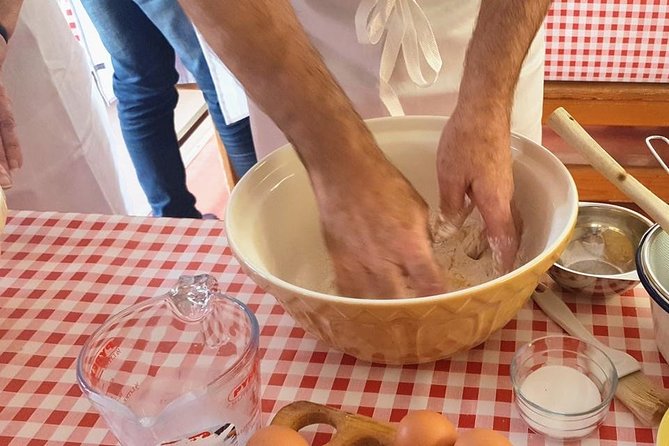
After the baking, you’ll taste your brown soda bread hot from the oven, paired with Irish country butter and locally made homemade jam. It’s served over tea, with time for conversation.
This tasting moment is more than a reward. It’s also the best “teacher.” When you eat something you baked moments earlier, you instantly connect texture, smell, and flavor to the choices you made. In other words, you don’t just learn how to follow instructions—you learn what good outcomes feel like.
I also appreciate that the class builds in a social break. Tea and chat might sound like a small detail, but it’s where the Irish food heritage piece becomes real. You’re not just making bread; you’re hearing how people talk about butter, baking, and everyday ingredients as part of Irish life.
And because you’re tasting hot bread, you’re getting the experience at full strength. Cool soda bread is good. Hot soda bread is the whole experience.
Learning Irish food heritage without the lecture vibe
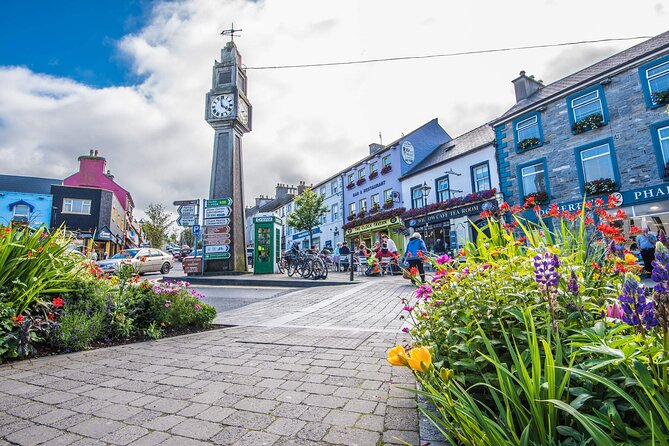
One of the best parts is how the cultural context is handled. Instead of heavy history slides, Carmel and Mary bring in food heritage in a way that fits the room you’re actually standing in.
You’ll hear about how Irish soda bread came about, along with practical food talk that includes why butter shows up everywhere in Irish kitchens. That’s the kind of insight that sticks, because it connects to what’s on your plate.
Here’s why this matters for your trip: when you learn food in context, you spot it later. After this class, you’ll likely notice how Irish bread and butter culture shows up in cafes, pubs, and family-run places. Even if you don’t go searching for “authentic,” you end up ordering with better instincts.
Group size, attention, and timing: the real value of a small class
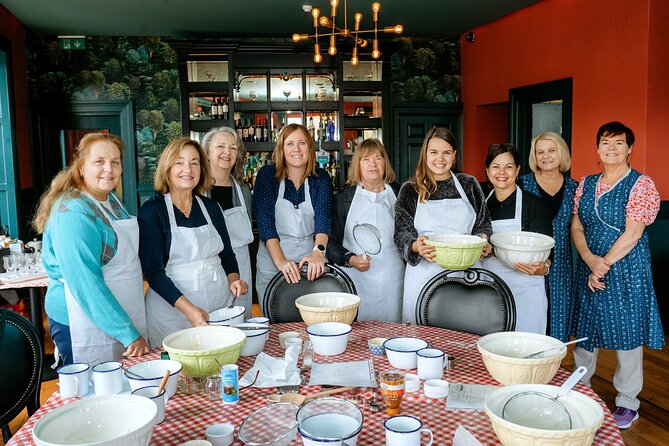
At max 10 people, this class has enough space for everyone to work, but it’s still small enough for real assistance. That’s key when you’re baking. Dough stages move fast, and a simple mistake can turn into a “well, we tried” outcome.
The instructors’ role is consistently praised: people describe them as guiding the baking process with stories and anecdotes, and they highlight that they leave knowing how to make a better scone. I take that as a sign that you won’t be left stuck when the dough gets temperamental.
Timing-wise, the 2 hours means you should treat this as a focused morning activity, not something you can loosely fit around other plans. If you like slow travel, plan a relaxed day after. If you’re tight on time, at least keep your schedule clean before and after—this experience is best when you don’t rush the bread packing part.
Bringing bread home: the part that needs your planning
You’ll bring home the brown soda bread that you baked yourself. That’s a big deal, because it turns the class into something you can share later—or even use as a snack that keeps your Ireland trip going for a few days.
But you should plan for logistics. You’ll be leaving with a warm, freshly baked loaf, and that means:
- give it time to cool before bagging if you can
- think about where it’ll sit on your journey home
- don’t pack it like a fragile pastry if you’re moving through crowds
The class ends back at the meeting point, so you’ll have a clear drop-off moment. Still, from a practical standpoint, the moment you pick up your loaf is not the time to sprint to the next bus transfer.
If you’re walking a lot that day, consider carrying the loaf carefully rather than stuffing it into the bottom of your bag.
Price and value: is $80.25 worth it?
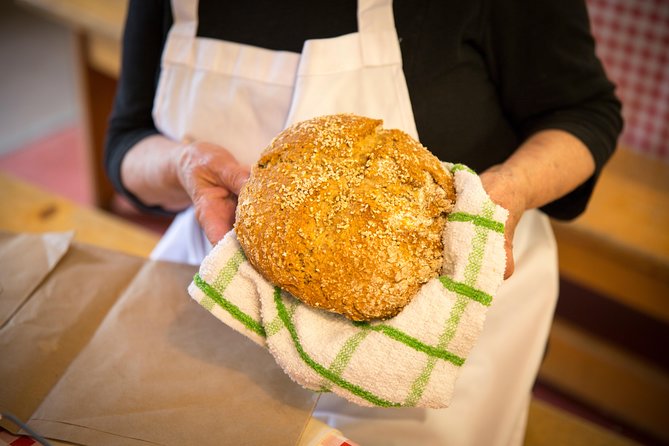
At $80.25 per person, you’re paying for more than instruction. You’re paying for:
- hands-on baking time for both brown soda bread and scones
- the ingredients and baking process
- tea, plus Irish country butter and locally made homemade jam
- and the best kind of souvenir: a loaf you baked and can eat later
For a 2-hour experience, the value depends on how you like to spend your travel budget. If you enjoy classes where you make something and take it home, this is a solid fit. You’re not just buying a taste—you’re buying the full process and a meal moment.
If you’re coming only for a quick sample of soda bread, it might feel pricey for a short session. But if you actually want to learn and leave with food in hand, the price makes sense because it covers both the experience and the tangible result.
A quiet sign of demand: it’s described as typically booked about 59 days in advance. That often means the small-group format fills, so booking early is smart.
Who this class is for (and who should skip it)
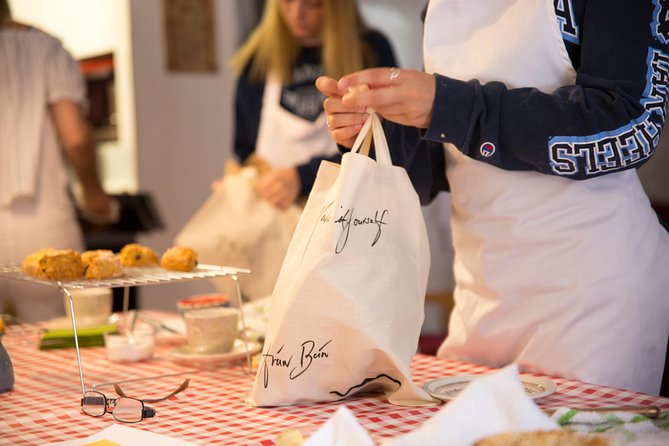
This experience is a great match if you want:
- a small-group activity in Westport that’s not just sightseeing
- hands-on cooking with real guidance
- a food-focused way to learn about Irish ingredients and baking culture
- a take-home payoff that’s edible and shareable
It may not be ideal if you:
- hate cooking classes where you must actively participate
- have an extremely rushed schedule and can’t plan for packing bread after baking
- prefer experiences that last longer than 2 hours without moving quickly
Should you book the Irish Soda Bread Way in Westport?
I’d book it if you like practical learning and you’re happy to work with your hands. The combo of baking two items, tasting what you make with butter and homemade jam, and leaving with your own loaf gives you a clear “I did something real” feeling.
Before you book, check that the timing works for your day. Start time is 10:00 am, and the session runs about 2 hours, ending where you start. Also, since the class has a minimum number of travelers and a free cancellation window, you’ve got flexibility—but don’t wait until the last minute if this is one of your must-dos.
If you want a genuinely Irish food experience that doesn’t feel like a performance, this is the kind of class that can carry your trip in your stomach for days.
FAQ
What is the location of the Irish Soda Bread Baking and Food Heritage Experience?
It takes place in Westport, Ireland. The meeting point is the Clew Bay Hotel, James St, Cahernamart, Westport, Co. Mayo.
How much does the experience cost?
The price is listed as $80.25 per person.
How long is the class?
The duration is approximately 2 hours.
What time does it start?
It starts at 10:00 am.
Is the class private or group-based?
It’s described as a private, immersive cooking experience, with a maximum of 10 travelers.
What will I bake during the experience?
You’ll bake traditional Irish brown soda bread and scones from scratch.
What do I eat during the class?
After baking, you’ll taste the brown soda bread hot from the oven with Irish country butter and locally made homemade jam, served over tea and conversation.
Do I get to take food home?
Yes. You bring home the brown soda bread loaf that you baked.
How do I receive my ticket?
You’ll receive a mobile ticket.
Is there free cancellation?
Yes. Free cancellation is available up to 24 hours in advance for a full refund, based on local time. If it’s canceled because the minimum number of travelers isn’t met, you’ll be offered a different date or a full refund.
If you want, tell me your travel dates and whether you’re staying in Westport town or nearby—I can suggest how to slot the 10:00 am class into a smooth day plan.