REVIEW · OSLO
Jewish Heritage Tour in Oslo
Book on Viator →Operated by Oslo Photo Tour · Bookable on Viator
Oslo’s Jewish story is on every corner. This private Jewish Heritage Tour in Oslo threads street-level sights to the larger currents of Norwegian and Jewish history, led in English by Rami. I especially like the way Oslo Synagogue becomes more than a stop on a map, tied to what life looked like across different eras.
Two big reasons this works: the route is tightly paced, with several landmark conversations built into short walks, and Rami keeps the context clear so you’re not just looking at buildings. The only real catch is that the synagogue visit isn’t always possible, so you should be ready to experience that segment from the outside if access is limited.
In This Review
- Key Highlights You’ll Actually Notice
- Why This Jewish Heritage Tour Works So Well in 2 Hours
- Meeting at TigerJernbanetorget and Getting Your Bearings Fast
- Stop 1: Jernbanetorget and the First Jewish Family in Oslo
- Stop 2: Stortorvet, Oslo Cathedral, and the Christian IV Connection
- Stop 3: Norwegian Parliament and Remarkable Jewish Members
- Stop 4: The Grand Hotel Area, Jewish Shops, and a Nobel Peace Prize Thread
- Stop 5: Karl Johans Gate for Street-Level Jewish History
- Stop 6: Royal Palace Grounds and WWII-Linked Clues (1940–45)
- Stop 7: Oslo Synagogue and What To Do If You Can’t Go Inside
- Price and Value: $256.18 Per Group Can Be Quite Fair
- Who This Tour Suits Best in Oslo
- A Note on the Guide Experience With Rami
- Should You Book the Jewish Heritage Tour in Oslo?
- FAQ
- FAQ
- How long is the Jewish Heritage Tour in Oslo?
- Is the tour private?
- What is the price and group size?
- What language is the tour offered in?
- Where does the tour start?
- Does the tour include admission tickets?
- Can I always visit the Oslo Synagogue inside?
- Is the tour dependent on weather?
- Is the tour accessible for everyone?
Key Highlights You’ll Actually Notice
- A private format (up to 5 people) means the story can match your questions instead of running on autopilot.
- English-language guiding keeps the historical links easy to follow at each stop.
- Central Oslo, step-by-step: you cover major sites on foot without wasting time on complicated logistics.
- Jewish heritage alongside Norwegian landmarks: Parliament, cathedral, and palace areas get explained through the Jewish presence in Oslo.
- Synagogue stop, when access allows: it’s built in as a major emotional moment when the door is open.
- A photo-book option: Rami has a short photo-book with present-day and historic pairings you can ask about.
Why This Jewish Heritage Tour Works So Well in 2 Hours
If you only have a short window in Oslo, this is one of the most efficient ways to orient yourself. You’re not doing a long museum day. Instead, you’re learning how Jewish life took shape in the city by walking between recognizable civic landmarks and the places where Jewish families, shops, and community institutions left traces.
What I like most is how the tour balances big-picture context with specific locations. Rami’s approach connects Norwegian history to Jewish experiences without turning it into a lecture you have to survive. You’ll walk away with a clearer sense of where Oslo fits into the wider story, and you’ll also know what to look for on your own afterward.
The second strength is pacing. The tour is about two hours, but it doesn’t feel rushed because each stop is designed to give you one or two strong takeaways. Most stops are short, with one longer stretch for street-level exploration, so you keep moving while still getting meaningful details.
Meeting at TigerJernbanetorget and Getting Your Bearings Fast

You start at TigerJernbanetorget (0154 Oslo), a central spot that makes it easy to arrive by public transport. That matters because the tour is built for walking through core downtown areas where transit connections are convenient.
The tour uses a mobile ticket, which simplifies check-in. You’ll also be walking at a moderate pace, and the experience is listed as suitable for travelers with moderate physical fitness. The group is private, so you’re not trying to stay close to a crowd while your guide is explaining something specific in the street.
Since the end location is different from the start, plan to keep your next reservation flexible. Most people do fine by booking nothing immediately after, especially if you want to keep taking photos or grabbing coffee nearby.
Stop 1: Jernbanetorget and the First Jewish Family in Oslo
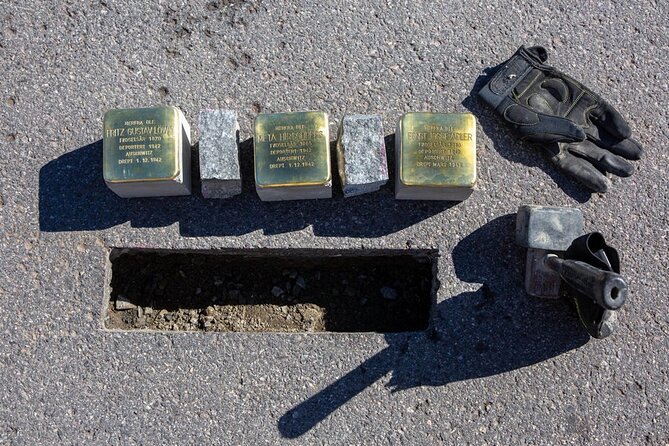
This opening stop sets the tone. At Jernbanetorget, you’re introduced to the first Jewish family settled in Oslo and shown the actual location connected to their property. It’s a smart way to begin because it gives you a real anchor before you move deeper into the city’s civic landmarks.
Instead of starting with big institutions, you start with people and place. That makes every later reference land better, because you’ve already learned where Jewish presence began to register in Oslo’s built environment.
A practical tip: when your guide points out a location, look around the street grid. This is the part where you start noticing how Oslo’s center has shifted over time, and why a single address can carry layers of meaning.
Stop 2: Stortorvet, Oslo Cathedral, and the Christian IV Connection
At Stortorvet, you turn toward Oslo Cathedral and the Christian IV monument. This stop helps connect Jewish history to the larger story of how Oslo organized its public life and authority structures.
It’s not about cramming architectural facts into your day. The value here is context: how civic spaces and power symbols shape the backdrop where different communities lived, worshiped, and interacted over time.
Because the stop is brief, you should keep your attention sharp. This is one of those moments where a small amount of listening gives you a big payoff later, especially when you reach the Parliament discussion.
Stop 3: Norwegian Parliament and Remarkable Jewish Members
Next comes the Norwegian Parliament area. Here, the focus is on the Norwegian constitution and remarkable Jewish members of the parliament, tied to what citizenship and representation can look like in Norway.
This stop is powerful because it shows continuity. You’re not only learning about survival or exclusion. You’re seeing how Jewish people later became part of Norwegian political life, and how that presence connects back to earlier settlement and community growth.
If you’re the type who likes to understand how societies work, this is a key moment. It turns the tour from a route of memorial sites into a story about participation and public identity.
Stop 4: The Grand Hotel Area, Jewish Shops, and a Nobel Peace Prize Thread
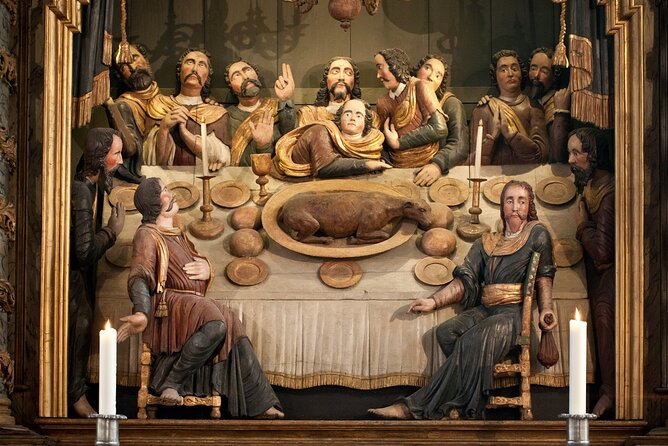
At the Grand Hotel area, the tour points out Jewish shops that were located there and mentions links related to Nobel Peace Prize pricing. The overall idea is everyday life, not just grand institutions.
This is where the tour starts feeling more like a neighborhood stroll. You’re hearing how commerce and community institutions shaped where people went, what they sold, and how Jewish residents contributed to city life.
One consideration: since this is a short stop, you may want to note anything your guide emphasizes. If you’re into photo opportunities, glance at storefront-adjacent corners and street angles as you move on, because those are often the angles that make later self-guided exploration easier.
Stop 5: Karl Johans Gate for Street-Level Jewish History
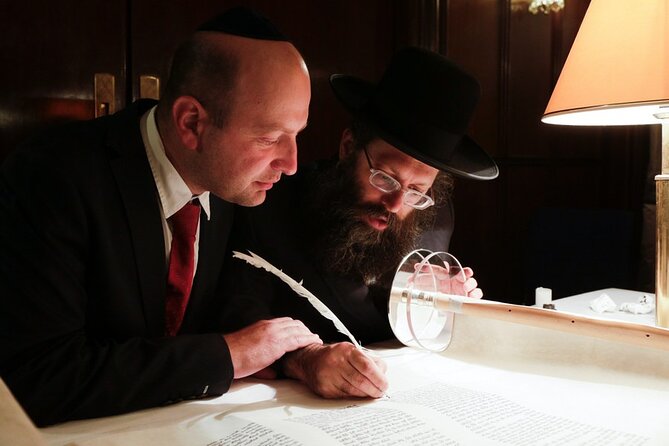
The longest stretch is Karl Johans Gate, with about 50 minutes on the street. This is where you see a broader picture of Jewish-owned stores and monuments connected to Jewish history in Oslo.
I like this segment because it’s not just pass-by sightseeing. You get time to absorb what the guide is saying while you actually experience the rhythm of the avenue. It’s the section that helps you remember the story as something tied to daily movement through the city.
Practical tip: wear comfortable shoes. You’re on your feet longer here, and it’s the part of the tour where you’ll naturally pause for photos and short looks into the streetscape.
Also, because this is downtown, keep your expectations flexible for crowds and traffic. Your guide can’t control pedestrian volume, but your main job is to stay present for the explanations between the storefront views.
Stop 6: Royal Palace Grounds and WWII-Linked Clues (1940–45)
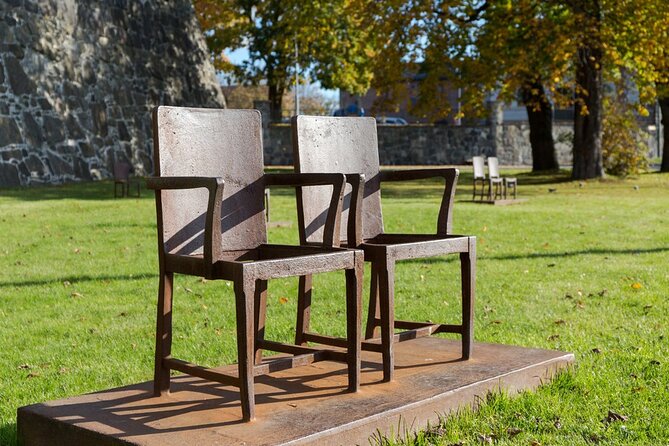
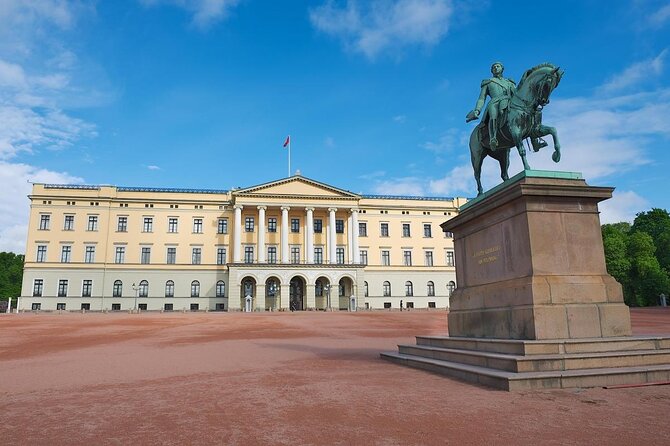
At the Royal Palace, the tour highlights a few locations connected to Jewish life during the occupation period of 1940–45, specifically around the Royal garden area. This stop shifts the tone, and you’ll likely feel it.
The value here is specificity. Your guide isn’t speaking in vague terms about war history. You’re being pointed to physical spaces in central Oslo where that history connects to real geography.
Because you’re near a major landmark, it can be tempting to think of the palace as a separate world from the people affected by occupation. This stop gently collapses that distance by tying Jewish life to place and timing.
If you’re traveling with older kids or anyone who learns best through concrete examples, this is a good stop to pay extra attention to. It’s history you can place on the map.
Stop 7: Oslo Synagogue and What To Do If You Can’t Go Inside
The final stop is Oslo Synagogue. The tour explains it as the first synagogue built in Norway and treats the building as an important link to Jewish communal life.
There’s one issue to be aware of: it’s noted that it is not always possible to visit. That means you should plan for a scenario where you get the exterior and street context, but not an interior visit.
If the door is open, this can be a moving highlight because it connects your previous stops to a living symbol, not just a historical reference. Either way, stay engaged during the guide’s explanation, because the strongest moments here often come from what your guide points out about how community life was shaped.
A simple mindset helps: think of the synagogue stop as two layers. One layer is the building and the community significance. The other layer is the tour’s emotional arc—what the story has been preparing you to understand.
Price and Value: $256.18 Per Group Can Be Quite Fair
This tour costs $256.18 per group for up to 5 people, for about two hours. That pricing model is usually the make-or-break point, so let’s translate it into real spending.
- If you book with 5 people, you’re effectively around $51 each.
- If it’s 2 people, you’re effectively around $128 each.
- If it’s solo, you’re paying the full group rate.
The value comes from how much you get for the money: a private guide, multiple central landmarks, and stops where admissions are listed as free. You’re also spending your time efficiently, since the route is built around major city sites rather than scattered locations.
For families, couples, and small friend groups, this often becomes a strong bargain compared to paying for separate entrance tickets plus a guide. For solo travelers, it can still be worth it if you strongly prefer one-on-one explanation over wandering and hoping you piece the story together yourself.
Who This Tour Suits Best in Oslo
This is a great fit if you want a focused Jewish heritage route without turning your day into an endurance test. The moderate physical fitness note matters, and the walking route is paced for people who can handle downtown streets and short stops.
You’ll likely enjoy this most if you like history tied to real places. It also suits first-time visitors who want a structured way to learn what Oslo’s center means beyond monuments and viewpoints.
If you’re traveling with someone who isn’t sure they care about genealogy or community details, don’t worry. The tour connects Jewish history to Norwegian civic life—cathedral, constitution, Parliament, and major public spaces—so the story doesn’t live in isolation.
And one extra perk from Rami’s style: he’s responsive to questions and can tailor the tour to what you’re interested in. That flexibility matters when you have specific topics you want emphasized, like WWII-era connections or political representation.
A Note on the Guide Experience With Rami
Rami is the driver behind the tone of this tour. The feedback emphasizes his ability to explain Norwegian history in a way that supports the Jewish story, not competes with it. He also comes across as engaging, responsive to questions, and able to add humor without losing the seriousness.
There’s also something practical here: he’s prepared. You can sense that in how each stop builds on the last one rather than feeling like unrelated bullet points. If you like guides who can make a street corner feel meaningful within minutes, this is the right match.
And if you’re the kind of person who collects souvenirs that teach you something, ask about the short photo-book. It pairs current Oslo scenes with historic Jewish life pictures, and it’s the sort of thing you can share later with friends who weren’t there.
Should You Book the Jewish Heritage Tour in Oslo?
I’d book it if you want a guided walking route that connects Jewish heritage to Oslo’s most important public spaces. For a two-hour private format, the central stop sequence and free admission listings make the value easy to justify, especially if you have even a couple of people in your group.
I’d think twice only if you strongly need an interior synagogue visit. Since access is not guaranteed, treat the synagogue stop as a highlight, not a promise.
If your goal is to leave Oslo with a map in your head—where the Jewish story fits into the city you’re standing in—this tour gives you that fast.
FAQ
FAQ
How long is the Jewish Heritage Tour in Oslo?
It runs for about 2 hours.
Is the tour private?
Yes. It’s a private tour/activity, and only your group participates.
What is the price and group size?
It’s $256.18 per group, up to 5 people.
What language is the tour offered in?
The tour is offered in English.
Where does the tour start?
The meeting point is TigerJernbanetorget, 0154 Oslo, Norway.
Does the tour include admission tickets?
Admission is listed as free for the stops on the route.
Can I always visit the Oslo Synagogue inside?
It’s not always possible. The tour notes that synagogue visits are not guaranteed.
Is the tour dependent on weather?
Yes. It requires good weather, and if it’s canceled for poor weather you’ll be offered another date or a full refund.
Is the tour accessible for everyone?
The tour recommends moderate physical fitness. It’s also near public transportation, and service animals are allowed.