REVIEW · PUNTA ARENAS
Punta Arenas: Fort Bulnes Historical Tour
Book on GetYourGuide →Operated by Go Patagonia · Bookable on GetYourGuide
Fort Bulnes is one of those trips that turns a long road into a living history lesson, all tied to the Strait of Magellan. You’re going from Punta Arenas to a reconstructed 1843 outpost and then stepping through the buildings and viewpoints that explain why this spot mattered.
I especially like the stop-and-learn pacing: the visitor center lays down the human and natural context, then you move right into the fort sites. I also love the variety of stops—lighthouse, church, post office, jail, and stables—so you’re not just looking at walls; you’re seeing how a frontier settlement functioned.
One drawback to plan around: the day is time-packed, and there can be tradeoffs between seeing more fort buildings versus taking extra walking options like a boundary lookout. If you want to linger, bring extra patience and ask early what you can fit.
In This Review
- Key takeaways
- Fort Bulnes in one half-day: why this place still feels strategic
- Pickup and van time: make your first hour work for you
- Hito de la Mitad de Chile: the photo stop that anchors the scale
- Estrecho Park and the visitor center: turning sights into context
- Fort Bulnes reconstruction: what you’re actually walking through
- O’Higgins lighthouse, church, post office, jail, and stables
- Strait viewpoint: panoramic payoff without the big hike
- Languages, group size, and your guide: what to expect
- Price and value: is $46 for 4.5 hours a fair deal?
- Who this tour fits best (and who might want a different plan)
- Practical tips to make the day smoother
- Should you book the Punta Arenas Fort Bulnes historical tour?
- FAQ
- How long is the Punta Arenas: Fort Bulnes Historical Tour?
- What’s included in the price?
- Are entrance tickets included?
- What language is the guide?
- How big is the group?
- Do I need to bring identification or cash?
Key takeaways
- Reconstructed Fort Bulnes (founded 1843) gives you a clear sense of why the Strait of Magellan was a big deal
- Interpretive center exhibits connect the story to both people and nature in the region
- Panoramic Strait viewpoint plus lighthouse sights make for strong photo moments
- O’Higgins sites (lighthouse, church, post office, jail, stables) show day-to-day frontier life
- Hito de la Mitad de Chile offers a fun, concrete photo stop at the country’s geographic middle
Fort Bulnes in one half-day: why this place still feels strategic
Fort Bulnes sits 55 km south of Punta Arenas, and it’s not there by accident. The fort was founded in 1843 under Manuel Bulnes, inspired by Bernardo O’Higgins, with a straightforward goal: to secure the strategic and economic potential of the Strait of Magellan.
That’s the big idea behind the tour. You’re not just sightseeing. You’re seeing how a state tried to anchor power in a remote, windswept corridor—where ships mattered, weather mattered, and logistics mattered. Even if you’re not a history buff, the fort layout and the interpretive material help you connect the dots fast.
Pickup and van time: make your first hour work for you
The tour starts with pickup from your accommodation in Punta Arenas, then you ride in a van for about 45 minutes toward Fort Bulnes. Along the way, your driver-guide shares context about the region, which helps the fort stops land with more meaning once you arrive.
Because this is a small group—limited to 10—you’ll likely get a more conversational experience than big-bus tours. Still, keep one practical thought in mind: pickup details can be fussy in coastal areas, especially if you’re near a port or busy drop-off zones. Before you go, confirm your exact pickup spot and time with the operator, and give yourself a little buffer.
This tour runs about 270 minutes total, so you’ll spend real time out of the car, but it’s still a half-day format. That means you’ll want to be ready when you arrive—warm layer on, camera charged, and comfortable shoes.
Hito de la Mitad de Chile: the photo stop that anchors the scale
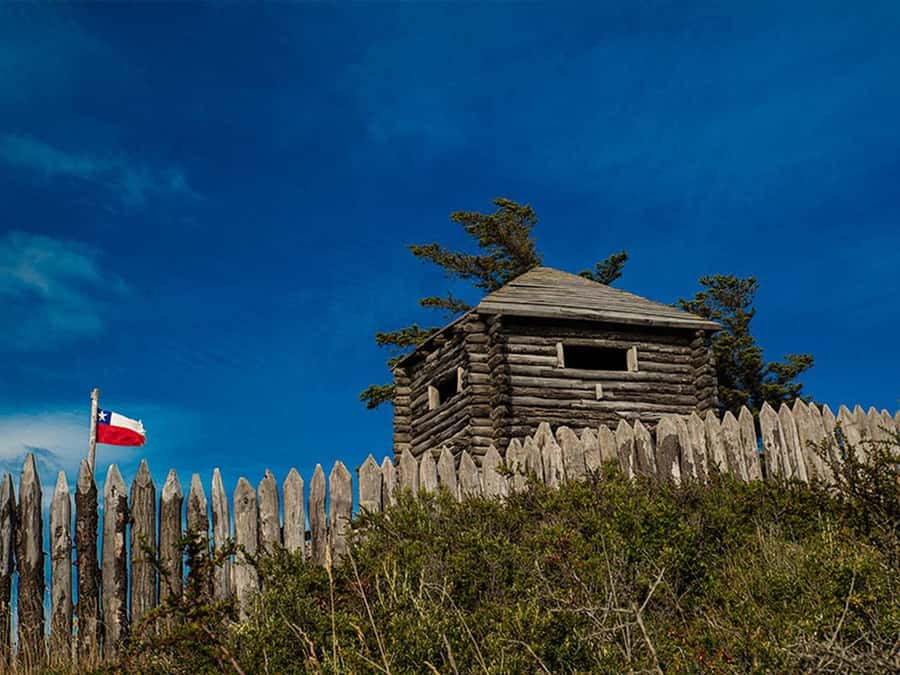
A key early break is the stop at Hito de la Mitad de Chile—a landmark often described as the geographic middle of Chile, spanning from the northern limit of the country to the South Pole.
It’s a short stop, but it does two useful things. First, it gives you a quick, tangible moment to think about Chile’s scale when everything else feels compressed into “a day trip.” Second, it’s an easy win for photos: you get a clear “we’re really here” marker without needing to hike.
If it’s cold (and Punta Arenas often reminds you that winter travels), keep your jacket on and plan for wind. This is the kind of stop where you’ll get better photos by acting like it’s fast—shoot, breathe, move on.
Estrecho Park and the visitor center: turning sights into context
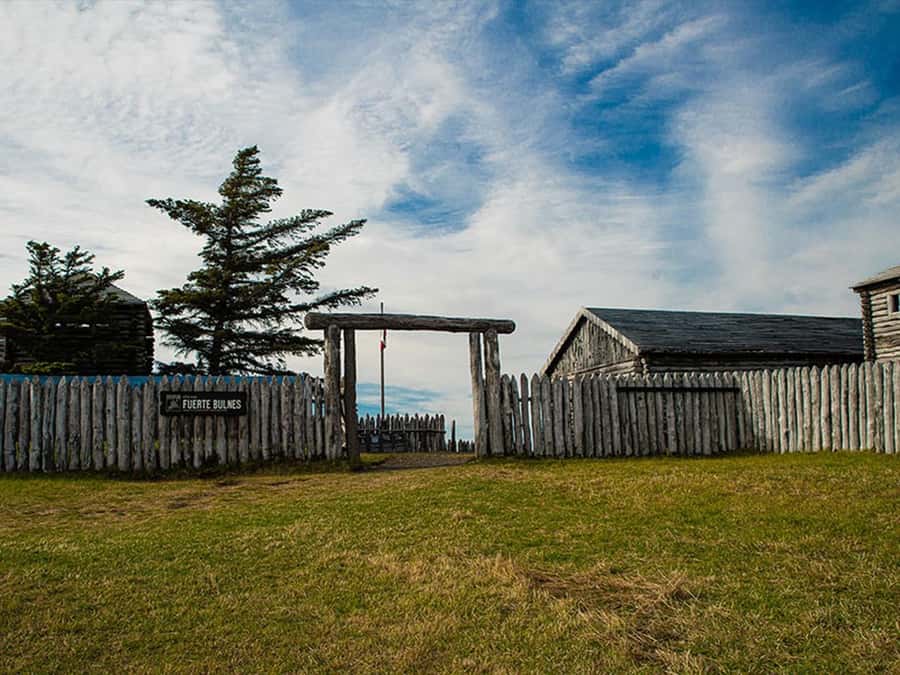
Next you’ll head to Estrecho Park and the visitor center, where the exhibits focus on the human and natural history of the Strait of Magellan. This matters because the fort alone can feel like a set of buildings. The exhibits explain what was at stake beyond the walls: how the environment shapes life here, and how people attempted to survive and operate in a harsh maritime setting.
I like this order. You get the “why” before the “what.” That makes the later lighthouse, church, post office, jail, and stables feel connected instead of random stops on a map.
Also, because the visitor center is indoor or semi-protected compared to outdoor viewpoints, it’s a smart place to catch your breath if the weather turns.
Fort Bulnes reconstruction: what you’re actually walking through
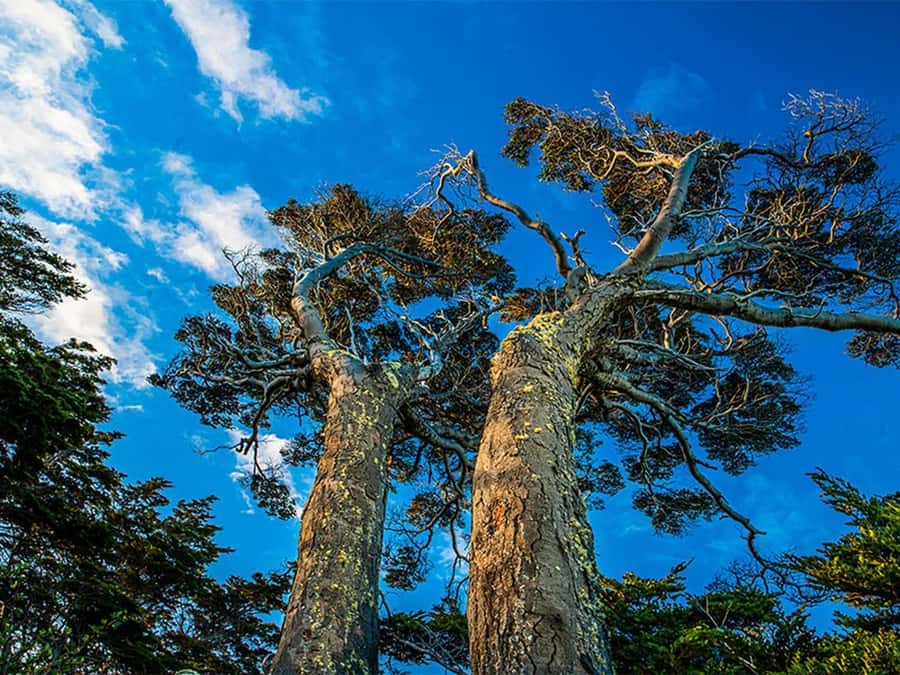
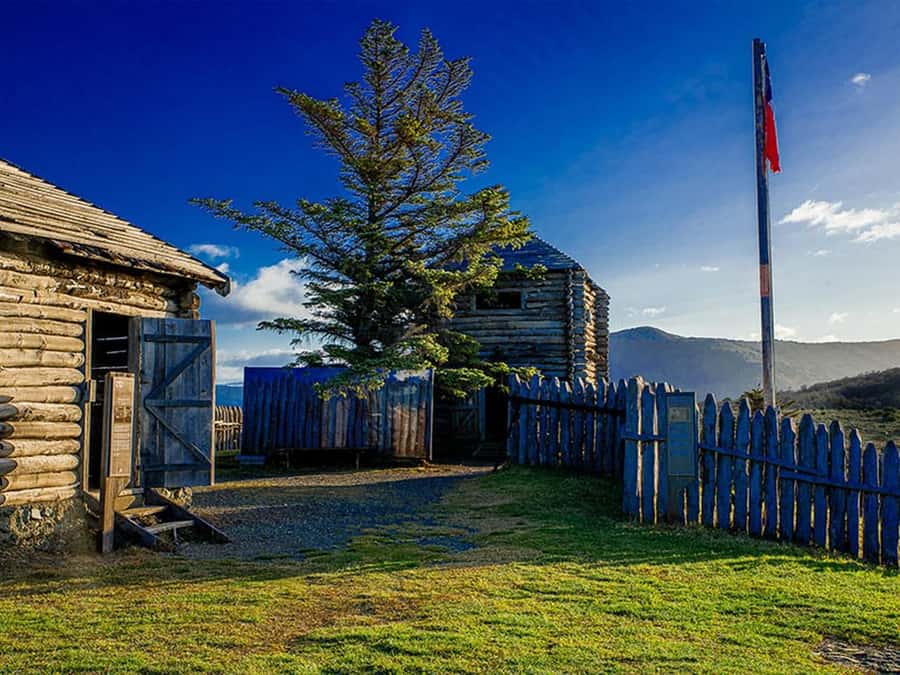
The main event is Fuerte Bulnes, a historical reconstruction of the fort founded in 1843. The idea is to show what the outpost looked like and how it might have operated at the time. Seeing multiple functional buildings helps you understand the settlement’s purpose: it wasn’t just a military perch—it was an organized attempt to manage a frontier outpost.
Here’s what you should watch for as you move around:
- Notice how the site is organized so movement between buildings makes sense.
- Pay attention to the little details your guide points out, because those details are what turn reconstruction into understanding.
- If you’re offered options like a short additional lookout walk, ask early when that choice can fit.
One practical consideration from past experiences is that time can feel tight between “seeing everything” and taking extra viewpoints or walks. If you personally want the most time possible inside the buildings, tell your guide when you arrive at the fort so they can help you prioritize what’s most important to you.
O’Higgins lighthouse, church, post office, jail, and stables
After the visitor center, the tour shifts into the fort sites. You’ll visit the O’Higgins lighthouse and then move through a sequence of places that represent daily functions and community life: a church, a post office, a jail, and stables.
This is one of the strongest parts of the tour because it’s not just scenic. Each stop clues you into a role the fort played:
- The lighthouse connects the story to maritime navigation and the reality of shipping routes in the Strait.
- The church shows that even remote settlements tried to maintain social structure.
- The post office is a reminder that communication was part of survival and administration, not just convenience.
- The jail points to order, rules, and the reality of human systems under stress.
- The stables ground the story in labor and animals—practical work that kept the outpost running.
I find this kind of stop sequence especially valuable if you don’t know much Spanish history going in. You don’t need to memorize dates. You can understand the roles because the buildings themselves do the teaching.
Strait viewpoint: panoramic payoff without the big hike
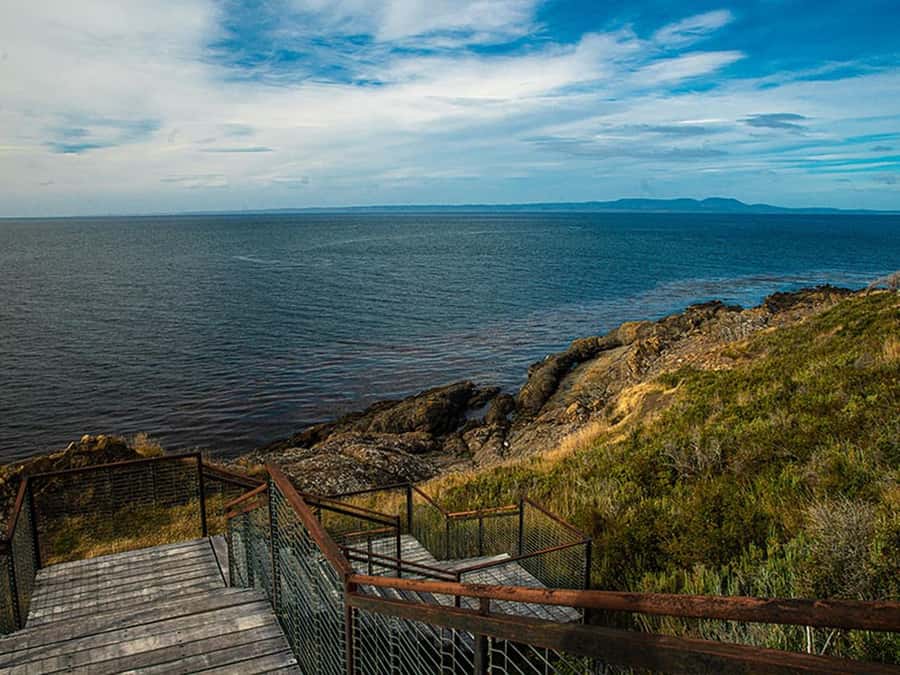
Between the fort buildings and the surrounding stops, you’ll also get time at a Strait viewpoint for broad panoramas. This is where the whole trip clicks.
Standing where you can see the water corridor helps you understand why Fort Bulnes was worth founding. In plain terms: you can’t fully grasp a strategic location from a map. A viewpoint gives you the geometry—where routes run, how the coast looks, and how exposed the area is.
If you want photos, go into this stop with a simple plan:
- Take a wide establishing shot first.
- Then switch to a tighter framing if wind allows steady hands.
- Protect your camera from gusts with a quick cloth wrap or by keeping it close to your body.
This stop is also a good chance to warm up if you’ve been moving around the reconstructed site. But don’t spend so long that you cut into the remaining fort visits. The tour is designed as a chain, and skipping a link reduces the payoff.
Languages, group size, and your guide: what to expect
The tour is offered with a live driver-guide in English and Spanish, and the group is kept small (up to 10 people). In practice, bilingual tours are great when your guide switches between languages to include everyone, but it can also mean your attention moves quickly between explanations and translation.
Two guide names come up in a positive way: Cristofer and Romina. When a guide is able to explain the fort’s purpose clearly—how Manuel Bulnes and Bernardo O’Higgins shaped the reasoning—you tend to get more than a checklist of sites. You get the story behind the sites, which is the real goal of this tour.
If you’re choosing between languages or care about understanding every moment, keep close to the front during explanations so you can catch the main points.
Price and value: is $46 for 4.5 hours a fair deal?
At $46 per person for about 270 minutes, this is the kind of day trip that can be good value if you want guided interpretation more than independent wandering.
You’re paying for:
- round-trip transportation from your accommodation in Punta Arenas,
- a driver-guide with on-the-road commentary,
- and a structured sequence that connects reconstructed buildings, exhibits, viewpoints, and a memorable photo stop.
What’s not included: entrance tickets. The tour description doesn’t list specific ticket costs for each stop, so treat this as a “maybe you’ll pay at the site” situation. If you’re on a tight budget, ask in advance if any of the stops require separate paid entry.
The key value question for you is this: do you want to understand why Fort Bulnes existed? If yes, a guided van tour is often worth it because the context is the expensive part—you don’t want to spend your whole day guessing what you’re looking at.
Who this tour fits best (and who might want a different plan)

This Punta Arenas day trip works best if you want:
- a manageable half-day format (about four and a half hours),
- clear interpretation focused on the Strait of Magellan and Fort Bulnes,
- and a mix of exhibits, fort sites, and viewpoint time.
It’s also a great choice if you like tours with a small-group feel. With a limit of 10, you’ll usually have more chances to ask questions than on large excursions.
If you’re the type who hates time pressure and wants long, slow photo sessions inside every building, you might find the pacing a bit tight. The best fix is simple: ask your guide early how to prioritize what you care about—fort buildings versus extra lookout options.
Practical tips to make the day smoother
Here are a few things that help this tour feel easier from the start:
- Bring warm clothing. This area is cold enough that you’ll feel it when you stop at viewpoints or outdoors around the fort.
- Bring your passport or ID card, since it’s listed as needed.
- Bring some cash, since cash is specifically mentioned.
- If you’re worried about pickup confusion, double-check the pickup details before leaving your lodging. Give yourself extra time to find the right van and operator name on the day.
And one more tip: carry your camera strap and keep gloves ready. Wind + cold + fumbling buttons is how photo time goes sideways.
Should you book the Punta Arenas Fort Bulnes historical tour?
I’d book this tour if you want a guided, structured route that explains Fort Bulnes in context and gives you strong scenery without a long hike. The reconstructed fort + the visitor center exhibits + the Strait viewpoint create a logical story arc, and the lighthouse/church/post office/jail/stables sequence makes the place feel like more than a photo backdrop.
I’d think twice if you’re picky about maximizing walking time inside the site, or if you know you’ll want both extra lookout options and extended building time. In that case, you can still go—you just need to communicate your priorities early so the day matches your pace.
FAQ
How long is the Punta Arenas: Fort Bulnes Historical Tour?
The tour duration is 270 minutes (about four and a half hours).
What’s included in the price?
The tour includes transportation from your accommodation, a driver-guide, and return transportation to Punta Arenas.
Are entrance tickets included?
No. Entrance tickets are not included.
What language is the guide?
The live guide offers English and Spanish.
How big is the group?
The group is small, limited to up to 10 participants.
Do I need to bring identification or cash?
You should bring a passport or ID card and cash, plus warm clothing.