REVIEW · KETCHIKAN
2 Hour Custom Wildlife and Historical Tour
Book on Viator →Operated by Ketchikan Custom Tours · Bookable on Viator
Bears, salmon, and totem poles in two hours. This Ketchikan experience is a custom wildlife and history tour designed for your interests, with built-in stops like the Salmon Ladder and a run out toward Herring Cove for marine-life chances.
I love that it feels genuinely tailored. If you care most about bears or most about local history, your guide works the schedule around your focus, and guides such as Kara, Leon, and Dominic are known for adjusting on the fly to help you see more.
One thing to plan for: wildlife is never a sure thing, and conditions like weather and tides can affect what shows up and how close you’ll get.
In This Review
- Key things I’d bet on
- A custom Ketchikan wildlife and history tour that actually adapts
- Getting there: pickup, a 14-seat van, and what that means for your day
- Stop 1: Ketchikan town time—history you can see, not just read
- Stop 2: Salmon Ladder—where the run turns into a live show
- Stop 3: Herring Cove—your best odds for humpbacks and orcas
- Stop 4: cruise ship docks, totem poles, and last-chance wildlife
- Guides who tailor your route: Kara, Leon, and Dominic in action
- Wildlife expectations: what you can count on (and what you can’t)
- Price and value: where the $100 per person makes sense
- Who this tour fits best (and who should rethink it)
- Should you book this Ketchikan wildlife and history tour?
- FAQ
- How long is the 2-hour custom wildlife and historical tour in Ketchikan?
- Is pickup available?
- How big is the group?
- Are there any stop fees or admissions included?
- What family add-ons are available?
- What are the limits for travelers with mobility concerns?
- What if weather affects the tour?
Key things I’d bet on
- A small group (up to 14) that keeps the experience personal in a cruise-port day
- Truly flexible focus between wildlife and local history, based on what you want most
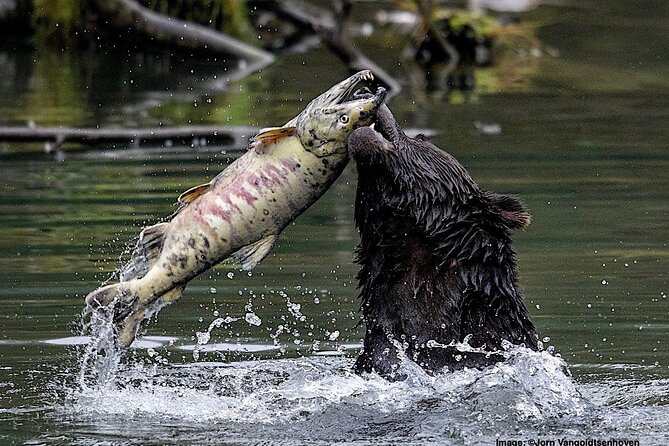
- Salmon Ladder viewing where the salmon run drives the action
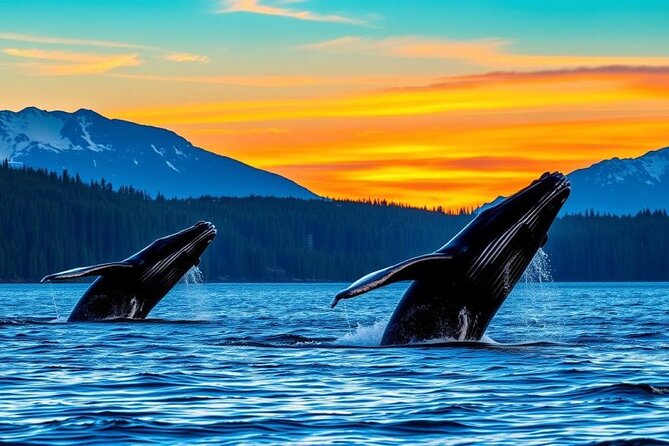
- Herring Cove timing for whales and orcas when the water gives you an opening
- Short, efficient town stops for totem poles and cruise-ship dock area sights
- Guides who hunt for your best odds by matching timing and viewing spots to what’s happening
A custom Ketchikan wildlife and history tour that actually adapts
In Ketchikan, the biggest trick is not the itinerary. It’s the reality that wildlife and weather both have opinions. This tour is built around the idea that your guide should shape the day based on what you care about most, the conditions of the day, and what’s likely to be moving around.
You’ll spend about two hours total, and it works especially well when you have limited cruise time or you want more than a generic bus ride. The small group size (maximum 14) matters here. It’s the difference between always feeling rushed to get in a photo and actually getting a moment to watch behavior unfold.
Also, this is a veteran owned and operated company, which comes through in how the guides communicate and how they prioritize making the most of your time. The tone from guides like Kara, Leon, and Dominic is consistent: practical, friendly, and focused on your goals.
Getting there: pickup, a 14-seat van, and what that means for your day
You ride in an air-conditioned vehicle, which is a relief in the rain-and-wind swings Ketchikan can throw at you. Pickup is offered, so you’re not stuck doing the hardest part of a cruise-port day: figuring out exactly how to meet the tour at the right time without stress.
The tour operates as a small-group experience with a cap of 14 travelers. That’s ideal when you want your guide to keep making decisions rather than following a rigid script. If you’re traveling near public transportation, you’ll have options too, since the tour is listed as being near transit.
One practical caution: the tour is not recommended if you have trouble climbing into or out of a 14 passenger van. Plan around that. Wear footwear that handles wet sidewalks and uneven ground, and you’ll feel more relaxed once you’re in motion.
Stop 1: Ketchikan town time—history you can see, not just read
The day starts in Ketchikan itself, with about 30 minutes dedicated to the town’s history. This isn’t a museum stop with a long wait and a quick walk-by. Instead, you get a guided look at how this island town developed and what the environment shaped over time.
This early grounding is more than entertainment. It helps you connect the dots before you drive out looking for wildlife. When you understand the salmon-driven economy, local traditions, and why certain areas matter, you notice more on the wildlife side of the day—especially around salmon habitat and the places predators hang around.
If your group includes first-timers, this is also a smart setup. You’ll get your bearings fast, learn what to pay attention to, and avoid the feeling of wandering in Ketchikan without a plan.
Stop 2: Salmon Ladder—where the run turns into a live show
Next up is the Salmon Ladder, one of the only visible salmon ladders on the island. When salmon spawn, this is where you can see thousands of salmon trying to swim upstream and spawn eggs.
This is a stop that works whether you’re a hardcore wildlife person or you just want something memorable and distinctly Ketchikan. The salmon ladder isn’t a distant viewpoint where you squint and hope. It’s a front-row experience to the process that powers much of the surrounding ecosystem.
The time here is short (about 10 minutes), so the win is timing and focus. You’ll want to be ready for action the moment you arrive. If you’re bringing a phone for photos, clean your lens first and keep your camera ready—because when the salmon get moving, they don’t pause for your charging cable.
A bonus: this stop is also a great energy reset. Even in consistent rain, people tend to feel like the day’s worth it once they see the salmon run in motion.
Stop 3: Herring Cove—your best odds for humpbacks and orcas
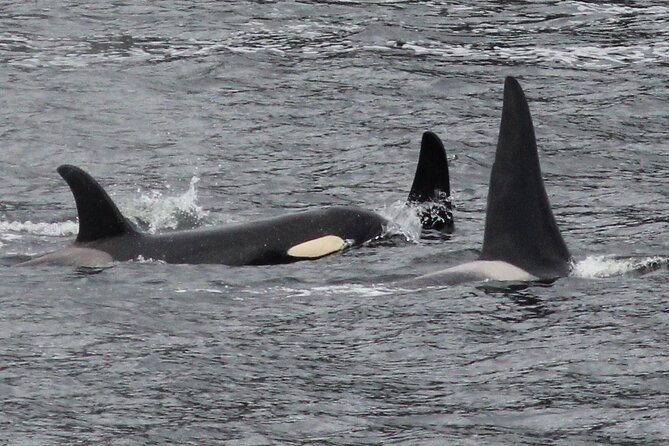
After Ketchikan, you head south toward Herring Cove. This is where the tour leans hard into wildlife viewing, with a chance to see humpback whales or pods of orca depending on what’s happening out on the water.
This stop is listed as around 45 minutes, which is enough time to watch, reposition once if conditions allow, and still keep the day moving. The real value here is that your guide isn’t just driving to a single spot and hoping. They’re adapting the viewing plan to the day’s visibility and where marine activity seems most likely.
What I like about this structure is that it respects how whale watching works. You can’t force it. But you can increase your odds by going at the right time and using local know-how about where to look.
If you want to maximize whale and orca chances, come prepared for wind and rain gear. Even if the vehicle keeps you comfortable, you’ll likely spend time looking outside. A hooded rain jacket, waterproof shoes, and a warm layer are more useful than people think.
Stop 4: cruise ship docks, totem poles, and last-chance wildlife
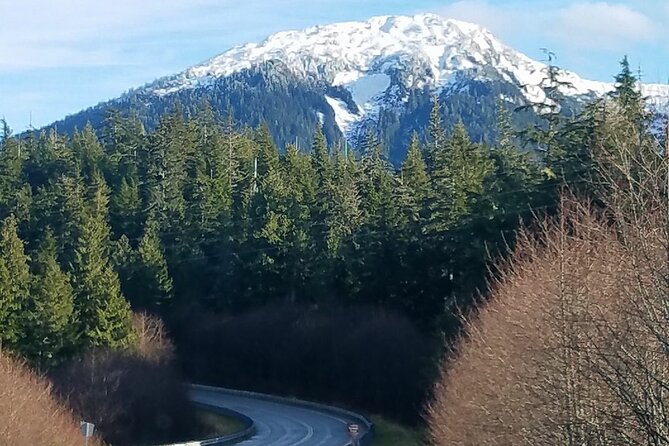
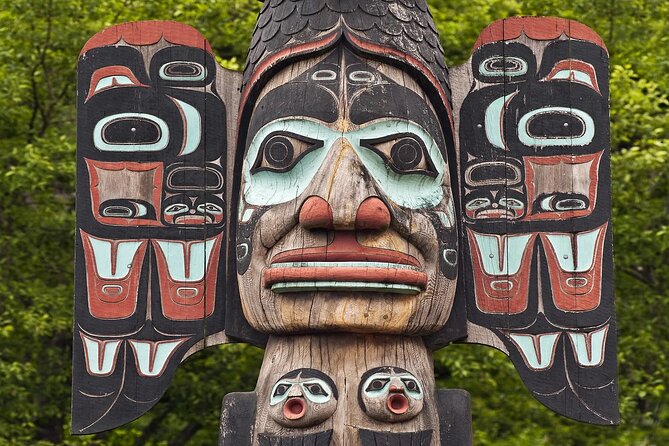
On the way back into Ketchikan, you’ll try to stop near the cruise ship docks area to look for totem poles and any wildlife you can with the remaining time. This part is about smart use of the clock.
Short local stops like this can feel “quick” on paper, but they matter because you’re moving through real locations rather than just ending the day with a generic drop-off. Totem poles here aren’t just decor—they connect back to the cultural history you started learning about earlier in the tour.
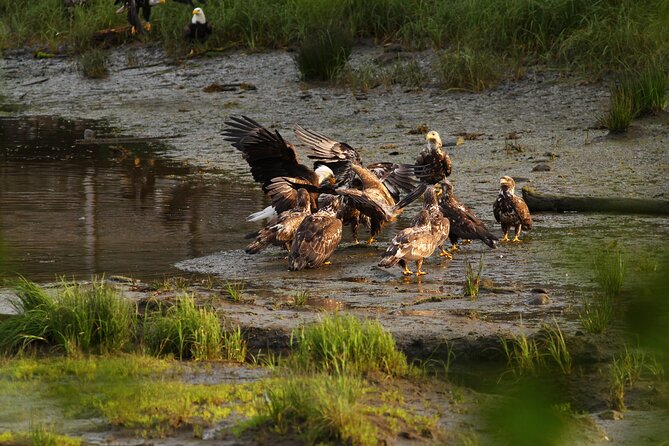
It’s also a good time for smaller wildlife sightings. You might catch eagles soaring overhead, see salmon activity from a different angle, or spot signs of what’s been happening while you were out searching further south.
The key is mindset: treat this as last-chance scanning, not a guarantee. Your guide is doing their best with time remaining and what the day gives them.
Guides who tailor your route: Kara, Leon, and Dominic in action
Where this tour really wins is the way the guide interacts with your priorities. People talk about “tailoring,” but in practice that means your guide asks what you want most and then adjusts the plan.
Guides like Kara are known for customizing based on interests, with a strong focus on wildlife when that’s the goal. Leon comes up a lot in stories for being patient, friendly, and for taking pictures for people—small acts that make a cruise-day tour feel less stressful. Dominic is repeatedly described as putting a lot of work into helping people see wildlife, and even adjusting timing when there’s a better chance earlier in the day.
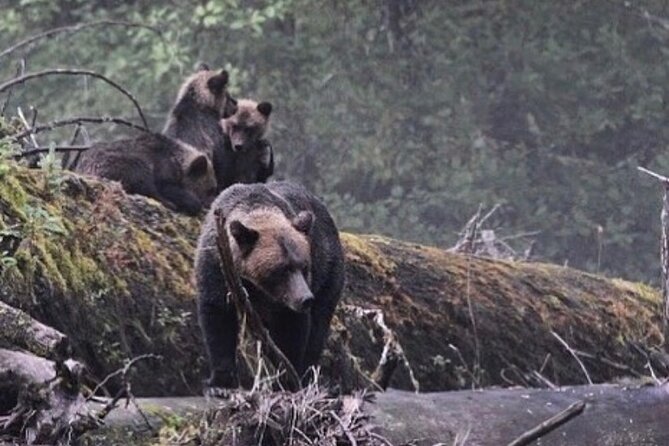
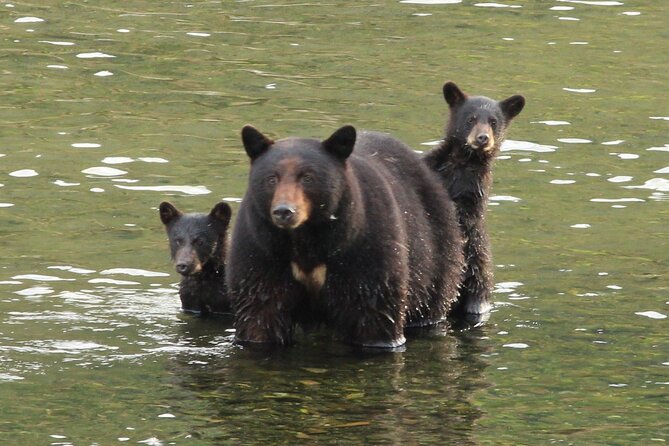
One example that came through clearly in people’s experiences: when the goal is bears, guides may try to go out earlier if that increases odds. That’s not magic—it’s basic wildlife timing. Black bears can be more active earlier, and heat can change their behavior.
Also, the guides tend to explain what they’re looking for as you go. That’s how the trip becomes more than watching from the window. You learn what to notice—water movement, salmon activity, and the kind of habitat where predators and birds show up.
Wildlife expectations: what you can count on (and what you can’t)
You should go in with flexible expectations. Wildlife is out in the open, and it depends on conditions and animal behavior. Even when the guide does everything right, you may or may not see bears that day.
That said, you can count on the day being focused on wildlife and the ecosystem that supports it. The salmon ladder is a reliable anchor, because the run draws attention across the food chain. And at Herring Cove, you’ll be set up for whale and orca chances when the water cooperates.
One thing I’d watch for: heat and comfort. Some local wildlife can change patterns when it’s warmer, and guides may shift efforts accordingly. When you treat the tour as a set of smart opportunities rather than a guaranteed wildlife lottery, it feels a lot better in the moment.
Price and value: where the $100 per person makes sense
At $100 per person for about two hours, this can be an excellent value in Ketchikan when you compare it to how much you’d otherwise pay for a small private tour. What helps the math is that the experience is built around efficiency and customization, not just transportation.
Here’s what you’re paying for that’s easy to overlook:
- Air-conditioned vehicle for the ride in and out of town
- A guide who adjusts to your wildlife or history priorities
- Free admission tickets are listed for the stops included (town/area stops and key viewing points)
So the price isn’t only for “getting from A to B.” It’s for someone managing timing, interpreting what you’re seeing, and steering you toward the best odds within a short cruise-day window.
Two add-ons exist, which matter if you’re traveling with kids:
- Booster seat is available for $20 per person
- Private children’s guide/minding service is $50 per booking
If you don’t need those, the core tour price stays straightforward.
Who this tour fits best (and who should rethink it)
This is a strong choice for wildlife lovers who also want context. You’ll get both: the history of Ketchikan and the natural system that makes salmon runs and bird activity so important. It’s also ideal for cruise travelers who want a small-group outing that doesn’t eat the entire day.
It’s also a solid pick if you like flexibility. When you care about bears, eagles, salmon activity, or marine life, the guide can shift the emphasis based on what’s available.
The main mismatch is accessibility. If climbing into or out of a 14 passenger van is difficult, this tour may not be a good fit. Also, because it’s wildlife-focused, anyone who needs guaranteed sightings should consider a different approach.
Should you book this Ketchikan wildlife and history tour?
If you want a small-group Ketchikan tour that mixes local history with real wildlife viewing opportunities, I’d book it. The combination of custom guiding, focused stops like the Salmon Ladder, and a Herring Cove push for whales makes this feel like a best-use-of-time day.
Book it especially if:
- You care about animals but also want to understand the why behind what you’re seeing
- You’re traveling on a cruise schedule and need a tight, efficient plan
- You like the idea of a guide tailoring the day rather than following a one-size-fits-all route
Skip it if:
- You have trouble with van entry/exit
- You’d be disappointed by the fact that wildlife can’t be guaranteed
FAQ
How long is the 2-hour custom wildlife and historical tour in Ketchikan?
The tour runs about 2 hours (approx.).
Is pickup available?
Pickup is offered.
How big is the group?
The tour has a maximum of 14 travelers.
Are there any stop fees or admissions included?
Admission tickets are listed as free for the included stops.
What family add-ons are available?
A booster seat is available for $20 per person, and a private children’s guide/minding service is available for $50 per booking.
What are the limits for travelers with mobility concerns?
It isn’t recommended if you have trouble climbing into or out of a 14 passenger van. The tour also notes travelers should have a moderate physical fitness level.
What if weather affects the tour?
This experience requires good weather. If it’s canceled due to poor weather, you’ll be offered a different date or a full refund. You can cancel for a full refund up to 24 hours in advance (no refund if you cancel within 24 hours).