REVIEW · NEW ORLEANS
New Orleans African American Heritage Walking Tour
Book on Viator →Operated by Universal Tour Group USA · Bookable on Viator
New Orleans has a way of compressing centuries into a single walk. This African American Heritage Walking Tour connects the forced arrival of Africans to the city’s daily life, with stops at Congo Square (Armstrong Park) and the French Quarter, guided by locals. I love the clear, story-driven pacing and the fact that you’re walking right through the places where culture kept surviving. One thing to keep in mind: a small number of past guests complained about tip pressure from a guide, so go in with a firm idea of what you’re comfortable giving.
The tour runs about 2 hours starting at 4:00 pm from 401 Decatur St, with a max group size of 30. It’s not about museum walls or long lectures. You’ll learn the big arcs—1719 arrivals, later Spanish-era shipments, and how African traditions shaped food, music, religion, and even architecture—while the guide points out what you’d otherwise miss.
In This Review
- Quick Hits: What Makes This Tour Worth Your Evening
- Walking Into New Orleans’ African American Foundations
- Why the 4:00 pm Start Works (And What You Should Bring)
- Stop 1: Congo Square at Armstrong Park, Where Community Took Shape
- What to watch for while you’re there
- Stop 2: The French Quarter, Read With an African American Lens
- A practical note on walking and questions
- What You’ll Learn: Forced Arrival, Enslaved Labor, and Cultural Survival
- Why this educational framing is valuable
- Guides Matter: The Names That Keep Showing Up
- One caution from the darker feedback
- Value for $29: What You’re Paying For
- Who This Tour Fits Best (And Who Might Want a Different Plan)
- Should You Book This African American Heritage Walking Tour?
- FAQ
- How long is the New Orleans African American Heritage Walking Tour?
- What does the tour cost?
- Where does the tour start, and when does it begin?
- Where does the tour end?
- What are the main stops on the tour?
- What’s included in the price?
- Is food or drink included?
Quick Hits: What Makes This Tour Worth Your Evening
- Congo Square at Armstrong Park: the anchor stop tied to enslaved people gathering to trade, dance, and play music
- French Quarter walk with an African American lens: voodoo traditions, Jazz, Creole food, and architecture, all connected to real places
- Small-group feel: up to 30 people, so questions don’t get swallowed
- Guides you’ll actually remember: names that come up often include Keynin, Mika, Meka, and Keenan, praised for passion and for balancing seriousness with conversation
- Mobile ticket: easy check-in, no paper hunt
- Good value at $29: one guide for roughly two hours focused on context you won’t find on a casual stroll
Walking Into New Orleans’ African American Foundations
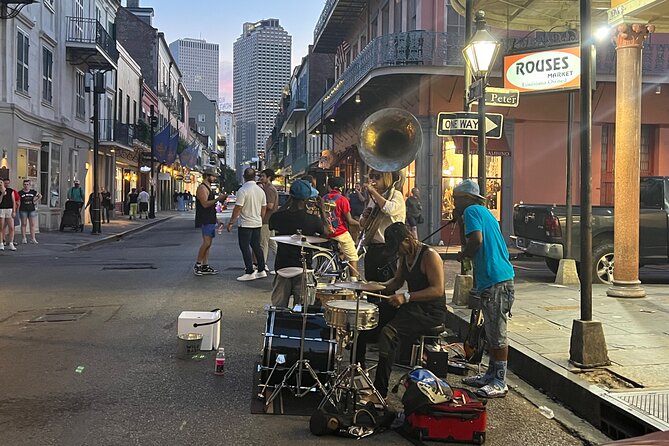
If you only visit New Orleans for the big postcard sights, you can still miss the engine underneath them. This tour is built around one simple idea: the African American story isn’t a side note in the city. It’s part of the street-level origin.
The guide frames how people of African ancestry first arrived in New Orleans in 1719, within a year of the city’s founding, after being forcibly removed from the Senegambia region of West Africa. The story continues through the 1720s, when roughly five thousand Africans survived the Middle Passage to French Louisiana, and later through the 1780s when the Spanish brought a similarly sized group from the Benin and Congo regions. That’s a lot to hold in your head, but the tour keeps it human-scale by linking it to what you can see around you.
I like that this isn’t presented like history dust. You’re shown how enslaved labor helped clear forests, raise crops, and build the infrastructure of colonial New Orleans. Then the tour follows the other half of the story: how African culture persisted and kept shaping food, music, religion, and architecture.
You can also read our reviews of more tours and experiences in New Orleans.

Why the 4:00 pm Start Works (And What You Should Bring)
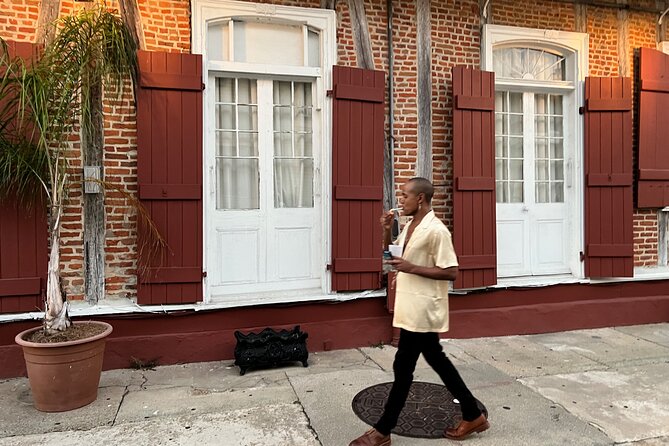
This walk starts at 4:00 pm from 401 Decatur St and ends back at the same meeting point. You’re looking at an approximate 2-hour experience, so you can fit it neatly before dinner or between other French Quarter plans.
The tour is designed for most travelers, and there are service animals allowed. It’s also close to public transportation, which helps if you’re staying somewhere that’s a short ride away. The operator caps the group at 30, which matters on an educational walk. With a bigger crowd, the guide’s details can turn into background noise. Here, it has a better shot at staying interactive.
What should you bring? Comfortable walking shoes. That seems obvious, but it matters more than usual in New Orleans because you’ll be outside and moving for the full span. Also, because food and drink aren’t included, I’d plan to eat on your own before or after, not during.
Stop 1: Congo Square at Armstrong Park, Where Community Took Shape
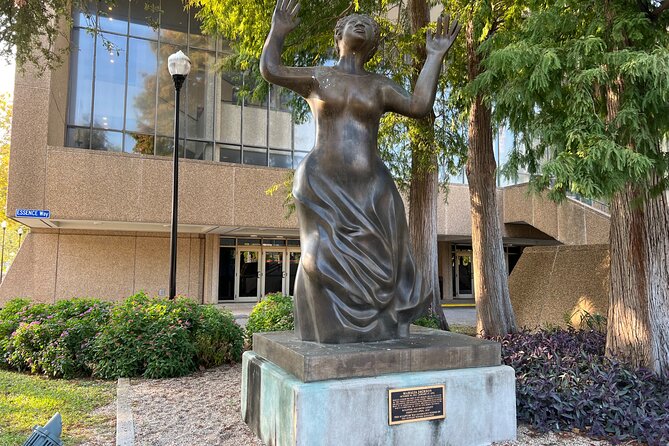
The tour’s first stop is Square Congo, now part of Armstrong Park on the edge of the French Quarter, in Faubourg Treme. This is where the story gets powerful in a practical way: you’re not just hearing about African American culture. You’re learning why this place mattered.
The guide connects Congo Square to gatherings where hundreds of enslaved people and laborers congregated to trade goods, play music, dance, and socialize. That detail shifts the usual “history of slavery” conversation. Yes, the system was brutal. But the people held onto culture, built community, and turned shared space into something they could shape.
You’ll spend about 45 minutes here. That timing is useful. It gives you a real chance to absorb the background without rushing to the next corner. It also helps you notice the kind of “layers” that New Orleans does well: modern park space beside deep historical meaning.
What to watch for while you’re there
I’d keep an eye on how the guide points out the link between cultural survival and daily life. Congo Square isn’t treated as a single event in the past. It’s treated as a living thread. If you ask a question, this is usually the stop where the guide can explain with the most clarity.
Stop 2: The French Quarter, Read With an African American Lens
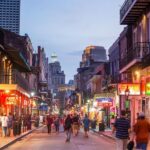
After Congo Square, the tour shifts into the French Quarter with a theme: African American culture and history. This section runs about 1 hour 15 minutes, and it’s where the walk turns into a guided “reading” of the city.
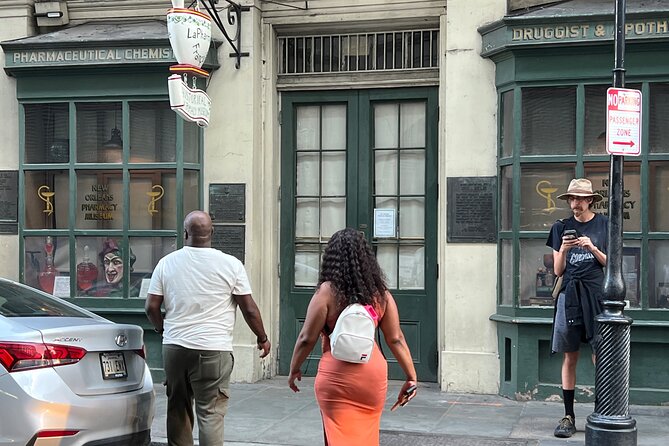
Instead of looking at buildings only for style, the guide connects traditions of voodoo, the roots of Jazz, and Creole food and architecture to the people and pressures that shaped them. That matters because the French Quarter can feel like a stage set if you don’t know what to look for. Here, you get a way to understand what created the setting.
The tour’s structure also helps. You start with a place tied to gathering and culture-making, then you move into a neighborhood where you can spot the aftereffects—how traditions stayed, adapted, and influenced the city’s identity.




A practical note on walking and questions
Because you’re moving for over an hour, think about how you want to use your questions. If you want more detail on a specific tradition—music, religion, food—save one or two questions for this stop. The guide can tie the big picture to what you’re standing near.
What You’ll Learn: Forced Arrival, Enslaved Labor, and Cultural Survival
This tour is not shy about the hard parts. It lays out the timeline of arrivals and shipments: 1719, the Senegambia removals; the 1720s influx after the Middle Passage to French Louisiana; and the 1780s arrivals via Spanish routes from Benin and Congo.
Then it gives you the part that many short tours skip: the link between forced labor and city building. You learn that enslaved Africans cleared forests, raised crops, and built infrastructure. That’s not just background. It helps you understand why the city looks the way it does and why certain communities were essential to keeping it running.
Finally, you get the “survival” half, which is where New Orleans becomes unmistakably itself. African culture persisted and influenced food, music, religion, and architecture. That isn’t offered as vague inspiration. It’s explained as continuity—ideas, rhythms, practices, and community life carried forward even under immense pressure.
Why this educational framing is valuable
On a typical sightseeing walk, you might get facts about who ruled or what got built. This tour does something different. It makes the story center on the people whose labor and cultural systems shaped the city. That changes how you experience everything afterward, even when you’re just grabbing a drink on a corner.
Guides Matter: The Names That Keep Showing Up
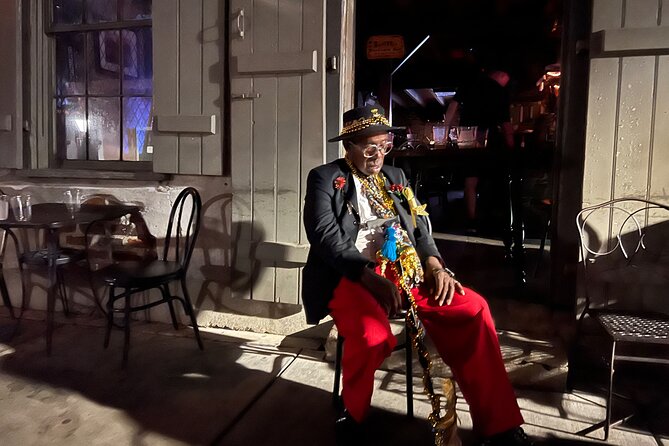
The experience is driven by the tour guide, and that’s where a lot of the strong feedback comes from. A name that comes up repeatedly is Keynin—praised as a New Orleans native with deep passion and a gift for explaining ancestor stories in a way that feels clear and respectful. Guests also mention guides like Mika/Meka and Keenan, described as engaging, friendly, and strong at answering questions.
I also like that the guides seem to handle a fine balance. One guest specifically liked how the guide mixed seriousness and complexity with easy conversation and rapport. Another mentioned learning beyond the French Quarter. That matters because the tour’s value depends on how well the guide can connect history to place without turning it into a lecture you can’t use.
One caution from the darker feedback
There are a couple of critical comments tied to one guide’s tip behavior—one guest felt pressured to tip more and described threats around running the tour. That’s not typical of how most people want an educational walk to feel. If you’re sensitive to that kind of pressure, it’s smart to plan your tip ahead of time and keep your boundary calm and clear.
Value for $29: What You’re Paying For
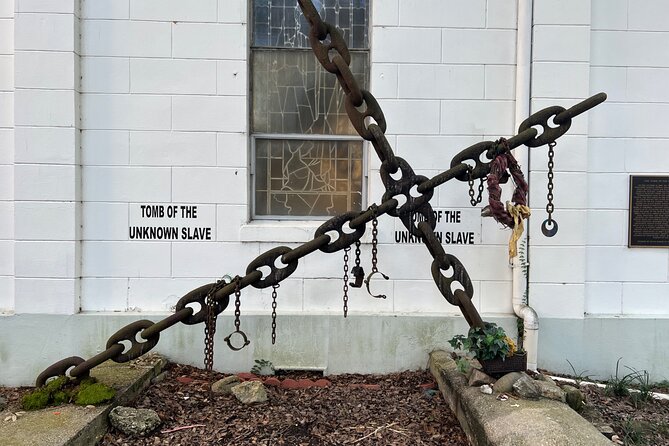
At $29 per person for an approximate 2-hour walking tour, you’re paying mainly for two things: interpretation and access to context. The tour doesn’t include food or drink, and it’s not a long, multi-stop bus day. Instead, it’s a focused route where the guide turns streets into explanations.
You also get a mobile ticket, which keeps the start simple, and the group size is capped at 30, which helps maintain a more personal experience. When people rate experiences like this highly, it’s usually because the guide helps them see what they would have missed walking alone.
Is it the cheapest way to learn New Orleans? No. But it’s also not priced like a private tour. For many visitors, that $29 lands in the sweet spot: enough structure to be meaningful, not so much time or money that it crowds out the rest of your trip.
Who This Tour Fits Best (And Who Might Want a Different Plan)
This is ideal if you want New Orleans culture explained with real historical grounding. If you care about how music, religion, and food connect to African roots—especially through places like Congo Square—this walk will likely click fast.
It also works well for first-time visitors who want a stronger starting point. The French Quarter can swallow you with details. This tour gives you a framework so those details mean something.
If you hate walking or dislike being outside for long stretches, note that the tour is still about two hours, split across two main stops plus transit between them. And if you’re expecting food included, you’ll need to plan around that since food and drink aren’t included.
Should You Book This African American Heritage Walking Tour?
I think you should book it if you want to understand New Orleans beyond scenery—if you want Congo Square explained in context and the French Quarter read through an African American lens. At $29 with a guide driving the whole experience, it’s a fair deal for most people, especially when you’re in the city for only a few days.
Skip it only if you’re mainly in town for quick photo stops and you don’t want history to take center stage for a couple hours. Also, if you’re worried about tip pressure, choose a mindset where you decide your comfort level in advance. That way, the tour can stay focused on the story, not on awkward moments.
FAQ
How long is the New Orleans African American Heritage Walking Tour?
It lasts about 2 hours (approx.).
What does the tour cost?
The price is $29.00 per person.
Where does the tour start, and when does it begin?
The tour starts at 401 Decatur St, New Orleans, LA 70130 at 4:00 pm.
Where does the tour end?
It ends back at the meeting point.
What are the main stops on the tour?
The tour includes Congo Square (now part of Armstrong Park) and a walk through the French Quarter.
What’s included in the price?
A tour guide is included.
Is food or drink included?
No. Food and drink are not included, and tips are not included.