REVIEW · CHIANG RAI
Ancient City Tour from Chiang Rai including Golden Triangle and Royal Villa
Book on Viator →Operated by Sightseeingbangkok.com · Bookable on Viator
Temples, teak, and borders in one long day. This Chiang Rai tour strings together the mountain serenity of Doi Tung with the big-picture view from the Golden Triangle, plus a border stop and an ancient city. It’s a classic northern Thailand circuit that keeps your day organized without you having to stitch together tickets and car rentals.
I especially like how the day is built around stories you can actually see. The Doi Tung Royal Villa is described as being made from recycled pine wood and discarded teak, and the guide focus can turn that into a real lesson on Thai history and the Princess Mother’s legacy. I also like the practical stuff: hotel pickup, an air-conditioned vehicle, a Thai buffet lunch, and bottled water included.
One drawback: the pace is busy, and the tour has extra fees that can catch you off guard. A 300THB surcharge can apply for pickup/drop-off outside the city center, and there’s also an optional 300THB boat ride at Sop Ruak. Add in occasional complaints about late pickups and private pricing feeling shared, and it’s smart to confirm the exact pickup plan before the day starts.
In This Review
- Key things to know before you go
- Doi Tung mountain sites: Royal Villa, garden color, and an old temple
- House of Opium: understanding a dark chapter without getting lost in it
- Golden Triangle and Sop Ruak: where the map turns into a view
- Thai-Burmese border gate at Mae Sai: markets, shopping, and a quick border feel
- Chiang Saen ancient city: double city walls and a revived past
- Price and value: is $487.69 worth it for this route?
- Timing, pickup, and pacing on an 8-hour schedule
- Guide quality can make or break the day
- Who this tour suits best
- Should you book this Chiang Rai ancient city day trip?
- FAQ
- What time does the tour start, and how long is it?
- Is this a private tour?
- Are entrance fees included for the stops?
- Are there any extra fees I should budget for?
- Do I need to bring a passport?
- Can I get a full refund if my plans change?
Key things to know before you go
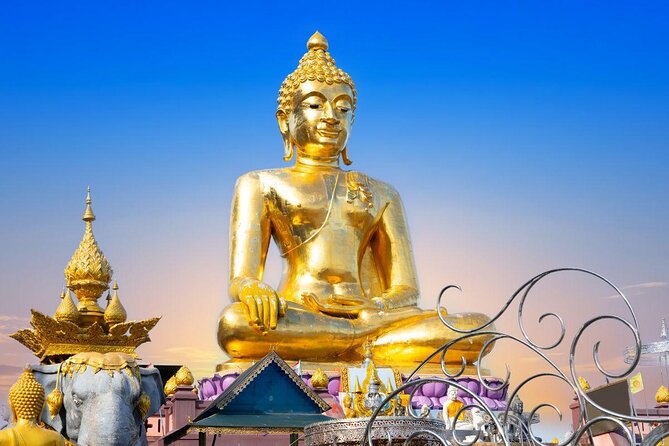
- A full Northern Thailand circuit: Doi Tung temples and gardens, then Golden Triangle sights, then Mae Sai and Chiang Saen.
- Royal Villa materials: the Royal Villa is built from recycled pine and discarded teak, which makes it more than a pretty stop.
- Temple heritage with dates attached: Wat Phra That Doi Tong is tied to legends about Buddha’s left collarbone and is said to date to 911 AD.
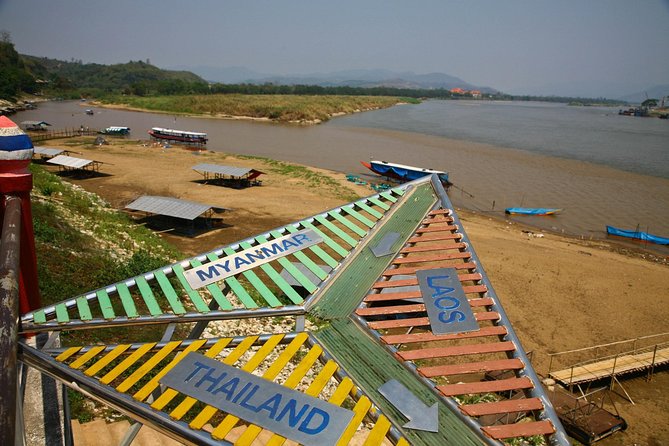
- Mekong confluence views at Sop Ruak: you get the “triangle” perspective where Laos, Myanmar, and Thailand meet at the waterways.
- Optional paid add-on at Sop Ruak: a boat ride is available for an extra 300THB.
- Time stays tight: many stops run about 30 minutes, so bring good shoes and keep your patience switched on.
Doi Tung mountain sites: Royal Villa, garden color, and an old temple
Your day starts at 10:00 am in Chiang Rai, then the vehicle heads up into the mountain area with scenic drives. This is the first shift in pace: you’re moving from town life toward cooler air and outlook points—exactly the kind of change that makes a long day feel like several different trips.
Doi Tung is where the tour focuses on Thai royal connections and carefully maintained grounds. You’ll spend time at Mae Fah Luang Garden, with colorful flowers and tidy paths. Even if you’re not the type to wander slowly, this stop works because it’s short and visual—you can take photos, stretch your legs, and then move on without getting stuck in decision fatigue.
Next comes the Doi Tung Royal Villa. This is the stop that gives the whole trip its “why it matters” angle. The Royal Villa is described as being constructed from recycled pine wood and discarded teak trees. That detail matters because it links architecture to a broader story about resourcefulness and Thai royal patronage in the region. I like how this stop tends to turn the day from sightseeing into understanding.
Then you head farther up for Wat Phra That Doi Tong. This temple is built in 911 AD (as commonly described on tours) and is regarded as one of the oldest and holiest sanctuaries in the area. The story also includes the idea that it was erected from Buddha’s left collarbone—so you’re not just looking at old stone; you’re hearing the reason people treat the site with respect. Expect about an hour here, which is a good window: enough time to look around, notice details, and still not feel rushed to the point of irritation.
What to watch for: temples and sacred spaces are better visited with a calm mindset. The tour’s timing keeps things moving, so if you want slow contemplative time, plan to focus your attention rather than trying to do everything at once.
You can also read our reviews of more tours and experiences in Chiang Rai.
House of Opium: understanding a dark chapter without getting lost in it
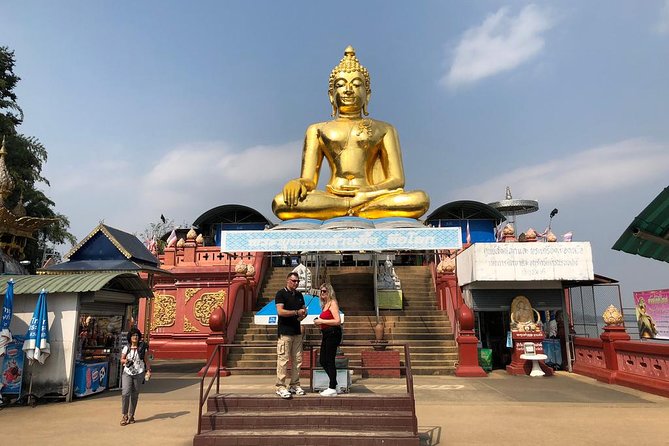
Between the garden-and-villa segment and the bigger-region views, the tour makes a stop at the House of Opium. The hill-tribe village connection is part of the storyline: it’s described as a place once tied to opium cultivation.
What I like about including this stop is that it gives you context for why the Golden Triangle became internationally known. The Golden Triangle isn’t just a scenic “where three countries meet” map dot—it’s also tied to difficult history and economic realities in the borderlands.
The time here is about 30 minutes. That’s enough to absorb the basic message and shift your perspective, but not enough to treat it like a full museum day. If you’re the type who wants deep background reading, you’ll probably want to follow up later with your own research. Still, as a single stop inside a tight itinerary, it does its job.
Golden Triangle and Sop Ruak: where the map turns into a view
After the mountain stops, the day changes again—lower altitude, bigger horizons, and the kind of viewpoint that makes your camera feel like it has a job.
At the Golden Triangle, you’re at the frontier between Laos, Myanmar, and Thailand. The tour frames it as separated by the Mekong River. There’s about 30 minutes here, which is just enough to get oriented, take photos, and understand the geography without spending your whole day sitting in the same spot.
Then you go to Sop Ruak, the center of the Golden Triangle. This is where the “triangle” becomes more than a label. You get magnificent views over the Mae Khong River, and the physical triangle is described as formed by Burma (Myanmar), Laos, and Thailand at the confluence of the Ruak and Mekong rivers.
There’s also an optional boat ride at Sop Ruak. You pay extra 300THB for that viewing angle. I like having the option because it changes the experience: if you’re photo-hungry and want a different perspective, the boat is worth considering. If you’d rather keep costs down and keep your day moving, skip it and use the time for viewpoints and photos.
Practical note: because lunch is coming soon, I’d treat Sop Ruak as both a viewpoint stop and a photo stop. If you save all your photographing for the end, you’ll feel rushed when the boat option and lunch timing start stacking up.
Thai-Burmese border gate at Mae Sai: markets, shopping, and a quick border feel
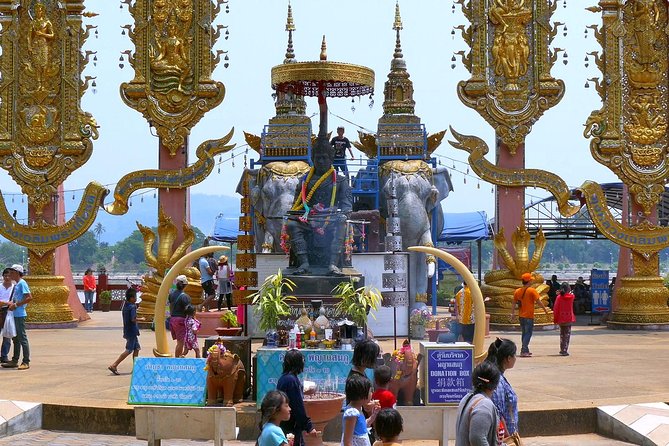
After lunch, the tour heads to the Thai-Burmese border area at Mae Sai. Expect about an hour here. This is a stop with energy: border-town markets and the kind of shopping environment that feels like a snapshot of cross-border trade.
The tour frames Mae Sai as a border town between Thailand and Myanmar, with a big market for shopping. That’s useful to know in advance—this isn’t a quiet viewpoint; it’s a place to walk, browse, and decide quickly what you want to buy (and where). If you love markets, this is your break from temples and river views.
If you’re not into shopping, you can still enjoy the area by focusing on the atmosphere: people watching, quick cultural observations, and using the hour to buy small practical items you’ve been meaning to pick up.
One caution: border areas can be emotionally high-energy and crowded depending on the day. The tour’s included time is fixed, so give yourself a bit of breathing room in your plan rather than expecting a leisurely wander.
Chiang Saen ancient city: double city walls and a revived past
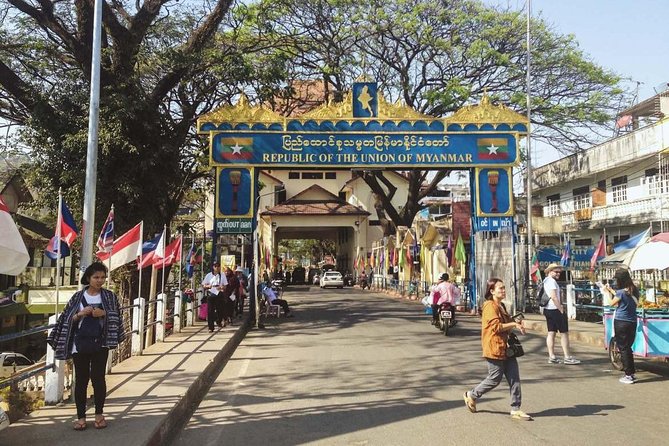
The last major stop is Chiang Saen, an ancient city abandoned for more than 100 years and recently revived. You’ll spend about an hour here.
This is where the tour caps off with “old city” energy. The highlight described is the grand double city walls and antiquities from the city’s history. Even if you only have an hour, double walls are visually dramatic—you can see the defensive thinking in the layout. It also gives your day a satisfying ending because you go from modern border-market life back into the long timeline of the region.
If you’re the kind of traveler who likes maps and mental timelines, Chiang Saen is a helpful final anchor. It ties the mountain sites, border history, and river geography into one theme: this region has been contested, traded, and culturally layered for a long time.
Price and value: is $487.69 worth it for this route?
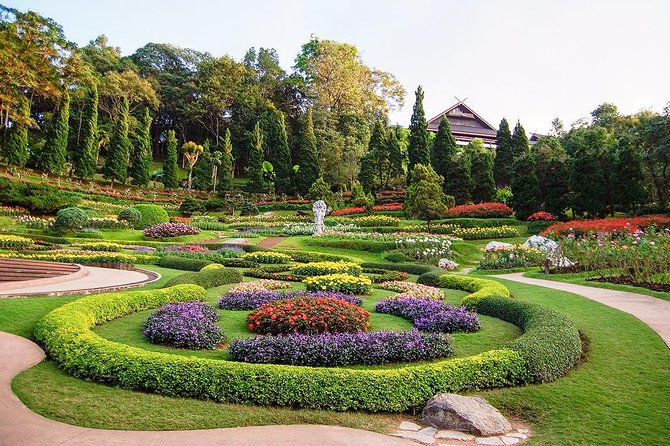
At $487.69 per person for an 8-hour private tour, you’re paying for two things: the driver/vehicle coverage across multiple districts and a guide to keep the history and geography connected.
Here’s what’s included: a professional guide, Thai lunch, bottled water, hotel pickup and drop-off for selected hotels, and an air-conditioned vehicle. Many of the listed admission tickets are marked as free for the stops included in the schedule, which helps the day feel less like an expense treadmill.
So where does the value come from? The big value is efficiency. You’re stacking Doi Tung sites, the Golden Triangle viewpoints, Mae Sai, and Chiang Saen into one structured day. If you tried to do this yourself with local transport, you’d likely spend more time on logistics and more money on separate rides.
Where you should be cautious is the add-on cost. There’s a 300THB surcharge for pickup/drop-off outside the city center (outside a 3-mile / 5 km radius). And Sop Ruak has a possible extra 300THB boat ride. Put those into your mental budget, and the price feels more honest.
Also consider the pacing. Because so many stops are around 30 minutes, this is a “see a lot” day. If you’re looking for unhurried wandering and long museum time, this route can feel compressed.
Timing, pickup, and pacing on an 8-hour schedule
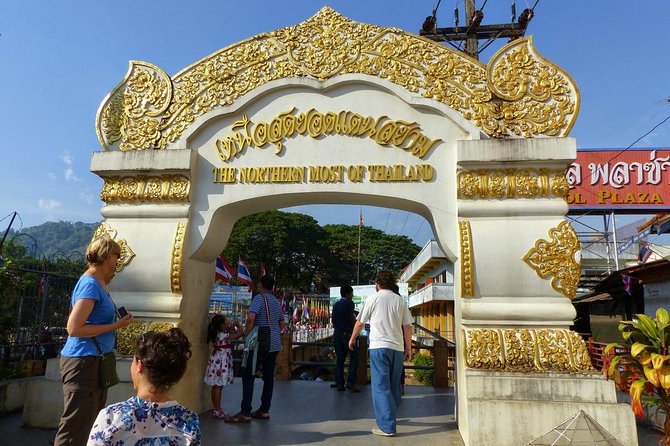
The tour starts at 10:00 am and runs about 8 hours, with a return drop-off to your hotel at the end. That’s a long block, but the schedule is designed to keep momentum—short stops at several sites, longer attention at the big-ticket areas like the temple and the ancient city.
Comfort matters here because your feet will get used. The tour asks you to wear comfortable walking shoes, and that’s good advice for a day mixing gardens, temple areas, viewpoints, and an ancient-city walk.
Pickup notes: there’s hotel pickup offered, but the surcharge can apply outside the city center. Also, one of the real-world concerns from prior experiences is that guides can be late if they’re waiting on other guests at different hotels. If your plans are tight (late lunch reservation, airport transfer, another tour later), build in buffer time and reconfirm the pickup window the day before.
Guide quality can make or break the day
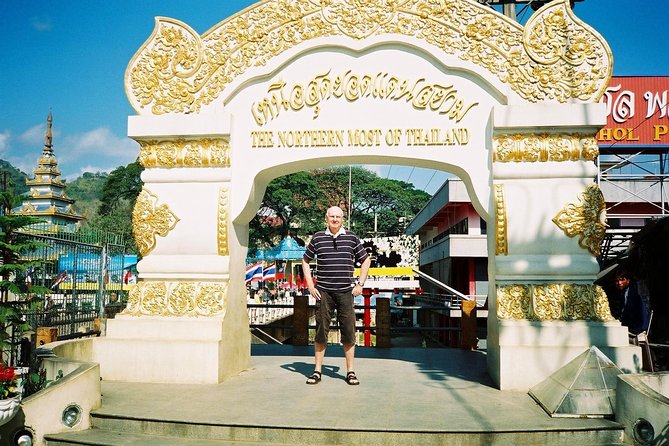
When a tour guide can connect Thai culture, geography, and history, this route clicks fast. Several guides have been highlighted for turning the day into a story you can remember.
For example, Bankis has been described as gracious, friendly, and able to make a solo traveler feel like they were experiencing everything alongside him. Another named guide, Gap, was praised for good English and for sharing insight at the stops. In both cases, the pattern is the same: the guide explains what you’re seeing and why it matters, so you don’t just collect photos.
If you end up with a guide who’s good at linking the sites—Doi Tung’s royal context to the region’s broader border story—your day will feel smoother and more meaningful. If the guide is rushed or distracted, the itinerary can feel like a checklist.
Who this tour suits best
This tour fits best if you want a lot of variety in one day and you like having a plan. It’s a strong match for:
- First-time visitors to Chiang Rai who want the Golden Triangle and must-see mountain sites without stress
- Travelers who enjoy history tied to real places—royal villa, old temple, and ancient city walls
- Photo-minded visitors who want multiple view angles in one outing
It might feel less ideal if you’re hoping for:
- A relaxed, slow travel day with lots of free time
- Very deep study at any one stop (the schedule is tight by design)
Should you book this Chiang Rai ancient city day trip?
If you want an efficient, story-driven day that connects mountains, temples, royal architecture, Mekong geography, and border culture, this tour is a solid choice. The included lunch and bottled water, plus the strong lineup of stops, makes it easier to justify the price.
I’d book it if you can accept a busy schedule and you’re comfortable paying small extras like the pickup surcharge outside the city center and the optional Sop Ruak boat ride. I’d be extra careful before paying if you need absolute punctuality, since there have been complaints about delays and about private pricing feeling more like shared arrangements. A quick confirmation message to lock in your pickup details is time well spent.
If your priority is seeing the highlights in one clean route, with a guide who can explain the big picture, this tour has the right ingredients.
FAQ
What time does the tour start, and how long is it?
The tour starts at 10:00 am and runs for about 8 hours.
Is this a private tour?
Yes. It’s described as a private tour/activity where only your group participates.
Are entrance fees included for the stops?
The listed admissions for the stops in the schedule are marked as free.
Are there any extra fees I should budget for?
Yes. There’s a 300THB surcharge for hotel pickup/drop-off outside the city center (outside 3 miles / 5 km). There’s also an optional 300THB fee for a boat ride at Sop Ruak.
Do I need to bring a passport?
Yes. You should bring a valid passport on the day of travel.
Can I get a full refund if my plans change?
You can cancel for a full refund up to 24 hours before the experience starts. If you cancel less than 24 hours before the start time, the amount paid is not refunded.