REVIEW · CARTAGENA SPAIN
Ancient Rome gastronomic experience – wine tasting
Book on GetYourGuide →Operated by Mediterranean Unique Experience · Bookable on GetYourGuide
Roman wine in Cartagena feels like time travel. This 2.5-hour Roman gastronomic experience pairs a guided look at Roman remains with a research-based tasting at Cartago Mundi. You’ll also get the fun option to wear a Roman costume and browse a shop stuffed with cultural souvenirs.
I especially like two things: the stop at the real Casa de la Fortuna (a guided Roman-house visit), and the way the tasting is built from Roman High Imperial period food and drink ideas. One guide name that pops up in the experience is Christina, praised for being engaging and keeping the mood light while still teaching you what you’re seeing and sipping.
One possible drawback: the timing is tight. In 2.5 hours you get a focused walk-through and a tasting (two Roman wines plus a snack), not a long, sit-down wine course. Also, even though you can go alcohol-free, you’ll want to flag your preference ahead so you get the swap you want.
In This Review
- Key highlights you’ll feel right away
- Casa de la Fortuna: your Roman house primer
- The Roman science behind the wine and food recreations
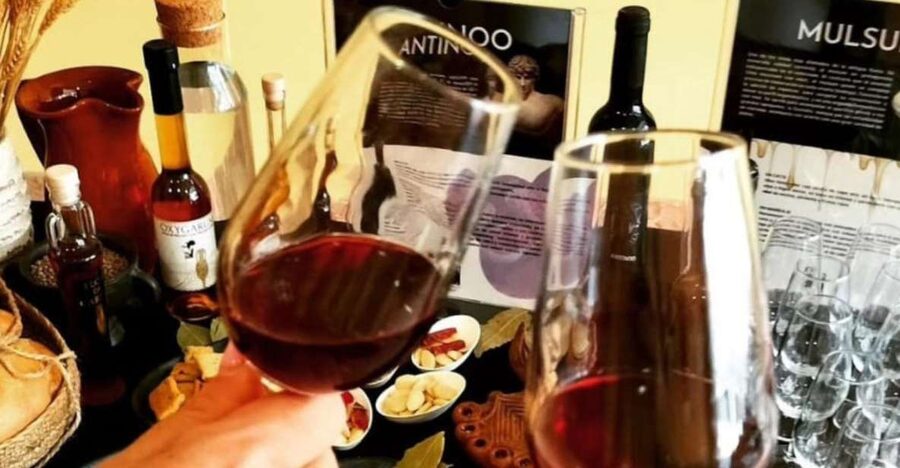
- Cartago Mundi: two Roman wines and a Roman-style snack
- Roman costumes, souvenirs, and the shop near the port
- Price and value: what $93 buys you in Murcia
- Timing, guides, and pacing in 2.5 hours
- Who this Roman wine tasting suits best
- Should you book this Roman gastronomic experience?
- FAQ
- How long is the Ancient Rome gastronomic wine tasting experience?
- What’s included in the tasting?
- Do you offer non-alcoholic options?
- What places do we visit during the tour?
- What languages are available?
- Where do we meet, and can I change my plans?
Key highlights you’ll feel right away
- Casa de la Fortuna in Cartagena: a guided look at Roman remains for context before you taste
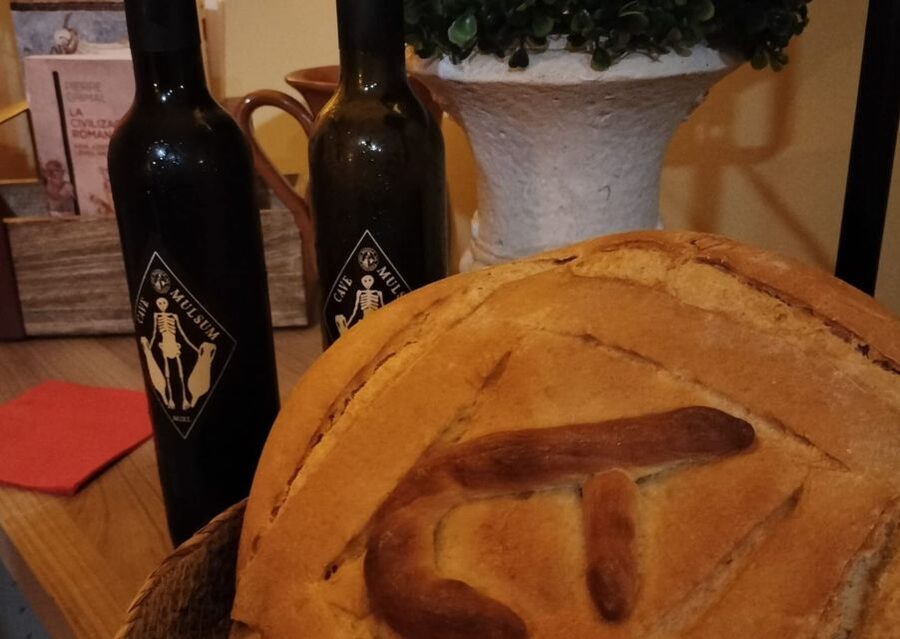
- Recreated Roman wines and foods based on studies of archaeological remains
- Two Roman wines + Roman-style snack during a one-hour tasting session
- Non-alcohol choices like alcohol-free beer, soft drinks, mosto, and even martini options
- Cartago Mundi: tasting happens in a cultural space and museum shop near the port
- Roman costumes so you can turn the stop into real photo memory
Casa de la Fortuna: your Roman house primer
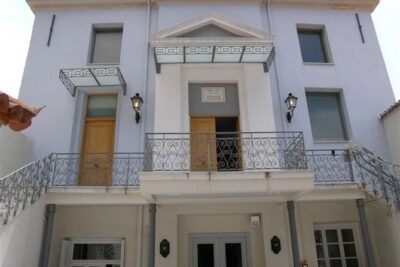
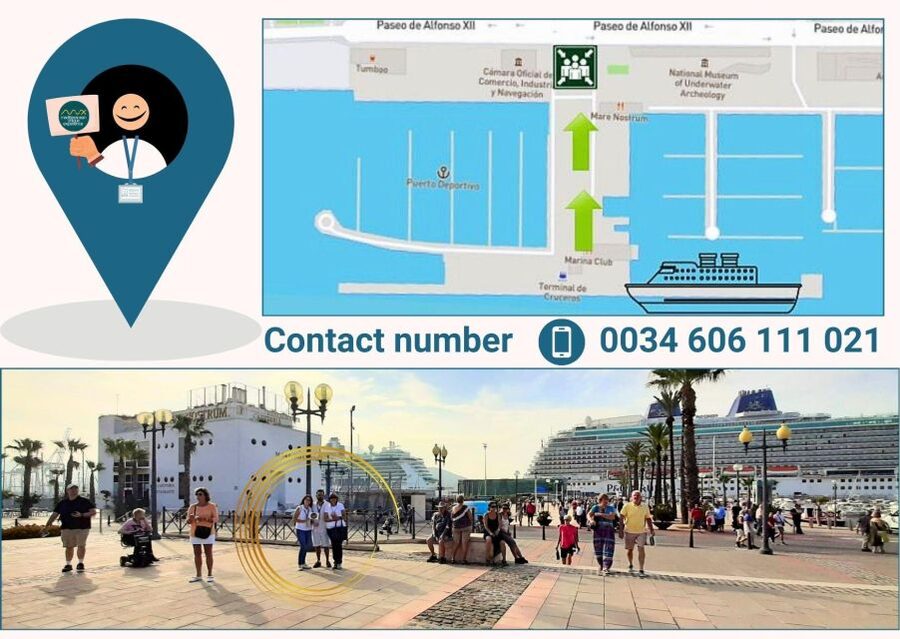
This experience starts where “Roman Cartagena” stops being a concept and becomes a setting. You meet at Mare Nostrum, then head to Casa de la Fortuna for a guided visit of about 30 minutes. You’re not just walking past old stones. You get a structured tour that helps you understand what you’re looking at, so the place lands in your brain instead of slipping by.
Casa de la Fortuna is the kind of site that rewards attention. Even without turning it into a lecture, you’ll likely notice how a Roman home was organized and how daily life shows up in details like layout and room function. The tour format matters here. You’ll be guided through the space instead of wandering, and that makes the Roman material feel usable—like you can connect it to what you’ll eat and drink later.
There’s also a simple practical benefit: this early stop gives you the right mood. If you start with the wine first, you can end up tasting without a frame. Starting at the Roman house helps you understand that what you’re tasting has a “why.” It’s not just flavored novelty. It’s a recreation tied to how people ate and drank in the Roman world.
One tip: wear comfortable shoes. Even if the time on your feet is not extreme, you’ll get more out of it with less foot fatigue. And if you’re into photos, go into the house stop ready to look first, shoot second—because the best angles usually come after you understand what you’re aiming at.
You can also read our reviews of more tours and experiences in Cartagena Spain.

The Roman science behind the wine and food recreations
Here’s what makes this tasting different from a standard “Roman-themed” pour: the wines and foods are recreated using studies of remains found in excavations, including work by Spanish universities. That means the tasting isn’t trying to guess wildly. It’s trying to translate archaeological clues into something you can actually taste.
What you’re tasting is described as Roman Imperium wine and Roman High Imperial period recipes, recreated in the modern world. In plain terms, you’re getting a guided experiment: how might Roman-style ingredients and techniques show up on your palate?
This matters for two reasons.
First, it turns the experience from costume-party history into something you can reason through. Even if you can’t identify every flavor note, you can still notice texture, balance, and how the wine pairs with the accompanying food. You’re learning by tasting, which is often easier than trying to read a textbook after the fact.
Second, it sets expectations. These wines are not trying to be a familiar bottle from a modern winery catalog. If you’re the type who wants predictable flavors, you might need a minute to adjust. But if you like the idea of food history you can taste, this is exactly the point.
Keep an open mind and take the tasting as a story told through ingredients. Ask the guide what the recreation is based on if that question fits your style. If you enjoy learning through conversation, this is where you’ll get the most value.
Cartago Mundi: two Roman wines and a Roman-style snack
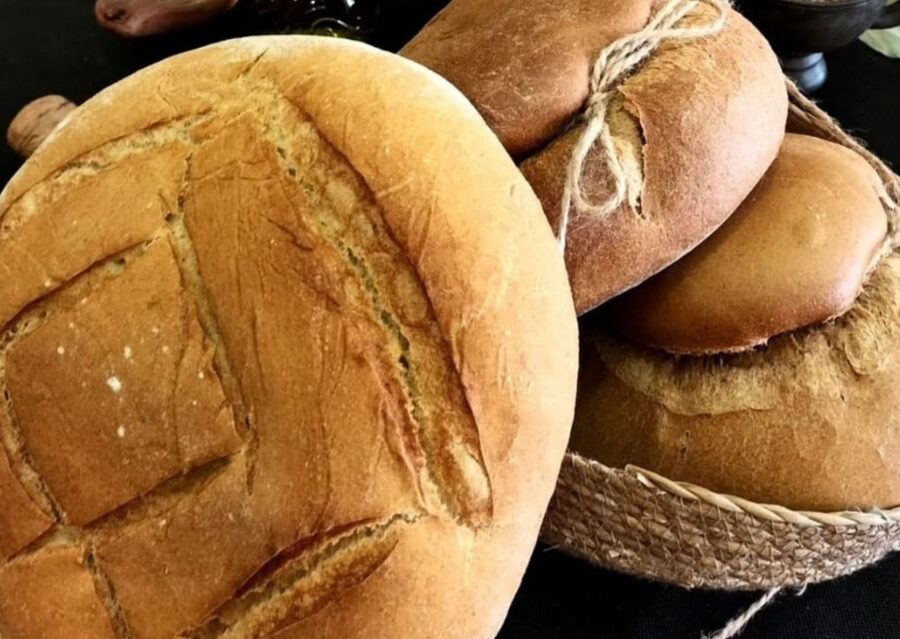
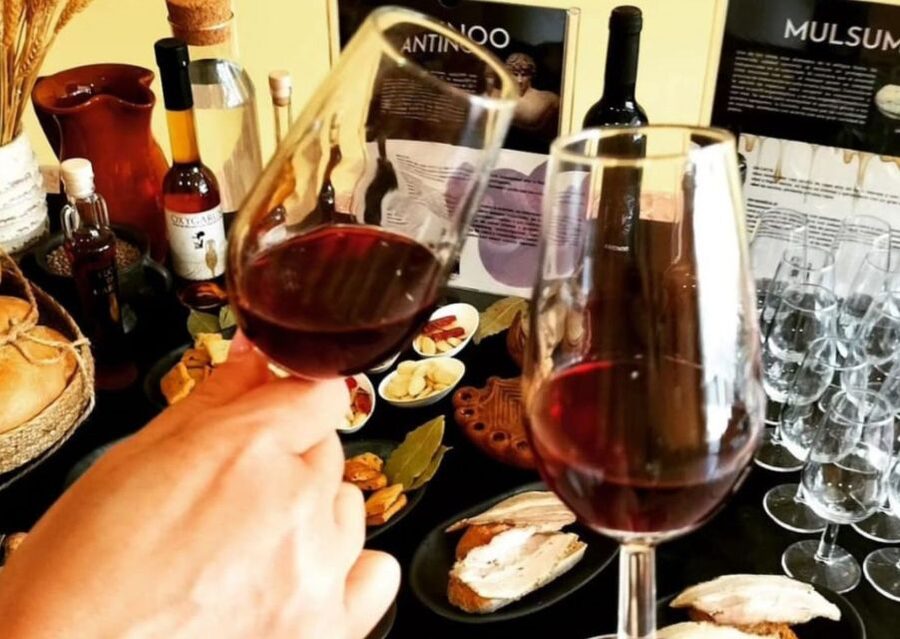
After the Casa de la Fortuna visit, the tour moves into the main tasting moment at Cartago Mundi. This portion runs about one hour and includes a wine tasting plus a food tasting.
You’ll enjoy two Roman wines along with a snack built with Roman-era techniques and recipes from the Roman High Imperial period. The setting is also part of the value: Cartago Mundi is described as a cultural space and museum store in the historic center, very close to the port. That location helps the experience feel grounded. You’re tasting while still in the orbit of Cartagena’s old-city atmosphere, not in a random industrial tasting room.
From a pairing standpoint, the design makes sense. You start to pick up how a Roman-style wine might work with the types of foods recreated for this tasting. The goal isn’t to get you drunk; it’s to get you to taste “as the Roman meal experience” rather than as two separate activities.
If you’re planning around alcohol, good news: the experience explicitly offers alternatives. For people who don’t drink alcohol, there are options like martini, beer (alcohol-free), soft drinks, and mosto. There’s also advice to let the team know about special diets in advance, so you’re not stuck improvising once you arrive.
One practical note: because this is a tasting with a few consumables, pace yourself. Even if you’re excited, you’ll enjoy the walk-around and shopping part more if you’re comfortable—especially since the full tour loops back to the starting area at the end.
Roman costumes, souvenirs, and the shop near the port
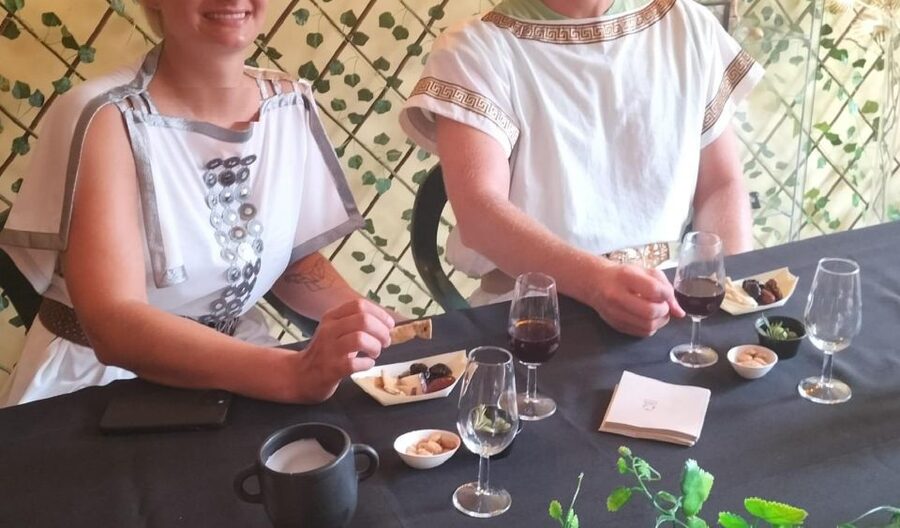
The tasting at Cartago Mundi doesn’t end at the table. You also get the chance to dress up in Roman costumes—the kind of activity that sounds silly until you do it and realize it’s a memory machine. It’s also a good way to break the “history is just facts” mood and make the experience playful.
And then there’s the shop side. Cartago Mundi is a place where you can buy historical, cultural, and artisanal products. If you care about souvenirs that feel tied to place (not generic magnets), this is a strong stop.
Why this helps you as a traveler: you get two kinds of value in one place. You get the tasting and learning, but you also leave with something you chose while your Roman mood was fresh. That tends to produce better souvenir picks—stuff you’ll actually remember later.
If you’re trying to budget, decide ahead of time if you’ll shop right after the tasting or if you’ll browse slowly first. The costumes are likely to make you want to buy photos or related items on the spot, so a quick plan can keep spending from getting messy.
Price and value: what $93 buys you in Murcia
At $93 per person for a 2.5-hour experience, you’re paying for more than wine. You’re buying a guided Roman-house visit plus a curated tasting with two recreated Roman wines and a Roman-style snack, plus time at Cartago Mundi where you can dress up and browse for souvenirs.
Is it “cheap”? No. But it’s also not just a quick drinking stop. The value comes from the combo: Roman remains first, then a tasting that’s described as science-based and recipe-based. That pairing is what you can’t easily replicate on your own unless you’re willing to do the research and arrange everything.
So who gets the best value?
- You like wine and food, and you enjoy learning through tasting.
- You want something more story-driven than a basic museum visit.
- You’re short on time but still want a Roman-centered experience in Cartagena.
Who might feel the cost more keenly?
- If your main interest is “see ruins” only, the tasting will feel like an added layer.
- If you want a long, slow wine session, the time is limited by design. You get a taste and a story, not an extended pour-fest.
For me, the pricing feels most reasonable if you treat it like a guided Roman food-and-wine lesson that happens to include real Roman surroundings—not like a casual bar hang.
Timing, guides, and pacing in 2.5 hours
The itinerary is built around momentum, not waiting around. Expect about 30 minutes at Casa de la Fortuna, followed by roughly one hour in the tasting portion at Cartago Mundi. The rest of the time goes to getting oriented and moving between points.
That pacing is a plus if you’re the kind of traveler who likes clear structure. You won’t feel lost, and you won’t spend the whole experience standing in line wondering what happens next. It also fits well into a day in Cartagena when you want something memorable without eating your entire afternoon.
Language options are English and Spanish with a live guide. The meeting instructions are specific: guides wear a white polo/jacket with the Mediterranean Unique Experience logo (wave design) and a blue lanyard. If you’re meeting on your own, that visual detail helps you get going fast.
One more pacing tip: keep your phone battery ready for the costume segment, but don’t let photos slow you down during the explanation parts. The explanations are what turn a cute photo into a meaningful memory.
Also worth noting: the experience lists wheelchair access and a unisex bathroom, so you can plan around comfort with less stress. If accessibility is a priority for you, it’s still smart to arrive a little early so you’re not rushing into the first stop.
Who this Roman wine tasting suits best
This is a strong match for:
- Food-and-wine people who like to understand what they’re tasting
- Travelers who enjoy Roman sites but want a bite-sized, guided “then eat” experience
- Couples and small groups who want something different from the typical old-city walk
It’s also a good choice if you’re curious about the “how” of history. The fact that the tasting is based on study of remains and university research means you’ll likely enjoy the logic behind the flavor choices.
If you’re the type who hates the smell of alcohol or avoids it completely, you can still enjoy this. Non-drinker options are explicitly available, including alcohol-free beer, soft drinks, mosto, and even martini. Just be proactive and tell the team about what you need before the tasting starts so you don’t end up with less satisfying substitutes.
Should you book this Roman gastronomic experience?
Yes, I’d book it if you want a Roman experience that mixes real remains with research-based food and wine, not just a theme and a camera stop. The best reason to say yes is the structure: you get context at Casa de la Fortuna, then you get a focused tasting at Cartago Mundi, and you leave with the option to turn it into a souvenir hunt.
I’d pass or reconsider if you’re only here for a long wine session or you dislike guided, structured tours. The tour is short by necessity. Two wines and a snack won’t satisfy someone who’s looking for a deep wine seminar.
If you decide to go, do one simple thing: tell the guide your preferences upfront, especially around alcohol and any dietary needs. It makes the whole experience smoother and increases the chance you’ll enjoy every part of the tasting.
FAQ
How long is the Ancient Rome gastronomic wine tasting experience?
It lasts about 2.5 hours.
What’s included in the tasting?
You’ll enjoy two Roman wines and a snack made with Roman-era techniques and recipes from the Roman High Imperial period, served during the wine and food tasting at Cartago Mundi.
Do you offer non-alcoholic options?
Yes. If you don’t drink alcohol, there are alternatives such as martini, alcohol-free beer, soft drinks, and mosto.
What places do we visit during the tour?
You visit Casa de la Fortuna (guided visit) and then Cartago Mundi, where the tasting takes place. The tour starts and ends at Mare Nostrum.
What languages are available?
The live tour guide offers English and Spanish.
Where do we meet, and can I change my plans?
You meet at Mare Nostrum. Guides wear a white polo/jacket with the Mediterranean Unique Experience logo (wave) and a blue lanyard. You can cancel up to 24 hours in advance for a full refund, and you can reserve now and pay later.