REVIEW · BOGOTA
Candelaria Unveiled: Cool-tural Heritage Walking Tour
Book on GetYourGuide →Operated by Timeless Journeys · Bookable on GetYourGuide
Bogotá’s colonial heart is walkable. This La Candelaria tour strings together the story of the city, from the 1538 founding spot to the colonial streets you can still feel in your legs. I love the way it pulls apart colonial architecture with clear explanations, and I also love that you leave with practical local recommendations for where to eat and what to do next.
You’ll start at the Monumento a Policarpa Salavarrieta and keep moving for about 150 minutes, hitting markets, squares, churches, and museum time. One consideration: on rare occasions, a booking can go wrong—at least one past experience reported a guide no-show—so it’s smart to double-check day-of communication and be ready to wait a few minutes at the meeting point.
In This Review
- Key Things I’d Plan Around
- Why This La Candelaria Walking Story Makes Sense
- Price and Value: What You Get for $16
- Start at Policarpa Salavarrieta: The Tour’s “Why”
- La Concordia Market: Crafts, Food Culture, and Local Rhythm
- Callejón del Embudo and Chorro de Quevedo: Street Shapes With a Past
- Teatro Colón and the Political Backdrop Around San Carlos
- Iglesia San Ignacio and Casa de La Pola: Faith and Freedom
- Plaza de Bolívar: Bogotá’s Heart, With Big Institutions Surrounding
- Manzana Cultural and the Botero Museum Finale
- The Guide Matters: Sharik and Jorge Set a Strong Tone
- What to Bring for 150 Minutes in La Candelaria
- Who This Tour Fits Best (and Who Should Rethink)
- Should You Book Candelaria Unveiled?
- FAQ
- What is the duration of the Candelaria Unveiled walking tour?
- Where do we meet for the tour?
- How much does the tour cost?
- What languages is the live tour guide offered in?
- What’s included in the price?
- What attractions are part of the tour route?
- Is the tour wheelchair accessible?
- What is the cancellation policy?
- Is there a pay-later option?
Key Things I’d Plan Around
- A tight 150-minute route that covers both landmark Bogotá and the surrounding cultural cluster
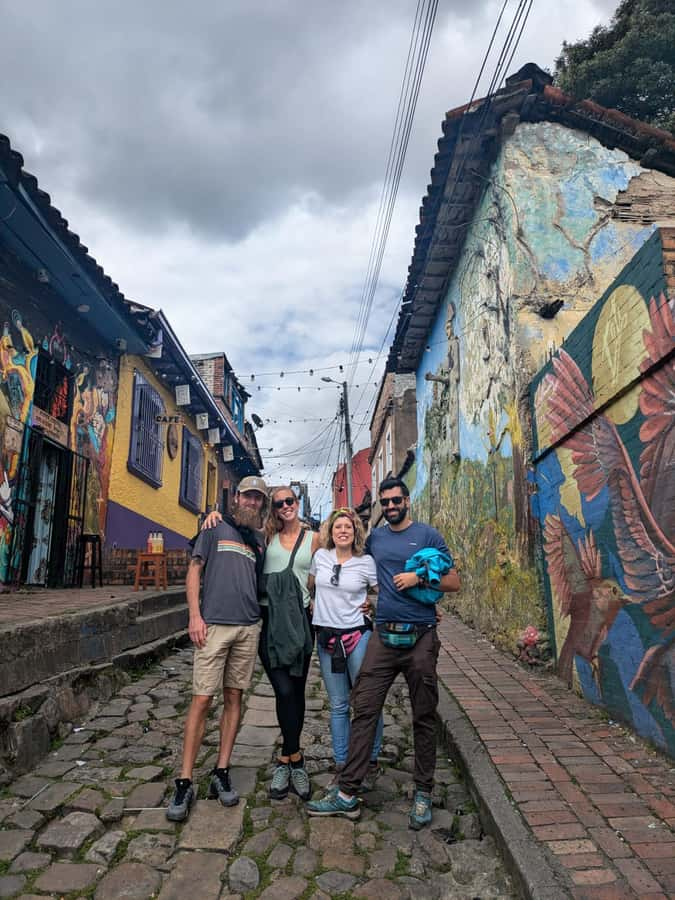
- Colonial street details at places like Callejón del Embudo and Chorro de Quevedo
- The freedom story of Policarpa Salavarrieta, tied directly to key stops
- Art stop at Museo Botero at the end, so you finish with something fun and visual
- English and Spanish live guiding, so you’re not stuck with hand-wavy explanations
- Local tips for restaurants and night life, so you can actually use what you learn
Why This La Candelaria Walking Story Makes Sense
La Candelaria is the Bogotá neighborhood most people mean when they say colonial. The trick is that it can feel like a maze if you walk alone. This tour solves that with a guided “why this place matters” route, built around historical moments and recognizable architecture.
What I like about the format is the blend: history and art are clearly linked instead of treated like separate boxes. You’ll hear the story behind founding-era geography, then shift to political buildings around Plaza de Bolívar, then land at museum time. That pacing keeps the visit from turning into a long lecture.
Also, the tour is short enough—150 minutes—that it works even if you’ve only got a limited window in Bogotá. You’re not committing your whole day, but you still get a solid cross-section of what makes this part of the city feel distinct.
You can also read our reviews of more tours and experiences in Bogota.
Price and Value: What You Get for $16
At $16 per person, this is one of those “good deal” walking tours that’s more than just scenery. You get an expert guide, plus entrance to some museums and churches (not all attractions are listed with admissions, but the tour is designed to include those types of stops).
Here’s how I think about value: you’re paying for two things that are hard to replicate solo. First is interpretation—someone walking you through why a street shape or a building’s past matters. Second is routing—so you don’t waste time guessing what to see next in La Candelaria.
If you already planned to visit the Botero Museum area anyway, finishing at the museum makes the price feel even more reasonable. If you’re not planning museum time, the tour still gives you multiple anchor stops that do a lot of heavy lifting.
Start at Policarpa Salavarrieta: The Tour’s “Why”
You meet in front of the Monumento a Policarpa Salavarrieta. That matters because Policarpa isn’t a random name on a plaque. She’s one of the best-known figures tied to Colombia’s liberation campaign, and the tour’s tone follows that thread.
From the first minutes, you’ll get a sense that this is not just a walking tour of old buildings. It’s a story tour. You’ll connect that opening with later stops like Casa de La Pola, described as Policarpa Salavarrieta’s residence. Even if you’re not a history buff, the guide’s job is to translate what you’re seeing into a coherent timeline—so you leave with the feeling that the city has logic.
Practical tip: show up a few minutes early. The meeting point is specific, and with a walk this compact, you don’t want to be late to the start.
La Concordia Market: Crafts, Food Culture, and Local Rhythm
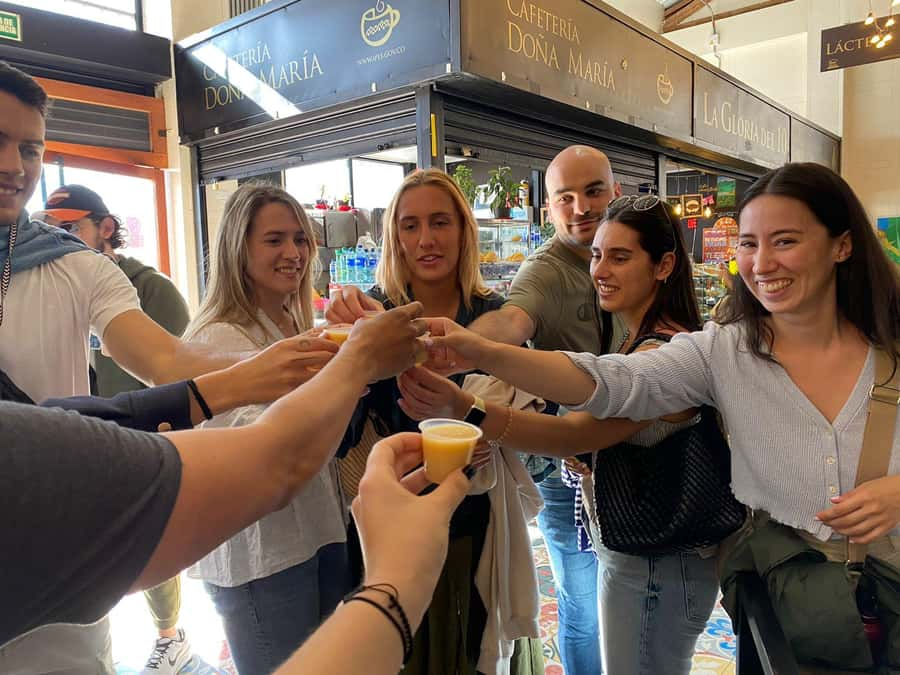
One stop is the La Concordia Market area, with a guided visit that includes the farmer’s market and craft shops around the Plazoleta de la Concordia.
This is where you get a different kind of “history,” the everyday kind. Colonial La Candelaria can be about stones and stories, but markets remind you that the neighborhood also lives in the present tense. It’s a place to slow down, look closely, and ask questions—especially if you want souvenirs that feel connected to Colombian daily life rather than mass-produced tourist goods.
Even if you don’t buy anything, you’ll likely come away with better instincts: what local crafts look like, what stalls feel most worth lingering at, and how people navigate the area on normal days.
Callejón del Embudo and Chorro de Quevedo: Street Shapes With a Past
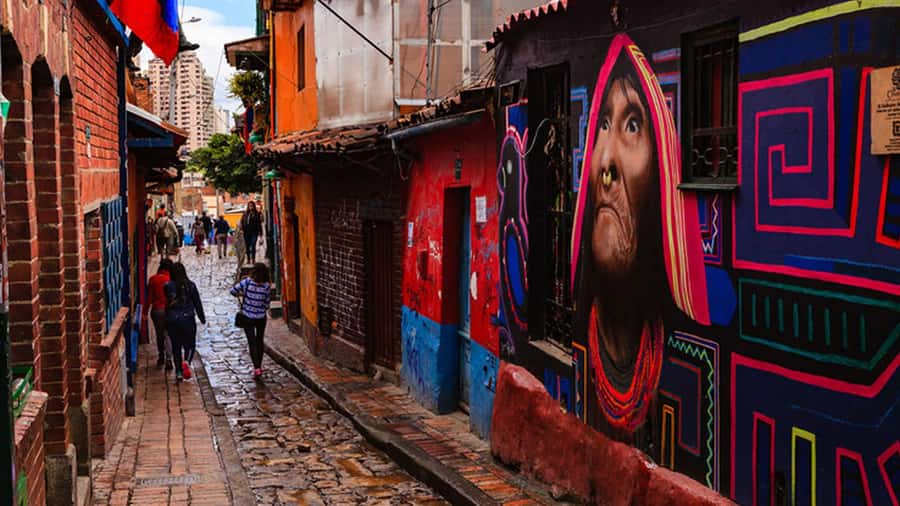
Two of the most memorable stops are Callejón del Embudo and Chorro de Quevedo.
Callejón del Embudo is a cobblestone street shaped like a funnel. You’ll learn that it used to be the edge of the ancient Quebrada de San Bruno. That’s the kind of detail you miss when you walk past an old street without context. The guide helps you read the city’s “before” landscape, where natural features shaped the built environment—and the street still carries that physical hint.
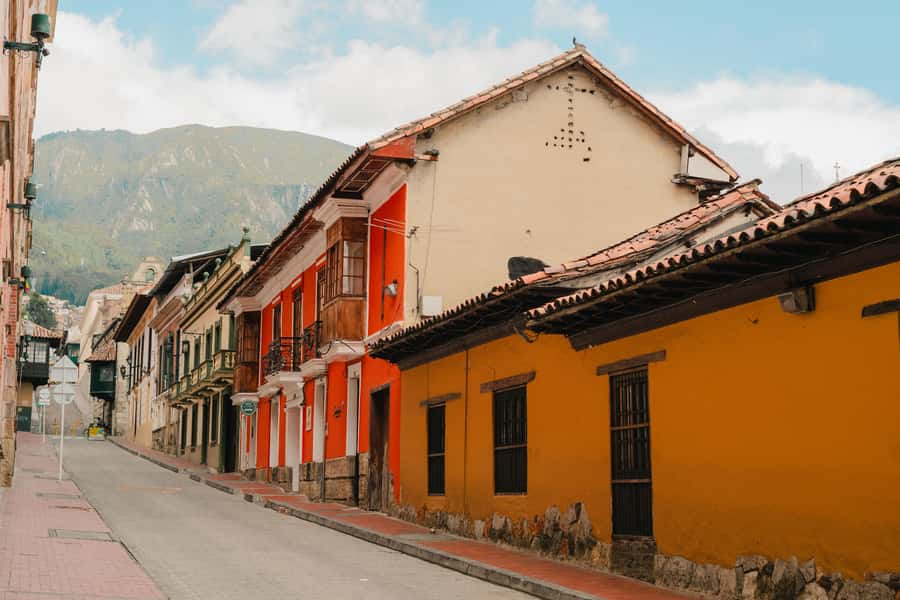
Then you move to Chorro de Quevedo, described as the place where Bogotá was founded in 1538 by Spanish conquistador Gonzalo Jiménez de Quesada. This is one of those stops where the guide’s narration turns a normal-looking area into a historic anchor point. You’ll get a sense of what it means for a city to grow around a founding geography—and how that founding story still echoes through the layout.
If you like facts you can actually picture, this section is a win. If you’re sensitive to uneven cobblestones, wear shoes with grip.
Teatro Colón and the Political Backdrop Around San Carlos
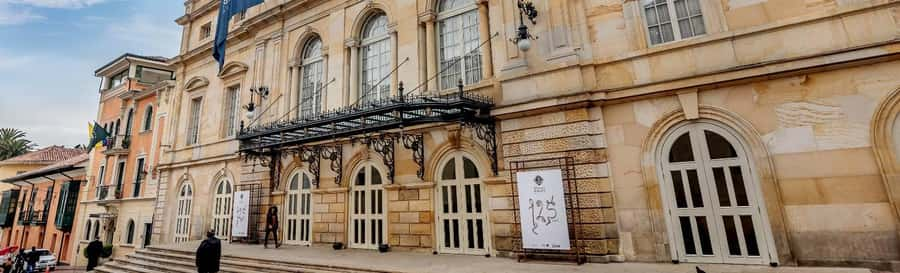
The itinerary includes Teatro Colón, guided as part of the neighborhood’s cultural architecture.
Even if you don’t go inside, this kind of stop works because it forces you to connect art spaces to the city’s identity. The guide’s job is to show how theaters and cultural buildings sit inside broader social history, not just as landmarks for photos.
It also includes Palacio San Carlos, described as the former official residence of the President of Colombia. Pair that with what you’ll see later at Plaza de Bolívar, and you start to understand the area as a power center as well as a cultural one. Old Bogotá isn’t only romantic—it’s political.
Iglesia San Ignacio and Casa de La Pola: Faith and Freedom
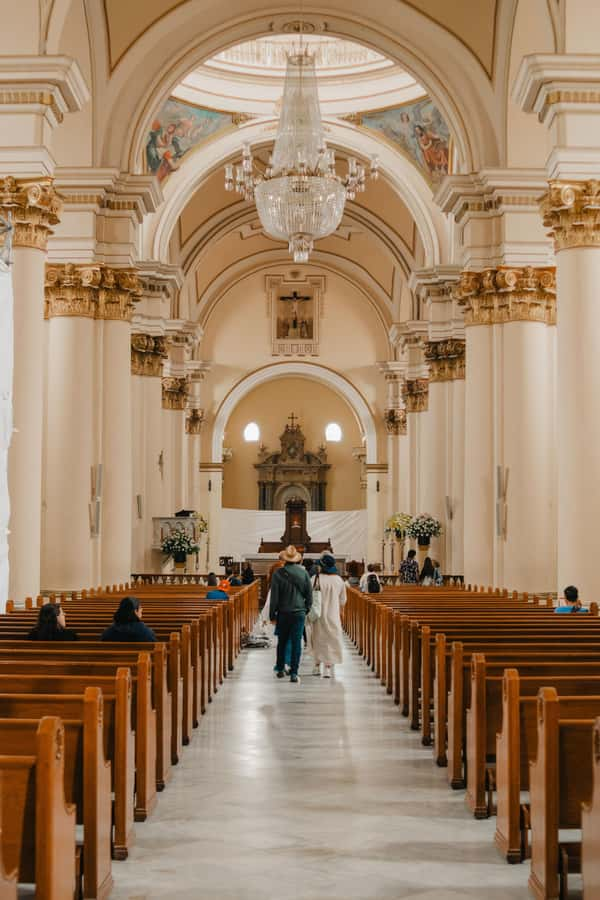
You’ll visit Iglesia San Ignacio, a Catholic religious temple built in the 17th century. A church stop like this can go two ways: either it becomes a quick stop or it becomes a “wait, look at that” moment. With a good guide, you get context—how age, architecture, and location work together in a city like Bogotá.
Then there’s Casa de La Pola, tied to Policarpa Salavarrieta. This is where the tour’s liberation theme becomes physical. You’re not just hearing a story; you’re relating it to a location the guide frames as part of her life.
If you want a tour that keeps Colombian identity at the center, not just random sightseeing, these two stops are key.
Plaza de Bolívar: Bogotá’s Heart, With Big Institutions Surrounding
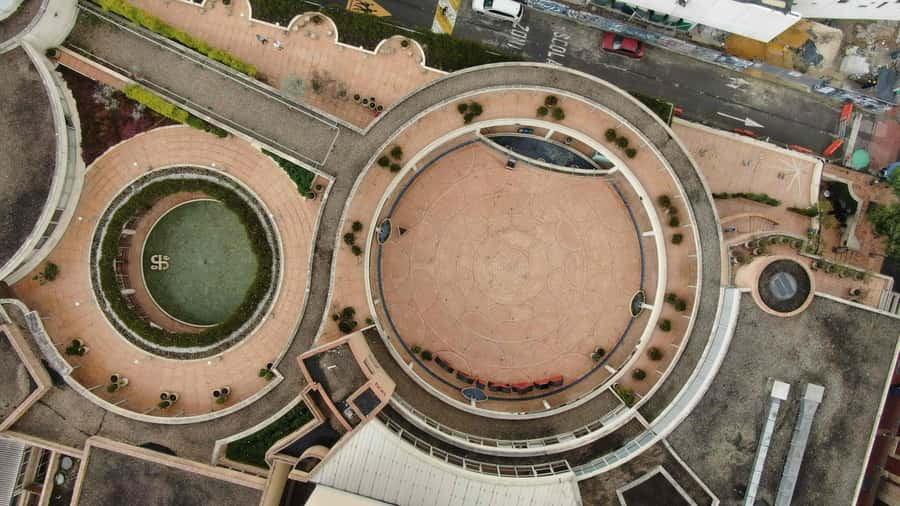
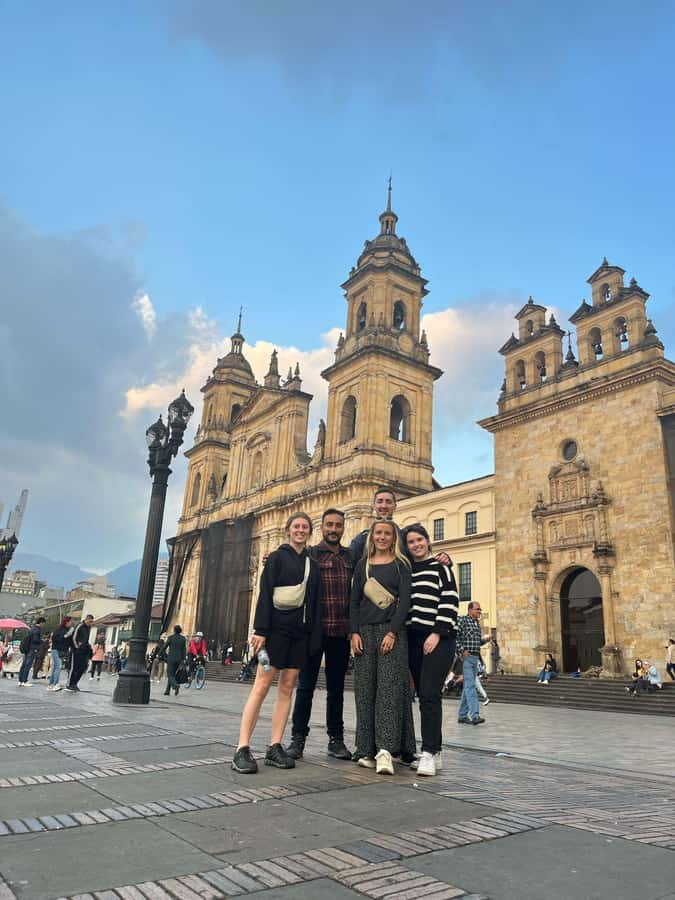
Plaza de Bolívar is presented as the heart of Bogotá, and the tour makes that clear by pointing out the buildings around it, including the Palace of Justice and the National Capitol.
This square is a strong “big picture” moment. Streets before it tend to be detailed and local; Plaza de Bolívar is where the scale shifts. The guide helps you understand why this place functions as the city’s civic center—how the architecture signals authority, and why the square keeps showing up in Colombia’s public life.
It’s a good stop to pause, look around, and let the city click. Even if you’re tired, Plaza de Bolívar is one of those places where sitting for a moment feels productive.
Manzana Cultural and the Botero Museum Finale
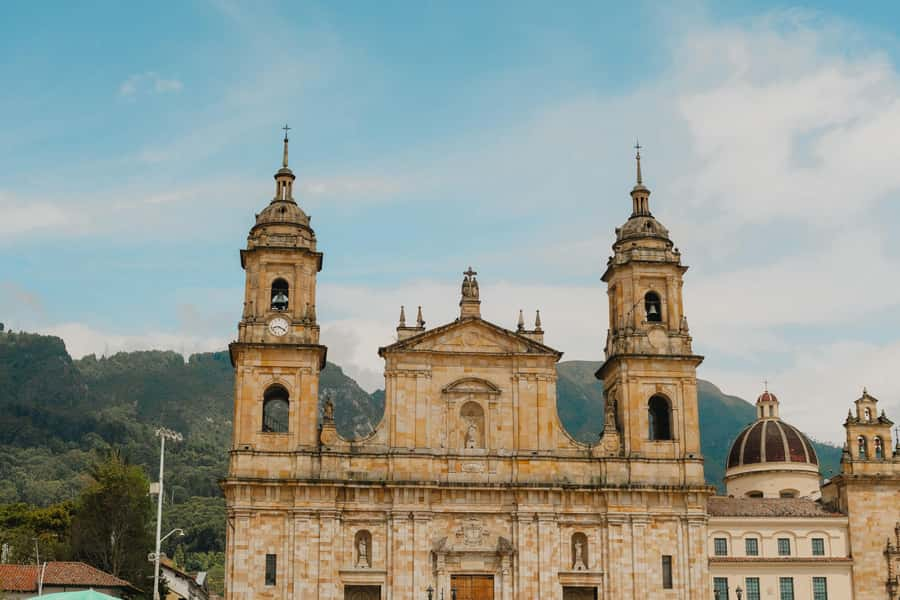
Near the end, you’ll hit the Manzana Cultural, a cluster that houses three important museums, including the Botero Museum.
This is smart tour design: you’ve already placed the historic story in your head, and now you switch to a practical way to enjoy Bogotá’s art scene. Finishing at the museum gives you a natural wrap-up, so you don’t feel rushed out the second the walking part ends.
The tour includes a visit to Museo Botero and finishes at the Botero Museum. That final stop is especially good if you like a museum that doesn’t require deep homework to enjoy. You can walk in, start with what grabs you, and use the guide’s background explanations to make sense of what you’re seeing.
The Guide Matters: Sharik and Jorge Set a Strong Tone
A big reason people rate this tour highly is the way the guide runs the flow. Past experiences highlight guides like Sharik and Jorge for being responsive to questions and for keeping the route enjoyable even when the group is small.
What that means for you: expect a guide who doesn’t just point. You can ask questions and get answers that connect stops instead of treating each location like a separate postcard.
The tour is offered in English and Spanish, so you can choose based on your comfort level and still get the same storyline.
What to Bring for 150 Minutes in La Candelaria
This is mostly walking through old streets, including cobblestones. To keep it easy on yourself:
- Wear comfortable, grippy shoes
- Bring a hat or sunglasses if you’re out in strong light
- Have water handy, since the tour is packed
- Bring your camera, but also take a few moments without it—Plaza de Bolívar and Chorro de Quevedo are better when you look first
Also, pace yourself. With a compact timeline, it’s okay to move at the same speed as the group without trying to rush ahead.
Who This Tour Fits Best (and Who Should Rethink)
This tour is a great fit if you:
- Want a fast, organized introduction to Bogotá’s colonial core
- Like history but also need stops that feel visual and human (markets, squares, churches, architecture)
- Plan to visit the Botero Museum anyway, since the tour ends there
It’s wheelchair accessible. But it’s also not suitable for people over 95 years, based on the tour’s stated limits. If that age range might be an issue for you or a companion, you’ll want to choose a different, gentler option.
Should You Book Candelaria Unveiled?
If your goal is a smart first pass through La Candelaria—colonial architecture, civic Bogotá, Policarpa’s story, and a museum finale—this is a strong choice for $16. The route is tight, the guiding is in English or Spanish, and finishing at Museo Botero is a satisfying close.
I’d book it if you can handle some walking and cobblestones, and if you’re comfortable meeting at a specific monument. I’d hesitate only if you’re very risk-sensitive due to schedules, since there has been at least one report of a guide not showing up. In normal circumstances, though, the structure is solid and the stops are exactly the kind you want when you want Bogotá to make sense.
FAQ
What is the duration of the Candelaria Unveiled walking tour?
The tour lasts 150 minutes.
Where do we meet for the tour?
You meet in front of the Monumento a Policarpa Salavarrieta.
How much does the tour cost?
The price is $16 per person.
What languages is the live tour guide offered in?
The live tour guide is available in English and Spanish.
What’s included in the price?
The tour includes an expert guide and entrance to some museums and churches.
What attractions are part of the tour route?
Key stops include Plazoleta de la Concordia (La Concordia Market), Callejón del Embudo, Chorro de Quevedo, Casa de La Pola, Palacio San Carlos, Iglesia San Ignacio, Plaza de Bolívar, Manzana Cultural (including Museo Botero), and Gabriel García Márquez Cultural Center, with the visit ending at Botero Museum.
Is the tour wheelchair accessible?
Yes, it is wheelchair accessible.
What is the cancellation policy?
There is free cancellation: you can cancel up to 24 hours in advance for a full refund.
Is there a pay-later option?
Yes. You can reserve now & pay later.