REVIEW · VENICE
Ancient Venice and its spices: cooking class and market tour
Book on GetYourGuide →Operated by The Venetian silk route · Bookable on GetYourGuide
Venice has a way of tasting like a story. This 3-hour market-to-home experience uses spices to connect you to old Venetian life, from merchant routes to candlelit recipes. I like that you get both the Rialto sensory walk and a proper in-home cooking session with food and drinks. The one thing to think about: this is a more intense class style outing, and it is not suitable for several medical conditions and for very young kids.
What I particularly like is how the session turns spices into something you can remember, not just taste. Saffron, pepper, anise, cardamom, and more are treated like characters in the Venice story. I also love the way the host, Massimo, layers practical cooking with Venice anecdotes, so the meal feels personal, not like a generic show.
A possible drawback is pacing and intensity: you’ll be on your feet for part of the day and you’ll be tasting and eating as part of the program. If you have limits around heat, food richness, or mobility, read the suitability notes carefully before booking.
In This Review
- Key things to know before you go
- Starting at Caffè Vergnano 1882: the easiest way to begin in Venice
- Rialto Market for about an hour: shopping, spotting, and learning by taste
- Walking to the cooking “ancient house”: atmosphere that actually teaches
- The spice route in practice: saffron, pepper, anise, cardamom, and more
- What you cook and eat: from Venetian dishes to a full meal with drinks
- Timing, walking, and comfort: make the most of your 3 hours
- Who this fits best (and who should skip it)
- Value check: why this 3-hour class feels worth it
- Should you book Ancient Venice and its spices?
- FAQ
- FAQ
- How long is the Ancient Venice and its spices experience?
- Where do we meet for the tour?
- Is the class taught in English?
- Is this a private group or shared with strangers?
- Will we visit the Rialto Market?
- Is there a cooking class and food tasting?
- Is it refundable if my plans change?
Key things to know before you go
- Caffè Vergnano 1882 is your meeting point, right by the door, so you can orient fast and start walking.
- Rialto Market is not just a photo stop: you’ll shop and sightsee for about an hour.
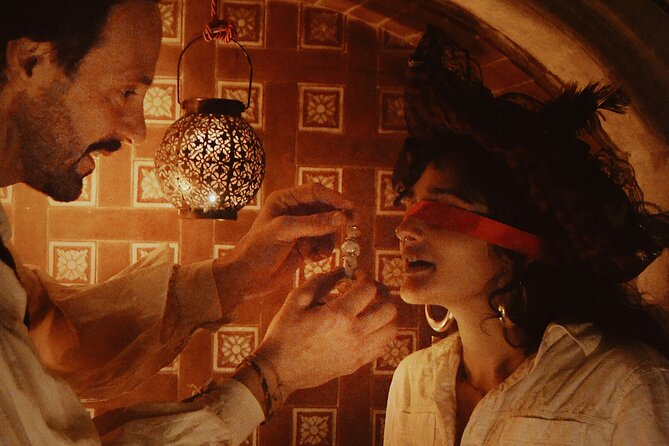
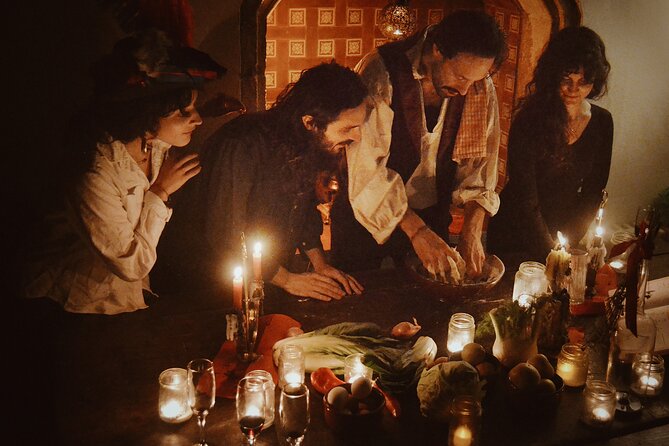
- You cook and eat at an “ancient house” setting, with themed ambiance like candles and tricorne-style atmosphere.
- Spices are the lesson plan, with tasting built in (not only explanations).
- Massimo hosts in English in a private group, which usually means a more comfortable, flexible pace.
Starting at Caffè Vergnano 1882: the easiest way to begin in Venice
The tour begins at Caffè Vergnano 1882, with the meeting spot just outside the café door. That matters more than you’d think. Venice can be confusing fast, and having a clear street-level anchor point helps you get your bearings quickly before you head into the market area.
Once you start walking, the vibe shifts from classic sightseeing mode to food mode. The program is designed so you don’t just read about Venetian spice trade and Ottoman, Arab, and Eastern influences in a textbook. You walk through the market environment first, then you move to the cooking part where those same ingredients and flavors get turned into dishes.
This is also a good fit if you want a calmer experience than big-group tours. The group is private, and the instructor speaks English, so the story-telling stays connected to what you’re doing with your hands and what you’re tasting.
One practical note: you’ll be moving on foot for parts of the experience. Wear comfortable shoes. Venice floors are uneven in a way that sounds romantic until your ankles disagree.
You can also read our reviews of more tours and experiences in Venice.


Rialto Market for about an hour: shopping, spotting, and learning by taste
You’ll spend roughly one hour at Mercato di Rialto with a mix of browsing, shopping, and sightseeing. This stop is the “fuel station” for the whole class. The goal isn’t only to buy ingredients. It’s to see what people actually treat as everyday staples and how merchants and locals think about flavor.
In a tour like this, you get two advantages at Rialto:
- You see ingredients in context. Spices don’t feel abstract when you’re standing where they’re discussed and traded.
- You build anticipation. When you later cook at the house, you already recognize what’s going into the pan.
This market portion also helps with the stories. The program frames spices as part of Venice’s global connections. That makes the later tasting much more meaningful. Instead of just asking what cardamom tastes like, you’re learning why a spice ends up in Venetian kitchens and how it fits old recipes.
If you have a sweet tooth, plan to be flexible. The program includes tasting and desserts later, and the market stop sets you up for that arc from savory to finish. And if you come hungry, you’re in luck. You’re not just snacking here; the meal at the end is a real one.
Walking to the cooking “ancient house”: atmosphere that actually teaches
After Rialto, you take a short on-foot transfer to the cooking venue in Venice. The setting is described as an ancient house experience, with themed touches like candles and tricorne-style atmosphere. This isn’t just for photos. The point is to make the cooking feel like it belongs to a different era.
Why does the setting help? Because the class is built around historical inspiration tied to Venetian characters such as Marco Polo and Casanova, plus the idea of Venice merchants bringing flavors from far away. When you cook in a room that feels intentionally old, the stories land better. You’re not only learning spice names; you’re stepping into how those flavors would have been talked about and used.
The host, Massimo, is central here. He doesn’t treat the class like a script. He’s described as kind and gracious, and the best part is how he connects historical notes to the act of cooking. That gives you something useful to take home: a way to think about spices as tools, not just seasoning.
English instruction helps too, because it means you’re not stuck translating in your head while ingredients are moving. If you’re the type who likes to ask questions while cooking, a private group format makes that easier.
The spice route in practice: saffron, pepper, anise, cardamom, and more
This experience is built around one core idea: spices in Venice weren’t random. They were signals of trade, wealth, and curiosity. The class uses that idea to guide tastings and cooking.
You can expect a focus on spices such as saffron, pepper, anise, and cardamom, plus other ingredients with their own stories. The lesson is structured like a route through time, with the feeling of an old galleon crossing centuries and bringing flavors to Venetian tables.
Here’s the practical value for you: once you taste a spice with a story attached, it becomes easier to remember how it behaves in food. For example, saffron tends to bring warmth and color; pepper adds sharpness and bite; anise shifts flavor toward sweet licorice notes; cardamom brings a heady, aromatic lift. Even if you don’t memorize every detail, your palate starts to label flavors more accurately.
This is also where you get the fun side. The program frames it like a playful journey: tasting, cooking, and storytelling together. And because it’s private, the host can adapt the flow based on your preferences.
Massimo also invites you to share any preferences or allergies in advance. That’s a real-life advantage. In a city with lots of food tours, not every host can adjust comfortably. Here, the class is set up to make the meal work for you.
What you cook and eat: from Venetian dishes to a full meal with drinks
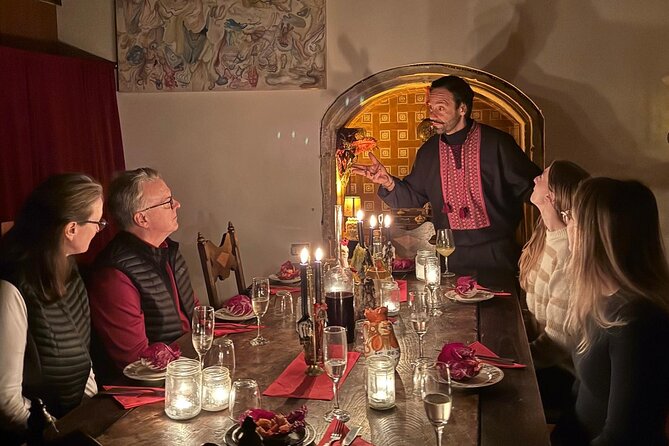
The cooking part is about 2.25 hours and includes hands-on preparation plus lots of tasting. You’ll also be eating and drinking as part of the program, including wine tasting, spirits, cocktail moments, dessert, and then a full meal experience.
The best clues about what you’ll actually eat come from the vegetarian-friendly way the meal is described. One review highlights a multicourse vegetarian meal that felt absolutely divine, and another notes an intense flavor moment featuring handmade pasta with ancient flour and a sauce of wild mushrooms with nutmeg and cinnamon. Those are classic spice combinations, but the twist here is that they’re positioned as Venetian-linked ingredients and historical inspiration.
So what should you expect on your plate?
- A meal built around Venetian flavor logic, using spices you’ve tasted earlier.
- Enough structure that you’re not just sampling; you’re learning how the flavors connect.
- A finish that includes drinks and dessert, with espresso and grappa mentioned in the story-style dining moments.
If you like food tours that end with a plate you actually look forward to, this one tends to deliver. The cooking class is not isolated from the meal. It’s integrated. You cook, then you sit down and enjoy what you made (and what Massimo creates along the way).
Also, you’re not boxed into one diet. The program can accommodate at least some dietary needs, and it’s clear from experience feedback that allergy concerns are taken seriously.
Timing, walking, and comfort: make the most of your 3 hours
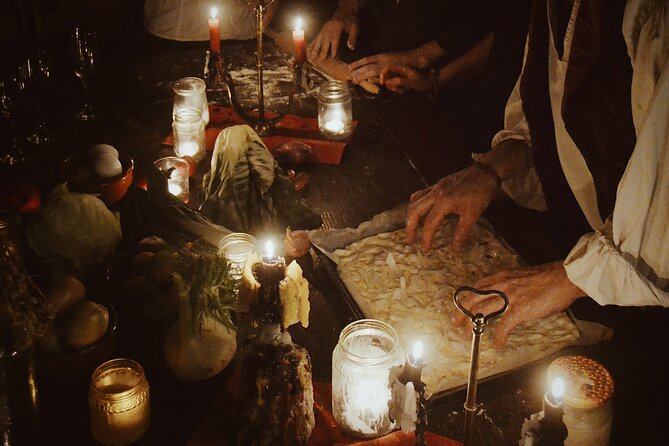
Your total time commitment is 3 hours, which is a strong length for Venice. Long enough to cover a real market stop and a full cooking session, short enough that you can still enjoy the rest of the day.
The itinerary shape matters:
- A market hour gives you ingredients and context.
- A short walk transitions you to the cooking venue.
- The cooking and dining block does the real work, including tasting, wine/spirits moments, and a meal.
Because you’re on foot for at least some of it, keep comfort in mind. The class also involves eating and tasting, so go easy on the giant lunch elsewhere beforehand. If you start the day with a heavy meal, you’ll waste some of what you paid for.
One more comfort tip: bring a small layer. Venice can be cool around the edges even when the day is warm, and indoor cooking experiences can have temperature swings. Also, if you have scent sensitivities, spicy ingredients are part of the show. This is a spice-focused class, not a mild one.
Finally, this is taught by an English-speaking instructor, and it’s a private group. That usually means you spend less time waiting and more time participating.
Who this fits best (and who should skip it)
This tour is a great match if you want a hands-on food experience with story and flavor logic. It’s especially good for:
- Couples, groups of friends, and families who want shared activities in Venice
- People who enjoy markets but also want a real cooking session afterward
- Anyone who likes the romance of Venice, but prefers it paired with practical food learning
It’s less suitable if you fall into the listed limitations. The experience is not suitable for wheelchair users, people with epilepsy, people with diabetes, people with high blood pressure, babies under 1 year, and children under 2 years, plus people over 70 years.
If you’re unsure where you fit, treat those notes as firm guidance, not fine print.
Value check: why this 3-hour class feels worth it
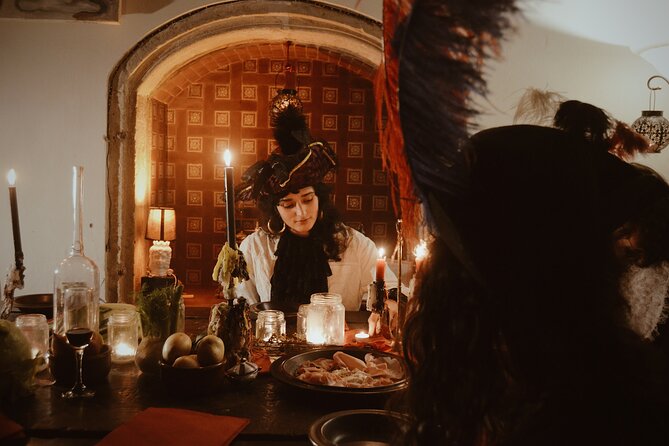
There’s a big difference between a cooking demo and a cooking class. This one is positioned as both a market experience and a meal you sit down to enjoy, with tasting built throughout.
What makes it good value in practice is the full flow:
- You start at a real Venetian food anchor (Caffè Vergnano 1882).
- You spend time at Mercato di Rialto where the ingredients feel real.
- You cook at an ancient house setting that adds story and focus.
- You end with a meal experience that includes drinks like wine tasting and spirits, plus dessert and espresso/grappa moments.
So you’re not paying only for a recipe. You’re paying for a guided flavor education plus a meal outcome. That’s the kind of value that lasts after the trip, because you remember the spice combinations and the way the host explained them.
Also, the private group format tends to improve the quality of the experience. You’re more likely to get your questions answered and a pace that works for your group, rather than rushing through ingredients to satisfy a schedule.
Should you book Ancient Venice and its spices?
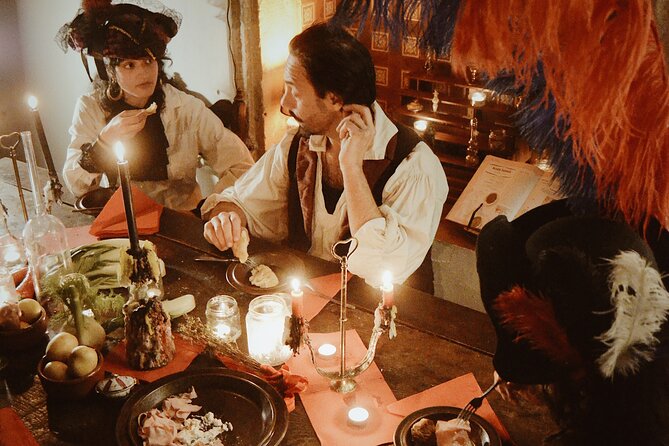
Book it if you want a Venice experience that connects market ingredients to hands-on cooking, and you enjoy historical storytelling tied to what’s in the pan. The spice focus is real, and the end meal is the payoff, especially if you like vegetarian options or you want a more thoughtful approach than a standard tasting run.
Skip it if the idea of sustained standing, lots of tasting, and a spice-heavy menu doesn’t fit you. Also, if you’re looking for something purely sightseeing-focused, you might feel the balance leans more toward food and cooking than wandering for views.
If your Venice trip has space for one memorable food-centered afternoon, this is a strong choice.
FAQ
FAQ
How long is the Ancient Venice and its spices experience?
It lasts 3 hours total.
Where do we meet for the tour?
You meet just in front of the door of Caffè Vergnano 1882, with the coordinates 45.438690185546875, 12.33553409576416.
Is the class taught in English?
Yes. The instructor is English.
Is this a private group or shared with strangers?
It’s a private group.
Will we visit the Rialto Market?
Yes. The program includes a visit to Mercato di Rialto for about 1 hour for shopping and sightseeing.
Is there a cooking class and food tasting?
Yes. After the market portion, you have a cooking class and food tasting at the Venice venue.
Is it refundable if my plans change?
There is free cancellation up to 24 hours in advance for a full refund.