REVIEW · VENICE
Ancient Venice and Its Spices: Cooking Class and Market Tour
Book on Viator →Bookable on Viator
Venice tastes better with spices in hand. This Ancient Venice cooking class and market tour takes you to Mercati di Rialto first, so your meal starts with real ingredients chosen on the spot. Then you head to a local home kitchen where the day’s cooking connects straight to how Venice traded, flavored, and fed itself for centuries, guided by Massimo.
I especially love two things. First, you get hands-on ingredient shopping, from cheeses and salami to jars of marmalades and honey, all tied to what you’ll cook next. Second, the cooking itself is practical and flexible, with handmade pasta plus sauces that can go pesto-style or seafood-forward.
One thing to consider: the experience is not suitable for celiacs, even though they can customize menus for many other allergies or restrictions. If gluten is a hard no, this may not work for you.
In This Review
- Key highlights you should actually care about
- Rialto Market first: where the flavors get chosen
- Practical tip
- Cooking in an ancient Venetian house: comfort with character
- Group size matters
- The wine piece
- Spices and Venetian spice-trade stories you can taste
- How this helps you as a cook
- The meal plan: what you’ll cook and what ends up on your plate
- Starter course: market salads, spice tastings, and edible flowers
- Main course (pasta): handmade pasta with pesto or seafood
- Second main: focaccia with ancient flours and rosemary
- Dessert: ricotta honey, figs, hazelnuts, and spiced sweetness
- What you get for $108.43: pricing that makes sense
- Booking far in advance helps
- English-friendly, mobile-friendly, and easy to reach
- Diet and comfort checks before you commit
- Who should book this (and who might skip it)
- Should you book Ancient Venice and Its Spices?
- FAQ
- How long is the cooking class and market tour?
- Where do you meet, and where does it end?
- What language is the experience offered in?
- Is lunch included?
- Does the tour include a market visit?
- Is wine included?
- Can the menu be adjusted for dietary restrictions or allergies?
- How big is the group?
- What kinds of dishes and flavors can I expect?
- What happens if the weather is bad?
Key highlights you should actually care about

- Mercati di Rialto shopping first, then cooking with what you bought
- A real local home kitchen, not a restaurant setup
- Spice-focused cooking, with saffron, cumin, fennel, turmeric, cloves, and more in the mix
- A three-course lunch you sit down to with the group
- Unlimited homemade wine, plus you may start with sparkling wine too
- Small groups (max 20), with the option of a private class
Rialto Market first: where the flavors get chosen
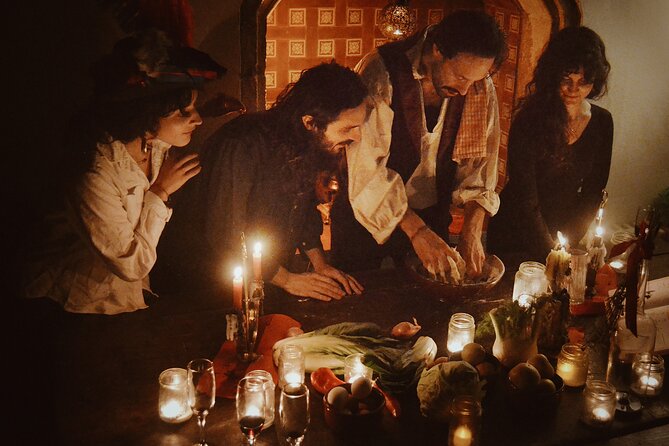
Meeting at Campo San Giacomo di Rialto puts you right in the right neighborhood for food. Instead of showing up hungry and hoping the menu is good, you start by selecting ingredients in the market—an approach I really like because it changes how you taste everything later.
At the market stage, the goal is simple: gather the freshest items for your lunch and learn what makes Venetian products special. You can expect to run into classic regional staples like cheese, salami, marmalades, and honey. The day also leans hard into spices—think cumin and fennel as early building blocks for flavor, plus seasonal ingredients and edible flowers in the starter world.
Practical tip
Wear shoes you can walk in for a while. Venice is mostly foot traffic, and market stops can involve a bit of weaving between stalls. Also, bring a sense of curiosity. The best part here is asking why something is paired with something else—because the host ties those choices directly to what you will cook.
Cooking in an ancient Venetian house: comfort with character
After the market, you head to an ancient Venetian house where the class happens. This is a key value point: you’re not just watching a demonstration. You’re cooking in a real home setting, which usually means the atmosphere feels warm and informal, more like joining a family dinner than attending an activity.
You also get the local connection beyond the kitchen. The format includes staying with a local host outside the usual tourist path, which makes the day feel grounded in how Venetians actually live and eat.
Group size matters
The class runs as a small-group experience with a maximum of 20 travelers, and in some cases it can even be private. That size is big enough for conversation but small enough that you’re not lost in a crowd.
The wine piece
Wine is part of the flow, not a side detail. The class includes unlimited homemade wine, and one host detail that stands out from the experience is how they kick things off with wine while sharing spice history before you start cooking. That sets a friendly pace—less rush, more talking and smelling.
Spices and Venetian spice-trade stories you can taste
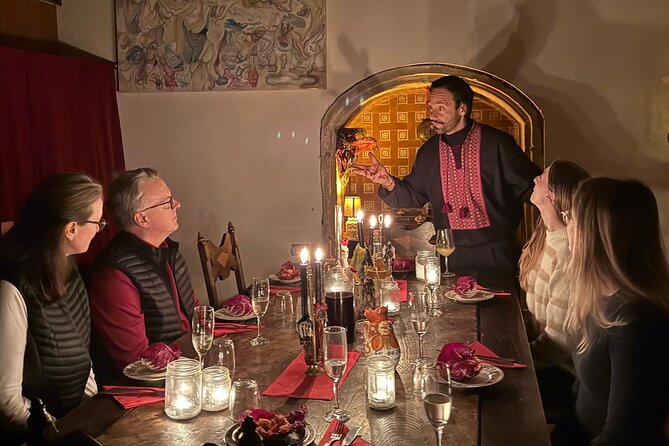
Venice isn’t just about canals and masks. It’s also a crossroads city, and this class uses that idea to make spice history feel practical.
You’ll hear explanations about how Venice became a crossroads for the spice trade, then watch those spices show up in your food. In other words, you learn through seasoning choices. No lecture-only mode.
Here’s what you might encounter in the day’s cooking and tasting:
- Saffron (including in fruit-based ideas like marmalade with chili)
- Cumin and fennel (showing up early, especially in starters)
- Turmeric and cloves (often tied to pasta sauce flavors)
- Nutmeg (another warm spice you may see in the pasta plan)
- Citrus notes and spice pairings that feel distinctly Venetian
- Lavender (not common in most tourist meals, but it can show up in dessert plans)
How this helps you as a cook
Even if you never plan to make pasta at home, you’ll leave with a clearer sense of seasoning logic. You’ll learn how herbs and spices shape the whole dish, not just add heat or aroma. The best way to use that takeaway later is to pay attention to the sequence: what goes in first, what’s added to build sauce depth, and what’s used for finishing touches.
The meal plan: what you’ll cook and what ends up on your plate
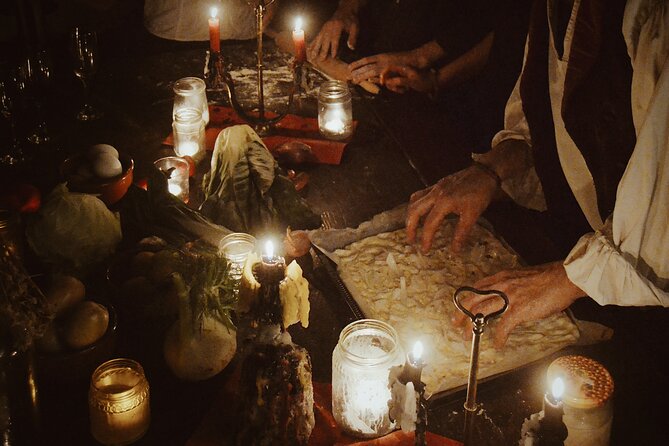
This is a structured three-course lunch experience, but with enough flexibility that you’re not stuck with one exact dish. A lot depends on your group’s choices and what’s best that day.
Starter course: market salads, spice tastings, and edible flowers
You can expect fresh salads drawn from market ingredients. The flavor profile often includes cumin and fennel, plus the fun visual element of edible flowers. You may also do a tasting of regional delicacies with an emphasis on spices—so the starter isn’t just food, it’s a mini intro to the day’s flavor theme.
A standout example of the type of pairing you might try: marmalade of mandarin with chili and saffron. Whether it appears exactly like that or in a closely related format, the point is the same—Venice likes sweet-salty, fruit-spice, and savory depth in surprising ways.
Main course (pasta): handmade pasta with pesto or seafood
This is the heart of the class: learning to make fresh handmade pasta. Then you’ll work with a sauce route that can go two directions:
- Fresh pesto, including rucola pesto (arugula-style)
- Fresh seafood focused options
Spice isn’t an afterthought here. The pasta sauce plan can use spices like nutmeg, turmeric, and cloves, and sometimes citrus notes and cloves together for a more aromatic profile. If the day’s decisions go that way, you might even hear about a local seafood option such as shark as part of the sauce thinking. The key is that you’re not just tasting—you’re participating in the reasoning.
Second main: focaccia with ancient flours and rosemary
After pasta, you’ll move to focaccia. This one is especially interesting because the format highlights “ancient types of flour,” plus rosemary and other flavors. Focaccia is a Venice-time machine: it feels like a cousin of pizza, but it also has older roots, and you’ll get context for how bread evolved into something people enjoy today.
If you’re thinking about value, focaccia is part of it. It turns the meal into more than a single pasta moment. It also gives you something satisfying and shareable for eating with the rest of your dishes.
Dessert: ricotta honey, figs, hazelnuts, and spiced sweetness
Dessert leans into classic ingredients—fresh ricotta with honey, plus figs and hazelnuts—then adds spices such as turmeric and lavender. It’s a reminder that Venetian dessert doesn’t always mean plain sugar. Expect aroma and spice to play a real role.
What you get for $108.43: pricing that makes sense
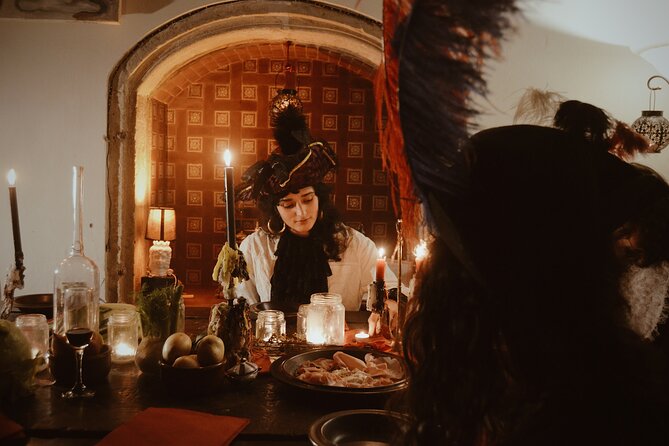
At $108.43 per person for about 3 hours 30 minutes, this isn’t a bargain in the cheap-and cheerful sense. But it can be good value because you’re getting a full package, not just a cooking demo.
You’re included in:
- Lunch (three courses)
- A guide
- Cooking in an ancient Venetian house
- Staying with a local host in a home setting outside the tourist path
- Unlimited homemade wine
- A small-group or private class setup
- Customization for many allergies or restrictions
When you compare that to paying for a guided food experience plus a sit-down meal, the math gets easier to justify—especially because the market component means your lunch starts earlier than most restaurant experiences.
Booking far in advance helps
The average booking window is about 84 days ahead. That’s a hint that schedules can fill, so if you’re set on this day, earlier booking is smart.
English-friendly, mobile-friendly, and easy to reach
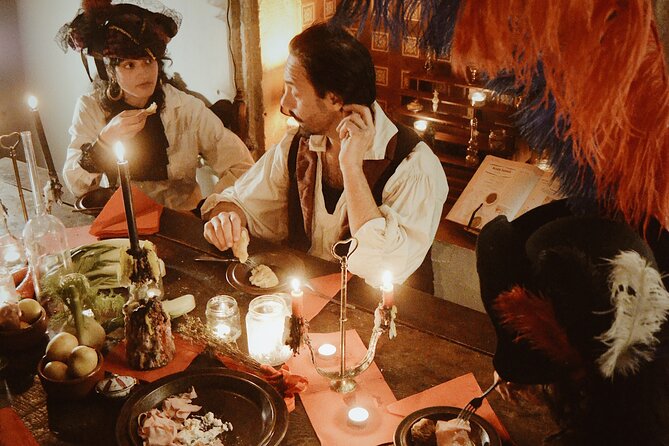
This experience is offered in English and uses a mobile ticket. It also says it’s near public transportation. In plain terms, it’s built to be straightforward to find once you’re already in Venice.
The meeting point is Campo San Giacomo di Rialto, 30125 Venezia VE, Italy, and the tour ends back at that same meeting point. That loop matters. Venice navigation can be tiring, and it’s nice when the tour doesn’t scatter you across the city afterward.
Diet and comfort checks before you commit
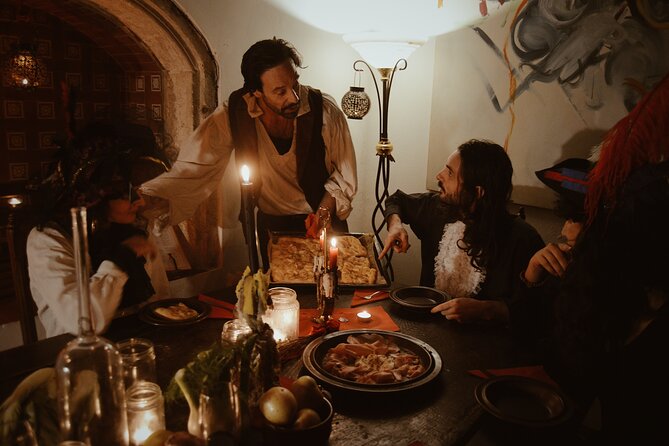
The class can handle many dietary needs and allergies with a customized menu. That’s a big deal if you have to avoid certain ingredients. The catch is clear: it’s not suitable for celiacs.
Also remember the weather factor. The experience requires good weather, and if it’s canceled due to poor weather you should be offered a different date or a full refund.
Who should book this (and who might skip it)
I think you’ll enjoy this most if you want:
- A hands-on food day, not a passive tasting
- A market-meets-kitchen experience that teaches through cooking
- Spice curiosity and a willingness to smell, taste, and ask questions
- A small group lunch with a local host vibe
You might skip it if:
- You need a celiac-safe meal plan
- You strongly prefer a restaurant-only experience with zero walking and zero market time
Should you book Ancient Venice and Its Spices?
Yes, if you want a true Venetian food day with spices doing real work in the kitchen. The combination of Rialto Market shopping, cooking in a local ancient house, and a sit-down three-course lunch with unlimited homemade wine makes this feel like more than just a class. It’s also a good fit if you appreciate learning flavor logic, not only collecting Instagram-worthy dishes.
If you’re gluten-sensitive beyond what can be customized, or you’re dealing with strict celiac needs, look for a different option—this one isn’t made for that.
FAQ
How long is the cooking class and market tour?
It lasts about 3 hours 30 minutes.
Where do you meet, and where does it end?
You meet at Campo San Giacomo di Rialto, 30125 Venezia VE, Italy, and the activity ends back at the same meeting point.
What language is the experience offered in?
The tour is offered in English.
Is lunch included?
Yes. Lunch is included, and it’s a three-course meal.
Does the tour include a market visit?
The market tour is included if the market tour option is selected. The experience also lists Mercati di Rialto as a stop.
Is wine included?
Yes. The class includes unlimited homemade wine.
Can the menu be adjusted for dietary restrictions or allergies?
The menu can be customized for allergies or restrictions. However, it is not suitable for celiacs.
How big is the group?
There is a maximum of 20 travelers. It can also be small-group or even private.
What kinds of dishes and flavors can I expect?
You’ll make fresh handmade pasta with options like pesto or seafood, plus focaccia, and dessert like ricotta honey with figs and hazelnuts. Spices discussed and used can include saffron, cumin, fennel, turmeric, cloves, nutmeg, and lavender, with some flavor pairings involving citrus and chili.
What happens if the weather is bad?
The experience requires good weather. If it’s canceled due to poor weather, you’ll be offered a different date or a full refund.