REVIEW · WARSAW
Jewish Heritage and Holocaust Memorial Tour of the Former Ghetto
Book on Viator →Operated by Orange Umbrella Free Tour · Bookable on Viator
Jewish Warsaw has layers you can walk through. This tour links medieval Jewish Warsaw with the ghetto and the deportation story in a tight route you can actually digest. I especially love how it pairs key landmarks with clear on-the-ground explanations at each stop, and how the final moments land on places like Umschlagplatz where the purpose of the ghetto becomes unmistakable. One watch-out: the topic is heavy, and if you want every possible angle in equal measure, you may find the focus stays intentionally on Jewish history and the memorial sites.
You’ll move at a steady walking pace from Castle Square to the Umschlagplatz memorial, with about 20 minutes at each main point and time for your guide to connect the dots. The group stays small (up to 25), it runs in English, and it includes a professional local guide plus a free Warsaw map. I’d call this a high-value use of a couple of hours—especially if you’re hoping to get your bearings fast before you explore on your own.
In This Review
- Quick hits before you go
- Jewish Warsaw in 2.5 Hours: What This Walking Route Really Covers
- Meeting at Sigismund’s Column: Where You Start and How the Walk Flows
- Castle Square (Plac Zamkowy): The Medieval Jewish Quarter Connection
- Krasinski Palace: Baroque Power and Jewish Protection
- The Warsaw Ghetto Relics: Nalewki Street Traces and the Ghetto Gate
- POLIN Museum Memorial Area: The Monument to the Ghetto Heroes
- Mordechaja Anielewicza and Anielewicz Bunker Memorial Area
- Umschlagplatz: Deportation Memorial and the Few Surviving Prewar Buildings
- Price and Value: How $19.22 Makes Sense for This Route
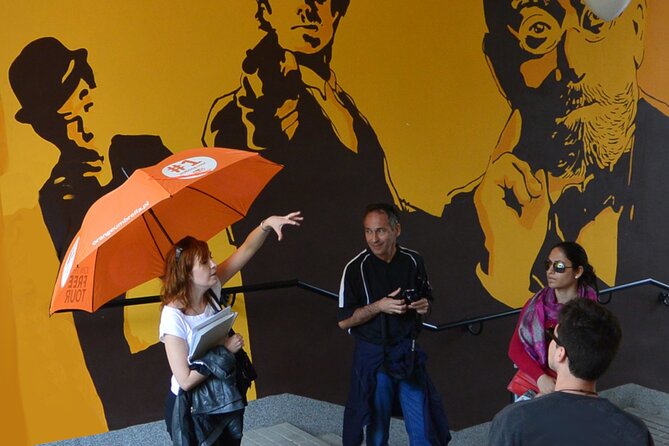
- The Guide Makes the Difference: What to Expect from the Human Side
- Who Should Book This Tour (and Who Might Want a Different Format)
- Should You Book This Jewish Heritage and Holocaust Memorial Tour?
Quick hits before you go
- Medieval-to-Holocaust storyline in one route, starting near Plac Zamkowy
- Krasinski Palace stop highlights Jewish protection by a powerful Warsaw family
- Nalewki Street remnants show where the ghetto wall and gate left traces
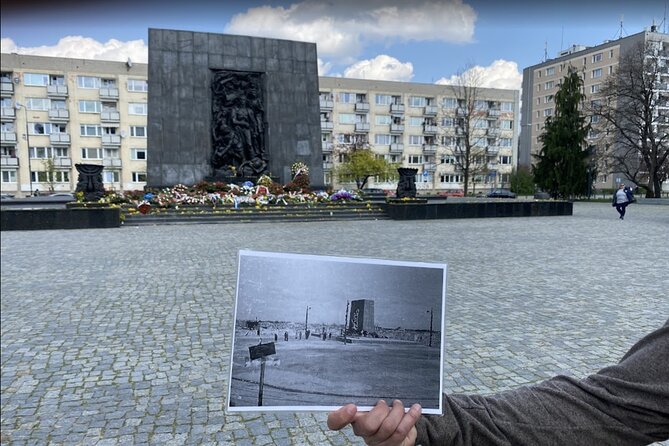
- POLIN memorial area is centered on the Monument to the Ghetto Heroes
- Mordechaja Anielewicza / Anielewicz Bunker connects to the Jewish Combat Organization during the uprising
- Umschlagplatz focuses on deportation and the few surviving prewar buildings
Jewish Warsaw in 2.5 Hours: What This Walking Route Really Covers
This is the kind of tour that helps you see Warsaw as more than postwar reconstruction. You start in a central place that points you toward the older Jewish quarter, then you work forward—toward the ghetto’s physical remnants and, finally, toward the memorial geography of deportation.
I like that the pacing is set up for real learning. Each stop gets a focused chunk of time, so you aren’t stuck with one endless lecture in one spot. You also get enough context to understand why these places matter without turning the whole walk into a checklist.
You can also read our reviews of more tours and experiences in Warsaw.

Meeting at Sigismund’s Column: Where You Start and How the Walk Flows
You’ll meet by Sigismund’s Column at Plac Zamkowy, starting at 1:30 pm. The route ends at the Umschlagplatz Monument on Stawki 10, about two blocks from the POLIN Museum area—handy if you want to keep exploring right after the tour.
There’s also a practical detail that matters in a big city: if there’s a parade, protest, or concert near the usual meeting point, the tour starts from beneath a red-brick medieval defensive wall about 100 meters north of the Column. So you’ll want to arrive a few minutes early and be ready to follow instructions if the street scene is affected.
The tour runs with a maximum of 25 people, which usually means you can hear the guide without shouting and still ask questions if something isn’t sitting right with you.
Castle Square (Plac Zamkowy): The Medieval Jewish Quarter Connection
Your first stop is Castle Square, near Plac Zamkowy. Here, the guide frames the broader story by talking about migrations of medieval Jews and about where the medieval Warsaw Jewish quarter was located nearby.
This opening matters more than it sounds. It prevents the common mistake of treating the ghetto era as if it appeared out of nowhere. When you start with movement, settlement, and community life, the later tragedy feels grounded in a real timeline—something people lived through, not a single chapter dropped from the sky.
You also get your bearings fast in the Old Town area. Even if you don’t know Warsaw yet, this is a good first anchor: you can orient yourself and understand why the city’s geography is part of the story.
Krasinski Palace: Baroque Power and Jewish Protection
Next comes Krasinski Palace, a fine Warsaw aristocratic baroque palace surrounded by a park. The point here isn’t architecture for architecture’s sake (though the building is worth attention). The guide connects the palace to the Krasinski family and their role as protectors of Warsaw’s Jews.
I like this stop because it complicates your mental picture. It reminds you that history isn’t only villains and victims in simple terms; you can have social power, privilege, and protection all in the same city. That doesn’t erase the horrors ahead. It just keeps your understanding accurate.
Practical tip: this is the part of the tour where you can take a breath—parks can help your brain reset before the ghetto stops get more literal and more painful.
The Warsaw Ghetto Relics: Nalewki Street Traces and the Ghetto Gate
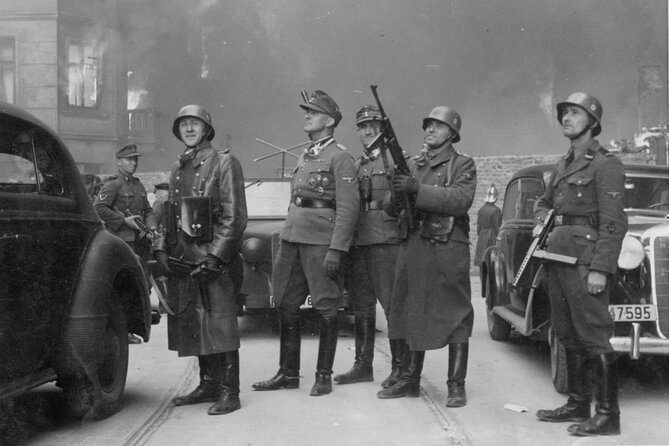
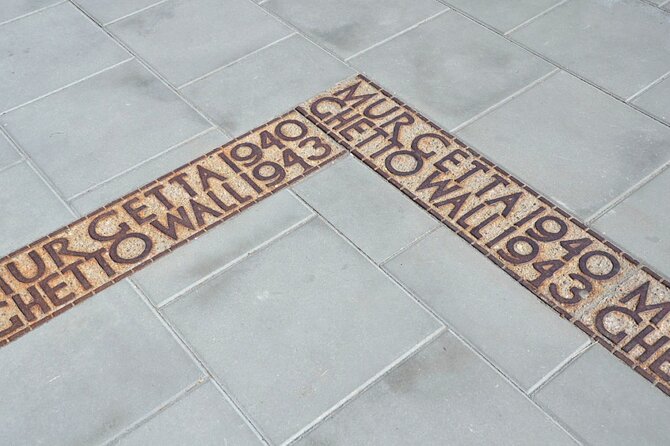
Then the tour turns to the Warsaw Ghetto itself, using remnants of the former Nalewki street. This is where you see traces connected to the main Ghetto Gate and the ghetto wall.
These are not “theme park” displays. You’re standing where the city once constrained people physically, and the guide helps you read the space like a document. That’s the big value here: you stop thinking of the ghetto as an idea and start recognizing it as a real geography of barriers and passage.
One consideration: because the traces are remnants, they may not look dramatic at first glance. Go in ready to listen. If you only scan with your eyes for something big and obvious, you might miss the meaning the guide is pointing out.

POLIN Museum Memorial Area: The Monument to the Ghetto Heroes
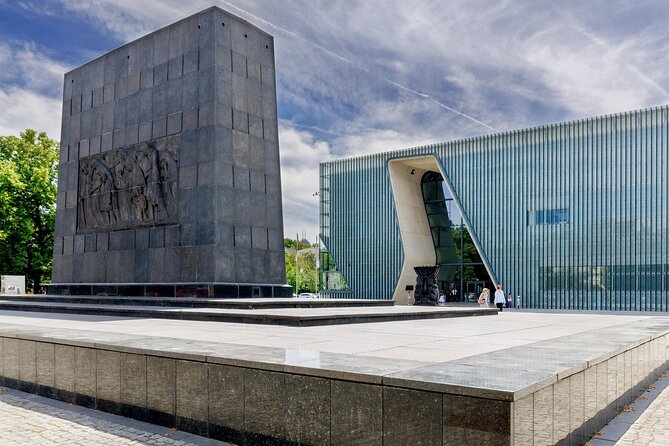
At POLIN Museum’s memorial area in front of the main entrance, you’ll focus on the famous Monument to the Ghetto Heroes. This stop gives the story a different emotional angle: resistance, memory, and the decision to fight back during an impossible situation.
I appreciate that this isn’t just a “look and move on” moment. The guide’s job here is to connect the symbol to the people and the historical meaning behind it. When you stand in front of a memorial monument, you don’t need lots of extra details to feel the weight—you need enough context to understand what the memorial is honoring.
If you plan to go into POLIN Museum after the tour, this stop acts like a preview of themes you’ll likely meet again inside. Even if you don’t enter the museum, the memorial area still works as a solid waypoint.
Mordechaja Anielewicza and Anielewicz Bunker Memorial Area
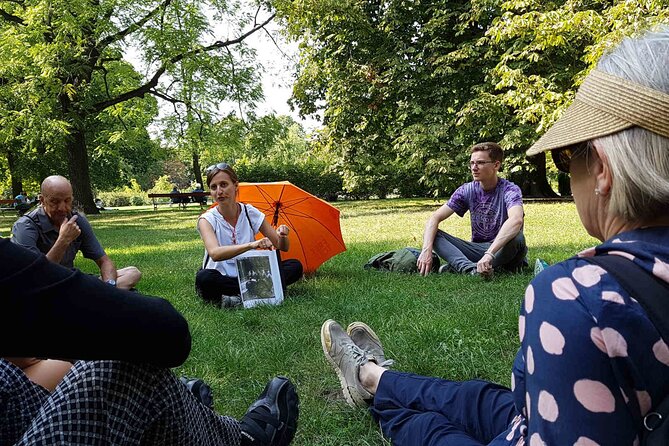
Your tour heads to Mordechaja Anielewicza by Miła street, stopping at the Anielewicz Bunker Memorial Area. This is described as the place that served as the headquarters of the Jewish Combat Organization during the Uprising in the Ghetto.
This is one of the most important conceptual shifts on the route. Earlier stops help you understand structures and locations. This one helps you understand decisions—how people organized, how resistance took shape, and how the uprising’s planning connected to a specific place.
Emotionally, it’s intense, so plan your pace mentally. If you’re the kind of person who needs a moment, that’s okay. Let the guide finish their explanation, then take a few minutes on your own before you move on.
Umschlagplatz: Deportation Memorial and the Few Surviving Prewar Buildings
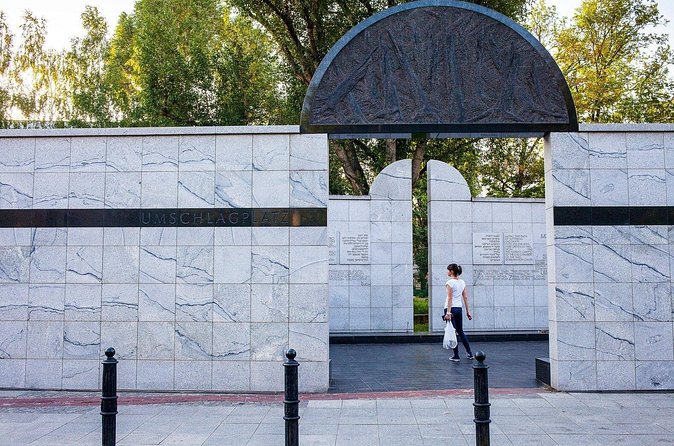
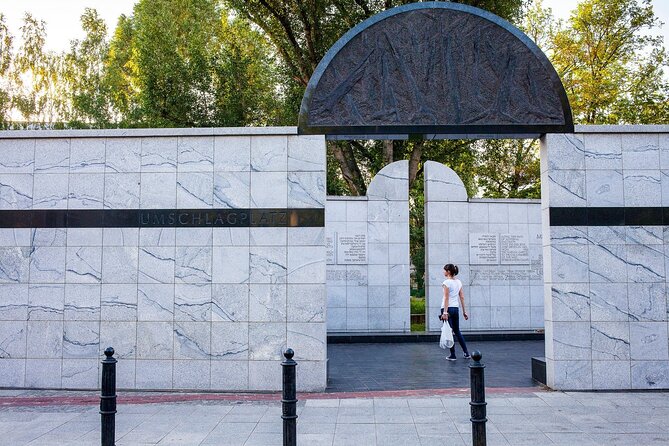
The final stop is Umschlagplatz, a memorial connected to the deportation area. This is also where you’ll see the only three prewar buildings that survived in the Big Ghetto.
This ending hits hard because it turns the story from “what was done to people” to “how the machinery worked.” The guide helps you grasp what Umschlagplatz represented and why those surviving buildings carry such heavy symbolism—every brick is a reminder that normal life existed immediately before being obliterated.
There’s something practical here too: since the tour ends at the Umschlagplatz Monument, you’re well positioned to continue exploring the wider POLIN area on foot. The tour’s geography makes it easy to connect memorial stops with the museum’s educational context afterward.
Price and Value: How $19.22 Makes Sense for This Route
At $19.22 per person for about 2 hours 30 minutes, you’re paying for a focused guided walk that hits major memorial points without you having to research every stop in advance. You also get a professional local guide service and a free tourist map of Warsaw.
In practical terms, this price is about buying time and clarity. Warsaw has layers, and the Jewish heritage and Holocaust story is the kind of subject where a good guide can save you from misreading locations or missing connections.
The tour note also encourages tipping if you enjoyed the experience, with the explanation that broker/agency costs and taxes take up a large share of the payment. So if you want to support the person leading you—especially if they handle the material with empathy and clarity—tipping is a good way to do it.
The Guide Makes the Difference: What to Expect from the Human Side
From what I’ve seen with tours like this, the guide is everything: not just facts, but how they organize the story. In this case, guides can bring a mix of engagement, clarity, and emotional care that makes the history land.
One guide name you may encounter is Max, described as engaging and a highlight of the trip, with a strong focus on Jewish history. Another guide mentioned is Magda, praised for clarity and empathy, and for explaining with a thoughtful, expressive style that makes the experience both educational and emotionally impactful.
At the same time, there’s a fair caution. If you want a very broad, fully balanced picture across all angles of the era, you might find one guide’s focus can feel a bit single-minded. My advice: come with curiosity, and don’t be afraid to ask a question on the spot if you feel something important is missing for your understanding.
Who Should Book This Tour (and Who Might Want a Different Format)
This tour is a strong fit if you want:
- a short guided route that connects medieval Jewish Warsaw to the ghetto and memorial sites
- an English explanation of what you’re seeing, without needing to decode it yourself
- a walk that ends near POLIN, so you can keep learning right after
It may be less ideal if:
- you want a wide-ranging museum-style experience with lots of time indoors
- you prefer very long stops with deep discussion at one site rather than quick, coherent coverage across several
If you’re visiting for the first time and want to understand the geography before branching out, this is a smart move. If you’re already deeply immersed in research, you may still value the route, but you may want to balance it with museum time so you can fill in what a walking schedule can’t cover.
Should You Book This Jewish Heritage and Holocaust Memorial Tour?
I think you should book it if you want a clear, respectful path through some of Warsaw’s most important memorial geography in a manageable time window. For the price, you get expert local guiding, a logical progression of themes, and a route that puts you in front of major landmarks without getting lost.
Book it especially if you’ll likely visit POLIN Museum anyway—this tour sets you up to understand what you’re seeing and why it matters. Just go in prepared for an emotional topic, and remember: the best experience comes when you listen closely and ask questions if you want a fuller picture.