REVIEW · ANTIGUA
Antigua Eco Island Tour (City, Country, Beach, & Heritage Sites)
Book on Viator →Operated by Rastafari Experience Antigua · Bookable on Viator
Sun, sea, and stories—on one loop. This Antigua Eco Island Tour run by Rastafari Experience Antigua Co. focuses on cultural heritage and classic beachy Antigua views, with stops like Devil’s Bridge, Shirley Heights, and Nelson’s Dockyard. Two things I especially like: the Rastafari perspective that explains what you’re seeing, and the way the route strings together landmarks that feel both historical and personal to the island.
The main thing to keep in mind is that this is built for a 3 to 5 hour sightseeing window, so several stops are short (often around 10 minutes), and a key cultural moment (Nyabinghi vs. church service) can depend on the day.
In This Review
- Key Highlights You’ll Actually Care About
- Rastafari-Led Antigua: What This Tour Does Better Than a Basic Sightseeing Drive
- Price and Logistics: The Real Cost of Doing This Right
- The Route Starts with Identity: National Heroes’ Day, a Cricket Stadium, and Parham’s Old Town
- EABIC and Rastafari Camps: How the Cultural Programming Works
- Devil’s Bridge on the Atlantic: Short Stop, Big Views
- Shirley Heights: The Restored Lookout and a Clean Story for the Coast
- Nelson’s Dockyard: A Heritage Site You Can Feel Moving
- Ras Freeman in Liberta: Nyabinghi Camp Grounds With Meaning
- Rainforest Point Drive: The Scenic Connector to the Southern Coast
- Who This Tour Suits Best (And Who Might Want a Different Day Plan)
- Making It Work: How to Get the Most From Only 3–5 Hours
- Should You Book This Antigua Eco Island Tour?
- FAQ
- How long is the Antigua Eco Island Tour?
- What does the tour cost?
- Is pickup offered?
- What’s included in the price?
- What isn’t included?
- Are there any admission fees during the tour?
- What stops are included for cultural heritage?
- What viewpoints are included?
- Is it family friendly?
- What fitness level do I need?
Key Highlights You’ll Actually Care About
- Rastafari-led storytelling that ties places (stadiums, town history, bridges, lookouts) to people and belief
- Real landmarks on the Antigua “greatest hits” list, including Devil’s Bridge and Shirley Heights
- Cultural sites beyond the postcards, like the EABIC camp and the Ras Freeman Nyabinghi camp grounds
- Atlantic-side viewpoint stops where you get the wind and drama without long hikes
- A national park admission add-on you should budget for in advance
Rastafari-Led Antigua: What This Tour Does Better Than a Basic Sightseeing Drive
This tour is not just about moving from A to B. It’s about giving you a way to read the island while you’re driving—then showing you the places that support that story.
I like that the day is built around cultural context. You’ll hit recognizable Antigua anchors (cricket, lookouts, docks, old towns), but you also get interpretive stops tied to Rastafari heritage and local community life. In practical terms, that means you’re not standing somewhere famous wondering, so what is the point? You’ll have a guide’s framing in your head as you look out over the Atlantic or walk through a historic site.
And because you’re in a vehicle with bottled water and private transportation, you’re not fighting buses, transfers, or timing. It’s a smart way to see a lot in a few hours—especially if it’s your first time on island.
Price and Logistics: The Real Cost of Doing This Right
The tour price is $199 per person for a 3 to 5 hour experience, and it runs with pickup offered and a mobile ticket. On average, people book about a week plus ahead, so it’s a decent idea to lock your date early if you’re traveling in peak season.
Value check: you’re paying for transport plus guided interpretation, and you’re not paying for lunch. Bottled water is included, which sounds small until you’re standing in sun near the Atlantic and you’re suddenly grateful you’re not guessing where the next bottle will come from.
Budget for two “on top” items:
- National parks entry fee: $20 per person (this is listed as required)
- Gratuities: required at 25% (plan on that, don’t treat it like optional math)
Also, Devil’s Bridge and Shirley Heights are listed as free for admission, which helps offset the one required national park fee. The Dockyard side of the day is where you’ll want to be ready for that extra charge.
Group size tops out at 99, so you’re unlikely to be totally alone—but this isn’t the kind of huge bus crowd where you lose the plot. You’ll still be able to ask questions and follow the route without feeling like cattle.
The Route Starts with Identity: National Heroes’ Day, a Cricket Stadium, and Parham’s Old Town
One of the clever things about this tour is how it begins with “who we are” before “look over there.”
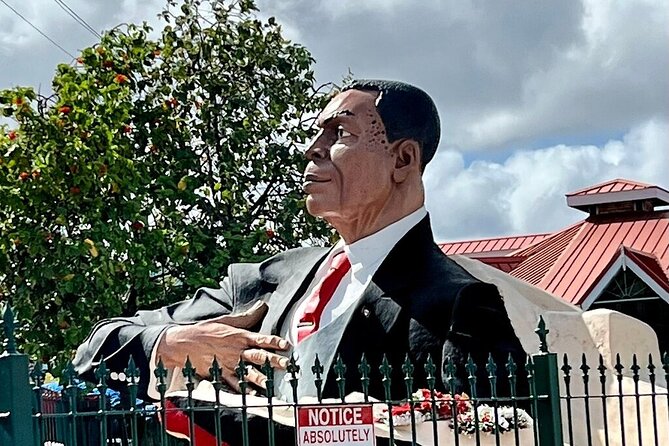
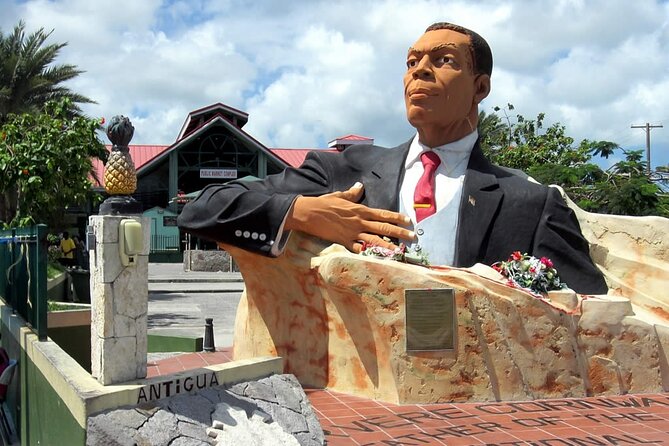
You’ll learn about National Heroes’ Day, commemorated on 26 October, and you’ll see the National Heroes billboard with portraits of four national heroes. It’s a quick stop, but it sets the tone. Antigua isn’t presented only as scenery; it’s presented as people, memory, and civic pride.
Then you’ll visit Sir Vivian Richards Stadium in North Sound. Cricket is one of the island’s shared languages, and this stadium connects Antigua’s sports story to the wider regional culture. Even if you’re not a hardcore cricket fan, a stadium stop works because it gives you a landmark you can place on the map and a topic that’s familiar enough to spark conversation.
Next comes Parham, known as the first town in Antigua. This is one of those stops that can feel “small” on paper but big in meaning. You’ll see the town with historical explanation tied to the first Catholic church and the first Anglican cathedral. If you like understanding how colonial-era religion shaped town development, Parham is the kind of stop that makes the rest of your sightseeing click.
EABIC and Rastafari Camps: How the Cultural Programming Works
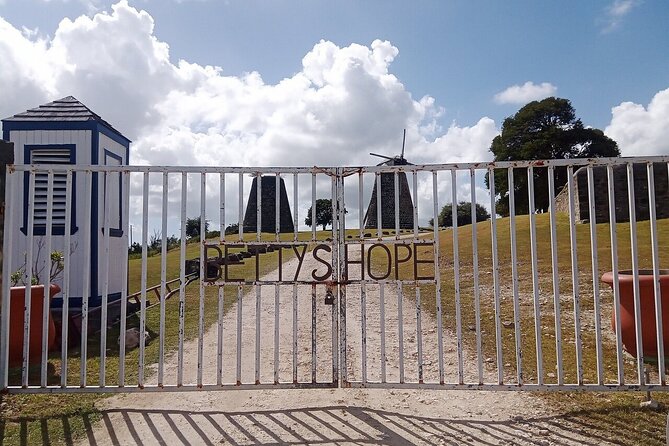
This is where the tour identity shows.
You’ll explore the Rastafari camp linked to the Ethiopian African Black International Congress (EABIC) Antigua’s branch. Depending on the day, visitors may experience a Nyabinghi session or a church service. Either way, you’re not just watching history—you’re seeing a living religious and cultural practice.
A second camp stop is Ras Freeman in Liberta, described as Nyabinghi Rastafari camp grounds, again with explanation of its significance in Antigua. This part of the route is designed to answer a question you might not even know you have yet: why these sites matter beyond being “places Rastafarians go.”
Practical tip: cultural program days can change. Wear respectful clothing that’s comfortable in heat, and keep your expectations flexible. If you get the Nyabinghi portion, you may feel the rhythm and community energy more than you can “see” it in a photo. If you get the church service, the tone shifts, but the point remains the same—context.
Devil’s Bridge on the Atlantic: Short Stop, Big Views
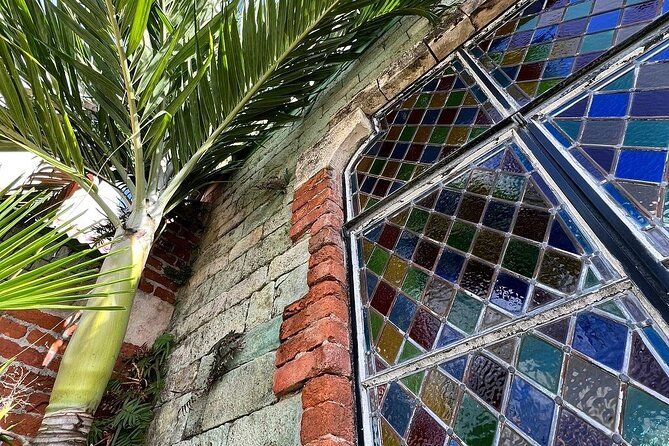
Then you hit one of Antigua’s most dramatic natural features: Devil’s Bridge, located on the Atlantic side near Willikies.
It’s near Indian Town Point in Saint Philip, and the stop is about 10 minutes with free admission. That short timing can be a plus. You get a focused viewing window—enough to see the feature and take in the coastal vibe—without turning it into a long, exhausting side quest.
What I like here is the “edge-of-the-map” feeling. The Atlantic side reads different from the calmer Caribbean-side beach image people expect. Expect wind, waves, and that sense that the island is actively shaping itself.
If you’re prone to motion or have balance issues, take your time on uneven ground. You won’t be doing a hike, but coastal stops can still be slippery or uneven.
Shirley Heights: The Restored Lookout and a Clean Story for the Coast
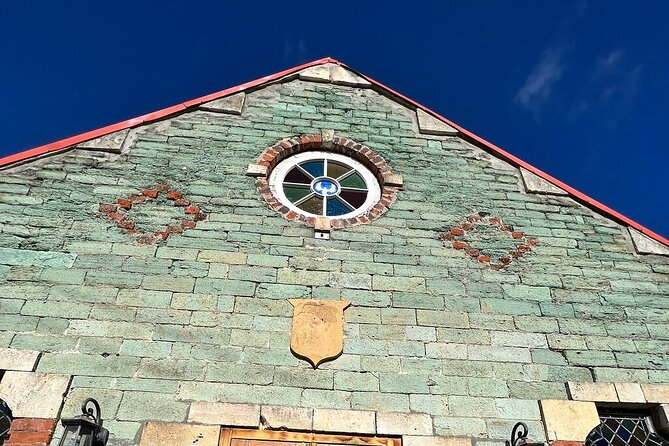
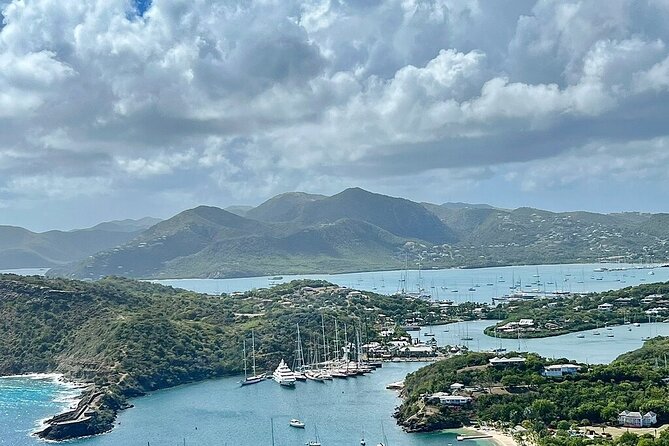
Next up is Shirley Heights, a restored military lookout and gun battery. This stop includes the interpretation center, the blockhouse, and the Shirley House Lookout.
Admission is listed as free, and the stop is about 10 minutes. That’s enough time to understand what you’re looking at if you pay attention to the explanation, but not enough to do “wander forever.” I recommend using the time like this: listen first, then look—because Shirley Heights rewards understanding. Once you know it’s a military lookout, the view makes a lot more sense, and the Atlantic/English Harbour geography starts to feel logical rather than random.
The lookout views tend to be the star. If you’re the type who likes to take photos with a reason, this is one of those spots where the story improves your pictures.
Nelson’s Dockyard: A Heritage Site You Can Feel Moving
Nelson’s Dockyard in English Harbour is the kind of place that hits two goals at once: it’s a cultural heritage site and it’s also a working marina vibe.
It’s part of Nelson’s Dockyard National Park, and admission for this is listed as not included (with the national parks entry fee shown as $20 per person). The time is listed around 10 minutes, so you’re not doing an all-day exploration of museums and shipyards. Still, even a short visit can make you understand why this area is important.
I like using this stop as a “anchor” point. English Harbour is one of Antigua’s signature settings, and seeing the dockyard helps you connect the island’s maritime story to the rest of the day’s themes: community, trade, defense, and identity.
Ras Freeman in Liberta: Nyabinghi Camp Grounds With Meaning

After the dockyard-style heritage feel, the day shifts back toward living cultural space at Ras Freeman in Liberta.
This stop is described as Nyabinghi Rastafari camp grounds with full explanation of significance in Antigua. That wording matters. You’re not just being driven past a site. You’re given the “why this matters” version.
If you’re respectful and curious, this portion can end up being one of the most memorable parts of the tour because it’s less about a single monument and more about how belief connects to place. The camp grounds are where the story has roots.
Rainforest Point Drive: The Scenic Connector to the Southern Coast
The tour wraps with Antigua Rainforest’s point, described as a drive around the rainforest area and the southern coast. It’s also noted as being in the vicinity of the zipline tour of Antigua Rainforest canopy.
No zipline is included in the tour details you have here, but the location is useful to know. You’re getting a change of scenery beyond the coast-and-cement blocks. This drive is less about a set “attraction” and more about broadening your sense of Antigua: you’re seeing how the island changes as you move inland and toward the southern side.
It’s a good time to watch the sky and light. On many islands, the south side can look different in wind, cloud cover, and color. If your camera roll needs variety, this is your chance.
Who This Tour Suits Best (And Who Might Want a Different Day Plan)
This tour is family friendly and accepts solo travelers, couples, and children. It’s also described as requiring moderate physical fitness. That doesn’t mean you’ll be scrambling up cliffs. It means you should be comfortable standing, walking short distances, and dealing with uneven outdoor areas at viewpoints and heritage stops.
You’ll probably enjoy this most if:
- You like learning how people connect identity to places
- You want a guided day that blends landmarks with cultural context
- You’re trying to see Antigua efficiently without building a complicated self-drive plan
You might not love it if:
- You hate “short stop” itineraries (several stops are around 10 minutes)
- You’re only interested in beach time and want long swimming breaks
- You’re trying to keep costs extremely tight once you include park entry and required gratuity
Making It Work: How to Get the Most From Only 3–5 Hours
With stops that run short, your best strategy is to show up ready to pay attention.
Bring:
- Sunscreen and a hat (the Atlantic can still blast you)
- Water (bottled water is included, but you may want to refill if your guide suggests it)
- A light layer if you get chilled in wind at lookouts
- A simple mindset: treat each stop like a chapter, not a book you finish
Also, ask the guide questions when you’re at the interpretive parts—especially at the places tied to meaning, like the EABIC camp, Ras Freeman grounds, and Parham’s church history. Those moments are where time feels most “worth it,” because the guide framing changes how you interpret the site.
Should You Book This Antigua Eco Island Tour?
If your goal is to see Antigua’s big sights while also understanding how Rastafari heritage and local history connect to the island’s most famous viewpoints, I think this tour is a strong fit. The guides (including Ras Dre and Andre’ mentioned in their work) bring a style that’s grounded in local perspective, not just facts read off a sign.
Book it if you’re comfortable with a guided route that’s timed for 3 to 5 hours and you’re okay budgeting for the national park entry fee plus the required gratuity. Skip it if you want longer free time at beaches or you prefer a purely nature-focused day with no cultural program elements.
In short: if you want Antigua that explains itself as you go, this is a good bet.
FAQ
How long is the Antigua Eco Island Tour?
It runs about 3 to 5 hours.
What does the tour cost?
The price is $199.00 per person.
Is pickup offered?
Yes, pickup is offered.
What’s included in the price?
Bottled water and private transportation are included.
What isn’t included?
Lunch is not included, and gratuities are required (listed as 25%). There is also a national parks entry fee of $20.00 per person.
Are there any admission fees during the tour?
Yes. National parks entry is listed as $20.00 per person. Some stops are marked free, such as Devil’s Bridge and Shirley Heights, but Nelson’s Dockyard has admission not included.
What stops are included for cultural heritage?
You’ll visit the EABIC Rastafari camp area where you may experience a Nyabinghi session or a churchical service (depending on the day), plus Ras Freeman Nyabinghi Rastafari camp grounds with explanation.
What viewpoints are included?
You’ll visit Devil’s Bridge and Shirley Heights lookout areas.
Is it family friendly?
Yes, it’s described as family friendly, and it accepts solo travelers, couples, and children.
What fitness level do I need?
It’s recommended for travelers with a moderate physical fitness level.