REVIEW · GALWAY
Aran Knitting, History and Heritage in the Burren
Book on Viator →Bookable on Viator
A fairy fort and a working knitting studio sounds like a myth, until you’re standing in it. This is an Aran knitting class near Galway that pairs Irish heritage with hands-on practice, taught by Stephanie at Faerie Fort farm. You’ll learn where Aran knitting came from, what different stitch patterns mean, and how to use those ideas to plan your own sweater.
What I like most is the hands-on teaching pace. You’ll knit a prepared cable pattern, with help for people who have never knit before. Second, the setting is the kind you remember: a garden studio next to a 1000-year-old fairy fort behind a thatched cottage, on a 4th-generation farm. One possible drawback: this is about two focused hours—great if you want skills fast, less ideal if you’re hoping for a long, slow craft day.
In This Review
- Faerie Fort Aran Knitting: Key Highlights
- Welcome to Faerie Fort: Why This Studio Feels Different
- The Burren Backstory You’ll Actually Use
- Understanding Wool and Stitch Patterns, Without the Confusion
- Your Cable Pattern Session: Where You Gain Real Confidence
- The Food Break: Homemade Irish Comfort Meets Your Knitting Break
- What Two Hours Feels Like in Real Life
- Price and Value: What You’re Really Paying For
- Who Should Book This Aran Knitting Session
- Quick Practical Tips Before You Go
- Should You Book This Faerie Fort Aran Knitting Class?
- FAQ
- Where is the Aran Knitting experience located?
- How long does the Aran Knitting class take?
- Is this experience private or shared?
- What will I knit during the class?
- What food and drinks are included?
- Can beginners participate if I’ve never knit before?
- Can I cancel for free?
- Do they use a mobile ticket, and are service animals allowed?
Faerie Fort Aran Knitting: Key Highlights
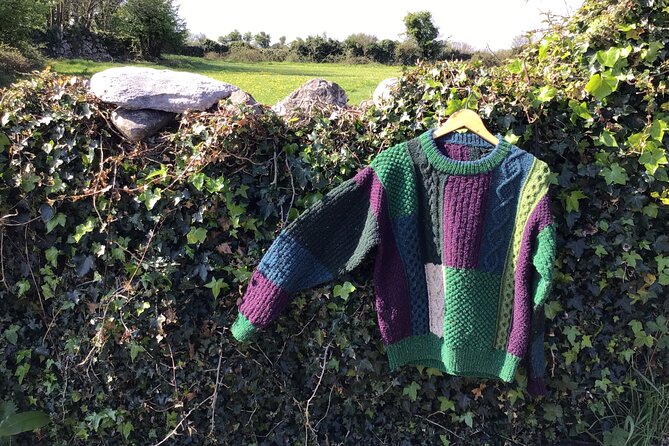
- 1000-year-old fairy fort setting right behind the thatched cottage
- Stephanie’s one-on-one, patient instruction (including for first-timers)
- Learn stitch meanings and how cables fit into classic sweater designs
- Knit a prepared cable pattern during the class
- Traditional meal break with smoked salmon on homemade brown bread and porter cake
Welcome to Faerie Fort: Why This Studio Feels Different
This Aran knitting experience isn’t staged in a shop. It’s based on a real working farm, Faerie Fort, where Stephanie is a 4th-generation farmer. You start at Crannagh, Co. Galway (H91 KVY6), and you end right back there—simple and easy to plan around.
The big reason this works so well is the atmosphere. The garden studio is next to a 1000-year-old fairy fort behind a thatched cottage. That matters because Aran knitting isn’t only a craft technique. It’s a visual language tied to place, tradition, and identity. Being in that kind of setting makes the “why” of the patterns feel more real, not just decorative.
Also, it’s built for a small, personal group. It’s a private tour/activity, so you’re not competing for attention or getting rushed through the steps.
You can also read our reviews of more tours and experiences in Galway.

The Burren Backstory You’ll Actually Use
Before you pick up needles, Stephanie sets the scene with the heritage of the area. You’ll get a brief history of the surroundings—why this part of Ireland carries strong stories—and you’ll connect that to how Aran knitting developed as an Irish tradition.
Then you get the practical part: the origins of Aran knitting and how the patterns became recognizable. This is where many classes get vague. Here, the focus is on understanding the patterns as building blocks. Even if you’re new to knitting, you’ll come away with a sense of what you’re looking at when you see cables, twists, and textured stitches.
Why I think this is valuable for you: once you understand what stitch patterns are trying to do, you can stop copying and start making choices. That’s how a sweater stops being a one-time project and becomes something you can redesign later.
Understanding Wool and Stitch Patterns, Without the Confusion
In the studio, you’ll go through wool types that are available (so you can see what choices feel different as you work). You’ll also learn the meanings of a variety of stitch patterns. That doesn’t mean you need a cheat sheet of old folklore to succeed. It means you’ll learn how the motifs function—how they create structure, texture, and that classic Aran look.
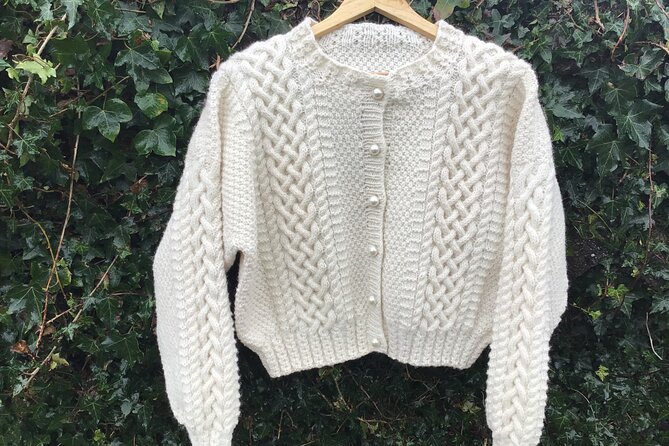
Stephanie shows examples of cable and stitch patterns. You’ll see how twists and braids create depth, and how different textures work together in a sweater design. She also discusses how you can design your own sweater.
If you’re worried about information overload: the class is structured around what you can take directly into your knitting. You’re not just hearing theory. You’re building a mental map for what you’ll do next.
Your Cable Pattern Session: Where You Gain Real Confidence
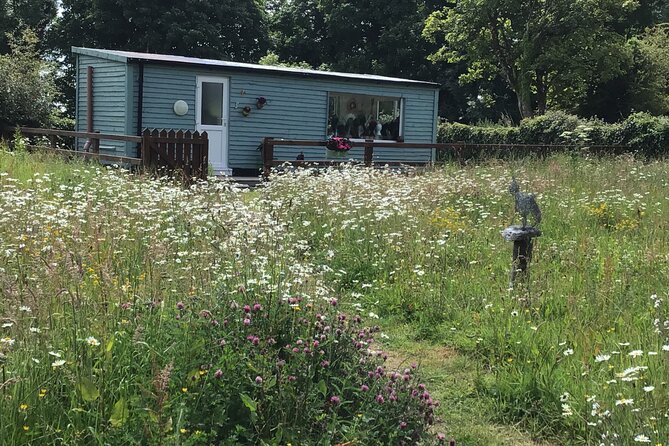
Here’s the heart of the workshop: you’ll knit a prepared cable pattern. That’s a smart approach for a class length of about two hours. You still get the full experience—working the stitches, paying attention to how cables form, and learning what to do when it doesn’t look right at first.
The prepared pattern is key. It keeps you from spending your time figuring out the basics of chart reading instead of learning the cable technique. And you’re not left alone with a ball of yarn and hope—Stephanie works with your group, including one-on-one support for people who’ve never knitted before.
From the way the instruction is described, the biggest win is calm support. You’ll feel free to ask questions and correct mistakes without the stress that can happen in faster “just watch and copy” classes.
Practical advice if you’re new: wear comfortable clothes and plan to stay seated and focused. Cable knitting is a hands-on activity. You’ll get more out of the time if you treat it like a lesson rather than a casual stroll.
The Food Break: Homemade Irish Comfort Meets Your Knitting Break
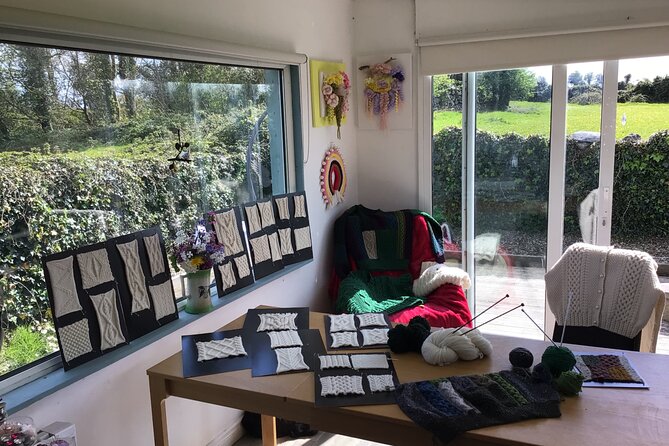
This class doesn’t treat food like an afterthought. You’ll be served smoked salmon on homemade brown bread, along with traditional Irish porter cake. Tea, coffee, and herbal teas are available at your convenience.
This matters more than it sounds. It turns the session into a proper host-and-hang experience, not a rushed workshop where you leave hungry. Also, after you learn cables for an hour, you’ll appreciate having a real break to reset your hands and your brain.
If you’re picky about timing: you don’t have to wait for a specific moment. The food and drinks are served at your convenience, so you can ask when you need a pause.
What Two Hours Feels Like in Real Life
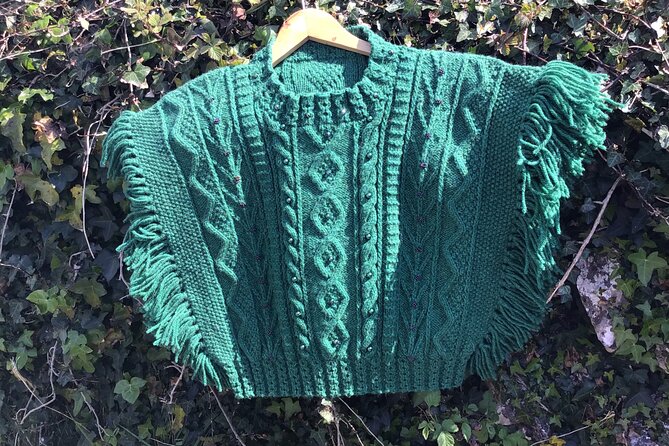
The duration is about two hours. For most people, that’s the sweet spot. You’ll cover heritage context, learn stitch meanings, see cable examples, and still get to knit something during the class.
Pacing is part of the value here. The instruction is described as un-rushed, with time to work through the pattern and get help when needed. That makes it easier if your group has mixed skill levels—someone may knit often, while someone else might be picking up needles for the first time.
One practical consideration: if you’re already an advanced knitter and want a long, deep technical session (more charts, more finishing, more advanced techniques), this format might feel short. But if your goal is learning an Aran cable technique and leaving with a usable pattern and confidence, two hours hits the mark.
Price and Value: What You’re Really Paying For
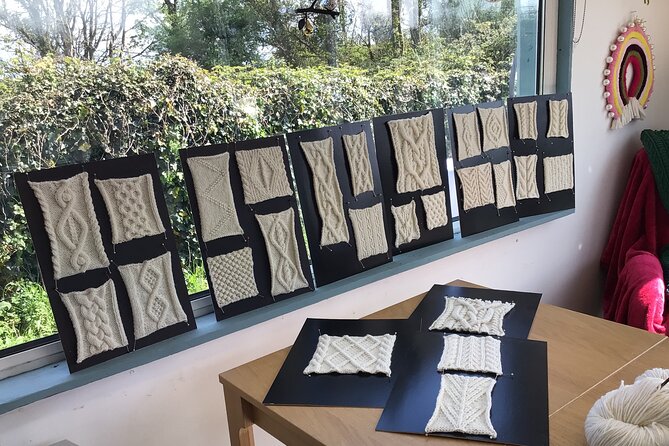
At $78.27 per person, this is not a budget throwaway. But the value is built into the experience.
You’re paying for:
- A guided Aran knitting lesson focused on cables and stitch meanings
- A hands-on knitting session where you knit a prepared cable pattern
- Materials and instruction as part of the class format (you’re not expected to bring a full setup)
- A traditional meal snack with smoked salmon, brown bread, and porter cake
- Tea, coffee, and herbal teas
In plain terms, you’re covering both the craft instruction and the “host” portion. Many classes either focus on the technique and skip food, or they offer food but don’t provide real teaching structure. This one does both, which is why it feels like a complete experience rather than a quick stop.
Also, booking seems to happen about 31 days in advance on average. That’s a good sign: it’s popular enough that you shouldn’t wait until the last minute if your dates are firm.
Who Should Book This Aran Knitting Session
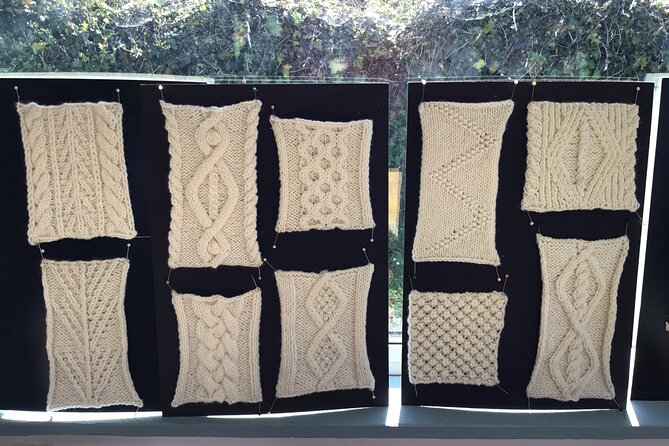
This fits best if you want Irish authenticity in a way that’s more than a photo stop.
You’ll likely enjoy it if:
- You like crafts and want real instruction, not just watching
- You want to learn how classic Aran cable patterns are built
- You enjoy food that’s part of the experience
- Your group includes beginners (the teaching style is described as patient and supportive)
It might be less ideal if:
- You hate seated, hands-on activities and only want sightseeing
- You’re looking for a full-day workshop focused on advanced techniques
Quick Practical Tips Before You Go
- Bring curiosity. Even if you don’t know knitting terms yet, Stephanie explains patterns and stitch meaning as you go.
- Plan for a focused two hours. Cable knitting takes attention, and that’s part of the payoff.
- If you have dietary needs, it’s worth clarifying when you book, since the class includes a specific traditional meal: smoked salmon with brown bread and porter cake.
- Wear something comfortable for sitting and using your hands.
Should You Book This Faerie Fort Aran Knitting Class?
Yes—if you want a genuine, friendly Irish craft experience with real teaching and a classic meal. The standout benefits are the hands-on cable practice, the patient help, and the setting: a garden studio beside a 1000-year-old fairy fort on a working farm. For most people, it’s an efficient way to leave Ireland with an actual skill you can use again, not just a souvenir.
If you’re short on time but still want something memorable, this delivers. If you’re an advanced knitter chasing a long technical marathon, look for something longer. But for learning Aran cables with food, history, and calm instruction, this is a strong pick.
FAQ
Where is the Aran Knitting experience located?
The experience starts in Crannagh, Co. Galway, H91 KVY6, Ireland, and it ends back at the same meeting point.
How long does the Aran Knitting class take?
The duration is approximately 2 hours.
Is this experience private or shared?
This is a private tour/activity, so only your group will participate.
What will I knit during the class?
You’ll knit a prepared cable pattern during the session, after learning about stitch patterns and sweater design.
What food and drinks are included?
You’ll be served smoked salmon on homemade brown bread, traditional Irish porter cake, and tea, coffee, and herbal teas.
Can beginners participate if I’ve never knit before?
Most travelers can participate, and the instruction is described as patient and accommodating, including one-on-one help for people who have never knit.
Can I cancel for free?
Free cancellation is available. You can cancel up to 24 hours in advance for a full refund.
Do they use a mobile ticket, and are service animals allowed?
Yes, the tour uses a mobile ticket. Service animals are allowed.
If you’d like, tell me your knitting level (total beginner, some experience, or advanced) and I’ll suggest what to focus on during the cable lesson so you get the most out of the two hours.