REVIEW · AUCKLAND
Auckland: Inner-City Glowworm Experience in Ancient Volcano
Book on GetYourGuide →Operated by Social Nature Movement · Bookable on GetYourGuide
Auckland has glowworms in the open air. In Pukekawa, a 100,000-year-old volcanic park, a short walk at night lets you watch bioluminescence flicker across the creek and bush. It’s an easy-in, city-center way to see glowworms without signing up for a long day trip.
I especially like the barrier-free viewing. You watch glowworms in their natural habitat, not from behind rails, and your guide keeps the experience flowing so you can actually see what’s going on. I also like the unrestricted photography aspect—within the simple rule of no flash—so you can capture the glow without fighting strict cave etiquette. Guides such as Caleb, Jonti, and Marius tend to add details that make the lights feel less random and more biological.
One possible drawback: don’t expect a Waitomo-level glowworm cave cloud. Even though you can see lots of lights in the Domain, the population is smaller in this open-air setting, and the path includes about 30 steps plus dark, uneven ground that’s not for everyone.
In This Review
- Key things to know before you go
- Pukekawa at night: why this Auckland glowworm tour feels different
- Getting there from Auckland CBD: easy access with a real walking component
- Wintergarden start and the guided pace into the Domain
- Walking the Pukekawa volcano ground: ancient terrain under your feet
- Where the glowworms show up: creek, careful pauses, and real viewing
- Waterfalls and Nikau palms: the nature stops that make the hour feel longer
- The life cycle lesson: what the guide helps you notice
- Photos and the no-flash rule: how to get shots without ruining the night
- Logistics and comfort: dark steps, wet feet, and who should skip
- Price and value: why $35 can be a smart Auckland night plan
- Should you book this inner-city glowworm tour?
- FAQ
- How long is the glowworm experience?
- How much does the tour cost?
- Where do I meet the guide?
- Is transportation included?
- Is the tour in English?
- Are glowworms viewed in caves?
- Is flash photography allowed?
- How much walking is involved?
- What should I bring?
- Is the tour suitable for wheelchair users or mobility impairments?
Key things to know before you go
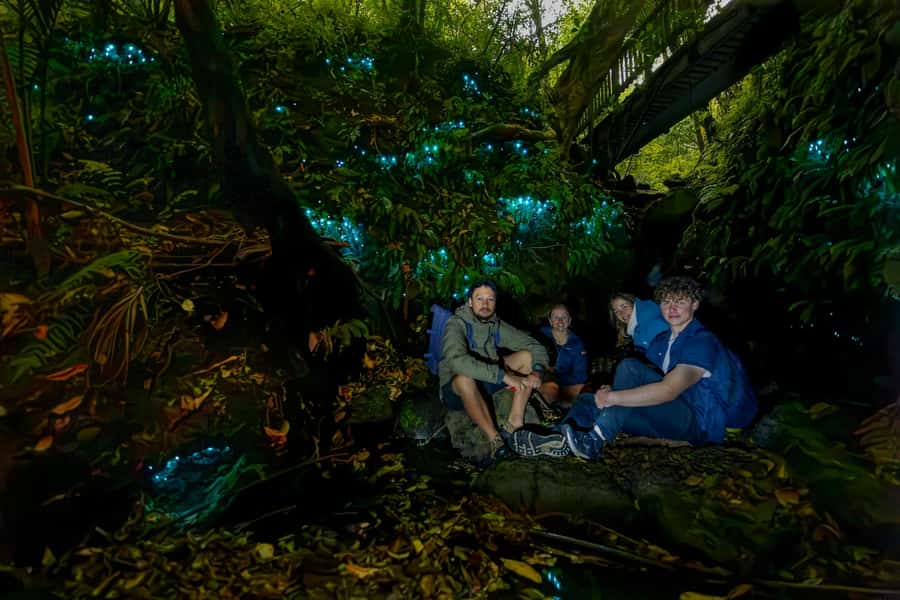
- Pukekawa volcano in the middle of Auckland: an ancient volcanic setting, not a remote cave system
- City glowworm viewing: you can do this close to the CBD, with Uber/walk-in access
- No barriers, no flash: see glowworms up close, and photograph them while keeping flash off
- About 1.3 km of walking: undulating, gravelly terrain with a small climb and lots of steps
- Small-group vibe: private or small groups make the night feel calmer and more personal
Pukekawa at night: why this Auckland glowworm tour feels different
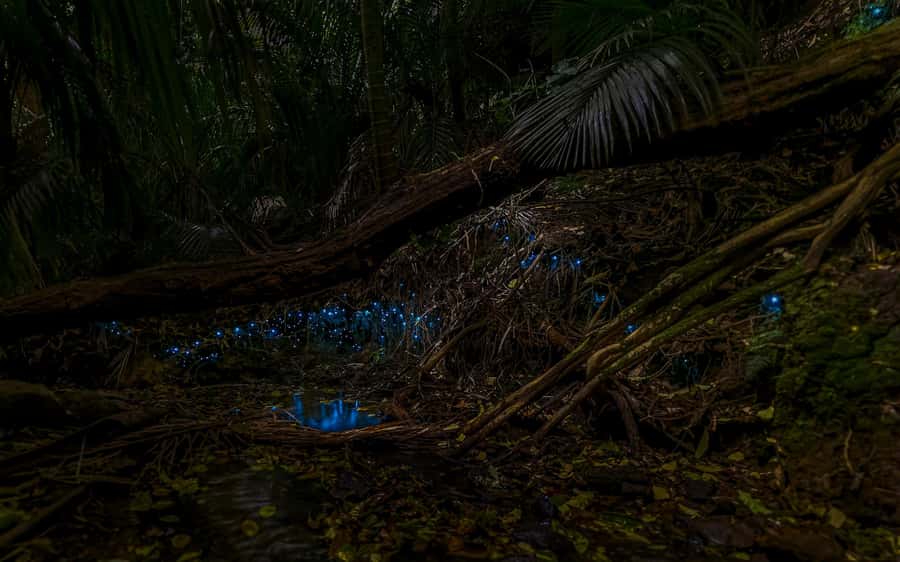
Glowworms in a city sounds like a trick. The real magic here is that you’re not in a themed attraction—you’re in Auckland Domain’s older volcanic ground, walking through dark bush and along a creek where the lights naturally appear.
The reason this tour works is simple: it’s short, guided, and timed for night viewing. At night, you stop thinking in daytime terms like roads and buildings, and you start noticing the small stuff—where the glowworms hang, how the glow changes with distance, and how the habitat shapes their behavior.
There’s also something comforting about the setting. You’re not trekking far into New Zealand’s interior just to have one glowing moment. Instead, you get an evening walk that still feels like nature, because the route stays in an outdoor park environment.
Getting there from Auckland CBD: easy access with a real walking component
This is one of the main reasons you’ll love it if you’re short on time. You meet outside the Wintergarden Cafe inside Auckland Domain, so you’re working from a central base instead of commuting all day.
Transportation isn’t included, so you’ll need to arrange your own ride or use public transport. In practice, the area is set up for easier arrivals than you’d expect for a night activity—there’s a lighted road that leads toward restrooms and parking near the cafe, which matters when you’re arriving after dark.
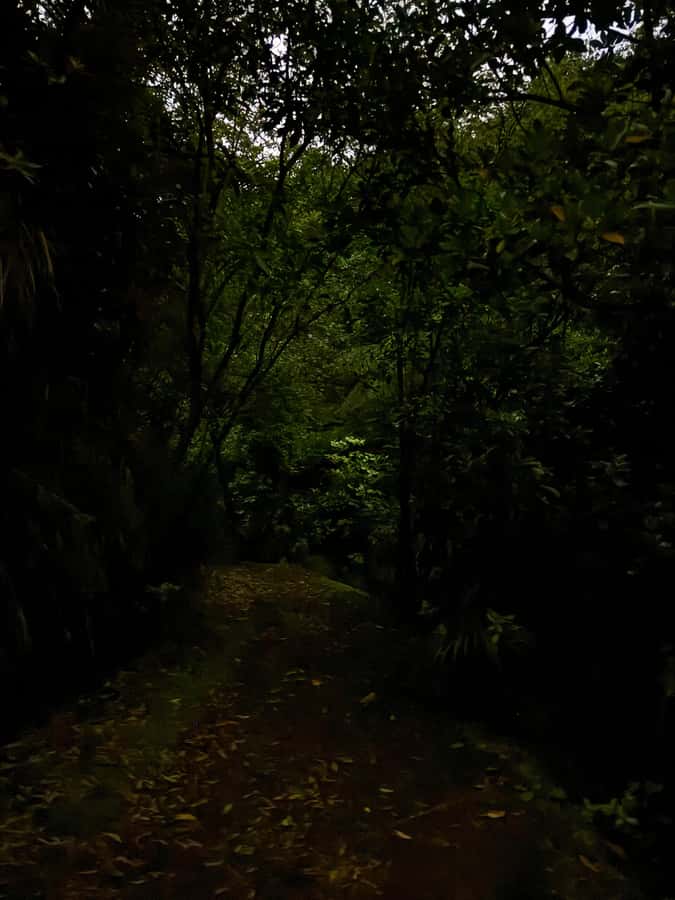
Plan on a quiet park feel once you leave the brighter edges. Several people note it’s very dark on the path, so if you’re the kind of person who likes to know what’s around the next corner, go in with calm expectations: you’ll be walking with your guide’s lights and the group, not wandering alone.
Wintergarden start and the guided pace into the Domain
The tour starts at Wintergarden Cafe inside Auckland Domain. From there, the guiding team leads you into the park and keeps the timing tight—because this experience is built around a one-hour window.
What you’re really buying with that hour is not just time with glowworms. You’re buying structure: the guide helps you find where the glowworms show up best, and they pace the walk so you can pause, look, and photograph without feeling rushed.
The terrain is part of the whole vibe. It’s not a flat stroll. Expect undulating paths, gravel, and tree roots, plus around 30 steps up and down. That’s why the guide matters: good guides steer you around the awkward parts and keep everyone safe on uneven ground.
Walking the Pukekawa volcano ground: ancient terrain under your feet
This is the part that makes the experience feel genuinely “Auckland.” You’re exploring Pukekawa, described as Auckland’s oldest park on a 100,000-year-old Pleistocene-era volcano. You’re basically seeing an old-time setting shaped by geology, then watching an insect glow tell you something about ecology.
As you move through the park, you’ll likely notice more than just the light points. The guide points out the natural features you pass—things like native Nikau palm areas and water features along the way. Even if you’re not a geology nerd, the volcanic setting gives the walk a sense of place: it’s not just trees and trails, it’s a specific ancient system.
Important reality check: this is an outdoor environment, not a cave. That changes what you see. The number of glowworms can be smaller than in purpose-built cave attractions, but the tradeoff is huge: you get barrier-free viewing and an open air experience right inside the city.
Where the glowworms show up: creek, careful pauses, and real viewing
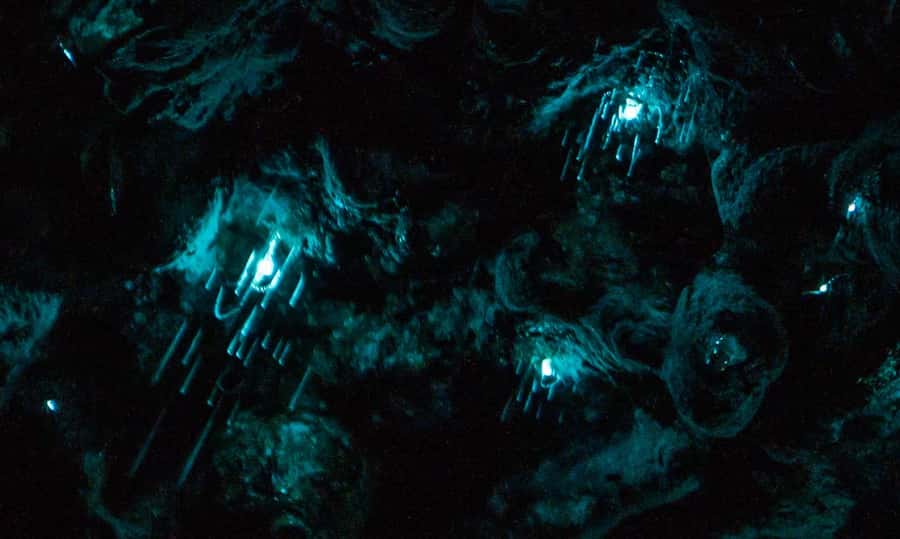
You’ll be guided to the spots where glowworms light up. The glowworm behavior you’re learning about isn’t just trivia—it affects what you notice. Glowworms are on the ground and in vegetation near the flow and shelter where they wait to attract prey.
The experience is also built around close viewing. Many people say the best moments happen when the group reaches the creek/bridge area and you can see lights from different angles. If you’re hoping for a perfect, private viewing moment with nobody around, keep your expectations flexible. One review notes that in a busier moment, you may not get that ultra-close view for long unless you rotate positions.
That said, this tour still avoids the worst part of many cave tours: barriers. Here, the guide uses small, controlled pauses so you can actually look for yourself and not just glance past a fence.
If you’re lucky (and with the right night conditions), you might also spot other night wildlife. One person specifically mentioned seeing an eel snake in the river at night, which feels like the kind of bonus that happens when you’re in a real ecosystem rather than an artificial display.
Waterfalls and Nikau palms: the nature stops that make the hour feel longer
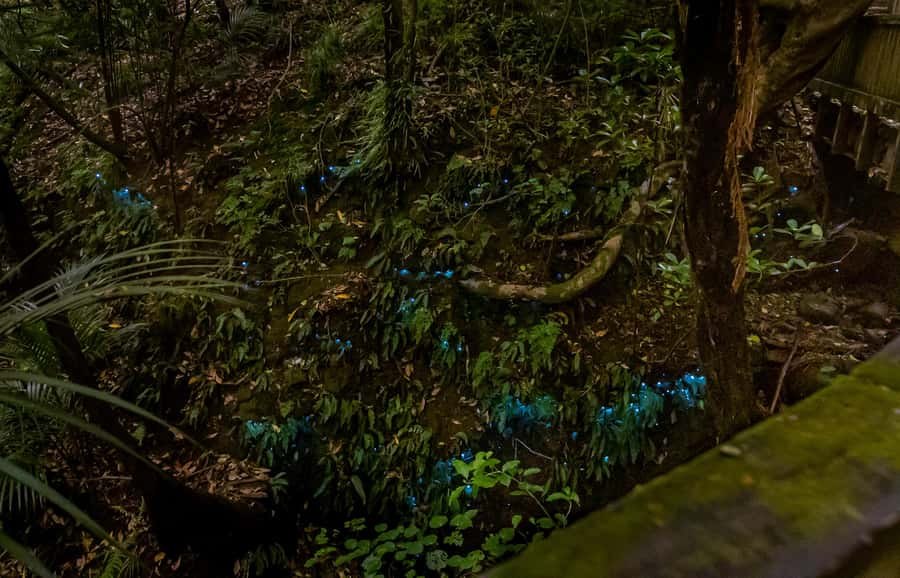
Glowworms get the headlines, but the hour is also filled with nature you can see even before the lights appear. The tour includes time through areas with native bush and Nikau palms, plus mention of hidden waterfalls along the route.
This matters for two reasons. First, it keeps the walk interesting even if glowworm lighting varies. Second, it helps you understand the habitat logic. Glowworms don’t glow in a vacuum. They show up where conditions match what they need—cover, humidity, and prey availability.
Even if the glowworms are your only goal, don’t rush past the water moments. People remember the whole walk, not just the final minute. The “in-between” parts are what turn it into a real evening stroll, not a one-spot stop-and-go photo session.
The life cycle lesson: what the guide helps you notice
A big part of the value is the guided explanation of the glowworm life cycle and behavior. This isn’t delivered as a lecture. It’s timed to what you can see while you’re out there, so you’re not learning facts in a vacuum.
You’ll likely hear how glowworms use bioluminescence to attract food and why their timing and placement matter. You’ll also pick up how their development stages connect to the glow you’re observing. When someone like Marius or Legend leads the group, the emphasis often lands on making the science feel practical—why that particular spot produces more glow, and what you should look for while you’re standing there.
Some guides also add extra sky and nature context. One person noted their guide pointed out constellations, which is a nice touch when the park stays quiet and dark and you want something beyond the creek lights.
Photos and the no-flash rule: how to get shots without ruining the night
Flash photography is not allowed, and that’s actually a good thing. Flash can wash out glow and disturb the animals. So the tour relies on low light viewing and the guide’s own lights to help you see what you’re doing.
To get good photos in this setting, I’d treat it like any night wildlife shoot:
- Focus on steadiness. Even a phone camera struggles when you’re moving.
- Take a few shots from a couple of distances. The glow looks different closer versus farther back.
- Don’t chase perfect framing; aim for honest glow + environment. The volcanic ground and water features add a lot.
Because photography is specifically part of the experience, you shouldn’t feel like you’re doing it wrong. The goal is to capture the glowworms and the surrounding nature, not just one blurred dot of light.
Also note the path is dark and not lit with lights. That means your photos will depend on what the guide illuminates. Let the guide lead you into position, then take your shots during the pause.
Logistics and comfort: dark steps, wet feet, and who should skip
This is the part you should take seriously, because the tour is short but not flat.
The route includes about 1.3 km of walking with ~30 steps up and down, plus an approximate 5% gradient and undulating terrain. The ground can be gravelly and rooted, and the path is described as dark (not lit). People also mention muddy/wet conditions, so footwear matters.
What to wear and bring:
- Comfortable walking shoes, ideally ones you don’t mind getting wet or muddy
- A camera (and plan for low light)
- Water
- Comfortable clothes you can move in
Who should not book it? The tour data lists several limits: it’s not suitable for people with back problems, mobility impairments, wheelchair users, claustrophobia, heart problems, or those with pre-existing medical conditions or low fitness. It’s also not recommended for people over 75. If any of that applies, skip it and look for a more accessible glowworm option.
One more practical note: the park feels quiet and dark. If you don’t enjoy walking in dim places, factor that into your comfort level even though you’re with a group and a guide.
Price and value: why $35 can be a smart Auckland night plan
At $35 per person for one hour, the value is mostly about convenience and focus. This is not trying to replace a full-day Waitomo-style cave trip. It’s giving you the city glowworm experience without the long travel day.
You’re paying for three things:
- Guided locating of the best viewing points so you’re not guessing in the dark.
- Hands-on habitat access in open air with barrier-free viewing.
- Explanation that turns the glow into something you understand, not just something you photograph.
Is it worth it if you want maximum glowworm density? Probably not compared with major cave systems. But for an Auckland night plan close to the CBD, it’s hard to beat. You can do it quickly, you can reach it with simple transport, and you still get a real nature setting.
One small plus for flexibility: there’s free cancellation up to 24 hours and a reserve-and-pay-later option, which helps when Auckland weather changes your plans.
Should you book this inner-city glowworm tour?
Book it if you want:
- A short evening activity in central Auckland
- Glowworms without cave travel
- A guided experience that includes life cycle context
- A night walk that’s more calm and intimate than big commercial outings
Skip it if:
- You need a very flat, well-lit route
- You face any of the listed health or mobility limitations
- You’re only satisfied by the highest glowworm counts in dedicated cave attractions
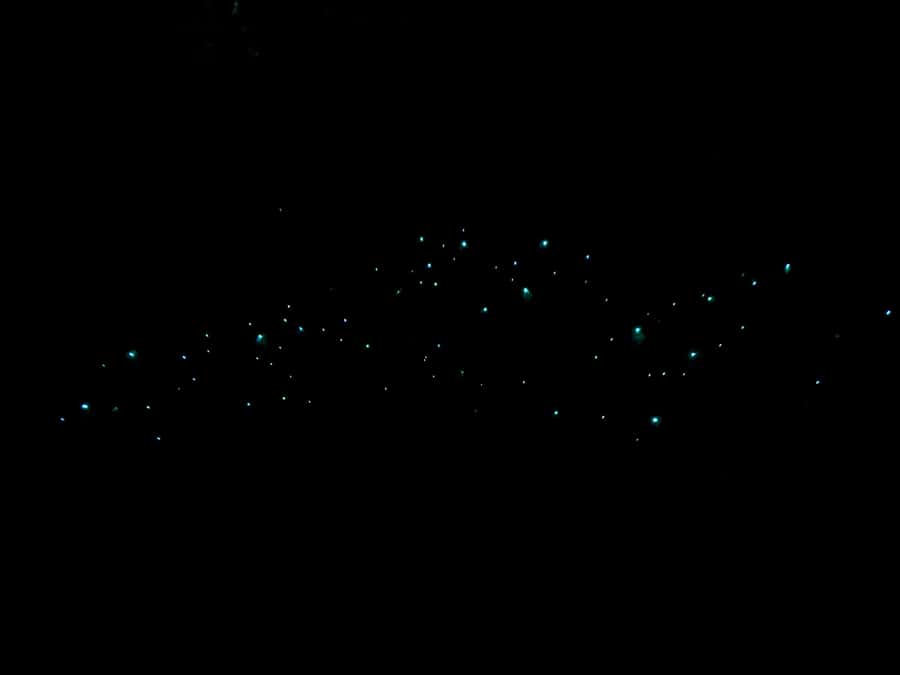
If you fit the first group, I think this is a smart Auckland move. You’re spending one hour, paying a modest amount, and getting that rare feeling of seeing a living galaxy while the city stays just close enough to remind you how unusual this is.
FAQ
How long is the glowworm experience?
It lasts 1 hour.
How much does the tour cost?
The price is $35 per person.
Where do I meet the guide?
Meet outside the Wintergarden Cafe inside Auckland Domain.
Is transportation included?
No. Transportation is not included.
Is the tour in English?
Yes, the live tour guide is English.
Are glowworms viewed in caves?
No. This experience is in an open natural environment in Auckland Domain, not in caves.
Is flash photography allowed?
No, flash photography is not allowed.
How much walking is involved?
The route is about 1.3 km with approximately 30 steps up and down, plus undulating terrain. The path is dark (not lit with lights).
What should I bring?
Wear comfortable shoes, bring a camera, bring water, and dress in comfortable clothes.
Is the tour suitable for wheelchair users or mobility impairments?
No. It is not suitable for wheelchair users or people with mobility impairments.