REVIEW · SOUDA
Chania: Battle of Crete and WW2 History Tour with Bunkers
Book on GetYourGuide →Operated by Proper Cretan Guide · Bookable on GetYourGuide
WWII gets real at Maleme airfield. I love how this private Battle of Crete tour builds the story around Operation Mercury sites, and how Apostolis uses original photos to compare now and then. The result is history that feels specific, not generic.
One consideration: you’re out for about 6.5 hours and the day includes walking and time outdoors, and the operator’s accessibility info is a little mixed (it’s listed as wheelchair accessible, but it’s also noted as not suitable for wheelchair users and mobility impairments). If that affects you, it’s worth confirming before you book.
In This Review
- Key highlights that make this tour worth your time
- Battle of Crete and Operation Mercury, explained where it happened
- Private historian-led pacing: why a 6.5-hour tour feels manageable
- Maleme airfield: the story starts with the airfield and the RAF memorial
- Contested bridge moments and Hill 107: reading the battlefield without speeding past it
- Cemeteries in Souda: German and Allied sites side by side in meaning
- Platanias and the bunker connection: scenic stops that still feed the story
- Galatas, POW-camp context, and those places that are easy to miss
- Undisclosed German bunkers and observatories: the outdoor museum effect
- Modern Crete after WWII: NATO context shows up during the day
- Price and value: what $200 buys you (and what it doesn’t)
- What to bring for this Chania bunker day (so you don’t suffer)
- Should you book the Chania Battle of Crete and WW2 bunkers tour?
- FAQ
- How long is the Chania Battle of Crete and WW2 bunkers tour?
- Is this tour private?
- What does the tour include?
- What isn’t included in the price?
- What languages is the tour guide available in?
- Where do you get picked up and dropped off?
- Is the tour wheelchair accessible?
- What should I bring?
- What age is the tour not suitable for?
Key highlights that make this tour worth your time
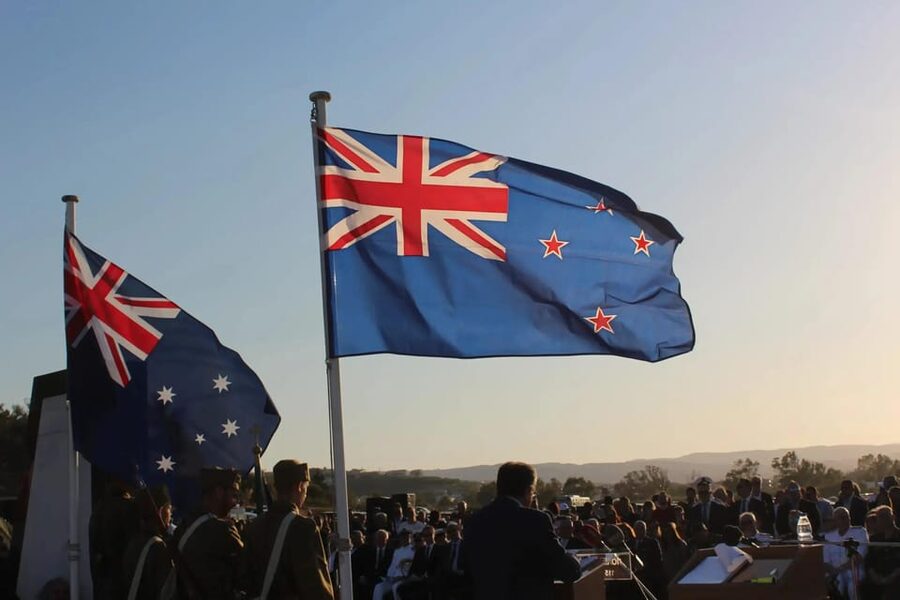
- Maleme airfield focus plus guided photo stops and on-foot time in the area
- Hill 107 and nearby battle positions that help you understand the fight across the ground
- Original wartime photos and archives used to compare past and present
- German and Allied cemetery stops around Souda to see how the war is remembered in stone
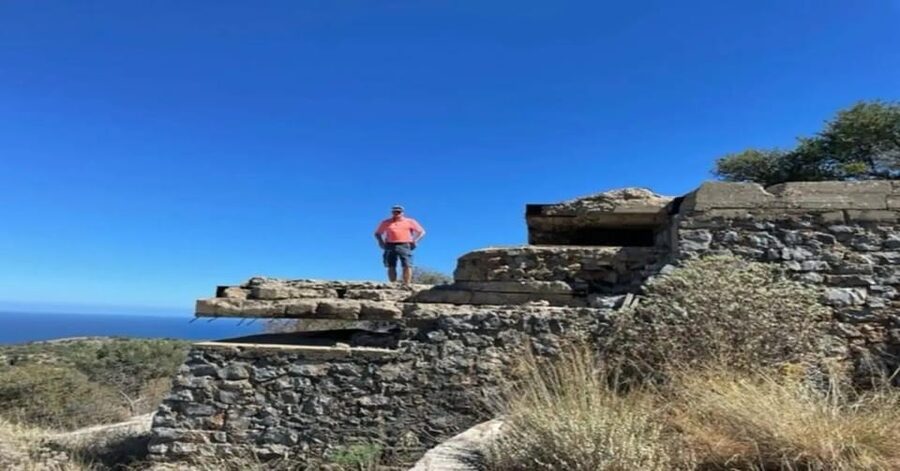
- Abandoned German bunkers and a bunker system in an undisclosed location, with views and live relics
- A pace that can be adjusted to what you want to prioritize during the day
Battle of Crete and Operation Mercury, explained where it happened
If you care about World War Two but get tired of lectures, this is a smarter way to do it. The whole point is to walk the same ground connected to Operation Mercury (the Battle of Crete) and to understand how it ties back to the wider Axis push that included Operation Marita, the conquest of Greece.
Your guide is a professional historian and a licensed tourist guide by the Greek Ministry of Tourism. That matters because the tour isn’t just pointing at ruins. It’s built to help you connect what you see to what was going on and why the sites mattered during the fighting in May 1941.
And the day has a strong “show-and-tell” method. You won’t just get names and dates. You’ll get comparisons—wartime photo evidence brought into conversation with what you can still recognize today.
Private historian-led pacing: why a 6.5-hour tour feels manageable
This is a private tour, so you’re not stuck with a group that moves on a different rhythm. You’ll be with friends or family, and your guide can set the tempo. One of the best parts of this tour is the way it leaves room to think—stopping, looking, and then talking when the moment is right.
In practice, that means the day doesn’t feel like a conveyor belt. Even when the route includes big featured stops, the pacing is kept relaxed enough that you can absorb the meaning of each place instead of just ticking boxes.
You also have some control over what you do not prioritize. In at least one case, the plan was adjusted so a cemetery stop (Souda Bay Cemetery) could be skipped because it had already been visited. That tells me the tour is not rigid; it’s built to fit your interests.
Maleme airfield: the story starts with the airfield and the RAF memorial
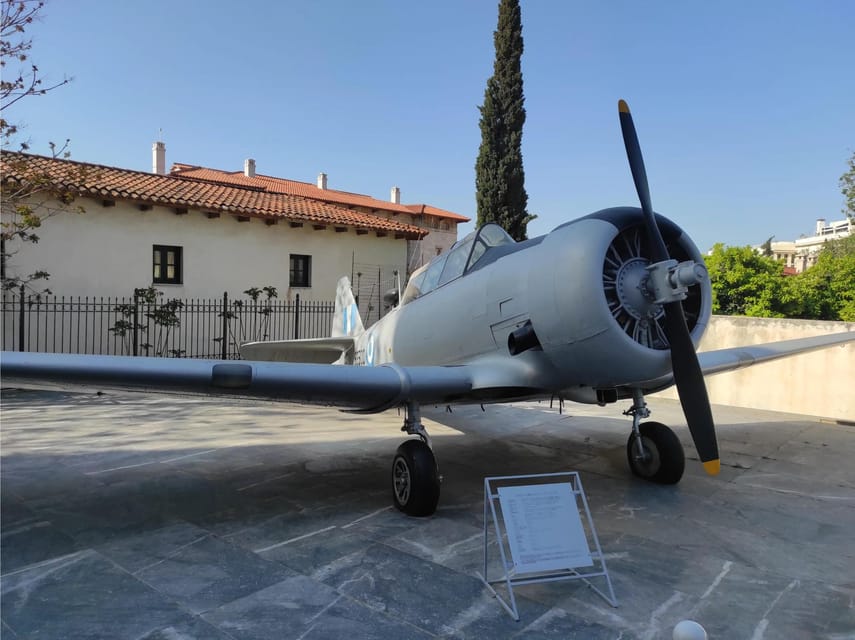
Maleme is the center of gravity for this day. You start with a guided visit around the airfield area, then you move through a mix of photo stops and walking time.
What makes Maleme special on this kind of tour is that it turns the Battle of Crete from a headline into a series of physical impressions: where people had to act fast, where positions mattered, and where the battle’s pressure showed up in the ground itself. You’ll also see the RAF memorial area as part of the bigger Maleme-to-battlefield narrative.
The photo-stop structure is a big deal. Seeing the airfield region with wartime images in mind helps your brain build the “then” picture without needing your guide to force it. And in one of the detailed 5-star reviews, the guide used original photos at multiple locations to compare now and then, which is exactly how this tour stays memorable.
Contested bridge moments and Hill 107: reading the battlefield without speeding past it
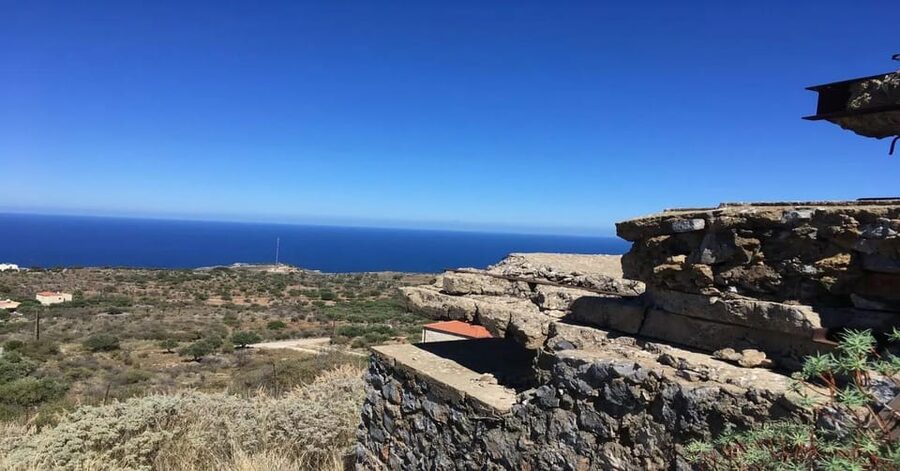
After Maleme, the day keeps moving through positions that were contested during the fighting. Hill 107 is a key named stop, and it’s the kind of place that rewards attention to small details—how far you can see, how terrain guides movement, and why an approach would be risky.
You’ll also hit other battlefield-linked points nearby, including areas tied to bridges and the fighting around them. One review specifically mentions the contested bridge as part of the learning flow, with the guide connecting what the site represents to what happened there.
The value here is that you start understanding the battle as a sequence of decisions and pressures rather than disconnected “places to photograph.” Even if you’re not a WWII nerd, this is the moment where the tour clicks and you start feeling the logic of the conflict across the area.
Cemeteries in Souda: German and Allied sites side by side in meaning
The tour includes visits to major WWII military history sites in Crete, including cemeteries in the Souda area. That typically means both a German war cemetery and an Allied war cemetery stop in the routing.
Cemeteries can be emotionally heavy, and that’s exactly why they belong on a well-run history tour. You can’t always get the human weight from bunkers and battlefield ground alone. The cemeteries help balance the day: you see the aftermath, the cost, and how different sides are remembered in the same broader geography.
If you’re the type who finds memorial sites powerful but needs breathing space, you’ll likely appreciate the tour’s pace. One review highlighted that the guide knows when to step away and give you time and space to think. That’s a practical skill on a day like this, not just a nice personality note.
Platanias and the bunker connection: scenic stops that still feed the story
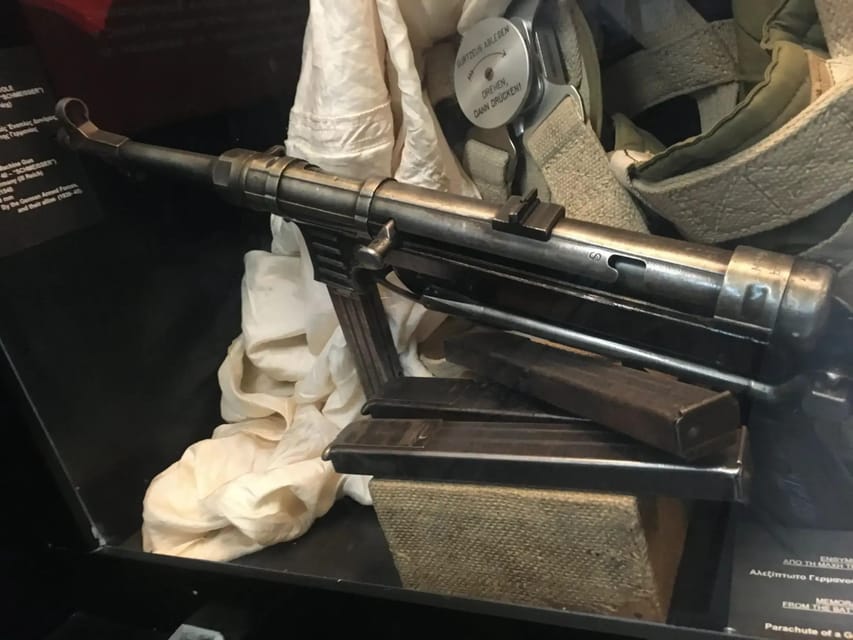
Platanias is included as part of the day with a self-guided scenic time on the way and a focused stop in the area. You’re not wandering aimlessly; the scenic moments support the battlefield context you’re already building.
This is also where the tour’s “bunker” theme continues in a more grounded way. A review mentions a Platanias bunker stop as part of the route, which fits the tour’s promise to show relics from the Battle of Crete and Operation Mercury era.
You’ll likely find Platanias useful if you like history you can connect to place. After Maleme and Hill 107, the bunker component makes more sense. And before the more remote, less-visited installations, Platanias helps bridge the story so the next stops don’t feel random.
Galatas, POW-camp context, and those places that are easy to miss
The tour also includes stops tied to lesser-visited but meaningful WWII locations. One review mentions Galatas and a former POW camp as part of the itinerary.
This kind of stop is where a historian guide earns their keep. Cemeteries and well-known memorials are important, but the forgotten or lesser-marked places often tell you more about daily consequences of the war: what happened to people, what conditions were like, and how conflict stretched beyond the headline battles.
The tour’s marketing leans into “desolated & unknown places,” and that matches what you’ll want if you like history that doesn’t feel sanitized. It’s also the part where you can feel how much is still out there to be discovered on the island, not just the famous targets.
Undisclosed German bunkers and observatories: the outdoor museum effect
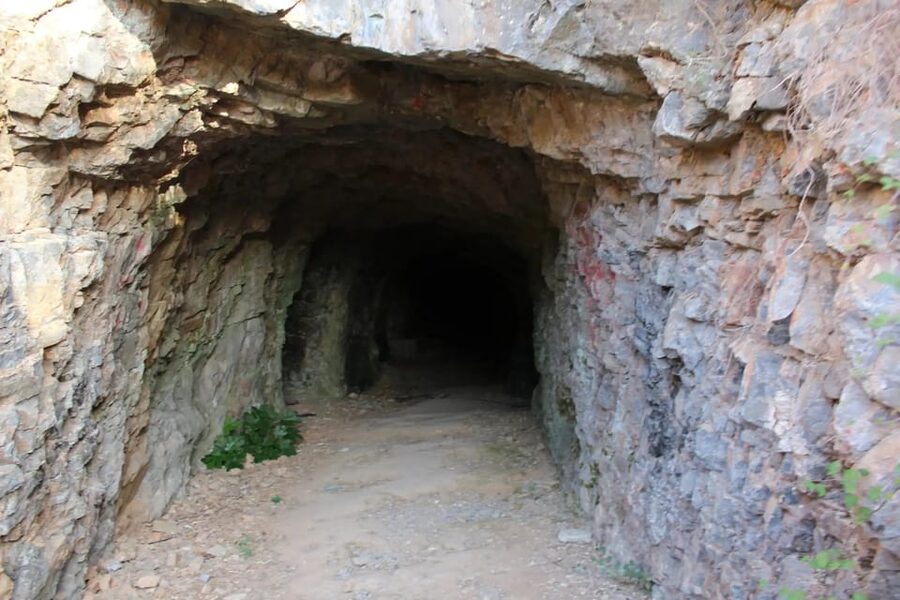
The headline “bunkers” promise isn’t just window dressing. The tour includes exploration of rare abandoned German bunker installations connected to the defensive efforts during WWII in Greece. There’s also a highlight about seeing unknown German bunkers and lookouts/observatories.
One of the most interesting details is that the bunker location is undisclosed. That usually means you’re going somewhere less exposed and less crowded, which tends to make the experience feel more authentic and less like a standard sightseeing stop.
You can also expect live relics and an open-air museum kind of thrill, with views that help you understand how defensive systems were positioned. If you’re the kind of traveler who likes to stand in a place and ask why it was built this way, this is the portion of the day that delivers.
Just remember: you should wear comfortable shoes and be ready for outdoor time. The tour includes walks and walking time, and these are exactly the kind of stops where footing matters.
Modern Crete after WWII: NATO context shows up during the day
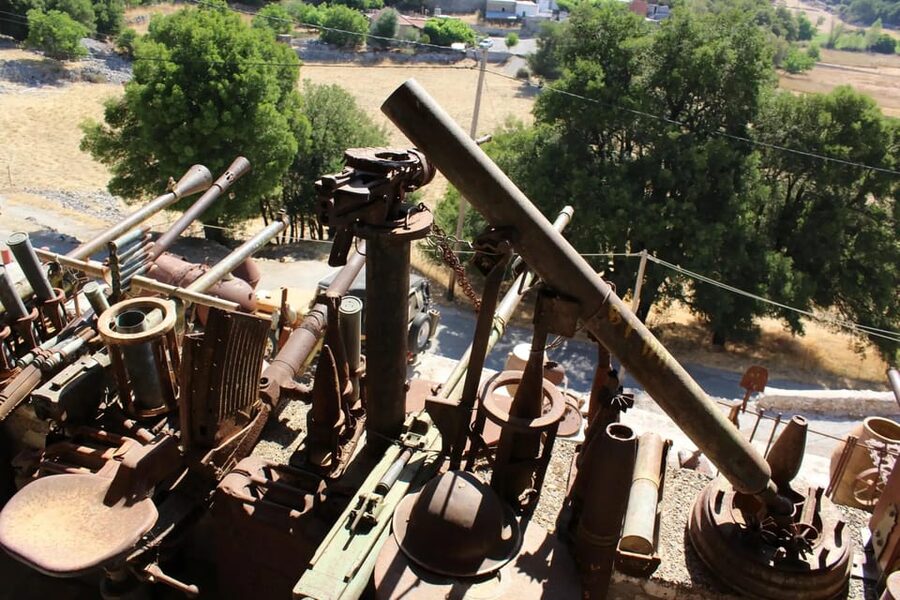
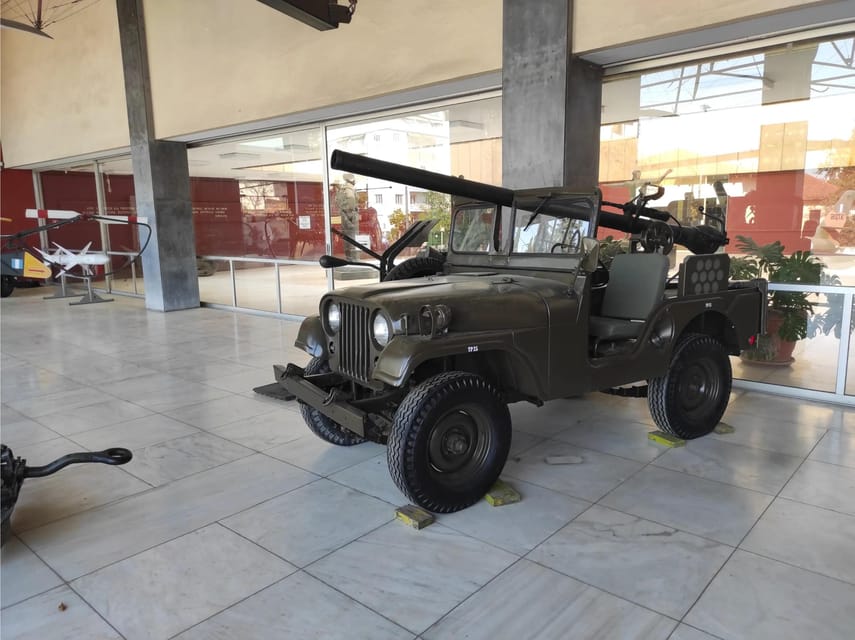
A strong and practical surprise in the reviews is how the guide connects the WWII sites to modern Crete. One detailed review notes learning about modern military service and why NATO has a base here.
That matters because it keeps the day from turning into history-as-a-museum-only exercise. You’re seeing how the island’s strategic position didn’t disappear after the fighting stopped. The war era explains part of the present-day story, including the military logic that still shapes decisions.
This also gives the tour a wider lens. Instead of ending at relics and leaving you with only the past, you leave with a clearer sense of why these sites still matter in everyday regional life.
Price and value: what $200 buys you (and what it doesn’t)
At about $200 per person for a roughly 6.5-hour private tour, you’re paying for several things at once: a historian-licensed guide, private transport in a modern air-conditioned vehicle, and time built around specific battlefield and bunker sites.
That pricing also makes sense because the tour isn’t only “drive by famous spots.” It includes guided visits, photo evidence work, and exploration of abandoned installations. The hidden/less-known locations and the guide’s research-focused approach are often where the value shows up.
What’s not included is also worth noting. Food and drinks are on you. There’s also mention of a 5-euro entrance fee to a Battle of Crete war museum if you choose to visit it. The tour also includes surprise gifts at the end, plus full liability insurance and taxes—small line items, but they reduce friction.
What to bring for this Chania bunker day (so you don’t suffer)
This tour sets you up with simple, solid advice. Bring comfortable walking shoes—seriously, you’ll want them for walking time and bunker exploration. Add a hat, sunscreen, and water, since parts of the day are outdoors and you’ll want to stay comfortable in the sun.
A camera helps because the guide’s comparisons are photo-friendly. If you like learning through visual evidence, you’ll probably want to capture what you see in person too.
You won’t need to worry about smoking, since it’s not allowed.
Should you book the Chania Battle of Crete and WW2 bunkers tour?
Book it if you want WWII history with place-based explanations, not a generic driving tour. You’ll get Maleme airfield context, Hill 107, cemetery stops around Souda, and then the bunker/observatory portion that turns “history” into something you can physically stand near.
Skip it if you want minimal walking or if accessibility requirements are a deciding factor. The provided info contains conflicting accessibility notes, and the tour includes outdoor walking and time that could be tough depending on your mobility.
If you love original evidence—photos used to compare then and now—and you want a guide who can keep the day thoughtful and not rushed, this is the kind of tour that tends to leave people thinking long after they’re back in Chania.
FAQ
How long is the Chania Battle of Crete and WW2 bunkers tour?
The tour lasts about 6.5 hours.
Is this tour private?
Yes, it’s a private tour, meaning you’ll be alone with your friends or family.
What does the tour include?
It includes a professional historian tour guide licensed by the Greek Ministry of Tourism, private transport in a modern A/C vehicle, major WWII battlefield sites, exploration of abandoned German bunkers of the Battle of Crete era, visits to sites and monuments of historical significance, rare historical archives and photos, free pickup and drop-off from central Chania areas, and surprise gifts at the end.
What isn’t included in the price?
Food and drinks are not included, and there may be a 5-euro entrance fee if you visit a Battle of Crete war museum.
What languages is the tour guide available in?
The live tour guide speaks English and Greek.
Where do you get picked up and dropped off?
Pickup and drop-off are included from all central areas of Chania. The tour also specifies that the guide will wait about 5 minutes before the start.
Is the tour wheelchair accessible?
The details state it is wheelchair accessible, but it also lists not suitable for wheelchair users and people with mobility impairments. If accessibility matters for you, it’s smart to confirm directly with the provider.
What should I bring?
Bring comfortable shoes, a hat, a camera, sunscreen, and water.
What age is the tour not suitable for?
It’s not suitable for children under 8 years.