REVIEW · LIMA
From Lima: Discover the Ancient Sites Caral & Bandurria
Book on GetYourGuide →Operated by Inca Trilogy Tours S.A.C · Bookable on GetYourGuide
One early start, big ancient payoff. Caral and Bandurria turn a long day from Lima into a focused look at two sides of ancient Peru: planned sacred cities and coastal life tied to the sea.
I especially like how the morning sets context. You’re not just looking at ruins; you’re learning why Caral, in the Supe Valley, matters for the story of early Andean civilization.
The main drawback is the commitment: you’ll be in the sun for a full day, with a 6:00 am pickup and a return around 8:00 pm.
In This Review
- Key points worth knowing
- Why Caral and Bandurria feel like two different chapters of ancient Peru
- The 6:00 am pickup and the long northbound ride (what you should plan for)
- Caral in the Supe Valley: sacred city architecture and astronomical clues
- Learning from a live guide: the difference between ruins and meaning
- Lunch time in the middle of the day: the one hour that keeps you going
- Bandurria: wetland fishing-village remains and the view toward the Pacific
- Price and value: is $300 reasonable for a 15-hour, two-site day?
- What to pack for sun, comfort, and smooth site visits
- Logistics that affect how enjoyable the day feels
- Who should book this Caral and Bandurria day trip?
- Should you book this tour?
- FAQ
- What time is pickup from Lima hotels?
- How long is the tour?
- Is the tour guided and in English?
- How big is the group?
- What’s included in the price?
- What should I bring?
- Is free cancellation available?
Key points worth knowing
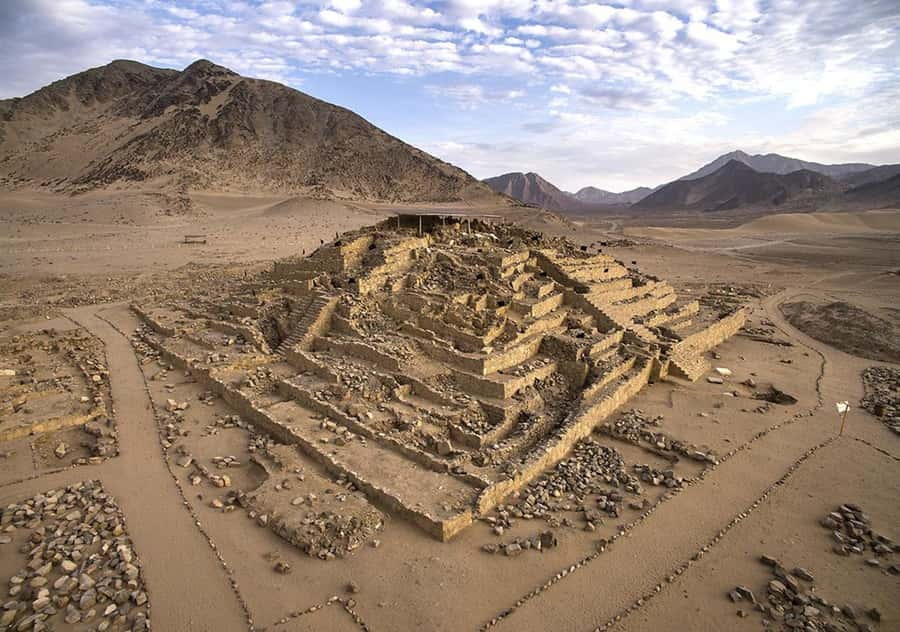
- A rare double-site outing: Caral’s sacred complex plus Bandurria’s coastal fishing-village remains, both in one day.
- Small-group feel (max 14): easier questions, more personal pacing, and less rushing through the ruins.
- Historical framing, not just photos: you’ll learn what you’re seeing, including Caral’s temples and astronomical centers.
- Wetlands-to-ocean scenery: Bandurria ends with a panoramic look toward the Pacific and Albufera Paraíso.
- Long but structured timing: an early start, a real lunch break, then a second site before heading back to Lima.
- English live guide: practical commentary that keeps the archaeology understandable.
Why Caral and Bandurria feel like two different chapters of ancient Peru
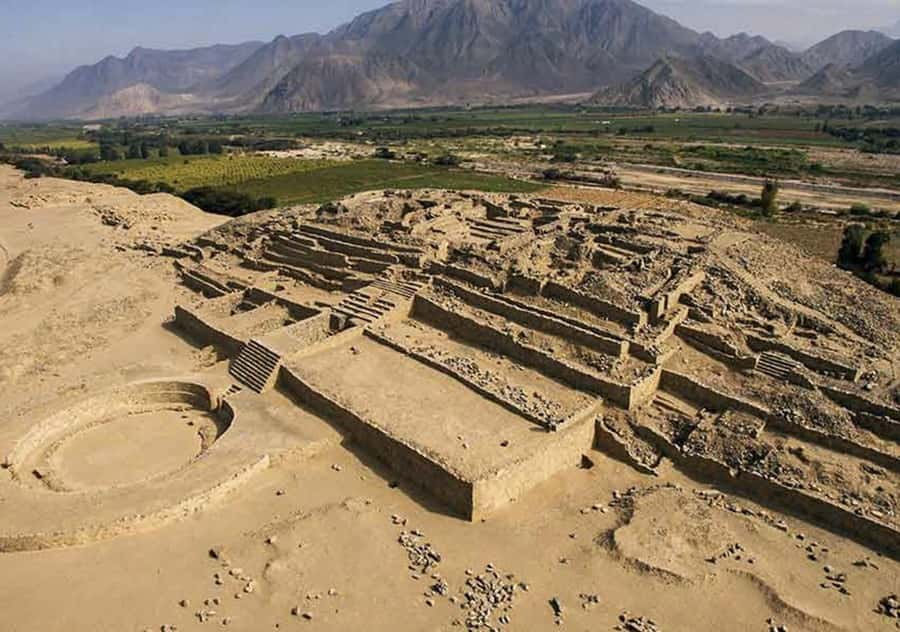
If you’re already in Lima, this is one of the most satisfying ways to stretch beyond the city walls. Caral is about early settlement planning—pyramids, temples, and astronomical centers that are more than five thousand years old. Bandurria shifts the focus to life on the coast and in the wetlands, with its own archaeological shapes and a big ocean-facing view.
What I like most is how the two sites talk to each other. Caral shows a society that could organize labor, build ceremonial architecture, and track the sky. Bandurria hints at how communities used coastal resources, still leaving behind mounds, pyramids, and circular areas that echo Caral’s monumental style.
The result is a day that feels coherent, even though you’re driving north for hours. You come back with both wonder and a clearer mental map of what early Peru may have looked like.
You can also read our reviews of more tours and experiences in Lima.
The 6:00 am pickup and the long northbound ride (what you should plan for)
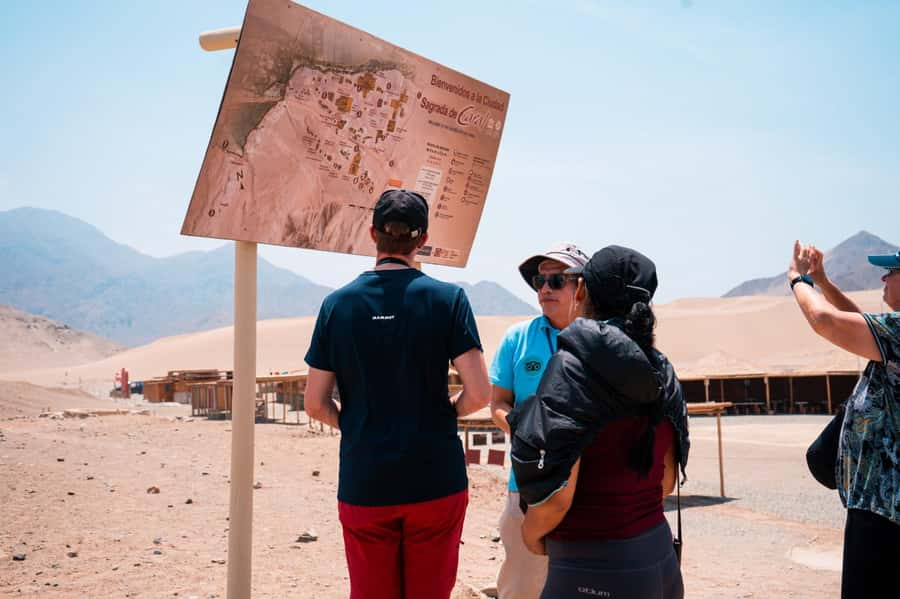
You’ll start early: pickup from main hotels in Lima begins at 6:00 am, and you’ll meet your group at the hotel reception about 10 minutes before. From there, you head north toward the archaeological zone where the ruins of Caral remain.
This kind of outing works best if you’re prepared for time in transit. The total day runs about 15 hours, with a return drop-off around 8:00 pm. Having an air-conditioned tourist bus helps, but it still won’t change the fact that it’s a full-day commitment.
Bring the “quiet survival kit” for a long day. I’d plan on water (it’s not included beyond what you bring), wear comfortable clothes you can move in, and keep your camera accessible. If you’re the kind of traveler who likes to take notes, this is also a good day to keep a small notebook or map app handy so you can anchor what you learned to where you were standing.
Caral in the Supe Valley: sacred city architecture and astronomical clues
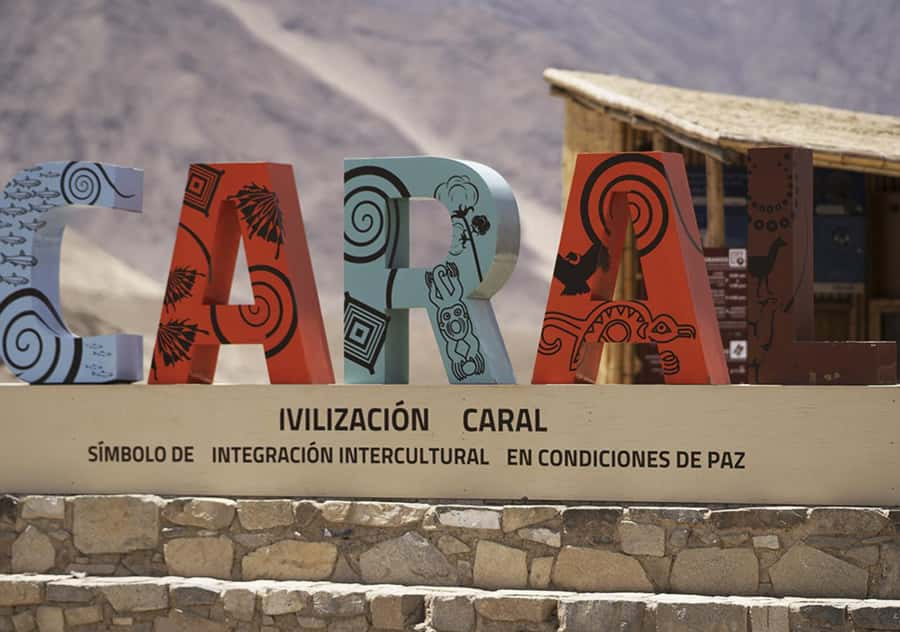
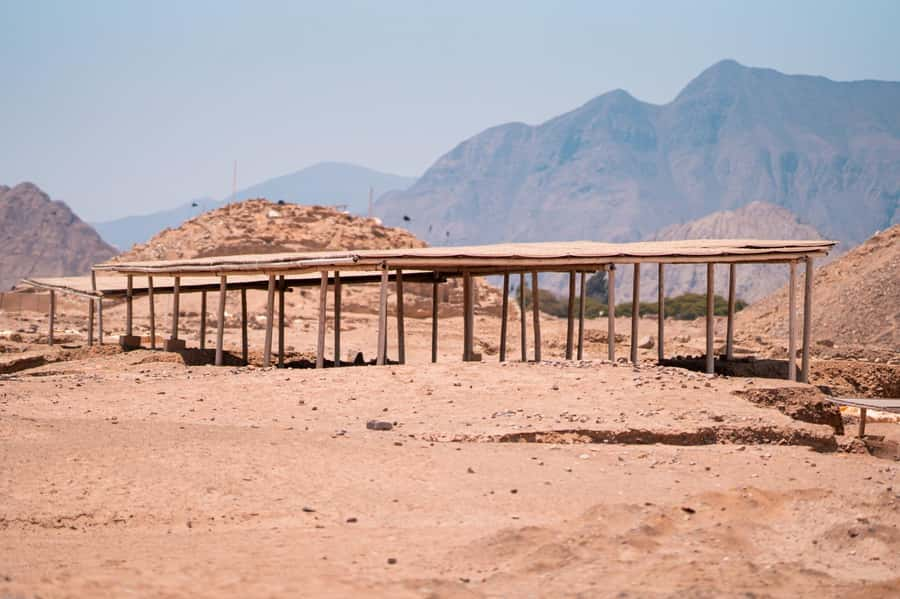
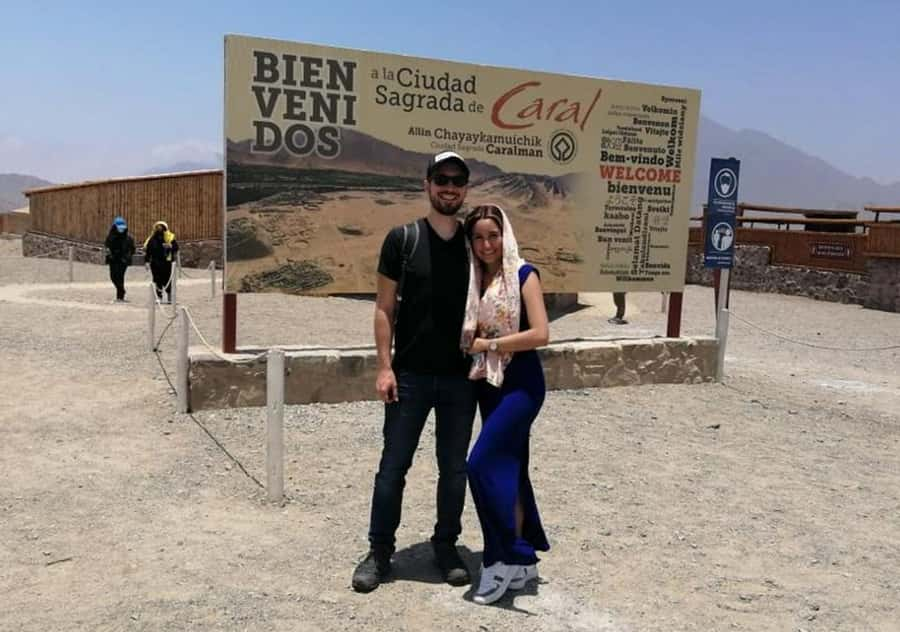
Caral is the centerpiece, and the tour’s pacing respects that. You’ll arrive at the archaeological site where you can see the monumental layout: pyramids, temples, and astronomical centers. These structures are part of one of the first cities of the Americas, and they’re dated at more than five thousand years old.
Caral is located in the Supe Valley, often described as a cradle of Andean civilization. The tour guide explains that it’s considered the third-oldest place with human settlement in the world, behind Mesopotamia and Egypt. Even if you don’t memorize those timelines, it helps you understand the scale of time you’re standing inside.
What to watch for on-site
You’ll want to look at the geometry and purpose of the spaces, not just the size of the ruins. The guide-led explanation helps connect why certain buildings feel different from typical “pile of stones” archaeology. For example, Caral’s astronomical centers aren’t presented as random features; they’re framed as part of how people interacted with the sky.
A practical note: this is an outdoor site. The tour takes place in the sun, so you’ll be walking and stopping for photos in bright conditions. I’d dress like you’ll be outdoors longer than you expect, because the day is structured for extended time at the ruins and then another site right after.
Learning from a live guide: the difference between ruins and meaning
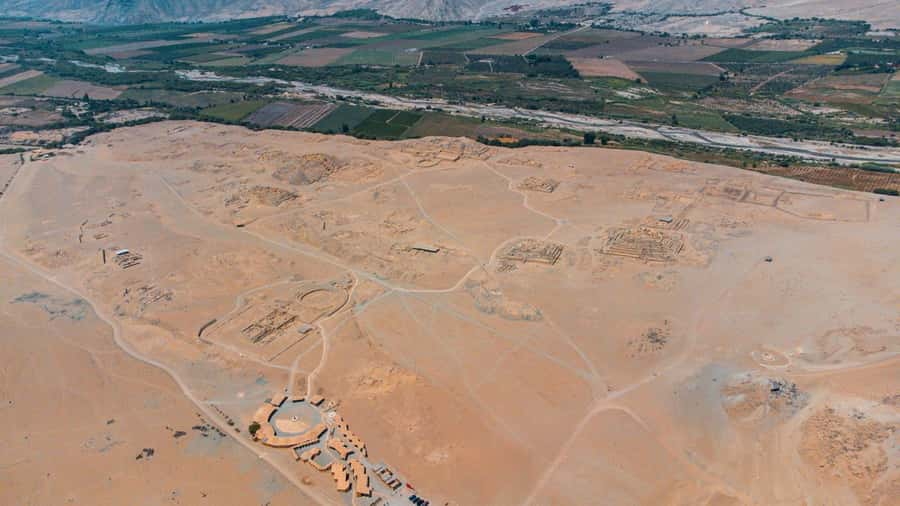
This isn’t a self-guided “wander around and hope you get it right” day. You’ll travel with an official English-speaking guide who walks you through the history and what each area represents.
In particular, the tour’s value comes from the way it ties the structures to the story of the people. The names you might hear from your guide matter because they’re credited with clear, detailed explanations. Past groups have highlighted guides such as Roxanne and Noemí for being professional and thorough in how they explain what you’re seeing.
If you like archaeology but find it easy to get lost in dates, this type of guide work helps. Instead of trying to connect everything yourself, you’ll get a framework: where Caral sits in the Supe Valley, what makes it sacred and planned, and how that connects conceptually to Bandurria’s remains.
Also keep an eye on pacing. A good guide doesn’t just talk; they make sure you’re looking at the right parts of the complex before the story moves on. That’s a big part of why small-group tours feel more satisfying than larger bus outings.
Lunch time in the middle of the day: the one hour that keeps you going
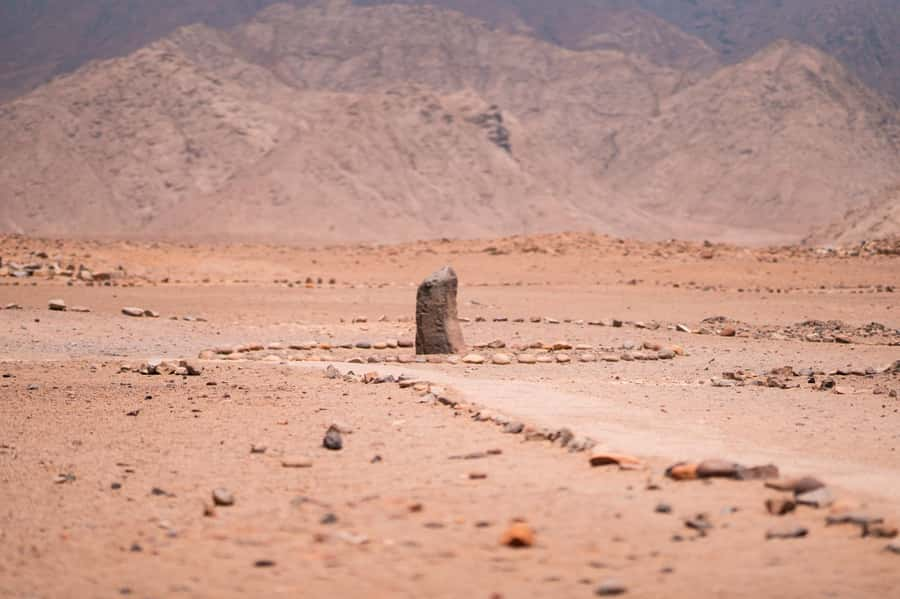
After learning about Caral, you get about one hour of free time for lunch. Lunch is included, but drinks aren’t—so if you want bottled water or something else, plan to buy it separately.
This break is more than convenience. It’s your chance to cool down, recharge, and manage energy for the second half of the day. If you’ve ever done a long archaeology day and then felt wiped out at the second stop, you know why this timing matters.
What to do during lunch
Keep it practical. Eat something filling, hydrate, and avoid starting the next section feeling sluggish. Then return to the group ready for sun again—Bandurria’s viewpoint time comes after more travel, and you’ll want your energy for it.
Bandurria: wetland fishing-village remains and the view toward the Pacific
After the lunch break, you head toward the Wetlands of Paradise area. Then you visit the archaeological complex of Bandurria, described as an ancient fishing village. This change of setting is one of the best parts of the day because it turns archaeology into a lived geography: wetlands, coast, and the practical shapes people built for their communities.
At Bandurria, you can see pyramids, mounds, and circular areas. The tour also points out similarities to Caral—especially the idea that certain monumental design choices show up across sites, even when the lifestyles behind them were likely different.
The payoff comes at the end. After exploring the complex, you approach a natural viewpoint with a panoramic view of the Pacific Ocean and Albufera Paraíso. This is where the day stops feeling purely academic and becomes visual and emotional. You’re seeing the environment these communities would have depended on.
What makes this stop worth it
Bandurria can feel less “iconic” from a distance than Caral because it’s not always about one giant photo spot. But the guided explanation helps you read it. You learn what the shapes likely signaled, and then you finish with a horizon view that helps you understand why coastal and wetland settlements mattered.
Price and value: is $300 reasonable for a 15-hour, two-site day?
At $300 per person for a 15-hour trip, you’re paying for more than entrance tickets. You’re paying for an early start, long-distance transportation from Lima, and a live guide who focuses on interpretation instead of just logistics.
Here’s what’s included: lunch, entrance tickets to both Caral and Bandurria, an official tourism guide, and air-conditioned transport. You’re also in a small group capped at 14, which can matter more than you’d think when the day is long and you want to ask questions without shouting on a crowded bus.
The big value check is this: you’re getting two major archaeological experiences in one go. A lot of travelers either do Caral alone or skip one site due to time. This tour strings them together with structured timing—Caral first, then Bandurria—so you don’t spend your limited Peru time bouncing between half-finished plans.
The main cost-related tradeoff is opportunity. This is a full-day commitment, and you give up the chance to explore Lima’s neighborhoods or take a shorter day trip. If you want deep archaeological context in limited time, the price can feel fair. If you’re only mildly interested in ruins, it may feel like too much sun and too many hours.
What to pack for sun, comfort, and smooth site visits
This tour is in the sun, so packing is part of the experience. The basics are straightforward: bring water, comfortable clothes, and a camera. Weather-appropriate clothing matters because mornings and late afternoons can feel different, but you’ll still be outdoors during the viewing moments.
You’ll also want cash since drinks aren’t included and you may want extras. Bring your ID card (a copy is accepted). If you’re trying to travel light, good—just make sure you don’t sacrifice comfort, because you’ll be moving through outdoor ruins in daylight.
Not allowed: baby carriages. And it’s not suitable for people over 95 years, so if you’re choosing this for older family members, take that into account.
Logistics that affect how enjoyable the day feels
Small-group tours shine when you can keep your mental energy. With a maximum of 14 participants, you’re less likely to feel like you’re being dragged through sites on someone else’s schedule.
Pickup is from main hotels, and you’ll need to show up at the reception about 10 minutes before the scheduled time. If you’re late, it can throw off your day because the first stop is timed and you’ll start moving north early.
English is the guide language. If you’re comfortable listening in English, you’ll get the interpretation. If you’re sensitive to long days, plan for rest in transit—use the air-conditioned ride to reset.
Also note: opening hours can change. That doesn’t mean the day collapses, but it explains why the pacing can be adjusted on the fly. Be flexible in your expectations, especially if you’re also traveling in Peru around the same dates.
Who should book this Caral and Bandurria day trip?
I’d point you toward this tour if you want structured context for ancient Peru without spending multiple days on the road. It suits you if:
- You enjoy archaeology but want it explained clearly in English.
- You like small groups and appreciate having time to ask questions.
- You want both a sacred urban site and a coastal/wetland setting in the same day.
- You can handle a full day with a 6:00 am start and long outdoor stretches in the sun.
It’s also a good fit if you’re the type who likes big scenery at the end. That Pacific-and-Albufera Paraíso viewpoint is a satisfying bookend after walking through carved stone and ceremonial architecture.
I’d skip it if you’re mainly looking for a relaxed half-day. This tour is built around pace, heat, and two archaeological complexes. If you’re easily worn down by long travel days, you may find it demanding.
Should you book this tour?
Yes—if Caral and Bandurria are on your Peru list, this is one of the more efficient ways to see them together with a real guide. The day is long, but the structure makes the hours feel purposeful: Caral’s pyramids, temples, and astronomical centers in the morning, lunch afterward, then Bandurria’s fishing-village remains and that panoramic Pacific viewpoint.
Also, the small-group size (max 14) helps you feel more connected to the experience. And the guide reputation for clear, detailed explanations—names like Roxanne and Noemí come up in people’s memories—signals that you’ll spend less time wondering what you’re looking at.
If you’re comfortable with sun exposure and the full-day timing, booking is an easy call.
FAQ
What time is pickup from Lima hotels?
Pickup starts at 6:00 am from main hotels in Lima, and you should be at the hotel reception about 10 minutes before.
How long is the tour?
The tour lasts about 15 hours, with drop-off back in Lima at approximately 8:00 pm.
Is the tour guided and in English?
Yes. It includes an official live tourism guide speaking English.
How big is the group?
The group is small, limited to 14 participants.
What’s included in the price?
The price includes lunch, entrance tickets to Caral and Bandurria, an official tourism guide, and air-conditioned tourist transport.
What should I bring?
Bring a camera, water, comfortable clothes, cash, and a valid ID (a copy is accepted). Also use weather-appropriate clothing.
Is free cancellation available?
Yes. You can cancel up to 24 hours in advance for a full refund.