REVIEW · GUADALAJARA
Charreria heritage tour be a charro for a day
Book on Viator →Operated by Andares de Mexico · Bookable on Viator
Ride like a charro in Guadalajara. This 3-hour experience at Campo Charro Jalisco is a hands-on way to understand charrería—history, horses, and rope work—while a real charro coach, often Jorge, guides the whole flow.
I especially love the personal teaching style. Jorge (and sometimes Marco) keeps things relaxed, checks in on comfort, and answers questions in a patient, bilingual way, which matters when you’re learning something physical like roping and riding.
One thing to consider: it’s dusty, athletic, and there’s no lunch. Plan to eat beforehand, wear clothes you can move in, and skip this if dust triggers allergies.
In This Review
- Key Highlights You’ll Actually Remember
- Be a Charro for a Day at Campo Charro Jalisco
- Morning Pickup and How the Day Typically Starts
- Museum and Stables: Where Charrería Makes Sense
- Rope Work With a Real Charro: Lasso Skills Without Pressure
- Horseback Riding in the Arena: What “Be a Charro” Means
- Tequila Tasting and Mariachi Music: The Finale Part Works
- Time, Weather, and Practical Packing for Soft-Dirt Fun
- Who Should Book This Charro Experience—and Who Might Skip It
- Is the Value Good for a 3-Hour Tour?
- Should You Book This Tour in Guadalajara?
- FAQ
- What time does the Charro heritage tour start?
- How long is the experience?
- Is pickup offered in Guadalajara?
- Is lunch included?
- What’s included in the tour besides activities?
- Can kids participate?
- Is it suitable for people with dust allergies?
- What happens if the weather is bad?
Key Highlights You’ll Actually Remember
- Campo Charro Jalisco museum + horse stables to connect culture with the animals right away
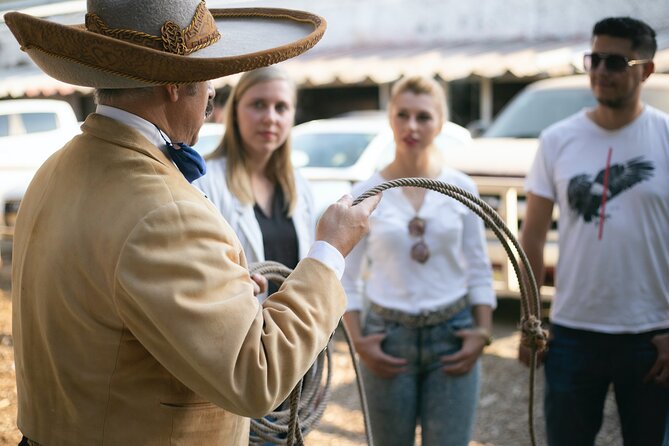
- Lasso practice taught like a skill, not a gimmick
- Horseback riding in the arena where charros compete
- Tequila tasting for ages 18+ plus traditional mariachi music
- Jorge’s guitar and singing add a very personal end to the day
Be a Charro for a Day at Campo Charro Jalisco
Guadalajara has plenty of classic tours. This one is different because you don’t just watch charrería—you participate in it. In about three hours, you’ll move from learning to trying, with horses and rope work at the center of the experience.
The core idea is simple: charrería is not only a sport. It’s tied to identity, tradition, and the training that goes into handling a horse with control. You’ll feel that shift from the first moments on-site, when the museum context meets the working stables.
This is also a good group size. The tour has a max of 25 travelers, which means you’re not lost in a crowd while you’re trying to learn lasso techniques. And yes, you’ll get a riding helmet and bottled water, which helps you focus on the fun part.
You can also read our reviews of more tours and experiences in Guadalajara.

Morning Pickup and How the Day Typically Starts
Most people start at Campo Charro Jalisco, Av. Dr. Roberto Michel 577, Rincón de La Agua Azul, 44460 Guadalajara, Jal., Mexico. The tour begins at 10:00 am, and it ends back at the meeting point.
If you’re in the pickup zone, there’s a complimentary morning shuttle transfer. The return transfer is not included, so plan for your own ride back. That’s the one logistics detail that can catch you off guard—especially if you’re coming from farther out or relying on a single car service.
If you’re not doing pickup, just arrive a little early so you can settle in. You’ll want time to check your gear, see where the activities start, and get briefed before the horse time begins.
Museum and Stables: Where Charrería Makes Sense
The first part of the experience centers around the site’s museum and horse stables. This is where you get the “why” behind what you’ll do later—what charros represent in Jalisco, how traditions developed, and what the practices are meant to communicate.
What I like here is the pacing. Instead of jumping straight into riding, you get context first. That matters because charrería isn’t random fancy cowboy behavior. It has structure, symbolism, and a lot of training that shaped modern charro culture.
Then you move into the stables. Seeing the horses up close changes the whole mood. You’re not just learning about horses in theory—you’re meeting the actual partners you’ll ride and work around. If you like animal experiences, this part is satisfying even if you’re a beginner.
Also, the tour is not long. That’s a plus for many schedules. You’ll get a cultural introduction and then quickly transition into hands-on time, so the day doesn’t drag.
Rope Work With a Real Charro: Lasso Skills Without Pressure
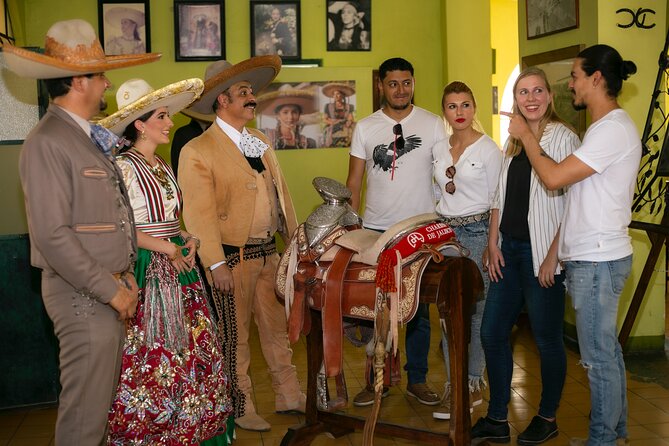
At this point, the tour shifts from learning to doing. You’ll get guidance on rope handling and lasso use, led by your charro instructor—commonly Jorge, who’s praised for being patient and fun while teaching.
Here’s the practical truth: roping is awkward at first. Your hand and wrist don’t instantly do what your brain wants. That’s why a calm coach matters. The best part of this tour is that you’re taught with enough structure to make progress, but without the vibe that you’re failing.
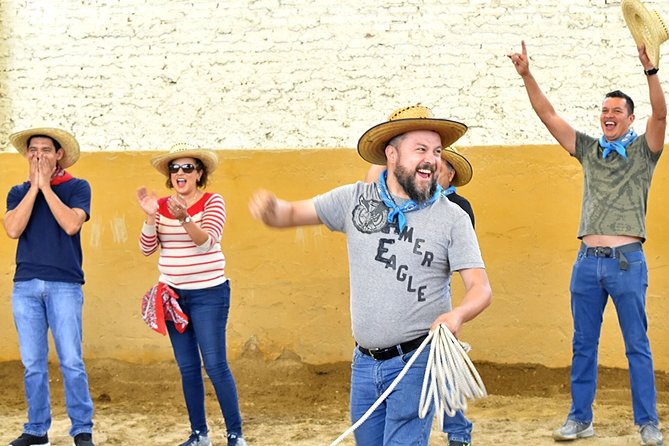
The roping segment is also one of the big crowd-pleasers because it’s interactive. You’ll get a chance to practice, not just take photos. And because the group is limited to around 25 people, the teaching stays more personal than you’d expect from a half-day tour.
If you’re traveling with kids or a teen, this is often a strong fit too. The physical element pulls attention, while the history adds a reason behind the fun.
Horseback Riding in the Arena: What “Be a Charro” Means
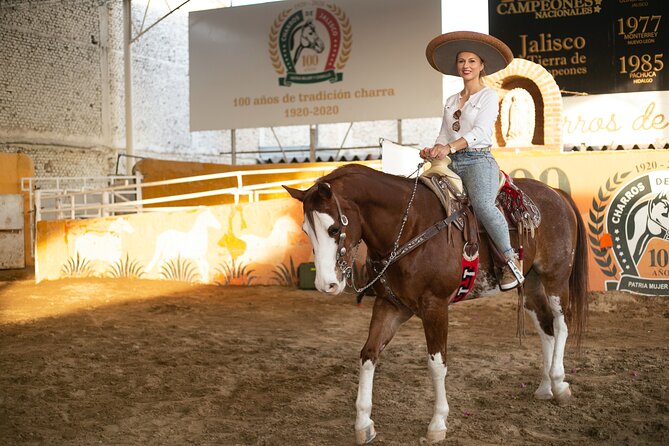
After the lasso work, you’ll ride a horse. This happens in the arena setting tied to charro events, and the vibe can feel bigger than the time on your calendar. You’ll be in the space where charros perform, which adds weight to the whole experience.
A major value point: you’re riding with instruction, not just being handed a saddle and sent off. Your guide helps you understand how to handle the horse more safely and confidently, and they check in on your comfort.
If you’re nervous around horses, don’t assume it’s out of reach. Many people come in uneasy and still manage to enjoy the ride because the coach is focused on comfort and step-by-step guidance. That’s especially true with Jorge, whose style is described as patient and supportive.
Important note: the tour involves soft dirt and active movements. One person called out the athletic nature of the day—so expect to get a bit dusty and to use your legs and balance a fair amount.
Tequila Tasting and Mariachi Music: The Finale Part Works
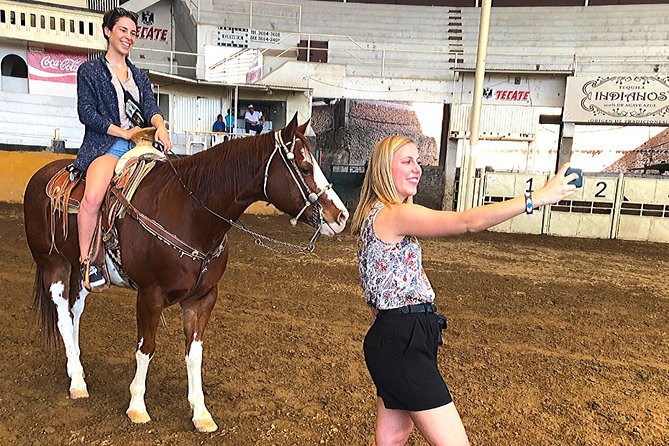
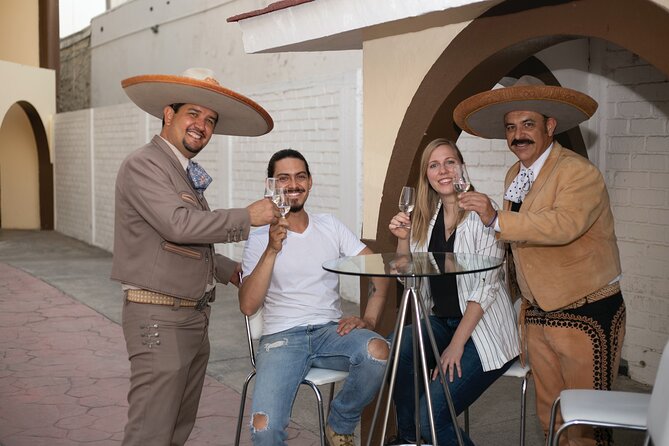
Now for the fun ending. You’ll enjoy tequila tasting and listen to traditional Mexican music—often described as mariachi. It’s a classic combination for this region, but here it’s placed like a celebration after you’ve done the work.
Tequila tasting is only for people 18 years old or more, so if you’re traveling as a mixed-age group, the non-drinkers still get the music and the atmosphere. That balance makes the finale feel inclusive.
One of the most praised moments is the personal performance vibe at the end. People talk about guitar music and singing from Jorge, which adds a human touch. It doesn’t feel like a staged show; it feels like part of the day’s hospitality.
If you love “stories with a soundtrack,” this is the part that lands. You’ll leave with more than photos—you’ll leave with a memory of the emotional rhythm of the ranch experience.
Time, Weather, and Practical Packing for Soft-Dirt Fun
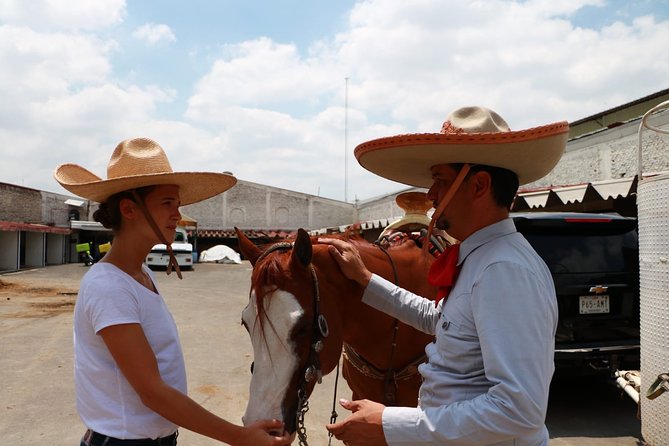
This experience runs about 3 hours, starting at 10:00 am. It’s short enough that you can still do other things in Guadalajara the same day, but it’s long enough to feel like a real activity, not a quick stop.
Weather matters. The tour requires good weather, and if conditions are poor, you’ll be offered a different date or a full refund. Since you’ll be outside and riding, this isn’t just a technicality.
Packing is simple but think ahead:
- Bring a water-friendly mindset (you’ll get bottled water).
- Wear clothes that handle dust and movement.
- Plan to eat before you go, because lunch isn’t included.
That last point comes up a lot. The ride and roping can work up an appetite. If you arrive hungry, you’ll have a less enjoyable time during the hands-on parts and especially afterward.
Who Should Book This Charro Experience—and Who Might Skip It
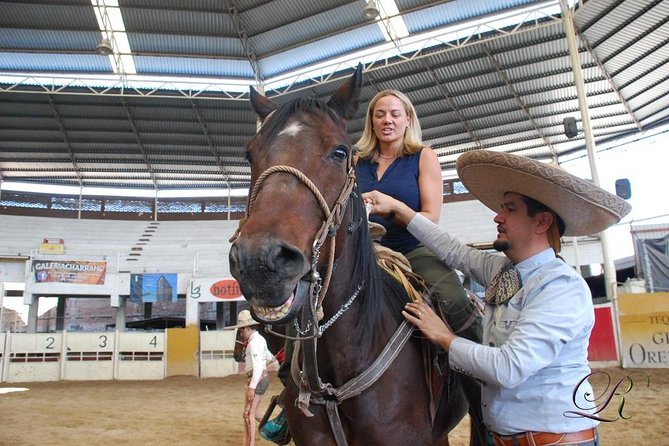
This tour fits best if you want culture you can touch. If you like experiences where you learn a skill, meet horses, and get context behind what you’re seeing, this is a strong choice.
It’s also a great match if you enjoy small-group travel and don’t want to spend your half-day shuttling between multiple stops. Here, the value is concentrated: museum, stables, lasso practice, riding, then tequila and music.
It may not be ideal if you:
- Have a dust allergy (it’s not recommended for that).
- Want a super-relaxed sightseeing day with lots of downtime. This is hands-on and physical.
Good to know: service animals are allowed, and the site is near public transportation, which can help if you’re flexible about how you get there.
Is the Value Good for a 3-Hour Tour?
Yes, mostly because the included parts connect. Many short tours give you one highlight and the rest is waiting around. Here, the highlights build on each other: history and meaning first, then lasso practice, then riding, then tequila and music.
You also get practical inclusions:
- Riding helmet
- Bottled water
- Tequila tasting for those 18+ only
Add in the small group size and the fact that the guides are described as patient teachers, and it starts to feel like you’re paying for real participation, not just access.
The only common “value friction” is that lunch isn’t included. If you address that (eat before), the day feels like good use of time.
Should You Book This Tour in Guadalajara?
If you want an authentic, hands-on charrería experience with horses, rope work, and a guide who makes it feel personal, I’d book it. This is the kind of tour that leaves you with a story you can’t get from a museum alone.
Book it if:
- You’re curious about the cultural role of charros in Jalisco
- You’re excited to try lasso skills, not just watch
- You’d enjoy tequila and mariachi music as a celebration
Consider skipping (or booking only with caution) if:
- Dust allergies are a serious issue for you
- You hate athletic activities like balancing and moving on soft dirt
- You don’t want to manage your own return transport
If you’re on the fence, here’s the deciding question: do you want to learn and do, or just see? This one is firmly in the learn-and-do category.
FAQ
What time does the Charro heritage tour start?
It starts at 10:00 am.
How long is the experience?
The tour lasts about 3 hours.
Is pickup offered in Guadalajara?
Yes, you can get a morning shuttle pickup within specified areas. The return ride is not included.
Is lunch included?
No, lunch is not included.
What’s included in the tour besides activities?
You get a riding helmet and bottled water. Tequila tasting is included for participants 18 years old or more.
Can kids participate?
The tour notes that most travelers can participate, and guides have been described as patient with families. Specific age rules aren’t listed beyond the tequila requirement.
Is it suitable for people with dust allergies?
It is not recommended for people allergic to dust.
What happens if the weather is bad?
The experience requires good weather. If it’s canceled due to poor weather, you’ll be offered a different date or a full refund.