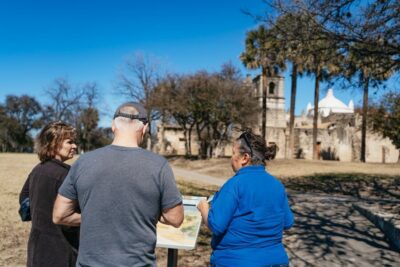
REVIEW · NASHVILLE
Civil War History Tour – The Battle of Franklin, Tennessee
Book on GetYourGuide →Operated by Gray Line of Tennessee · Bookable on GetYourGuide
That ground feels different when you see the marks. A 7-hour bus day in Franklin, Tennessee puts you at bullet holes and cannonballs tied to the three-house story of the Battle of Franklin. You’re not just looking at photos of the Civil War; you’re standing in homes that held real people while one of the bloodiest fights in the war raged right nearby.
I also love how the day is built around contrasts: each mansion is a different example of Civil War-era architecture, with its own artifacts, antiques, and war damage that helps the battle click in your head. One drawback to consider: the schedule is paced and structured, so you’ll want to plan for lunch on your own in historic downtown Franklin with enough time to eat and still meet back up.
In This Review
- Key Things You’ll Remember from the Battle of Franklin Tour
- Why Franklin’s Civil War Sites Hit Harder
- The 7-Hour Rhythm: How the Day Stays Moving
- Carter House: Tactics, Trauma, and the Civil War in a Home
- Lotz House: Three Stories in One Building
- Carnton Plantation: Architecture Meets the Aftermath
- Bullet Holes and Cannonballs: What You Should Actually Look For
- Lunch in Historic Downtown Franklin: Fuel Without Losing the Thread
- Price and Value: Is $93 Worth It?
- Who Should Book This Tour (and Who Might Want to Pass)
- Practical Tips to Get More from Every Stop
- Should You Book the Battle of Franklin Civil War History Tour?
- FAQ
- How long is the Civil War History Tour – The Battle of Franklin, Tennessee?
- What’s included in the $93 price?
- Do I get hotel pickup and drop-off?
- Will I have time for lunch?
- Is the tour wheelchair accessible?
- Can I cancel for a full refund?
Key Things You’ll Remember from the Battle of Franklin Tour
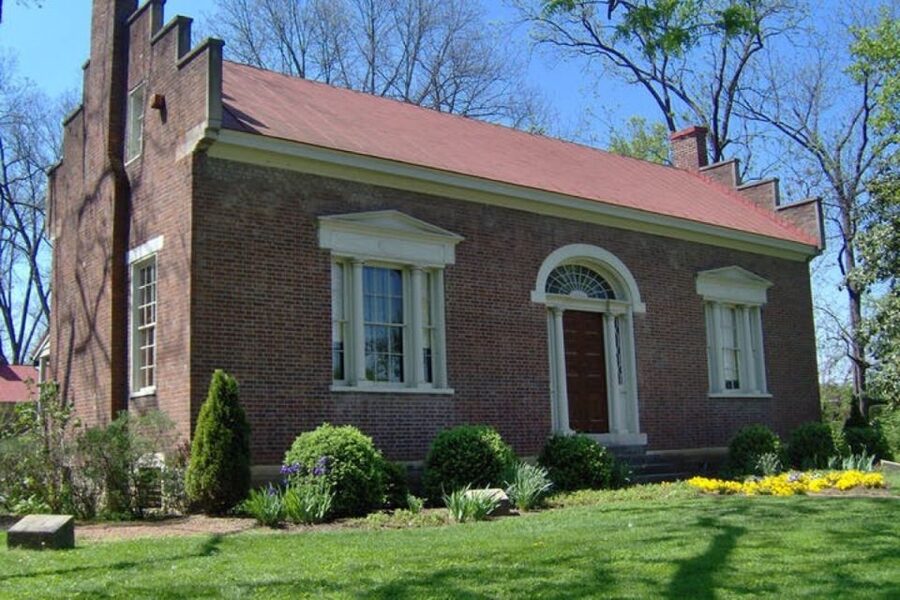
- You see the damage up close: bullet holes and cannonball dents are part of the experience, not a side note.
- Three homes, three perspectives: the Carter House, Lotz House, and Carnton Plantation each add a different angle on what happened.
- Guides bring the story down to the human level: drivers like Julie and Roger, plus the house docents, focus on tactics, survival, and impact.
- A real Franklin lunch break: you get time to eat in historic downtown Franklin between home visits.
- Transport is a big part of the value: a comfortable bus and smooth routing help you spend your energy on history, not navigation.
Why Franklin’s Civil War Sites Hit Harder
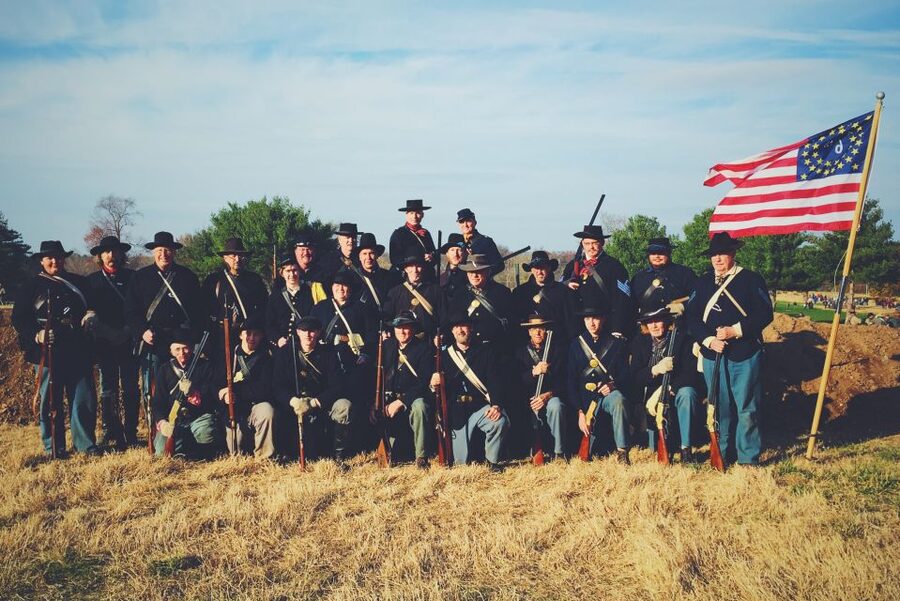
Franklin, Tennessee doesn’t feel like a museum shelf. It feels like a place where the Civil War still has weight. That’s because the tour centers on what many consider Ground Zero for the Battle of Franklin, one of the war’s most brutal, tightly packed fights.
What makes this stop especially compelling is that you’re moving through lived-in spaces. These aren’t battlefield overlooks where you stand at a distance. You’re in homes that had to absorb the chaos—sometimes literally—while families nearby tried to keep going. When you’re standing in a room and you can point at the damage and imagine the noise and fear, the story stops being abstract.
And yes, the war marks are the hook. But the stronger payoff is how the guides connect those marks to the reality of soldiers and civilians getting pulled into the same terrifying event. Even if you’ve visited other Civil War sites before, this one tends to land differently because it’s about the clash in and around the houses, not just the marching.
The 7-Hour Rhythm: How the Day Stays Moving
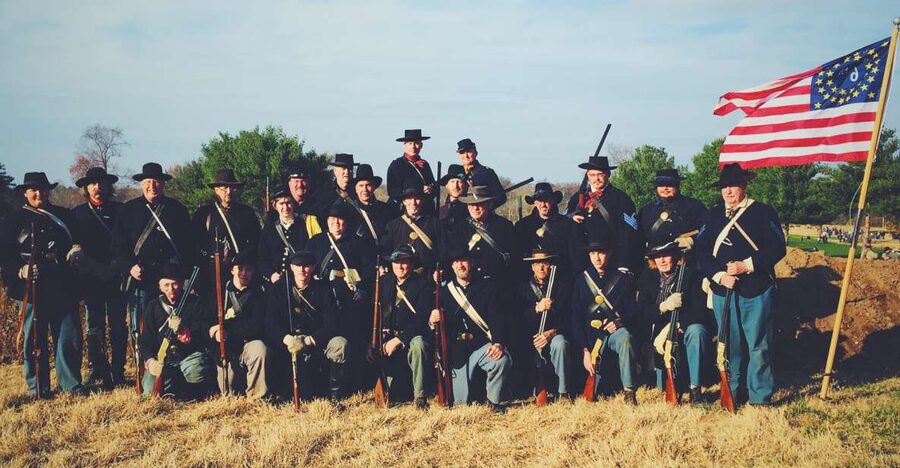
This is a straightforward, guided half-day-to-evening kind of outing. You’ll spend about 7 hours on the clock, riding between the three historic homes and getting guided time at each stop. Because it’s a bus day, you’re not driving yourself or worrying about where to park for every location.
You’ll also want to know the tour doesn’t include meals. You’ll have time for lunch on your own in historic downtown Franklin between house visits. That works well if you like picking your own pace for food, but it also means you shouldn’t assume lunch will be handled for you.
One small practical note: if you’re coming from out of town, I’d plan ahead for where you need to park and how you’ll find the pick-up point. People have asked for clearer pre-trip guidance on that front, so don’t treat it as a “figure it out on the fly” situation.
Carter House: Tactics, Trauma, and the Civil War in a Home
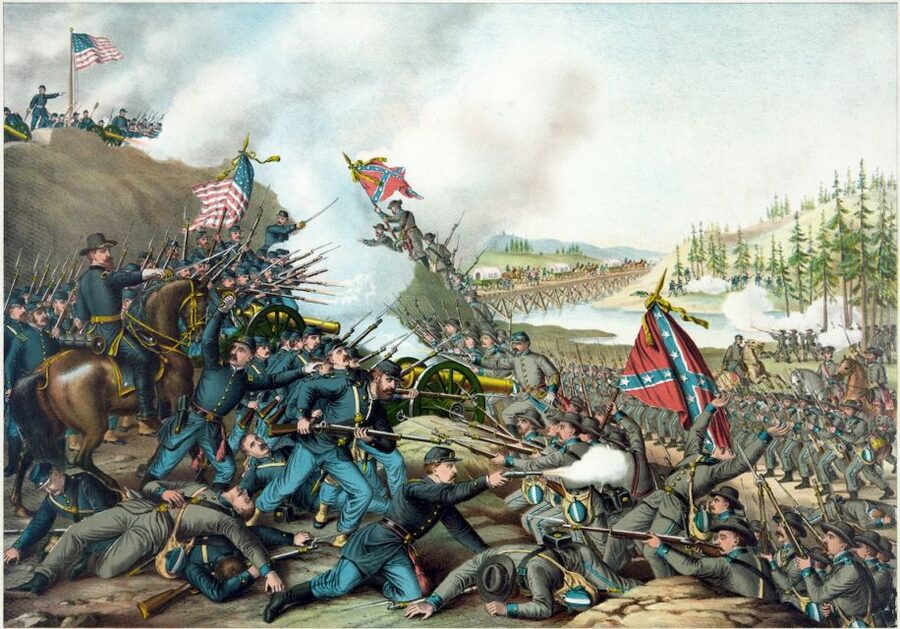
The Carter House stop is where the battle story starts getting real, fast. You’ll walk into a Civil War-era house tied to the events of Franklin, and the experience is built around seeing what happened from the inside out.
What I like about this stop is the way the guide’s focus tends to land on cause and effect: where danger came from, what weapons and tactics meant in practice, and how quickly a peaceful home could become part of a battlefield. You’ll often see the bullet holes and other damage that make the scale feel immediate rather than distant.
One reason this house works so well is that it helps you visualize the battle as more than lines on a map. You start to understand how the fight’s pressure squeezed civilians as much as soldiers. At the Carter House, that reality comes through in the stories you’re told and the physical evidence you can look at.
Drawback-wise, this is one of the heavier stops emotionally. If you prefer Civil War history that stays more academic and less personal, this house may feel intense. But if you’re here for the human cost—this is the point where it usually clicks for people.
Lotz House: Three Stories in One Building
Lotz House is where the tour shifts your perspective. You’re still in Franklin’s central story, but the presentation has a different feel—more survival, more household impact, more of the everyday fear that war creates.
This stop is especially effective because Lotz House is part of the trio for a reason: the tour is trying to show you how the battle unfolded across nearby spaces, not just in one spot. The architecture stays interesting, but it’s the way the guide connects specific rooms and features to what people experienced that keeps you engaged.
If you like history that’s grounded in objects, this is also a strong stop. You’ll get time to notice the house as a physical artifact—Civil War-era design plus the marks left by the fighting. Those bullet holes and cannonball indentations aren’t there for shock value; they’re used to frame the story.
Only caution: you’ll be learning a lot in a short window. Wear comfortable shoes and keep your questions ready. The docents are willing to answer, and the best conversations tend to happen when you ask about what you’re seeing.
Carnton Plantation: Architecture Meets the Aftermath
Carnton Plantation rounds out the triangle with a different mood. It’s still about the Battle of Franklin, still about the war’s direct hit on real places and real lives, but you’ll experience it as the bigger-picture reality of what the fighting meant.
Carnton is a plantation home, and the setting helps you understand how varied the people and pressures were in the area. The guide’s job here is to connect the architecture and the surrounding space to what unfolded during and after the battle. You’ll be looking for details, because the physical evidence—like bullet holes and cannonball impacts—helps the story stay anchored.
This stop can be a favorite for people who like Civil War-era interiors, antiques, and the way a house’s features reflect its era. But it also tends to be emotionally serious, because the battle’s outcomes and the toll on people become harder to ignore here.
One practical consideration: there’s sometimes a feeling that the final stop could use a little more time. I get it. By the time you reach Carnton, you’ve likely ramped up emotionally and intellectually. If you’re the type who loves to linger and inspect, you might wish the day had a few more minutes at the last house—still, you’ll get the key guided highlights.
Bullet Holes and Cannonballs: What You Should Actually Look For
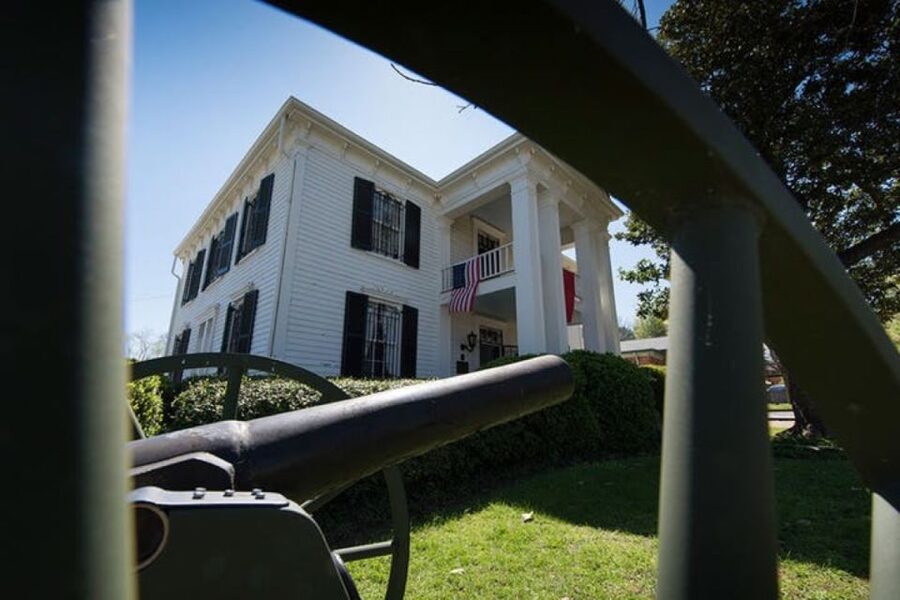
Seeing bullet holes is one thing. Understanding what they represent is another. This tour does the second part well.
Here’s how I’d approach it during your walk-throughs:
- Look at the location, not just the impact. The guide’s explanation helps you connect where a mark is to what people were doing when the fighting surged.
- Use the architecture as your time machine. Rooms, doorways, and angles help you imagine movement and cover.
- Listen for weapon and tactic context. The story becomes much clearer when the guide ties physical evidence to how the battle progressed in a compressed, brutal window.
This is also where the guides you might meet—like Julie or Roger—tend to shine. They usually keep the details understandable while still making the experience sobering. You come away feeling the war’s long reach didn’t stop at the battlefield line.
And yes, it can give you chills. Not because the tour tries to be scary, but because it’s hard to see evidence like this without picturing real bodies and real fear.
Lunch in Historic Downtown Franklin: Fuel Without Losing the Thread
Between home visits, you’ll have lunch on your own in historic downtown Franklin. This is a real perk. It breaks up the intensity with regular-life rhythm: coffee, casual food, and time to wander a charming downtown on foot.
From what I’ve seen on similar structured history days, this kind of lunch break is exactly where people either love the day more—or feel rushed. The good news here is that the tour includes time you can use for lunch and a bit of exploration. Even better: drivers have been known to recommend food spots, which helps if you’re hungry and not sure where to start.
My advice: eat something quick enough that you’re not rushing back with shaky legs. You’re coming off guided walking, so give yourself a little buffer for restrooms and getting your bearings.
Price and Value: Is $93 Worth It?
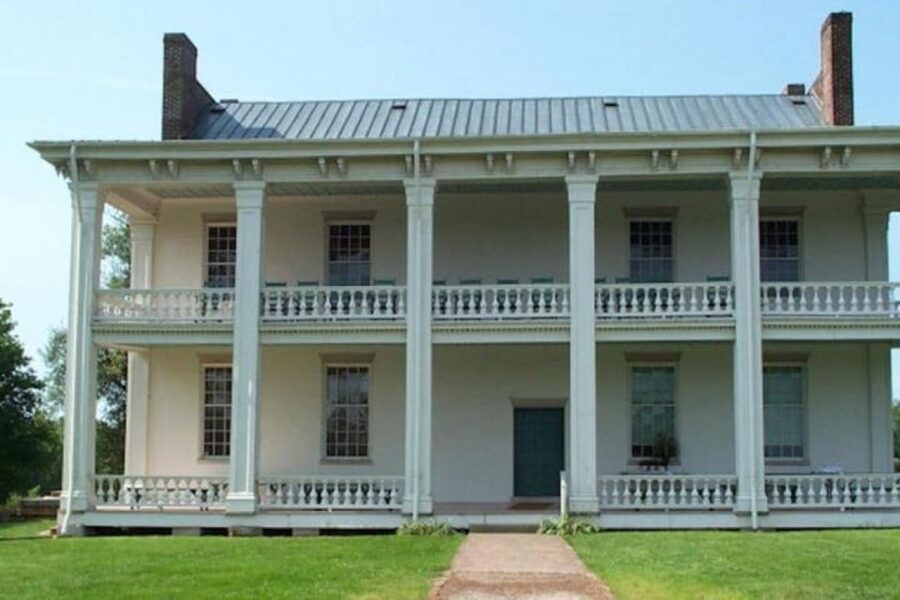
At $93 per person for about 7 hours, the big value driver is that admission fees to the Carter House, Carnton Plantation, and Lotz House are included. That means you’re paying for more than access. You’re paying for guided interpretation in three different historic spaces where the battle left physical evidence.
If you were to visit these houses individually, you might spend a similar total on admissions alone—then add the cost of transportation and the time it takes to coordinate your own day. This tour gives you one organized plan, plus a guide’s ability to translate what you’re seeing into a coherent story.
The other value point is transport. People report a high success rate with the bus experience—92% of reviewers gave it a perfect score—so you can expect comfortable logistics that let you focus on the sites.
So who wins at this price? People who like history explained on-site, people who want to see bullet holes and then understand them, and people who’d rather ride in a bus than drive themselves between three locations.
Who Should Book This Tour (and Who Might Want to Pass)
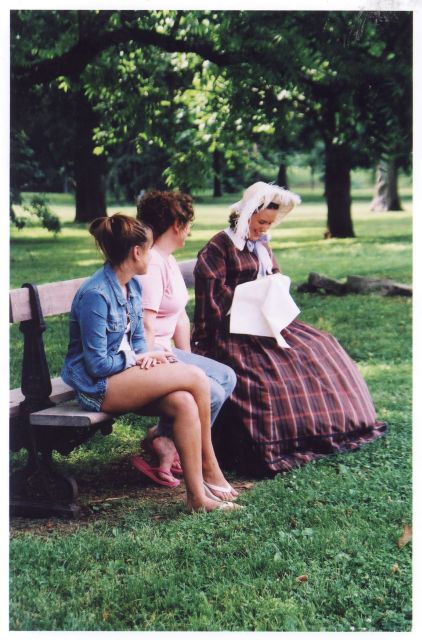
This is a strong fit if you:
- want Civil War history that’s serious and physical, not just a lecture
- like walking through historic homes and using architecture to understand the past
- want a day that mixes battle context with real-world household stories
It may be less ideal if you:
- prefer a more relaxed sightseeing pace with lots of free time
- don’t handle heavy subject matter well, since the sites are tied to intense suffering
- hate any schedule structure, because the day has defined stops and transitions
If you’re traveling with kids, this can still work. One family outing described it as a great experience for a 14-year-old, mainly because the guides make the story concrete by tying tactics and impact to what you see.
Practical Tips to Get More from Every Stop
A few things will make your day smoother and more meaningful:
- Bring comfortable shoes. You’ll be moving between homes and spending time inside and around historic spaces.
- Ask questions early. The docents and guides tend to be passionate about the history and the preservation work, so you’ll get better answers if you start asking as soon as you arrive.
- Plan for lunch timing. Since food and drinks aren’t included, bring a little buffer in your mental schedule so you don’t feel frantic.
- Expect a sober day. This isn’t “fun history” in the light, casual sense. The tour’s power comes from how it treats the battle’s impact seriously.
- Use the downtime wisely. The ride time can be a great moment to mentally prep for the next house—especially if the driver shares context about what you’re about to see.
Should You Book the Battle of Franklin Civil War History Tour?
If you want Civil War history that feels real—really real—this is a book-it kind of day. The combination of three major sites (Carter House, Lotz House, Carnton Plantation), admission included, and guided interpretation in spaces with visible war damage makes it hard to beat for the money.
Skip it only if you strongly dislike structured schedules, don’t want the emotional weight, or need meals and snacks provided for you. Otherwise, you’ll likely leave with a clearer picture of the Battle of Franklin—and with a respect for how the war reached civilians as well as soldiers.
FAQ
How long is the Civil War History Tour – The Battle of Franklin, Tennessee?
The tour lasts 7 hours.
What’s included in the $93 price?
Admission fees to the Carter House, Carnton Plantation, and Lotz House are included. Food and drinks are not included.
Do I get hotel pickup and drop-off?
No. The tour does not include hotel pickup and drop-off.
Will I have time for lunch?
Yes. Lunch is on your own during the break between home visits in historic downtown Franklin.
Is the tour wheelchair accessible?
Yes, it is wheelchair accessible.
Can I cancel for a full refund?
Yes. You can cancel up to 24 hours in advance for a full refund.