REVIEW · FLORENCE
Florence: Medici Family History Tour
Book on GetYourGuide →Operated by Florence Tours by Made of Tuscany · Bookable on GetYourGuide
Medici politics starts with stone and paint. This tour is interesting because it takes the Medici story—betrayals, victories, and power plays—and shows you where it happened, from Palazzo Medici Riccardi to Piazza della Signoria. I love the inside access to the Palazzo and the Chapel of the Magi frescoes, because you stop treating the Medici like museum labels and start seeing them as real people with real enemies. One possible drawback: you’re on your feet the whole time, so comfy shoes matter.
You’ll get an official guide with skip-the-line access, and the group stays small (up to 8). That makes the pacing easier to handle, and questions actually get answered instead of rushed. If English, German, French, Italian, or Spanish is your thing, you’re covered, and that helps when the guide connects palace details to the big names—Cosimo the Elder, Piero the Unfortunate, and Lorenzo the Magnificent.
Expect a focused walk through Florence’s Medici-world: the main palace complex, the squares around it, and a few famous palaces that belonged to their rival families like the Strozzi and Albizi. You’ll also hear about a secret-ish sculpting spot tied to Michelangelo and Bertoldo, standing in the shadow of Donatello’s pupil—exactly the kind of detail that turns a stroll into a story.
In This Review
- Key things I’d circle before you go
- Palazzo Medici Riccardi: where the Medici myth turns real
- Chapel of the Magi: Benozzo Gozzoli’s art with political fingerprints
- Piazza San Lorenzo: stepping from palace walls into street-level power
- Piazza della Signoria: the chessboard view of Florence’s rival families
- The Michelangelo-and-Bertoldo moment: art training inside a political city
- TV-series locations: why the Medici plot sticks when you walk it
- Pace, timing, and what to wear for a 2-hour story
- Value check: is $137 worth it for what you actually get?
- Who this tour is best for (and who should skip it)
- Should you book the Florence Medici Family History Tour?
- FAQ
- Where does the tour start?
- How long is the tour?
- What’s included in the tour ticket price?
- What places do you visit during the tour?
- Is this tour mostly outside or inside?
- What languages are available?
- How big is the group?
- Is pick-up or drop-off included?
- What should I bring?
- Is the tour wheelchair accessible?
Key things I’d circle before you go
- Inside time at Palazzo Medici Riccardi, not just a photo stop outside.
- Chapel of the Magi frescoes by Benozzo Gozzoli, with art that ties directly to Medici identity.
- Piazza-to-palace walking route, so you can read the city like a map of alliances and rivalries.
- Outside views of key enemy-family palaces like Strozzi and Albizi, plus Palazzo Vecchio.
- A Michelangelo-and-Bertoldo connection that adds a sculpture lens to the political one.
- Small group size (max 8), which keeps the guide’s attention on you.
Palazzo Medici Riccardi: where the Medici myth turns real
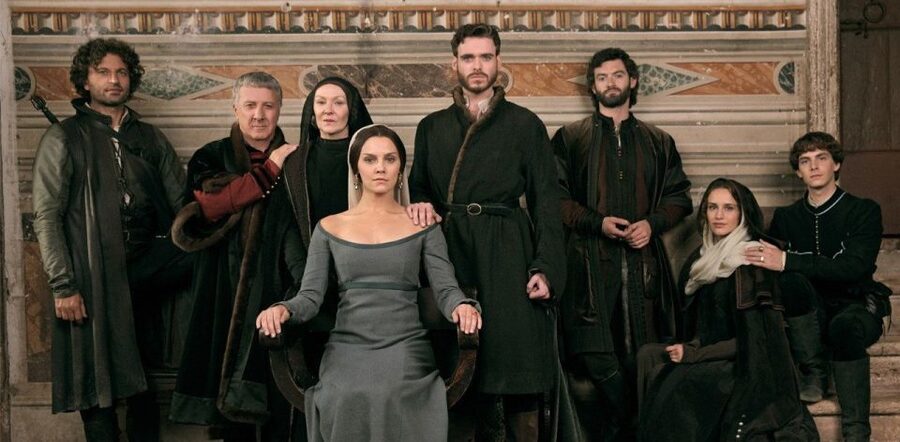
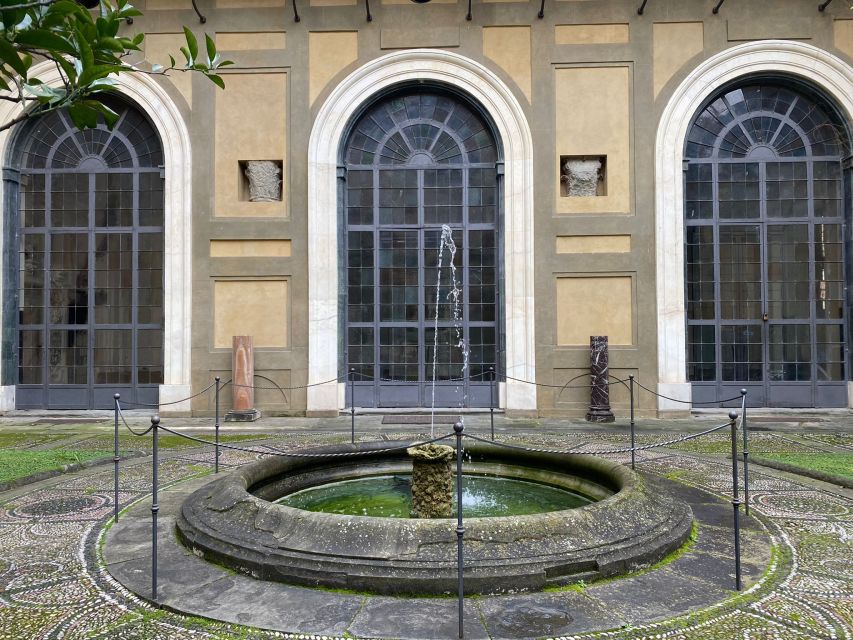
The heart of this experience is the Palazzo Medici Riccardi, and what makes it work is that it’s not a vague “look at the building” visit. You get an actual guided tour inside, which means the guide can point to design choices and spaces that help explain how the Medici became the symbol of Florence.
Inside, you’re moving through the kind of 15th-century environment where politics wasn’t separate from daily life. You’ll pick up the sense that this was a family brand built through influence—money, patronage, and alliances—while constantly dealing with pushback from powerful opponents. The story is centered on key figures: Cosimo the Elder, Lorenzo the Magnificent, and Piero the Unfortunate, plus the repeated theme of betrayal and comeback. Even if you only know the names from pop culture, you’ll start connecting motives and consequences in a way that feels logical, not dramatic.
What I like most here is that the tour uses the space as evidence. Instead of saying the Medici were important, the guide shows you why the palaces mattered—where status was displayed, how power was signaled, and how Florence’s elite families built impressive settings to back their claims. If you’ve watched The Medici on TV, you’ll recognize the general vibe of those scenes as the guide lines up locations and context so they make more sense.
One practical note: interior time can get warm and echo-y, and this is where a small-group dynamic matters. If your guide offers extra distance during photo breaks, it can help to hold onto your earphones if you’re sensitive to audio gaps—one person noted that headphones would have helped when the guide stepped away for photos.
You can also read our reviews of more tours and experiences in Florence.
Chapel of the Magi: Benozzo Gozzoli’s art with political fingerprints
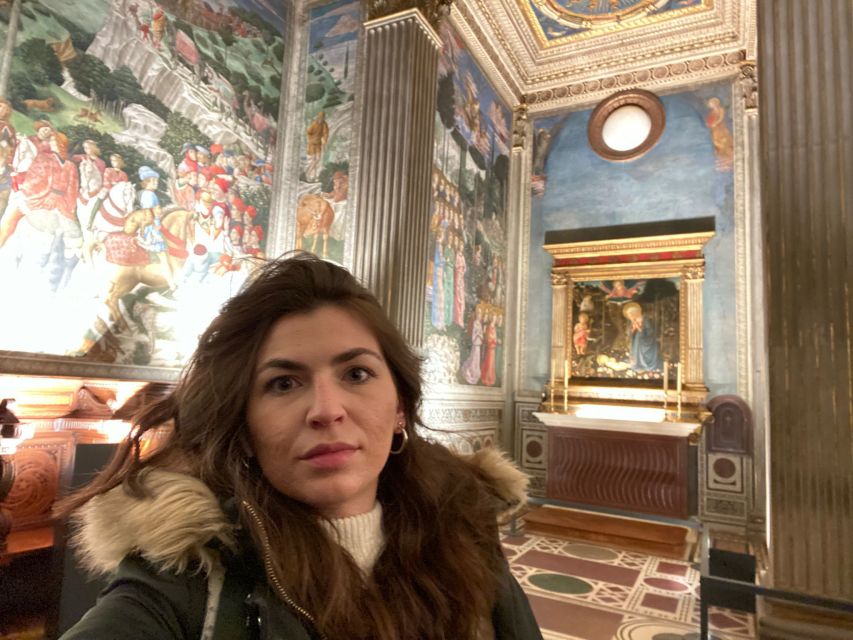
From the palace, the story flows into the Chapel of the Magi, painted by Benozzo Gozzoli. This is the part where the Medici agenda shows up on the walls, not in a lecture. Gozzoli’s frescoes connect religion, spectacle, and self-presentation, and you’ll see how that mix helped the Medici project authority in a visually unforgettable way.
If art isn’t your usual focus, don’t worry. The tour doesn’t treat this chapel like a stand-alone art-history class. Instead, it frames the frescoes as messaging—how a ruling family used imagery to reinforce its role in Florence and to communicate with rivals, allies, and the public.
Also, because the tour is time-limited (2 hours total), you don’t get stuck in slow detail. You’ll get what you need to understand what you’re seeing, plus a few interpretive anchors you can remember later when you pass similar palaces or churches around town.
Piazza San Lorenzo: stepping from palace walls into street-level power
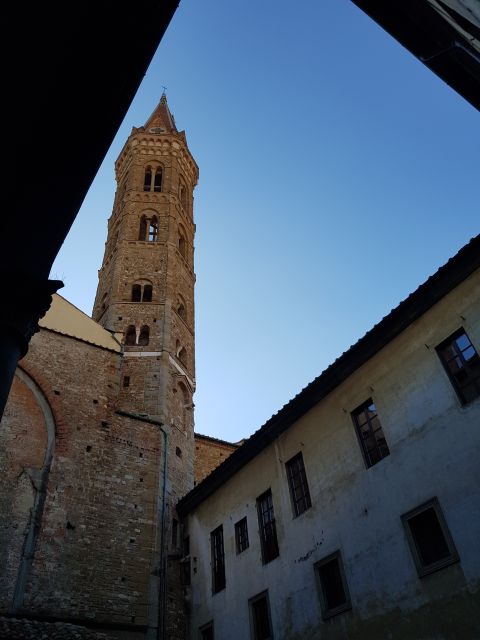
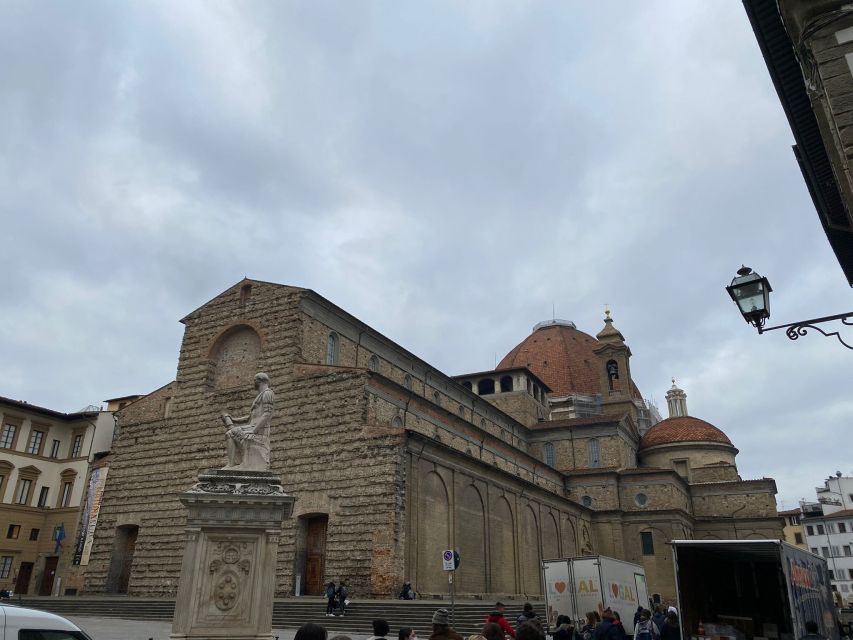
After the inside visit, you shift to the open air around Piazza San Lorenzo. This is a smart transition. It’s easy to get stuck only on grand interiors, but Florence’s political story is written in streets and sightlines too.
Here, the guide brings the Medici story down to everyday geography. You start to understand how the family’s influence wasn’t just contained to one building. It was connected to the flow of people, the rhythm of markets and church life, and the way Florence revealed its hierarchy at street level.
I like this stop because it also helps you reset your eyes. After palace walls and chapel paintings, you need a visual breather. Piazza San Lorenzo gives that, while still keeping the narrative moving.
And if you’re the type who likes to “read” cities instead of just tour them, this stop is useful. You’re learning how Florence’s elite families shaped space, and once you spot that pattern, the rest of the walk makes more sense.
Piazza della Signoria: the chessboard view of Florence’s rival families
Next comes Piazza della Signoria, one of the best places to grasp Florence’s power dynamics fast. Even when the tour is short, the location matters because this is where you can feel the weight of civic and elite authority rubbing shoulders.
From here, the tour shows you palaces linked to Florence’s major families. You get outside views of palaces associated with rivals like the Strozzi and Albizi, and you’ll also see Palazzo Vecchio. The guide uses these sightings like chapter markers: the Medici weren’t operating alone. They were playing in a room packed with other families who also wanted influence, prestige, and control.
What I find practical about this part is how quickly you can map relationships in your head. You don’t need a timeline wall in front of you. You walk, you look, you hear the names, and suddenly the architectural “faces” you’re seeing start to match the personalities the stories describe—Lorenzo’s polished role, Cosimo’s rise, Piero’s setbacks, and the push-pull of Medici vs. enemies.
If you’re worried that outside views will be too quick, don’t. The tour keeps you moving, but it’s guided. You’re not wandering for context; you’re collecting it.
The Michelangelo-and-Bertoldo moment: art training inside a political city
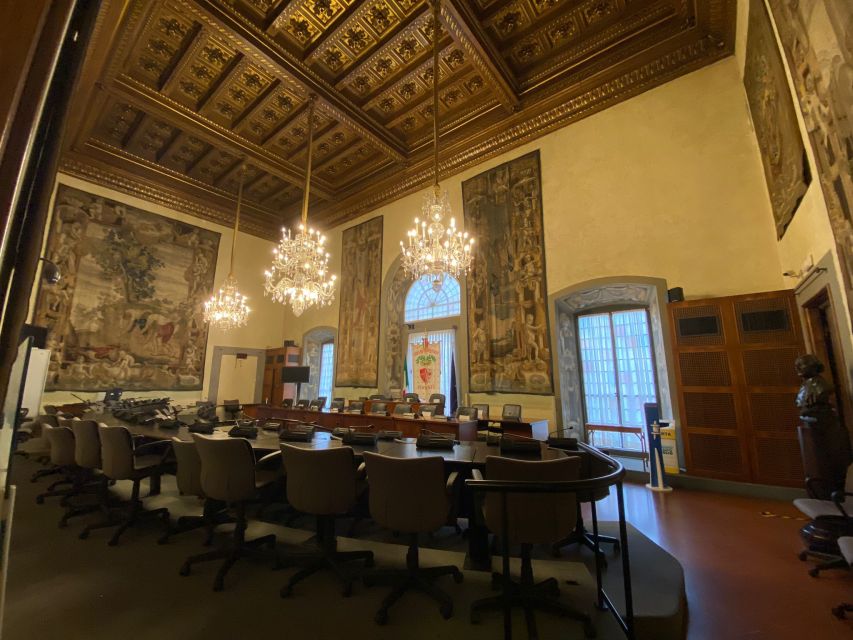
One of the most memorable lines in the tour’s story is the connection to a secret place where Michelangelo learned to sculpt, under the shadow of Bertoldo, a pupil of Donatello.
Even with limited time, this detail changes how you think about Renaissance Florence. It’s not only palaces and politics; it’s also craft knowledge, workshops, apprenticeship routes, and the kind of training that made artists powerful in their own right. In a city where wealthy families sponsored art, knowing where creation happened makes the whole Renaissance story feel more grounded.
This stop works best if you enjoy crossovers: politics meeting art. The Medici supported artists, enemies competed for influence, and creators built careers on patronage. That’s the bigger picture you’ll come away holding.
Michelangelo’s training under Bertoldo usually sends people straight to the source afterwards. FlorenceExplorer lines up the Accademia and David visit options by review score, useful because the difference between a ticket, a small tour and a private guide is bigger there than at most Florence sights.
TV-series locations: why the Medici plot sticks when you walk it
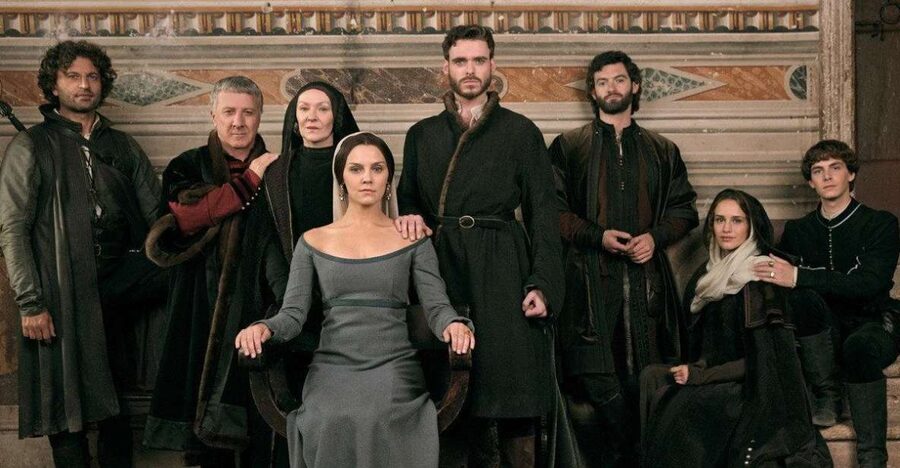
The tour is built for people who want the names behind The Medici to snap into place. You’ll see where many scenes from the TV series took place, and that’s useful because TV compresses time and changes context. Walking the real spaces helps you rebuild the geography in a way your brain can keep.
I like using TV as a bridge, not a substitute. A good guide helps you shift from characters to real-world motivations: who had the money, who had the connections, who could afford risk, and who got punished when alliances broke. Even if you don’t watch the show, you’ll still benefit from the storytelling structure—it’s just easier to remember when you recognize visual cues.
Pace, timing, and what to wear for a 2-hour story
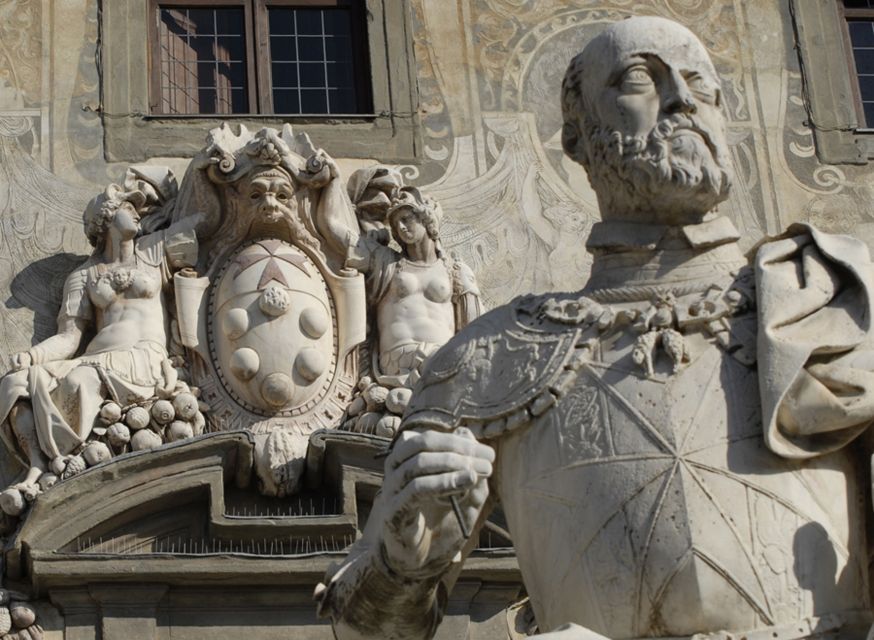
This is a tight format: 2 hours, small group, and a mix of interior plus walking. That’s a good thing. You get a concentrated version of Florence’s Medici angle without needing half a day.
Because you’re moving between palace spaces and squares, plan on continuous walking. The tour explicitly suggests comfortable shoes, and I agree—especially if your schedule includes other sights the same day. You don’t want sore feet after only two hours, because Florence is the kind of city where you’ll keep wandering.
Audio and photo habits can also affect your comfort. In one experience, a guest wished for headphones when the guide moved away for photography. If you’re the kind of person who needs clear audio, come prepared to adjust—stand where you can hear, then step out for photos without losing track of the story.
Value check: is $137 worth it for what you actually get?
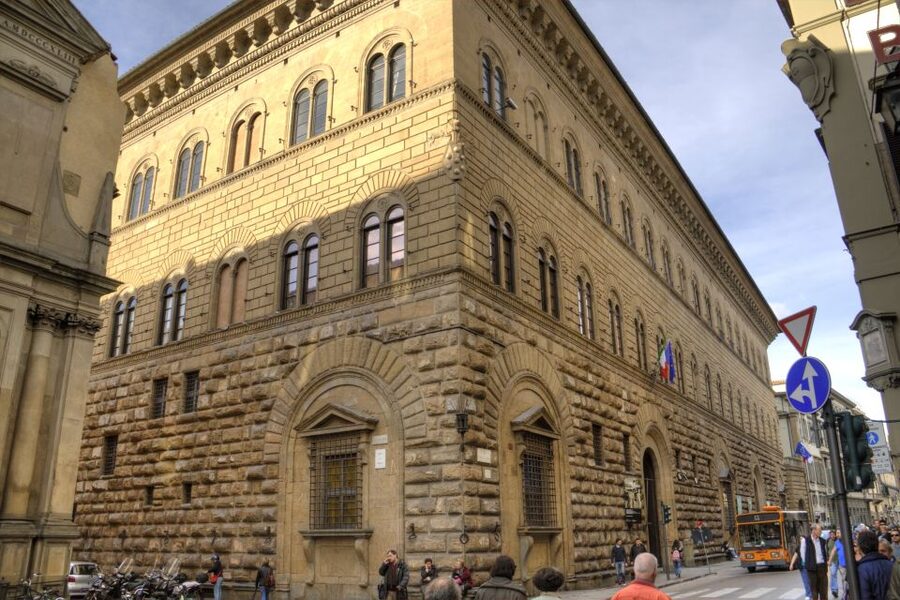
At $137 per person for 2 hours, this tour only makes sense if you care about guided context and you want the right mix of interior + city views.
Here’s the value math in plain terms:
- You get inside access to Palazzo Medici Riccardi.
- You also cover the Chapel of the Magi and the guide-led connections tied to it.
- You receive skip-the-line access to the monuments visited, which saves time and reduces stress.
- You get an official guide dedicated to your group, not a rushed grab-bag explanation.
In other words, you’re paying for interpretation plus access. If you’re the type who can easily read information on plaques and enjoy doing monuments solo, you might not need this. But if you want the Medici story organized for you—names, motives, rival families, and where it all happened—this price starts to feel fair.
For me, the biggest value is compression. You’re getting multiple Medici-linked points of interest tied to a single narrative thread, and that’s exactly what makes short tours worth it.
Who this tour is best for (and who should skip it)

This fits best if:
- You want a Medici-focused Florence experience that stays coherent.
- You enjoy story-driven guides who explain how power worked, not just what a building looks like.
- You like art and culture, especially when it connects to patronage and real people.
- You’re watching The Medici or you like using TV to orient yourself in real cities.
You might skip it if:
- You hate walking or prefer long, slow museum time.
- You already know the Medici story well and want more in-depth time inside major sites without a quick run-through.
- You’re only interested in exterior photos and don’t want guided interior access.
Should you book the Florence Medici Family History Tour?
Yes, if you want a smart, story-first way to understand why the Medici became Florence’s headline act. The tour’s standout strength is that it combines inside access at Palazzo Medici Riccardi with the Chapel of the Magi, then carries that story outward to squares where rival families also staked their claims. In just two hours, you’ll leave with a clearer map of Medici vs. enemies—plus the kind of details (like Michelangelo and Bertoldo) that make the Renaissance feel less like a textbook.
Before you book, just be honest about two things: you’ll walk, and you’ll get more value if you actually listen to the guide’s connections rather than treating it like a checklist. If that sounds like you, this is a solid, good-value way to spend your limited Florence time.
FAQ
Where does the tour start?
Meet at the main door of the Medici Palace.
How long is the tour?
It lasts 2 hours.
What’s included in the tour ticket price?
You get an official guide exclusive for the group and skip-the-line access to the monuments visited.
What places do you visit during the tour?
You visit Palazzo Medici Riccardi (inside) and you also see major Medici-related locations around Florence, including Piazza San Lorenzo and Piazza della Signoria, with outside views of palaces such as Strozzi and Albizi plus Palazzo Vecchio.
Is this tour mostly outside or inside?
It’s a mix: you spend guided time inside Palazzo Medici Riccardi and the Chapel of the Magi, then walk through key city squares.
What languages are available?
The live guide is offered in English, German, French, Italian, and Spanish.
How big is the group?
The group is limited to 8 participants.
Is pick-up or drop-off included?
No pick-up and drop-off is included.
What should I bring?
Wear comfortable walking shoes.
Is the tour wheelchair accessible?
Yes, wheelchair accessible.