REVIEW · MATERA
Discover Matera, the ancient city – English tour
Book on Viator →Operated by Renato Favilli - Guida Turistica Matera · Bookable on Viator
Matera’s alleys feel like a history lesson. This English tour walks you through Sassi neighborhoods with a guide who explains how this cave city grew, survived, and finally became UNESCO World Heritage. You’ll see the places people actually remember—the homes, the carved churches, and the valley viewpoints—without spending your whole visit getting turned around.
Two things I like a lot: you get the top sights in a smart route, and you do it at a relaxed pace thanks to a small group (max 20). The guide team includes Renato Favilli, with other guides like Renato, Gaetano, Sara, and Domenico sometimes leading too, so you get local pride and storytelling along the way.
One drawback to consider: this is a history-and-people kind of walk, not just a quick church-hopping circuit. A small number of people felt the tour could be a bit too talk-heavy or repetitive at times, so if you prefer lots of silent wandering, you may want to set expectations ahead of time.
In This Review
- Key Things You’ll Love About This Matera English Tour
- Why Matera Feels Different When It’s Explained Right
- Sassi Navigation Without the Where Are We Feeling
- Sasso Caveoso to Barisano: Following the City’s Main Storyline
- Rupestrian Churches and Cave Homes: More Than Photo Stops
- The Guides Who Make It Feel Personal: Renato Favilli and Gaetano
- Price and Value: Why This Feels Reasonable at $36.28
- Who This Tour Suits Best (and Who Might Want Something Else)
- Should You Book This English Tour of Ancient Matera?
- FAQ
- How long is the Discover Matera, the ancient city English tour?
- Is the tour offered in English?
- How big is the group?
- Do I need to print a ticket?
- What happens if the weather is bad?
- Is the tour suitable for most people?
Key Things You’ll Love About This Matera English Tour
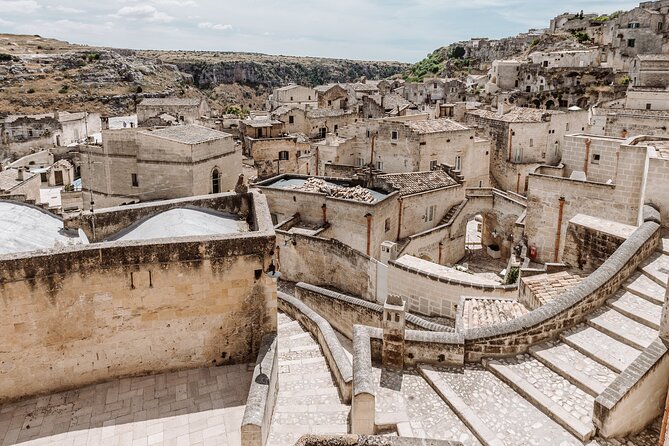
- No-wrong-turn guidance: You follow a route through the confusing alleys instead of guessing.
- Sassi perspective, not checklist sightseeing: The focus is on how people lived and why Matera changed.
- Sasso Caveoso plus part of Sasso Barisano: You see both sides of the story in one outing.
- Rupestrian churches and cave homes: You get context for what you’re looking at, carved into the rock.
- Guides with personality: Renato and Gaetano are praised for humor and easy English.
- Great orientation for the rest of your day: You come away knowing where to go next.
Why Matera Feels Different When It’s Explained Right
Matera can look like one long set of rock-lined streets until someone gives you the right mental map. That’s the real value of this tour: it turns the maze into a clear timeline and a human story. You walk through places tied to the evolution of the city, and the guide connects art, architecture, anthropology, and everyday life.
Instead of treating the Sassi like a museum of individual sites, the tour builds the big picture step by step. You’ll hear why Matera almost disappeared from the wider conversation for a long time, and what it took to go from the label of the Shame of Italy to World Heritage status. It’s the kind of explanation that helps you stop looking at caves and start understanding how society, hardship, and change shaped them.
If you’re the type who likes to know the why behind what you’re seeing, you’ll get a lot out of this. The route is designed around Matera’s meanders, so the city’s layout becomes part of the lesson rather than an obstacle.
You can also read our reviews of more tours and experiences in Matera.
Sassi Navigation Without the Where Are We Feeling
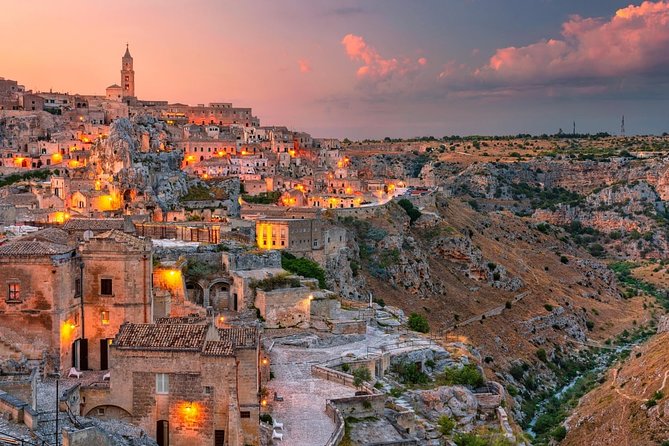
Matera’s alleys can confuse you fast. Even with a map, it’s easy to end up on the wrong street and lose time—especially when the lanes twist and the viewpoints keep sneaking up on you. This is one reason I think the guided route is worth it: the guide helps you hit the most suggestive places without getting lost.
The tour is scheduled for about 2 to 3 hours, which is a good length for first orientation. You’re not forced into an all-day commitment, and you still get enough time to process what you’re seeing. People also mention that the pace feels relaxed, which matters because the streets are uneven and there’s a lot to take in.
Small group size (up to 20) also changes the experience. You can ask questions and actually get answers, instead of shouting into the wind while trying to keep up with a crowd. If your goal is to understand Matera enough to explore afterward on your own, this format sets you up well.
Sasso Caveoso to Barisano: Following the City’s Main Storyline
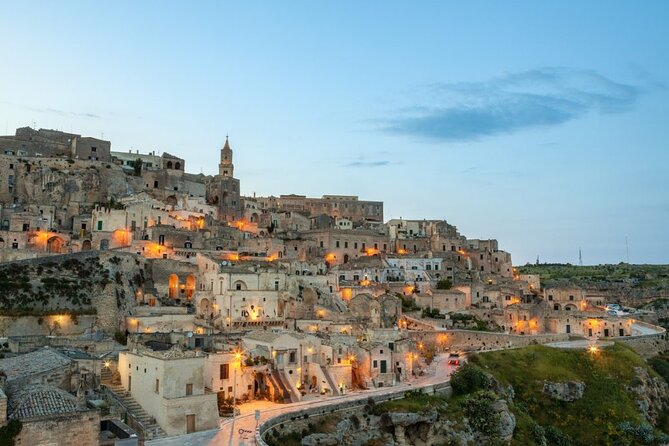
The walk moves through Sasso Caveoso and part of Sasso Barisano, two core areas that help you understand how Matera developed. Rather than bouncing randomly between stops, you follow a guided flow that lets the city make sense spatially.
As you move through these neighborhoods, you’ll get glimpses of ancient Matera—how the rock dwellings relate to each other, how spaces seem stacked and connected, and how everyday life fit into a built environment carved from stone. The route is designed to reveal views and landmarks at the moments when they help you grasp the bigger structure.
This itinerary also avoids the usual sightseeing rhythm. It’s not built like a checklist of churches where you tick off what’s famous and move on. The idea is that the city itself is the attraction, so you learn by walking its logic—its alleys, its thresholds, and its hard-earned transformations.
Rupestrian Churches and Cave Homes: More Than Photo Stops
You’ll visit rupestrian churches and homes, which is where Matera really becomes understandable. These aren’t just interesting exteriors; they show how people used the rock not only for shelter, but also for community and belief. With a guide explaining how these spaces functioned in daily life, they stop being scenery and start being evidence.
One big advantage is that you’re not just staring at carved walls—you’re learning how the architecture fits the anthropology. The guide ties what you see to how life worked in the Sassi: where people gathered, how space was used, and how the city’s physical form supported survival.
You also get valley views along the way. Those viewpoints matter because Matera’s cave neighborhoods aren’t isolated little pockets; you can see the wider region and understand why settlement patterns made sense. The views break up the walk, too, giving you a moment to reset before stepping back into the maze of alleys.
The Guides Who Make It Feel Personal: Renato Favilli and Gaetano
A lot of tours promise facts. This one aims for meaning, and the guide delivery is a big part of the reason it earns such strong ratings. Renato Favilli is the listed provider, and reviews highlight guides like Gaetano and Renato with the same theme: funny, easy to understand English, and stories rooted in the territory.
The best feedback isn’t just about being informed. It’s about being able to hear the city through a human voice. People praised the guides for sharing personal experiences and family connections to Matera, which is exactly what you need in a place where centuries of life are layered into the same stones.
Some examples from the guide style include storytelling that connects the Sassi to real life—like references to traditional bakeries, how water was collected and managed in public and private systems, and even film-location connections tied to No Time to Die. Not every stop will land on every detail for every group, but the guiding approach stays consistent: local context, practical explanations, and a narrative you can remember later.
Guides also help you after the walk. Many people note that they receive restaurant recommendations and ideas for what to see next, depending on whether you want casual or more formal dining. That kind of follow-through is small, but it saves time.
Price and Value: Why This Feels Reasonable at $36.28
At $36.28 per person for about 2 to 3 hours, this isn’t a budget gimmick. You’re paying for a guided route through a confusing area, with interpretive storytelling that helps you understand what you’re looking at—and you’re capped at 20 people, so you’re not lost in a giant group.
The value shows up in the outcome. After the tour, you should feel like Matera makes sense: why people lived in the Sassi, why it was known for shame for a long time, and how it shifted into global recognition. That understanding makes your independent time afterward more enjoyable, because you’re not wandering as a blank slate.
It also helps that the experience is widely recommended, with an average rating of 4.9 from 1,771 reviews and about 98% recommending it. While I treat ratings as a clue rather than a guarantee, the consistency matters here: many comments point to the same themes—strong guiding, good pacing, and clear explanations.
If you’re visiting for a short window and want to get your bearings fast, this price feels fair. If you’re the kind of person who wants to spend every minute inside churches and monuments only, you may find the focus differs from what you expect.
Who This Tour Suits Best (and Who Might Want Something Else)
This is a great match for you if you want history and culture explained in plain language while you walk the real city. If you like architecture, anthropology, and the human side of heritage sites, you’ll appreciate the way the guide builds the story around how people lived.
It’s also ideal if you’re visiting Matera for the first time and want to avoid the mental overload of figuring out routes alone. The guided route is built to prevent that wasted time inside the alleys.
You might consider a different tour if you’re arriving mainly for major church interiors or you want a simple sightseeing loop with minimal storytelling. One criticism that shows up is that the narration can feel heavy or repetitive for some people. The tour is not designed to be quiet or minimalist.
Practical tip: wear sensible shoes. This is a walking experience through old streets, and you’ll move between viewpoints and cave areas where footing can be uneven.
Should You Book This English Tour of Ancient Matera?
I’d book it if you want more than photos. This tour is made for understanding—Matera’s rise, its hardship, and its UNESCO-era identity—while you’re still close enough to feel the city’s structure under your feet. The small-group size, the focus on Sasso Caveoso plus part of Sasso Barisano, and the guide style (Renato Favilli, Gaetano, and others) all support a smooth first-time experience.
I’d skip it or choose another option if you’re only interested in a church-and-cathedral checklist. This one treats the city itself as the main attraction, and it spends time on cave homes, rupestrian spaces, and the logic of the alleys.
Finally: pick your timing with the weather in mind. The experience notes that it requires good weather, and you’ll be offered a different date or a full refund if it’s canceled due to poor conditions.
FAQ
How long is the Discover Matera, the ancient city English tour?
It runs for about 2 to 3 hours.
Is the tour offered in English?
Yes, the tour is offered in English.
How big is the group?
The experience has a maximum of 20 travelers.
Do I need to print a ticket?
No, it uses a mobile ticket.
What happens if the weather is bad?
The tour requires good weather. If it’s canceled due to poor weather, you’ll be offered a different date or a full refund.
Is the tour suitable for most people?
The activity says most people can participate, and service animals are allowed. Also, it’s a walking tour, so wear comfortable shoes.