REVIEW · NARA
World Heritage Kyoto & Nara Uji Authentic Matcha Experience
Book on Viator →Operated by Japan Panoramic Tours · Bookable on Viator
Nara deer and Kyoto matcha in one day. This coach tour strings together Todai-ji scale, Kasuga Taisha vibes, and hands-on Uji matcha without you juggling trains. It’s built for travelers who want the highlights, but still get breaks to look around.
I like two things a lot here. First, the English-speaking guide does the heavy lifting with clear context, which makes each stop feel more than a photo stop. Second, you get a smooth mix of big sights and small moments, from the deer at Nara Park to shaping your own matcha bowl in Uji.
The main drawback to plan around is walking. You’ll cover multiple sites with stairs and hills, and on hot, humid days it can feel like more than the listed time.
In This Review
- The big idea: a single coach day that actually feels efficient
- Key highlights I’d circle on your map
- Kasuga Grand Shrine: the calm start before the crowds
- Nara Park and the 1,400 deer: cute, classic, and mildly chaotic
- Todai-ji: seeing the Great Buddha without guesswork
- World Heritage focus: Heijo Palace site and what it means
- Uji lunch by the river: where the day shifts gears
- Byodoin Temple and the Phoenix Hall: the 10-yen moment
- Matcha making in Uji: the hands-on part people remember
- Byodoin Omotesando: taste sweets, not just take photos
- Price and value: what $129.25 buys you in real life
- Guides are a big deal here: Den, Sakura, Yuta, and more
- Who this day trip suits best (and who should skip it)
- Should you book this Kyoto–Nara–Uji matcha day?
- FAQ
- What is the tour duration?
- Is lunch included?
- What matcha is included in Uji?
- Are admissions to Todai-ji and Byodoin included?
- Where do we meet, and when does it start?
- Can I cancel and get a full refund?
The big idea: a single coach day that actually feels efficient
This is a classic Kansai combo: you start in Kyoto, head to Nara for the major temples and shrines, then finish in Uji for matcha culture. The appeal is simple: one vehicle, one plan, one guide, and fewer “how do we get there” headaches.
The bus itself is set up to keep you comfortable. You’ll ride in an air-conditioned vehicle with WiFi on board, and there’s multilingual audio guidance in several languages (English plus Spanish, French, Italian, Germany, Portuguese, Ukrainan, and more). With a group size capped at 38 travelers, it’s not a sardine-fest.
I also like that the timing is tight without feeling like a mad dash. Stops are usually short at the shrines and park, and then longer where you need it—Todai-ji and Byodoin. That balance is what makes a day like this work.
One heads-up: traffic or weather can force route changes. If a place is closed or you can’t fit everything in, the tour will swap in an alternative or provide a gift—there are no refunds for those changes.
Key highlights I’d circle on your map
- Air-conditioned coach + WiFi: less stress, more sightseeing time.
- English guide at the center of it all: you get context, not just locations.
- Todai-ji and Byodoin admissions included: big-ticket cultural stops are covered.
- Uji matcha making hands-on: you don’t just taste, you learn the process.
- Nara Park deer time: you get a real moment with the famous deer.
- Optional Japanese set lunch by the Uji River: you can add a local meal to the day.
You can also read our reviews of more tours and experiences in Nara.
Kasuga Grand Shrine: the calm start before the crowds
You begin at Kasuga Grand Shrine, one of Nara’s most celebrated shrines. The visit is short (about 30 minutes) but well timed. Early in the day, the grounds tend to feel more peaceful, and you can slow down and notice details you’d miss if you arrived later.
What you’re really doing here is setting the tone. Kasuga Taisha isn’t just a landmark—it’s a spiritual anchor for Nara’s whole historic story. Even with a quick stop, your guide can connect the shrine to the broader theme of religion and ceremony that pops up again and again across the region.
Practical note: because this is a coach tour, you’ll move as a group. Comfortable shoes matter, especially when your day includes hills and stairs later.
If you’re the type who likes a fast start with strong atmosphere, this opening stop is a good match.
Nara Park and the 1,400 deer: cute, classic, and mildly chaotic
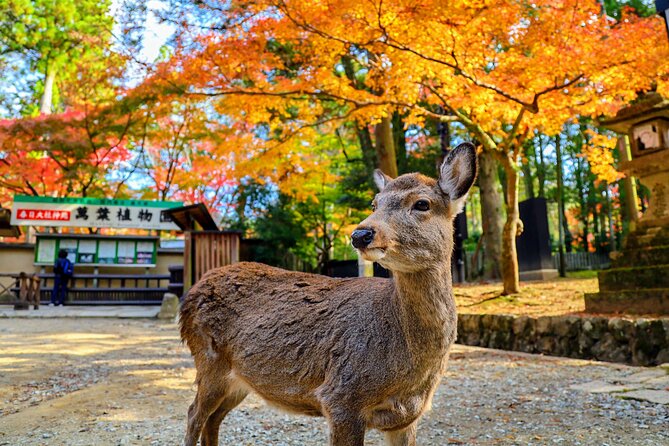
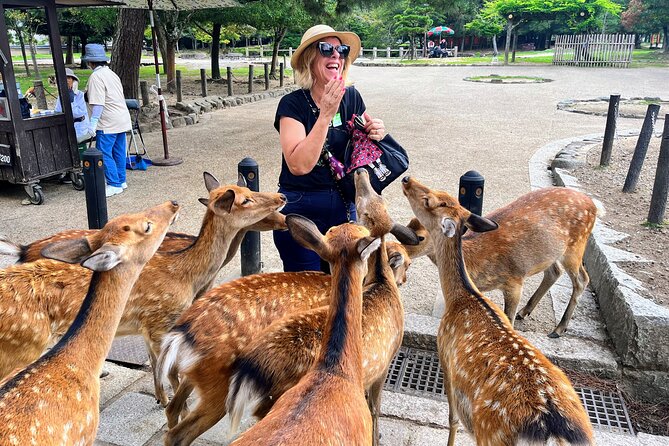
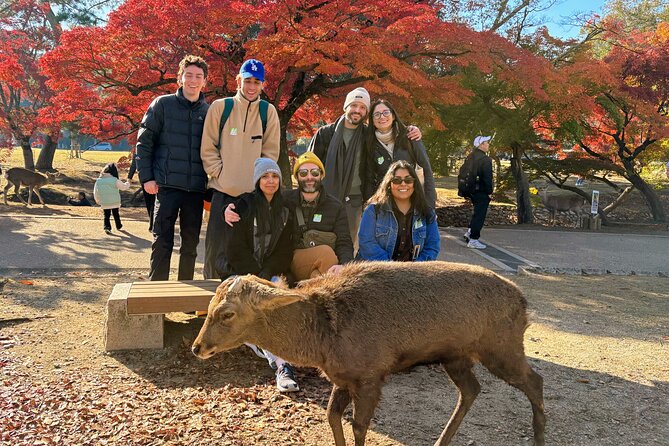
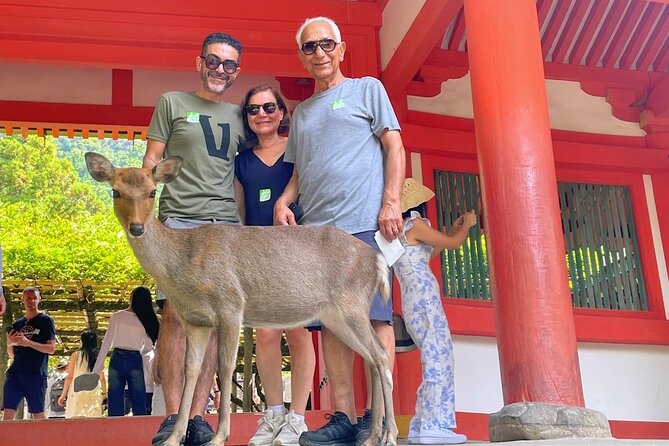
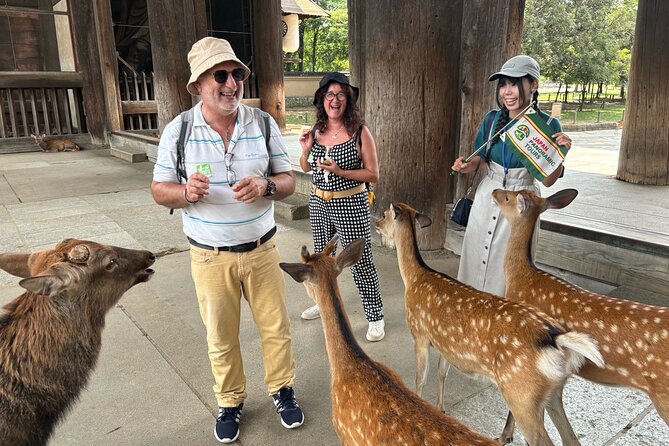
Next comes Nara Park, where deer roam around the temples and paths. The tour time here is about 30 minutes, which is enough to see the deer up close, take pictures, and follow your guide’s instructions.
A real-world tip from past groups: deer crackers are usually sold for a few hundred yen, and it helps to have some. Also, know the deer are bold. They may nip if you’re ignoring them while holding food. It’s not usually aggressive, but it can feel like a forceful pinch.
How to keep it fun:
- Keep crackers secured and use them when the deer come close.
- Don’t wave food around randomly.
- Wear clothing you’re okay with getting bumped.
You’ll also get a quick pass near Nandaimon (Great South Gate). Even though it’s only about 5 minutes, it’s a strong “wow, Japan is built to impress” moment.
Todai-ji: seeing the Great Buddha without guesswork
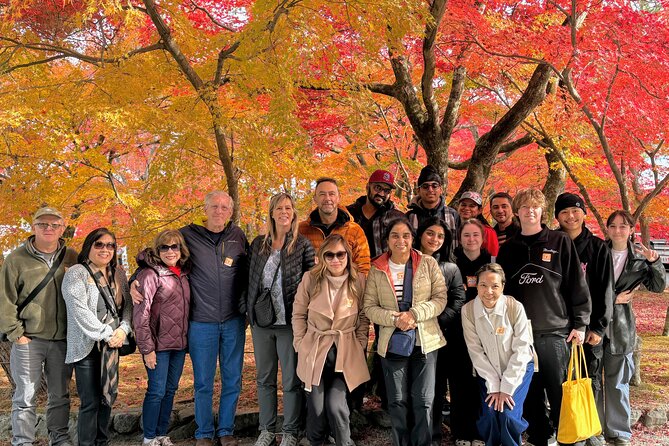
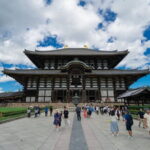
Then it’s Todai-ji Temple, home to the Great Buddha of Nara. This is one of those places where the scale can overwhelm you if you show up cold. With a guide, you get the context first, then the building size hits harder.
You’ll have about 40 minutes, and admission is included. That’s enough time to cover the major areas without feeling like you’re sprinting. The main strength of this stop on a coach day is that it’s the cultural heavy hitter—so the tour doesn’t treat it like a quick photo blink.
Todai-ji is also a good “reset” point. After the deer energy, you get a more structured, architectural experience.
The only real consideration: there’s walking on uneven paths and it’s a big site. If your knees hate stairs, pace yourself and use the slow lanes when you need to.
World Heritage focus: Heijo Palace site and what it means
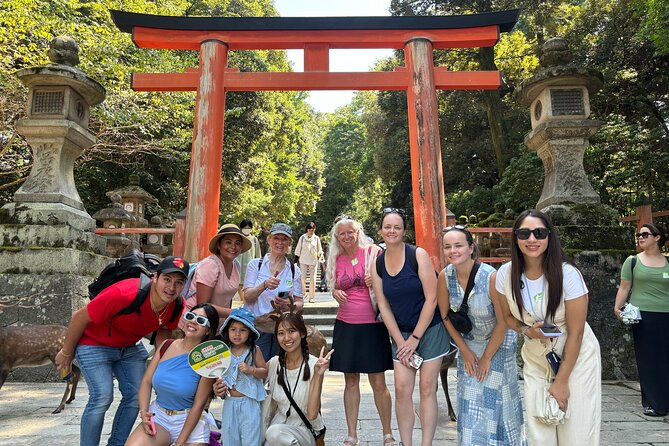
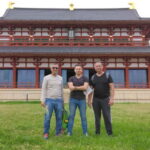
You’ll also visit the palace site included as part of the World Heritage Sites of Nara. In practice, this helps you understand that Nara wasn’t just temples and deer. It was once a capital city, laid out with serious planning.
This stop works best when you treat it like a story. Think of the layout as a blueprint for political and cultural life, even if you’re seeing ruins rather than a fully preserved palace building.
Because the tour doesn’t hang out here for ages, it’s a “make it make sense” stop. Your guide’s job is to connect the dots between the shrine, the temple, and the broader capital setting.
If you love architecture and city planning, you may wish you had more time. Still, on an 8.5-hour day, this added context is valuable.
Uji lunch by the river: where the day shifts gears
After Nara, you move to Uji, a quieter, tea-focused part of Kyoto Prefecture. Lunch is about 50 minutes at a Japanese-style restaurant along the Uji River. It’s an optional feature—so choose it when you book if you want a simpler day.
Vegetarian options are available, but you need to note it in advance (arrangements can be made up to two days before). If you choose lunch late, the tour says you’ll receive a regular meal.
This meal slot is more than food. It’s your breathing space before matcha. You’ll likely be ready for something warm, filling, and not another rushed snack between shrines.
If you skip lunch, you’ll still have time for breaks—but you’ll be managing your own meal planning in Uji, which is less convenient.
Byodoin Temple and the Phoenix Hall: the 10-yen moment
Next up is Byodoin Temple, about 40 minutes, with admission included. This is the stop most people recognize, even if they don’t know the name. The Phoenix Hall is famous for appearing on the 10 yen coin, so it’s an instantly familiar image once you see the real structure.
Why this works on a coach day: it gives you one clear “anchor” sight in Uji. You’re not hopping between tiny stops. You’re focusing on the main landmark, with enough time to take it in.
Also, Byodoin has a different mood than Todai-ji. Todai-ji is massive and monumental. Byodoin feels refined and controlled. That contrast helps your brain stay interested instead of numb with sightseeing.
Matcha making in Uji: the hands-on part people remember
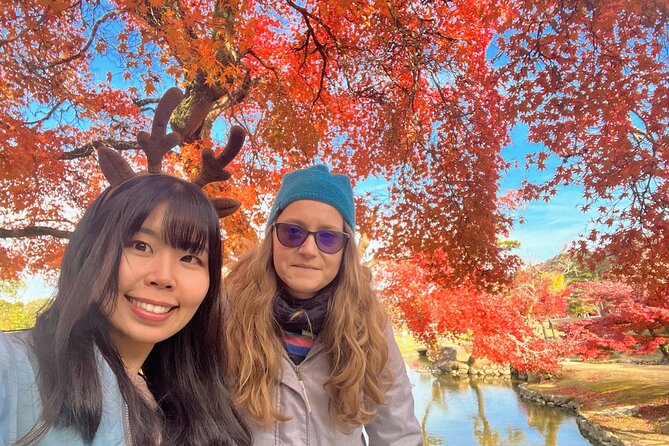
Now comes the signature experience: matcha making. You’ll spend about 30 minutes at a historic tea shop with over 500 years of tradition. You’ll prepare your own bowl of matcha and learn the proper traditional way to drink it.
This is the part that turns a sightseeing day into a memory you’ll actually talk about later. In the matcha session, it’s not just tasting. You get the routine and the culture behind the flavor—how it’s whisked, how it’s served, and what to pay attention to.
A bunch of guides have been praised for making this run smoothly and keeping it fun. I saw repeated praise for how friendly the shop owner and guides can be during this segment, and how the session is paced so you don’t feel rushed.
Practical tip: wear something you can move in. Tea workshops often involve leaning and standing in one spot for a short time, then shifting for photos.
Byodoin Omotesando: taste sweets, not just take photos
After matcha making, you get time in Byodoin Omotesando, about 30 minutes. This is basically your chance to snack, browse, and buy a souvenir that isn’t just a keychain.
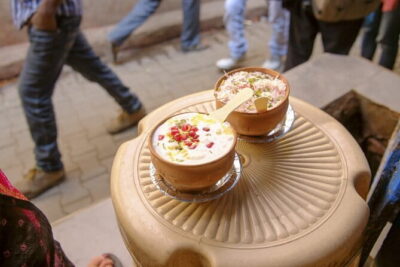
The tour includes a matcha sweets tasting opportunity—so you can sample without fully committing to a purchase first. It’s also a good window to buy small tea items you’ll actually use back home.
Keep an eye on your walking energy here. Byodoin already asks for effort, and you still need to enjoy this last stretch.
If you want the day to end with something sweet and easy, this is where you’ll feel like you got the full Uji experience.
Price and value: what $129.25 buys you in real life
At $129.25 per person, this tour is priced like a convenience deal—because you’re paying for transportation, guide time, key admissions, and the matcha experience.
Here’s what you’re getting that would cost you separately:
- Air-conditioned coach + WiFi
- Professional English guide and multilingual audio support
- Admission to Todai-ji and Byodoin
- Matcha making experience in Uji
- Optional Japanese set lunch (if selected)
- Mobile ticket for simpler entry
What makes it good value is the mix. You cover multiple World Heritage-level sights across two towns in one day, without needing to coordinate schedules on your own.
The one reason this might not be a bargain for you: if you prefer slower travel, or if you plan to visit only one site (say, just Todai-ji or just Uji). Then you might not get your money’s worth.
But if you want a planned, low-stress highlight day, this price is reasonable for what’s included.
Guides are a big deal here: Den, Sakura, Yuta, and more
This kind of tour lives or dies by the guide. The guide lineup you might see includes names like Den, Sakura, Ciel, Yuta, At-chan, Mai, Nanami, Keigo, Tommy, and others mentioned in group feedback.
The common thread in praise is pacing and clarity:
- Guides explained history and culture in a way that made the stops feel connected
- Many guides were praised for giving enough time to wander without losing the group
- People liked that the day felt stress-free, with transport and entry handled
One negative note in the data is rare but important: arrive on time at the meeting point. Late arrivals can miss the start, and joining midway isn’t feasible. So be early enough that you’re not sprinting when the bus pulls out.
Who this day trip suits best (and who should skip it)
This tour fits best if you want:
- A single-day hit list of Nara + Uji
- An English-speaking guide to connect the dots
- Included admissions at two major temples
- A hands-on matcha experience you can’t replicate by walking by
It may feel like too much if:
- You can’t walk long distances or handle stairs/hills
- You dislike humid, packed mornings and want lots of downtime
- You want flexible, pick-your-own-speed sightseeing (this is still a scheduled coach day)
That said, even families have found it workable when everyone is ready for active walking and short stops.
If you’re traveling with limited mobility, I’d treat the moderate fitness requirement seriously. This tour includes plenty of movement.
Should you book this Kyoto–Nara–Uji matcha day?
If you’re visiting Kyoto for the first time and want an efficient day that still feels cultural, I’d book it. The strong points are clear: major sights with admissions covered, comfortable bus support, and a matcha workshop that gives you real know-how, not just a drink.
Book it especially if you like your travel organized but not robotic. You get guided context, then time to look around.
Don’t book it if your ideal day is mostly sitting, or if long walks and steps make you miserable. Also, if you can’t commit to an on-time meeting, this day trip will stress you out instead of helping.
FAQ
What is the tour duration?
It runs about 8 hours 30 minutes.
Is lunch included?
Lunch is included only if you select it. The tour notes that vegetarian meals can be arranged if you indicate it in the booking notes up to two days before the tour date.
What matcha is included in Uji?
You’ll do a matcha-making experience where you prepare your own bowl, learn how to drink it the traditional way, and then you’ll have time to walk around Byodoin Omotesando and taste matcha sweets.
Are admissions to Todai-ji and Byodoin included?
Yes. Admission for Todai-ji and Byodoin Temple is included.
Where do we meet, and when does it start?
The meeting point is Tully’s Coffee – Kyoto Avanti Japan, and the start time is 7:50 am. The tour ends back at the same meeting point.
Can I cancel and get a full refund?
Yes. You can cancel up to 24 hours in advance for a full refund. If you cancel less than 24 hours before the start time, the amount paid is not refunded.