REVIEW · DORDRECHT
Dordrecht: Dark History Tour
Book on GetYourGuide →Operated by Ontdek Stadswandelingen · Bookable on GetYourGuide
Dordrecht’s dark side tells stories you won’t forget. This Dark History Tour turns the streets of South Holland into a suspenseful timeline, mixing murders, piracy, witches, and punishment into one 1.5-hour walk. It’s not about big monuments so much as the grim human details that make history stick.
I really like how much you get from the time you spend out walking: a live local guide who keeps the stories moving, plus a free city map to help you keep exploring after. One thing to consider, though: it’s story-forward, so if you’re hoping for lots of concrete, step-by-step crime “evidence,” you may want to make sure your guide’s style fits what you enjoy.
In This Review
- Key Things You’ll Notice on This Dark History Walk
- Voorstraat 276: Meeting Dordrecht’s Dark Reputation
- The Murder Cases: How Old Streets Become Crime Scenes
- Pirates on the Waterfront: Sea Thieves and Local Legends
- Witches, Fear, and Disappearances: The Psychological Side of Crime
- The Guide Factor: What Makes Marco’s Tour Work (and What to Watch For)
- Price and Value: Is $19 Worth 1.5 Hours of Dordrecht Shadows?
- Who This Tour Fits Best (And Who Might Want Something Different)
- Should You Book Dordrecht’s Dark History Tour?
- FAQ
- How long is the Dordrecht Dark History Tour?
- Where do I meet for the tour?
- What is the price per person?
- What languages are available?
- Is the tour a private group?
- Is the tour wheelchair accessible?
- What’s included with the tour?
- Does the tour include skipping a ticket line?
- Is there a cancellation option?
Key Things You’ll Notice on This Dark History Walk
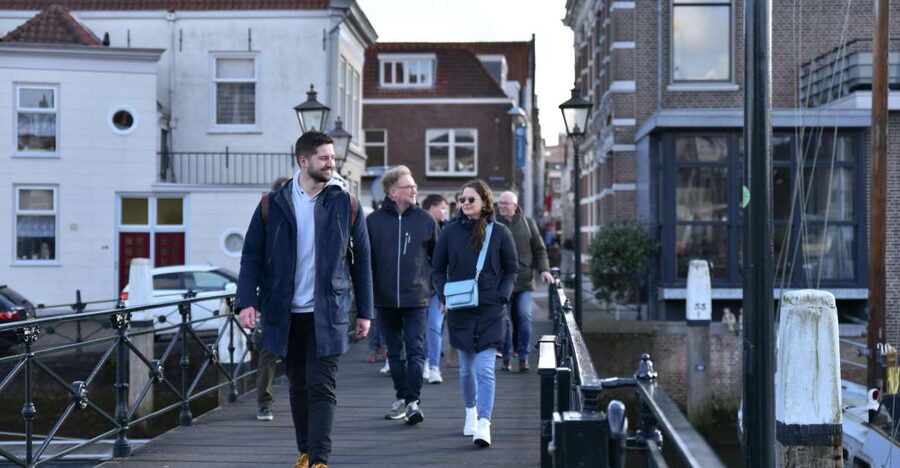
- Voorstraat 276 starts the show at Hallo Dordrecht, so you begin right in the old-center vibe.
- Murders and punishment are framed like real investigations, including what detectives of the time could do.
- Piracy stories connect to maritime life, giving the crime a wider, sea-borne context.
- Witches, disappearances, and crime-era fear are part of the same narrative thread.
- Guide style matters a lot: when it clicks, the tour feels fun and memorable, like the praise for Marco.
Voorstraat 276: Meeting Dordrecht’s Dark Reputation
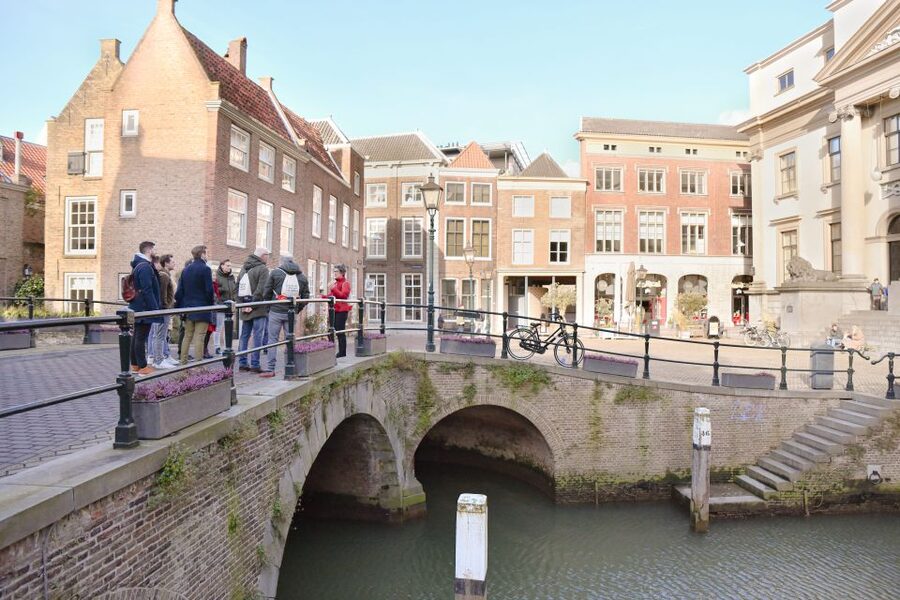
You start at Hallo Dordrecht, Voorstraat 276, and that’s a big part of the charm. Instead of beginning at some faraway venue, you’re right where most people naturally wander anyway. That means you can fit this into a normal day in the city, and the walk feels like part of Dordrecht—not an isolated activity.
Before you set off, you get a free city map. Even if you don’t rely on it constantly, it’s useful for two reasons. First, it helps you get your bearings fast for later stops. Second, it gives you something to reference when the guide mentions streets, districts, or the general geography behind the stories.
This tour runs about 1.5 hours, which is a sweet spot for dark storytelling. Long enough for a real arc—setup, escalating incidents, and the consequences—without dragging into the territory where you start checking your phone just to prove you’re still alive.
And yes, it’s a private group setup. That usually means you can ask questions and keep the pace from feeling rushed.
The Murder Cases: How Old Streets Become Crime Scenes
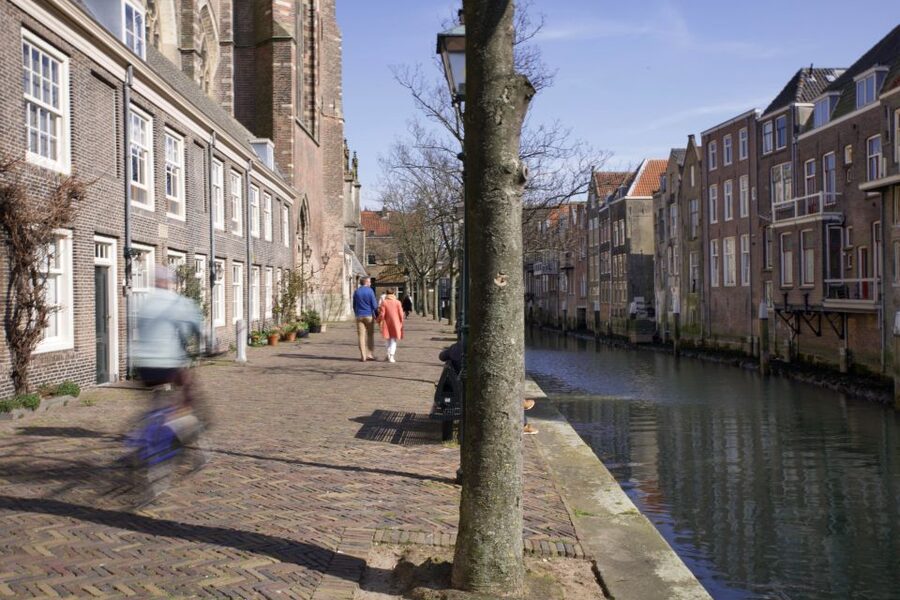
The core of the tour is the crime side: infamous murders that shocked Dordrecht, plus the follow-up that came after. What I like about this format is that it treats the past like a chain of cause and effect, not just a list of gruesome events.
You’ll hear about disappearances and notorious offenders, and the guide doesn’t stop at the horror. The stories include how detectives of the time worked—what they could investigate, what they relied on, and what “solving” even meant in an era without modern forensics.
If you’re the kind of person who likes context, you’ll probably appreciate the way the tour links details back to city life. Dordrecht wasn’t just a backdrop; it was a system of streets, neighbors, rumors, and power. When the guide explains the logic behind the investigations, it turns the past from scary entertainment into something more understandable.
One caution: because this is a narrated experience, the tone depends on the guide’s delivery. In a less satisfying example from an earlier outing, the story felt harder to follow and more like a one-way monologue than an interactive walk. So if you like your history with clear pacing and good conversation, it’s worth going in expecting that the guide performance is part of the product.
Pirates on the Waterfront: Sea Thieves and Local Legends
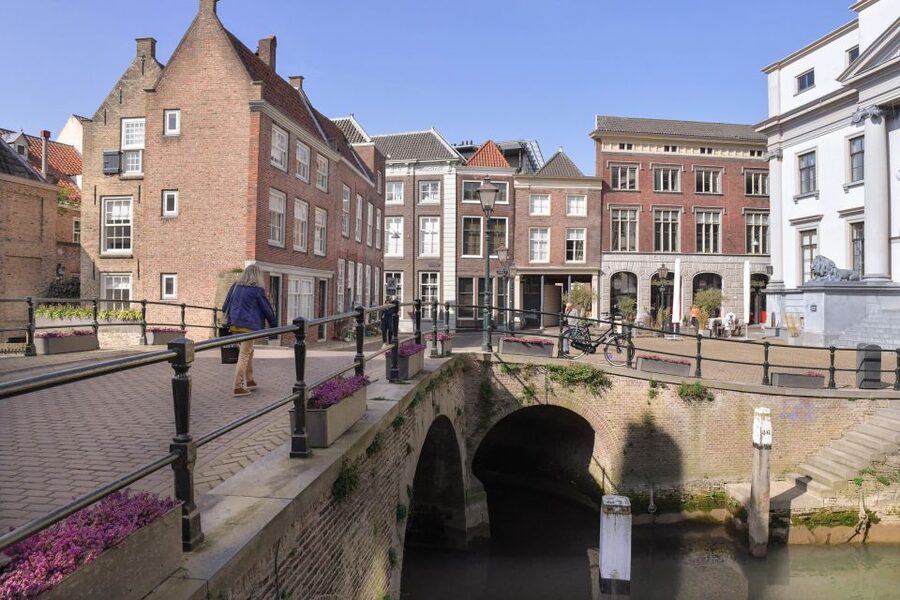
Then the tour shifts gears into piracy, and this is where the Dordrecht story starts feeling bigger than one neighborhood. You’ll get a “sail into trouble” style journey through the pirate world—who they were, how they operated, and why the region’s maritime reputation mattered.
Even without getting overly technical (you’re not signing up for a maritime law seminar), the guide makes piracy feel grounded. It’s tied to the real risks of travel and trade, and it explains how fear can spread when criminals can move by water and vanish as fast as they appear.
What I find useful here is the way piracy stories often bring the social angle into focus. Crime wasn’t only about one villain—it was also about networks, opportunism, and the vulnerabilities of everyday life. That’s a different lens than the murder stories, and it gives you variety without losing the dark theme.
If you enjoy local lore, you’ll likely like this section most. It has the “action” feeling, but it still stays connected to the city’s identity.
Witches, Fear, and Disappearances: The Psychological Side of Crime
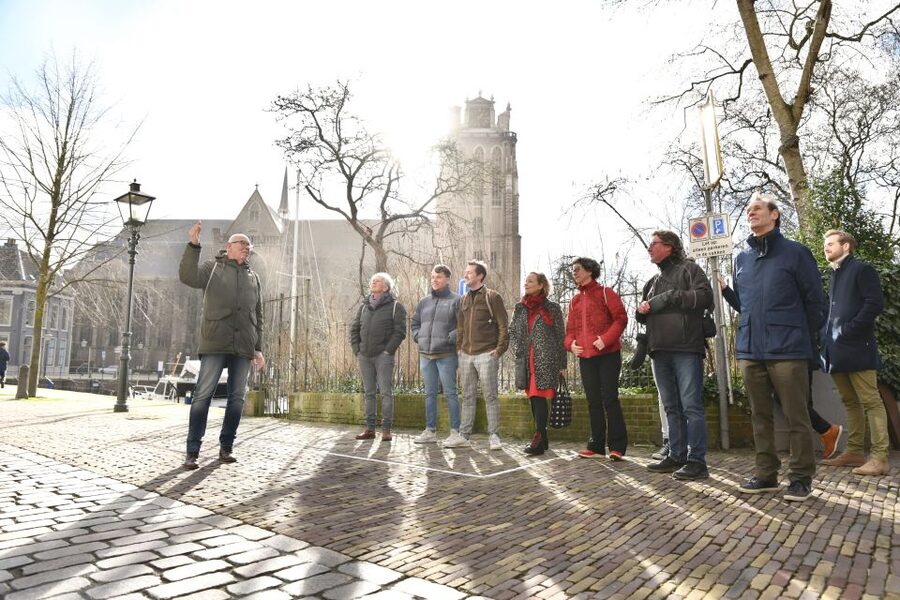
After murder and piracy, you’ll encounter the tour’s more frightening territory: witches and the kind of panic that can turn a town against its own people. The guide weaves these stories into the bigger picture of crime and punishment across time.
This part works well if you like the human side of history—how fear spreads, how communities respond, and why certain accusations take hold. Witches, disappearances, and punishment aren’t just spooky plot points here. They’re presented as part of a society trying to explain what it can’t control.
And that’s where the tour earns its “dark” label in a way that feels thoughtful, not just theatrical. The guide’s narrative style connects these episodes so you start seeing patterns: what people believed, who benefited, and how consequences shaped the city.
Again, your experience depends on the guide’s storytelling skill. One earlier guide named Joes was praised for trying, but the pacing and listening were also criticized—meaning some darkness may not land if the narration becomes confusing. It’s not that the subject matter is missing; it’s that clarity and tone are doing a lot of the heavy lifting.
The Guide Factor: What Makes Marco’s Tour Work (and What to Watch For)
Let’s talk about the real engine of this experience: the live guide. You get Dutch, English, or German options, and the guide’s job is to keep a consistent thread across very different themes—murder cases, piracy, witches, and punishment.
When it goes right, the tour feels like a conversation with the past. That’s reflected in standout praise for a guide named Marco, who was noted for being especially engaging and for making the tour feel like a great family outing. In other words, it didn’t turn into grim lecturing; it turned into an enjoyable walk with dark content.
When it doesn’t go right, the problem is usually not the topic. It’s the delivery: weak listening, unclear turns in the story, or prioritizing the script over interaction. If you want a tour where you can ask questions and feel like you’re part of the atmosphere, you’ll want a guide who reads the group.
So here’s the practical way to handle this: go with an open mind. You’re not attending a museum display. You’re buying a guided narrative. If you like that kind of history—stories with context and a bit of tension—you’ll likely enjoy the ride. If you only want hard details and factual rigor with minimal storytelling, this may feel like too much “told” and not enough “shown.”
Price and Value: Is $19 Worth 1.5 Hours of Dordrecht Shadows?
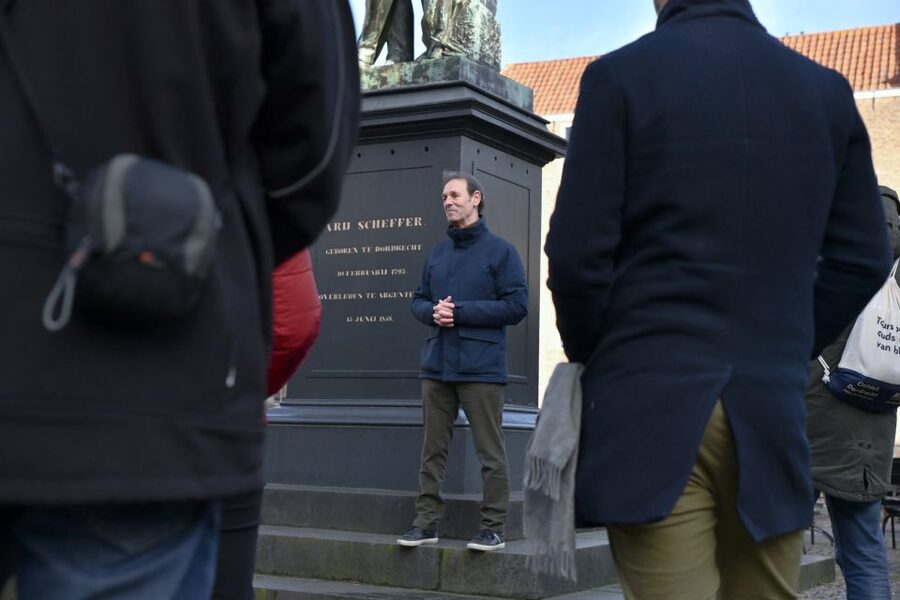
At $19 per person for 1.5 hours, this sits in the “good value” zone if you enjoy guided storytelling. You’re paying for two things: time and interpretation. A self-guided walk would only give you the setting. The guide provides the narrative glue—why these events mattered and how detectives, communities, and criminals shaped the outcome.
Two practical details add value here. First, the free city map helps you extend the day beyond the tour. Second, the experience includes a live local guide in Dutch, English, or German, so you’re not relying on reading every sign on your own.
Also, the fact that the tour is wheelchair accessible and private group is a plus if you want comfort and better pacing. Private doesn’t automatically mean fancy, but it often means the guide can adjust the flow and keep the group together.
If you’re looking for a bargain, this is one of the safer bets. You’re not spending a half day, and you’re not locked into a long event where you might tire out. It’s short, it’s focused, and it gives you a specific theme—crime and consequences—so you don’t wander around wondering what you’re supposed to notice.
Who This Tour Fits Best (And Who Might Want Something Different)
This Dark History Tour is a great match if you like:
- Story-based history with a strong narrative drive
- Crime and punishment themes, including how investigations worked back then
- A walk that feels social and lively rather than quiet and academic
It’s also a good fit for families in the sense that the content can hold attention without turning into a lecture. One positive takeaway from earlier outings was that it worked not just for younger participants but also for older folks who enjoy a bit of edge.
You might want to choose something else if:
- You want a strictly factual, document-based approach with minimal dramatization
- You’re easily put off by the tour’s tone and pacing changing based on the guide’s performance
And if you’re traveling with friends, this is the kind of tour that sparks good post-walk conversations. The themes are memorable, and you’ll likely compare which parts felt most convincing or creepiest.
Should You Book Dordrecht’s Dark History Tour?
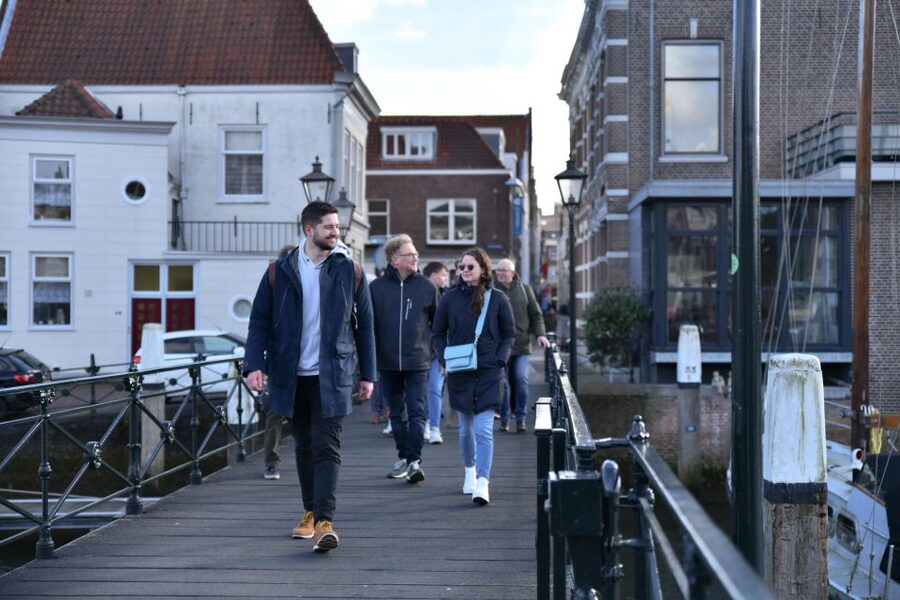
If you want an alternative way to see Dordrecht, this is an easy yes. For $19 and 1.5 hours, you get a guided walk built around stories you can actually feel: murders, piracy, witches, disappearances, and the punishment systems people lived under.
My recommendation comes down to one question: do you enjoy history when it’s told as a gripping narrative with context? If yes, book it. If you prefer self-paced browsing and you’re allergic to storytelling, you might feel a mismatch—especially if you end up with a guide whose delivery isn’t sharp.
Either way, start at Hallo Dordrecht (Voorstraat 276), bring your curiosity, and let Dordrecht show you its less polite face.
FAQ
How long is the Dordrecht Dark History Tour?
The tour lasts 1.5 hours.
Where do I meet for the tour?
You meet at Hallo Dordrecht, at Voorstraat 276.
What is the price per person?
The price is $19 per person.
What languages are available?
The tour is offered in Dutch, English, and German.
Is the tour a private group?
Yes, it’s listed as a private group.
Is the tour wheelchair accessible?
Yes, the tour is wheelchair accessible.
What’s included with the tour?
You get a free city map and a live local guide.
Does the tour include skipping a ticket line?
Yes, it includes skip the ticket line.
Is there a cancellation option?
Yes, free cancellation is available up to 24 hours in advance for a full refund.