REVIEW · DURHAM NORTH CAROLINA
Durham African American History Tour
Book on GetYourGuide →Operated by Triangle Walking Tours · Bookable on GetYourGuide
Durham’s Black Wall Street still has a pulse. This short, historian-led walk turns downtown streets into a story about African American entrepreneurship and Reconstruction-era hope, with stops that connect daily life to big national change. I like how the experience keeps moving—fast enough to fit a busy day, but structured enough that nothing feels random.
I especially love the way Andrew (Andy)-style storytelling makes the people behind the landmarks feel real. You’ll walk past major historic sites tied to work, wealth, and community building—like NC Mutual Life and the Mechanics and Farmers Bank—and hear why Durham became a symbol of possibility for Black Americans.
One thing to plan for: in most cases, you’re not counting on entering buildings. Many sites are still private property, so the tour is built around the street-level story, not interior access, and that may disappoint if you want inside visits.
In This Review
- Key highlights worth showing up for
- Meeting the historian at C.C.B. Plaza and getting your bearings
- Why Black Wall Street in Durham wasn’t just a name
- Ella West Gallery: where the story starts
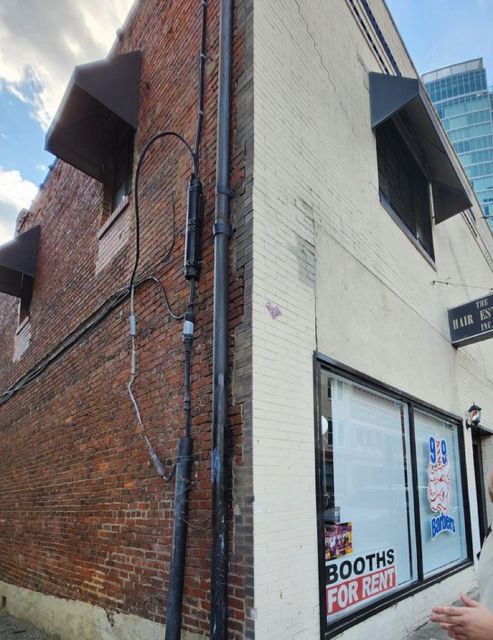
- Merrick-Wright Barbers: a reminder that community ran on small businesses
- NC Mutual Life Insurance: business power that shaped futures
- Mechanics and Farmers Bank, plus more: stability through access
- Reconstruction to civil rights: how the guide connects the timeline
- The one-hour pacing: fast, focused, and built for listening
- What $19 buys you (and why it feels fair)
- Practical tips so the hour goes smoothly
- Who should book this Durham African American History Tour
- Final call: should you book it
- FAQ
- Where is the meeting point for the tour?
- How long is the Durham African American History Tour?
- What does the tour cost?
- What’s included with the ticket?
- What historic sites are included on the walk?
- Is entrance to historic sites included?
- What should I bring for the walking tour?
- Are video or audio recordings allowed?
- Is the tour wheelchair accessible and what language is it in?
Key highlights worth showing up for
- Start at the bronze bull in C.C.B. Plaza, then get your bearings in downtown Durham fast
- Walk the Black Wall Street story as a living thread from Reconstruction to later civil rights context
- Stop at standout business landmarks, including NC Mutual Life Insurance and the Mechanics and Farmers Bank
- Hear how everyday institutions mattered, with references that can include places like barbering, pharmacies, and credit unions
- A top-tier historian guide who keeps the facts moving and the narrative human
Meeting the historian at C.C.B. Plaza and getting your bearings
You meet in front of the bronze bull statue in C.C.B. Plaza in downtown Durham. It’s a clear, easy-to-spot landmark, which matters because you’re only out for about an hour. Once you’re grouped up, the guide sets the tone right away: this isn’t a vague “historic walking tour.” It’s a route designed to show how a Black community built hope through business, leadership, and organization.
The walk is designed for English-speaking visitors, and it’s led by a local historian. That local angle matters. You’re not just getting dates and names—you’re getting an explanation of how Durham’s story fits into wider African American history in North Carolina and the United States.
Because the time is tight, I suggest you start with the right mindset: listen closely, look up and around, and be ready to connect the next stop to the last one. The guide keeps the narrative moving, and that pacing is part of the value.
Why Black Wall Street in Durham wasn’t just a name
This tour centers on Durham’s version of Black Wall Street—a refuge of hope and opportunity during a time when many Black Americans faced severe restrictions and violence. The guide’s core message is simple but powerful: after the Civil War and during Reconstruction, Durham became a place where progress felt possible, not theoretical.
You’ll hear why Durham carried special weight for Black Americans. The story isn’t just about struggle. It’s also about building—setting up institutions that could support families, jobs, education, and community stability.
That framing is what I think makes the walking tour worth your time. You’re not just “learning history.” You’re seeing how economic power, civic leadership, and community networks worked together. It’s the difference between memorizing the past and understanding how hope was made.
Ella West Gallery: where the story starts
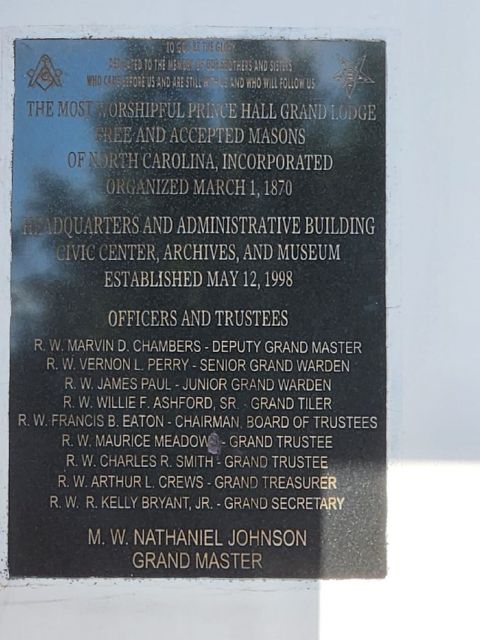
The walk begins at Ella West Gallery in downtown Durham, and from there you move between several historic sites. Think of this stop as the setup: the guide lays out the theme of the tour so the next locations land with impact.
If you learn best when context comes first, you’ll appreciate this structure. Starting with a named downtown location helps you anchor the narrative, instead of hopping from corner to corner with no through-line.
Also, because you’re only out for an hour, the early minutes count. You’ll want to be ready to pay attention from the start, especially if you’re new to Durham’s African American history.
Merrick-Wright Barbers: a reminder that community ran on small businesses
One of the listed downtown stops is the original site of Merrick-Wright Barbers. This kind of location is important because it highlights how community life wasn’t built only by big institutions. Local businesses created daily rhythms where people gathered, information traveled, and relationships formed.
On this tour, the guide treats these sites as more than footnotes. You’ll get a sense of why a barbershop mattered in a Black community: it was a place where identity, belonging, and trust could take root.
The takeaway is practical for you, too. When you visit a historic district, it’s easy to over-focus on famous buildings. Stops like this help you see the full ecosystem—where the “community” actually happened, not just where it was celebrated.
NC Mutual Life Insurance: business power that shaped futures
The tour’s big-ticket landmark (and a key reason people love this walk) is the Mutual Life Insurance Company, described as the largest black-owned company in America for most of the 20th century. Even if insurance sounds like a heady topic, the way the guide explains it makes it feel grounded.
Here’s what this stop teaches you: financial institutions weren’t only about profit. They were tools for stability and long-term planning—mechanisms that could help families protect assets, plan for the future, and build security in uncertain times.
This is also where you’ll feel the emotional weight of Durham’s Black Wall Street story. When a Black community develops major institutions, it’s harder for outside forces to erase opportunity. The guide uses this site to show how hope became structural, not just inspirational.
If you like history that connects to real-world systems—jobs, services, ownership—this is the stop you’ll remember.
Mechanics and Farmers Bank, plus more: stability through access
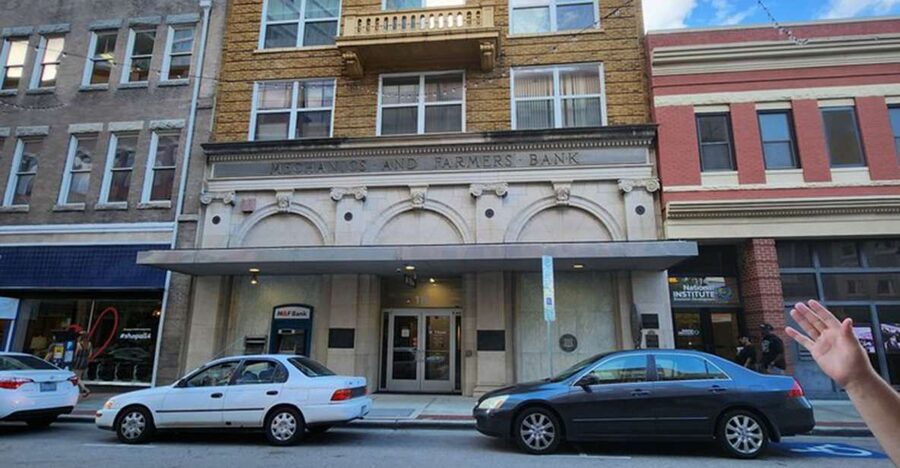
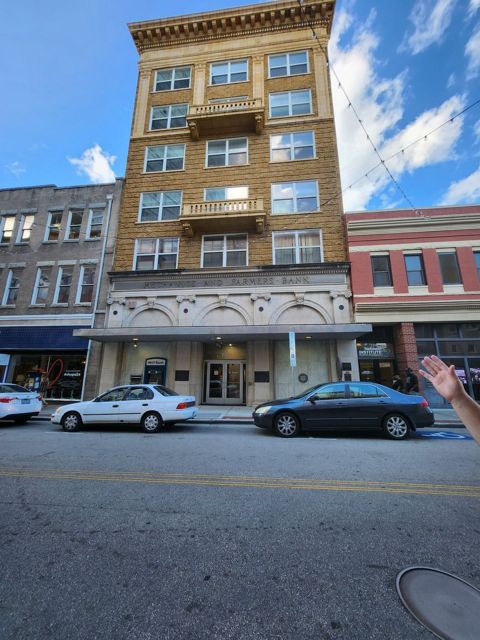
Another named stop is the Mechanics and Farmers Bank. The tour uses sites like this to show how banking supported community resilience. When people have access to financial services, they can do more than survive—they can invest, plan, and improve.
Depending on the route and what the guide emphasizes, you may also hear references to other types of institutions that fit the same theme, including a pharmacy store and credit unions. The point isn’t just to collect businesses on a map. It’s to show how a network of services supported the daily needs of a growing Black community.
This part of the tour tends to click for first-timers. You start realizing that “hope” wasn’t a poster slogan. It was tied to real infrastructure: capital, credit, and institutions that helped people move forward.
Reconstruction to civil rights: how the guide connects the timeline
A standout from the strongest experiences with this tour is how the storytelling doesn’t stop at Reconstruction. In particular, Andrew/Andy-style narration often brings civil rights history into the conversation and references neighborhoods such as Hattie neighborhood.
That matters because Durham’s story doesn’t turn off after 1870-something. The guide helps you see continuity: communities keep adapting, building new strategies, and pressing for change as laws and conditions evolve.
If you want a tour that feels like a conversation rather than a lecture, this is where it shines. You’ll walk away with a clearer idea of how the themes—opportunity, community control, economic strength, and resistance—show up again later in the civil rights era.
It also helps you connect Durham to the bigger national story, without losing the local details that make it real.
The one-hour pacing: fast, focused, and built for listening
At 1 hour, this tour is short enough to fit into a half-day plan, but not so short that you feel like you skimmed. The route moves between downtown stops and focuses on key institutions and community landmarks tied to African American history.
For you, the main practical advantage is energy management. You don’t have to commit to a long walking day to get meaningful context. You also get a structured introduction that can help you decide what to explore on your own afterward.
The main downside is also time-related: you’ll have limited chances to linger. If you’re the kind of traveler who loves to read plaques slowly and take lots of photos at each corner, you may feel slightly rushed. Bring a notepad instead of relying on video—this tour does not allow video or audio recording.
What $19 buys you (and why it feels fair)
$19 per person for a guided, historian-led walk through multiple historic sites is strong value—mainly because you’re paying for interpretation, not just transportation. The guide’s job is to take scattered locations and turn them into a readable story about power, community, and hope.
Where the price really earns its keep is in the cost-to-time ratio. You get context that would otherwise take you hours of reading, cross-checking, and piecing together. For many visitors, that’s the difference between seeing Durham as a collection of street names and understanding it as a timeline with consequences.
I’d compare it to getting a well-organized walking syllabus for Durham’s Black history—one that fits in your schedule and keeps you moving between meaningful places.
Practical tips so the hour goes smoothly
This tour runs on foot, so your comfort matters more than anything else.
- Wear comfortable shoes you trust for uneven sidewalks and quick turns.
- Bring water, since bottled water or walking accommodations aren’t provided.
- If you want to capture details, plan on writing notes—video and audio recording aren’t allowed.
- Arrive with the “listen first, look second” mindset. In a short tour, the guide’s phrasing does a lot of the work.
Also, it’s listed as wheelchair accessible, which is great if you need a route option that works for mobility needs. Since the tour is downtown and time-limited, it’s smart to ask what pace the guide plans to keep—just to make sure you’re comfortable.
Who should book this Durham African American History Tour
This is a great match if you want:
- a fast introduction to Durham’s African American history
- a guide who can explain why places like Black Wall Street mattered, not just where they were
- a route centered on business, institutions, and community-building
- an option that fits into a tight itinerary while still feeling substantial
You might choose something else if you specifically want long museum-style time, or you’re expecting lots of interior access to historic buildings. This walk is designed for the street story, and many locations remain private.
Final call: should you book it
I’d book it if you’re visiting Durham for the first time and you want a clear, respectful way to understand why this city became a symbol of hope—during Reconstruction and beyond. The combination of a local historian, a tight route through major landmarks like NC Mutual Life and the Mechanics and Farmers Bank, and a narrative that connects everyday community life to larger change makes the tour feel both practical and meaningful for the time you spend.
If you’re the type who likes to leave with names, connections, and a sense of direction for what to explore next, this one-hour walk is an efficient start.
FAQ
Where is the meeting point for the tour?
You meet in front of the bronze bull statue in C.C.B plaza in downtown Durham.
How long is the Durham African American History Tour?
The tour lasts about 1 hour.
What does the tour cost?
The price is $19 per person.
What’s included with the ticket?
Your ticket provides access to the directions and the expertise of the walking tour guide.
What historic sites are included on the walk?
The tour includes stops such as the Ella West Gallery area and downtown sites including the original site of Merrick-Wright Barbers, Mutual Life Insurance Company (NC Mutual Life), and the Mechanics and Farmers Bank, plus additional nearby stops.
Is entrance to historic sites included?
Not necessarily. The tour does not necessarily grant access to the interior of historic sites, since many remain private property.
What should I bring for the walking tour?
Bring comfortable shoes and water.
Are video or audio recordings allowed?
No. Video recording and audio recording are not allowed.
Is the tour wheelchair accessible and what language is it in?
Yes, the tour is wheelchair accessible. The tour is offered in English with a live guide.
If you’d like, tell me what else you’re doing in Durham that day (museums, food, parks, neighborhoods), and I’ll suggest a simple schedule that pairs well with this 1-hour walk.