REVIEW · DA NANG
Explore Hoi An ancient town and local villages with a local guide
Book on Viator →Operated by Be Your Feet Travel · Bookable on Viator
Hoi An feels best with a local in charge. This private day blends ancient town lanes with hands-on village stops, and I especially love Tra Que’s cooking class and Thanh Ha pottery where you make something of your own. The guide also keeps the story straight and practical, so the history feels like a living place instead of a museum. One thing to plan for: it’s a full 8–10 hour day, with enough walking and switching activities that you’ll want comfortable shoes.
I went in expecting photos and snacks. What I got was a well-paced loop through real neighborhoods and working village crafts, plus meals that match what Hoi An is known for. If rain shows up (it can), you may still cover most of the day with indoor stops and a flexible pace, but bring a light layer and a small umbrella.
In This Review
- Key things that make this tour worth your time
- Why this Hoi An day feels local, not just sightseeing
- Pickup and the 8–10 hour rhythm (how you won’t waste time)
- Tra Que Vegetable Village: cooking class energy with a farmer’s eye
- Thanh Ha Pottery Village: clay modeling that turns into a real memory
- Cam Thanh water coconut village: basket boats and the crab-catching thrill
- Hoi An Ancient Town with a guide who makes the sights make sense
- Night market time: food stalls, gifts, and back-street shopping
- Food plan: bánh mì, Cao lầu, chicken rice, and what your guide explains
- The guides behind the experience: Dat, Eric, and Hung bring it to life
- Price and value: what you get for $104 per person
- Who should book this Hoi An and Da Nang day?
- Should you book this Hoi An ancient town and village experience?
- FAQ
- How long is the tour?
- Do you get hotel pickup in Da Nang?
- What meals are included?
- Are entrance fees included?
- What food specialties will I eat?
- What activities do you do in the villages?
- Is it a private tour, or do I join other groups?
- What’s the cancellation window for a full refund?
Key things that make this tour worth your time
- Tra Que vegetable village cooking class with farmer-style know-how and warm local hospitality
- Thanh Ha pottery clay modeling so you create your own piece, not just watch
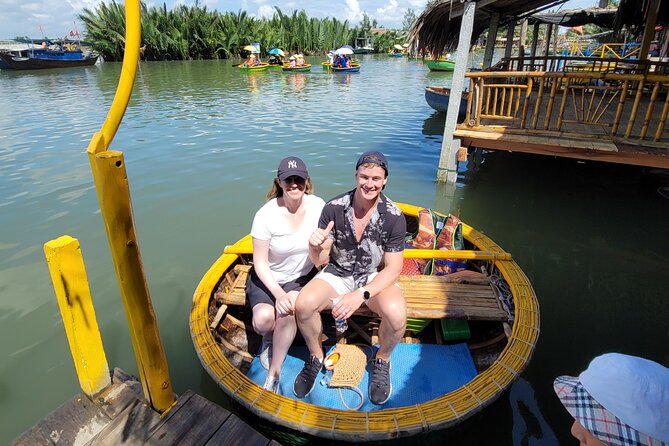
- Cam Thanh water coconut village basket boats plus crab-catching fun on calm water
- Hoi An Ancient Town guided walk focused on key sights like Fujian Assembly Hall and the old-town atmosphere
- Hoi An night market time for street food, shopping, and getting the most out of back-street snacking
- Dinner built around Hoi An specialties with Cao lầu (traditional noodles) or chicken rice explained by your guide
Why this Hoi An day feels local, not just sightseeing
This is the kind of Hoi An tour that makes you feel like you’re moving with a resident rhythm. Instead of doing only the postcard spots, you get woven into village life first, then you return to the ancient town for evening energy—street food, lantern-lit streets, and the kind of shopping that actually makes sense when someone explains it.
What makes it work is the mix of hands-on workshops and guided food moments. The cooking class in Tra Que Village sets you up to understand ingredients and daily habits. Then Thanh Ha pottery turns the day tactile: you’re shaping clay while chatting with locals, so you leave with a small souvenir that has effort behind it.
It’s also built as a private experience for only your group, with a dedicated guide and private transportation. That matters in Hoi An because timing and crowd flow can make or break a day.
You can also read our reviews of more tours and experiences in Da Nang.



Pickup and the 8–10 hour rhythm (how you won’t waste time)
The tour meets you at your hotel lobby with pickup offered, then runs about 8 to 10 hours. That long stretch is normal for a day that crosses multiple neighborhoods—villages, ancient town blocks, and night market time.
Here’s how the pacing usually lands:
- Morning starts with Hoi An area orientation and the first village workshop
- Midday is for more village craft and a proper food break
- Late afternoon rolls into the ancient town and then night market
- Dinner is wrapped into the evening, then you’re taken back to your hotel
You’ll be switching settings a few times, so think of it as one continuous story rather than separate activities. If you get motion-sick easily, it helps that the day uses private transportation, not multiple public rides.
Tra Que Vegetable Village: cooking class energy with a farmer’s eye
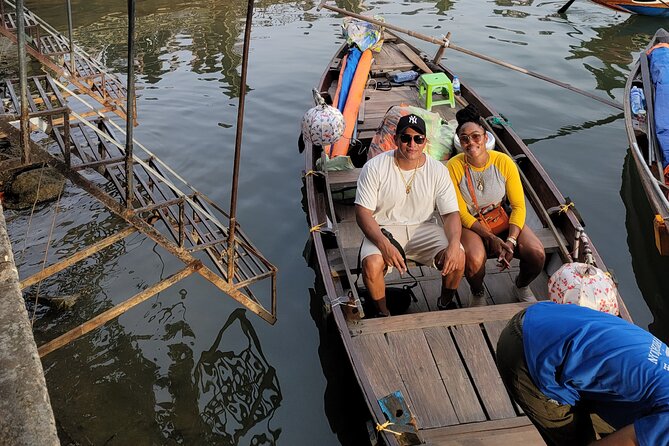
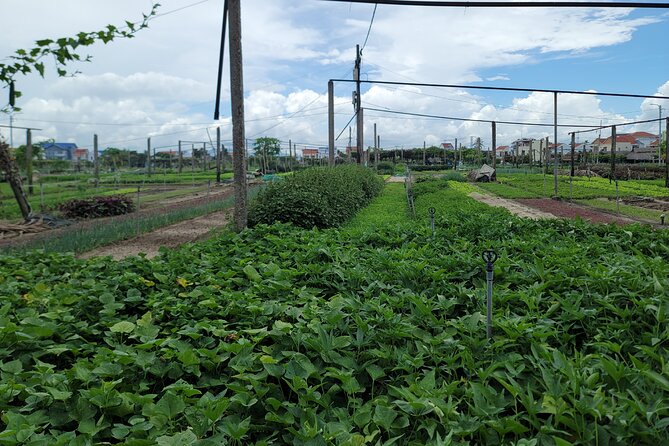
Tra Que Vegetable Village is one of those places people miss when they only chase the main highlights. Here, the focus is on how locals grow and prepare food day after day. You’ll visit the village area and meet farmers, learning their time-honored techniques and how the hospitality works—friendly, relaxed, and not rushed.
Then comes the cooking class. This is the best part if you like eating with context. Instead of learning a dish in theory, you’re learning how ingredients connect to flavor and daily routines. Even if you don’t consider yourself a cooking person, you’ll probably leave with a clearer sense of what Hoi An food tastes like and why.
Practical tip: wear clothes you don’t mind getting a little warm or messy. Village cooking tends to be hands-on, and it’s better to be comfortable than careful.
Thanh Ha Pottery Village: clay modeling that turns into a real memory
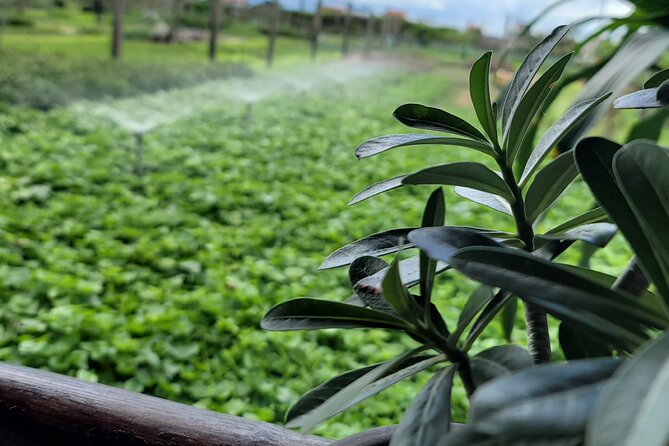
After Tra Que, the day shifts from “how they grow food” to “how they make art.” At Thanh Ha Pottery Village, you take part in a clay modeling class and create a classic-style work. The point isn’t perfection. It’s the process, the local conversation, and watching how traditional craft feels in real time.
This stop is a great balance against the walking-heavy parts of Hoi An. You’re sitting, shaping, and learning enough to make your piece feel personal. You also get time chatting with locals about their way of life, which helps you understand how craft fits into daily routines rather than existing as a performance for tourists.
If you love souvenirs, this is better than the usual shelf stuff. A pottery piece has a story baked into it.
Cam Thanh water coconut village: basket boats and the crab-catching thrill
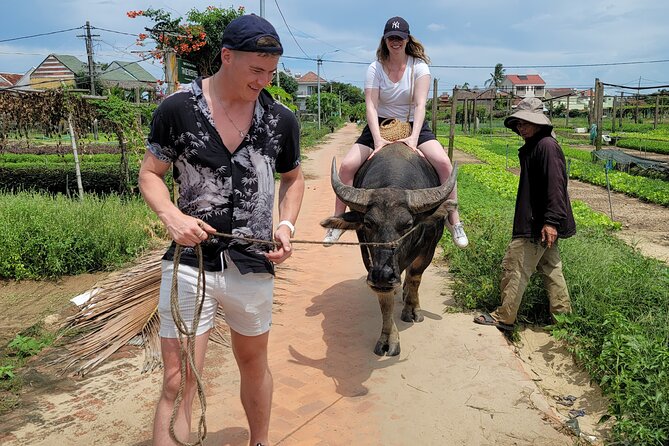
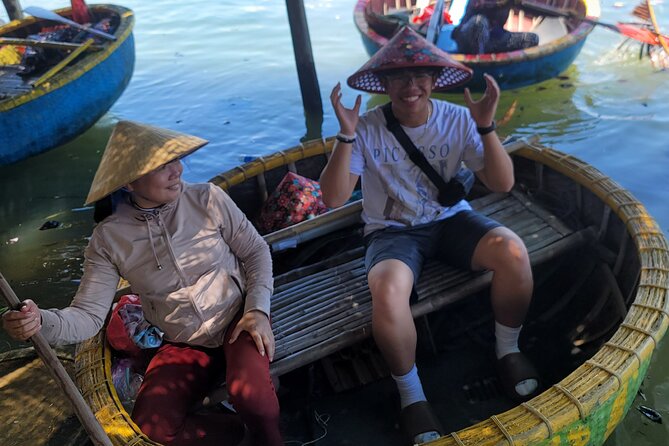
Cam Thanh is where your day shifts from land to water. You’ll explore the water coconut village in Cẩm Thanh, then enjoy the ride in a traditional basket boat. The activity includes a fun element: catching crabs in calm waters.
This stop tends to be the highlight for active people. The boat ride gives you a view of the local water landscape, and the crab-catching turns it into a game instead of a staged activity. It’s also a nice break from ancient streets and shop windows.
A practical note: water-based activities mean you’ll want quick-drying shoes or sandals you trust. Bring a small towel if you have one, and consider a light rain layer if skies look uncertain.






Hoi An Ancient Town with a guide who makes the sights make sense
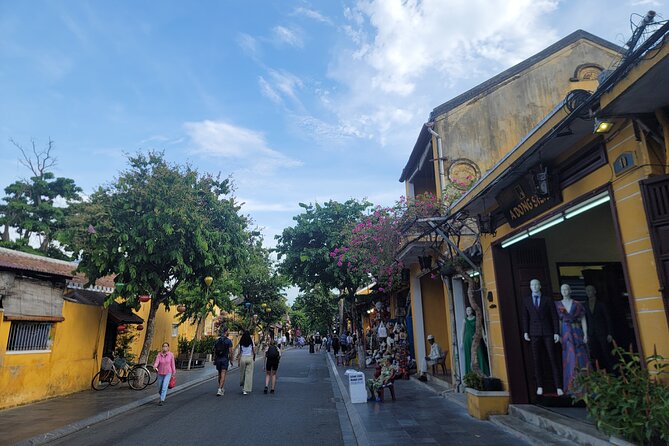
Hoi An Ancient Town is the big finale of the day’s sightseeing, and it’s more enjoyable when someone helps you read the place. You get time to walk the old streets with a local guide and focus on major landmarks and gathering spaces.
One key stop is the Fujian Assembly Hall, a strong example of the Chinese community’s influence in Hoi An. You’ll also see how markets function and how the town’s older architecture carries stories through the streets—centuries-old houses, assembly halls, and the flow of daily life among tourists and locals.
Timing matters here. Doing ancient town earlier can be calmer, but doing it later gives you a softer light and a different feel. This tour threads the day so you experience the old town atmosphere and then return for night market energy.
Walking note: expect uneven sidewalks and short bursts of distance between attractions. If you’re traveling with kids, it’s manageable as long as you build in breaks and don’t plan extra sightseeing afterward.
Night market time: food stalls, gifts, and back-street shopping
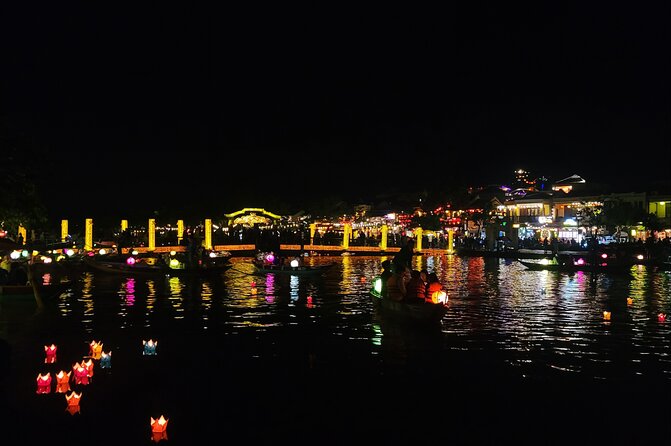
As the evening arrives, the town turns into a snack-and-shop maze. You’ll get dedicated Hoi An night market time for street food, handicrafts, clothing, and souvenirs.
This is where a guide saves you money and time. Instead of wandering with zero clue, you can ask what to try, what’s worth the line, and what’s actually local. The night market is fun even if you’re not a big shopper—you can treat it like a food crawl and pick a few things you’ll remember.
Practical tip: go in hungry, but not starving. It’s easy to overdo it when everything smells good.
Food plan: bánh mì, Cao lầu, chicken rice, and what your guide explains
Food is the spine of this tour. You’ll have lunch with bánh mì, then later you’ll eat at a restaurant featuring traditional noodles and chicken rice. Then dinner lands on the famous choice of Cao lầu (traditional noodles) or chicken rice again, with your guide explaining what makes it special and how to think about it.
Here’s why that matters: Hoi An dishes aren’t just flavors. They’re cultural blends you can taste. When someone walks you through the logic of how the dish is made and why it became part of local identity, you eat more attentively and you remember more.
If you’ve ever had street food in Vietnam without context, you’ll notice the difference here. This tour doesn’t treat meals as a stop sign. It treats them as part of the story.
The guides behind the experience: Dat, Eric, and Hung bring it to life
The experience’s tone is strongly shaped by the guides your group gets. The names that show up again and again in the guide feedback include Dat, Eric, and Hung—each praised for making the day feel easy, conversational, and informative.
- Dat is highlighted for deep Hoi An knowledge and being approachable, easy to talk with.
- Eric is praised for a strong blend of enthusiasm and clear English, plus the ability to keep things moving even when the day is rainy.
- Hung is mentioned as friendly and informative, and for helping tailor the trip so it feels less cookie-cutter.
You also get support from the driver team; Tung is named as an example of professionalism on the transportation side. That matters because a day like this runs smoothly only if the handoffs are clean.
Bottom line: if you care about hearing the why behind what you see and eat, this tour fits that.
Price and value: what you get for $104 per person
At $104 per person, this tour can feel like a fair deal once you tally what’s included. You get:
- Lunch and dinner
- Bottled water
- Visiting entrance fees
- Private transportation
- A guided day focused on multiple stops
What you don’t get is also clear: alcoholic beverages aren’t included, and there can be port pick up fees depending on where you’re staying or how you connect to the tour.
Is it worth it compared to building your own day? For most people, yes, because you’re paying for three things at once: a plan, a guide, and transportation between a spread of village craft sites and old-town areas. Doing it on your own can mean wasted time figuring out ticket lines, route changes, and when to go for the night market.
Also, this kind of day trip tends to book ahead. It’s commonly reserved about 72 days in advance, so if your dates are fixed, don’t wait until the last week.
Who should book this Hoi An and Da Nang day?
This tour is a strong match if you:
- Want Hoi An ancient town plus village stops, not just one area
- Like food with explanations (bánh mì, noodles, chicken rice, and Cao lầu)
- Enjoy hands-on activities like cooking and clay modeling
- Prefer private transportation and a guide who can pace the day
It’s also a good fit for families, since the day includes structured activities and meal stops rather than only long wandering.
The main reason not to book: if you hate a full day schedule. You’ll be out 8–10 hours, and even with good pacing, it’s still a lot of switching locations and doing walking between stops.
Should you book this Hoi An ancient town and village experience?
If you want Hoi An to feel real—craft, cooking, water villages, and the old town at night—this is an easy yes. The included meals and entrance fees reduce decision fatigue, and the guided approach helps you enjoy both the big sights and the quieter village corners.
I’d book it if:
- Your priority is authentic local food and culture, not just photos
- You like activities where you participate (cooking and pottery)
- You want a day plan that runs smoothly with pickup and private transport
Skip it if your ideal vacation is mostly slow, no-schedule time. This is structured, active, and built around a guided route.
FAQ
How long is the tour?
The day runs about 8 to 10 hours.
Do you get hotel pickup in Da Nang?
Yes. Pickup is offered, and the tour meets you at your hotel lobby.
What meals are included?
You’ll have lunch and dinner included. Bottled water is also included.
Are entrance fees included?
Yes. Visiting entrance fees are included in the price.
What food specialties will I eat?
You’ll have bánh mì for lunch, and later you’ll eat traditional noodles and chicken rice at a restaurant. Dinner features Cao lầu (traditional noodles) or chicken rice, with your guide explaining it.
What activities do you do in the villages?
You’ll take part in a cooking class in Tra Que Vegetable Village and a clay modeling class in Thanh Ha Pottery Village. You’ll also do a basket boat ride in Cẩm Thanh and have the chance to catch crabs.
Is it a private tour, or do I join other groups?
It’s private, meaning only your group participates.
What’s the cancellation window for a full refund?
You can cancel up to 24 hours before the experience start time for a full refund. If you cancel within 24 hours of the start time, the amount paid is not refunded.