REVIEW · DA NANG
Da Nang: Half-day Hoi An Heritage Walk
Book on Viator →Operated by Hoi An Express Travel · Bookable on Viator
Hoi An changes your pace fast. This half-day heritage walk is interesting because you’re guided through Hoi An Ancient Town on foot, with context for sites that have endured for 200 years or more. I also like that you get a professional English-speaking guide plus entrance fees and hotel pickup, so you’re not juggling logistics while you try to enjoy the streets. One catch: the walking can feel intense in hot weather, especially mid-day.
The route is built for people who want the big sights without over-planning: ancient houses, assembly halls shaped by Chinese influence, the Japanese Covered Bridge, and time at both the market and the museum. You also move in a small group (up to 15), which makes it easier to ask questions and keep the pace comfortable. If you’re coming from Da Nang, you’ll appreciate the air-conditioned transport and bottled water.
At $42 per person, this can be good value because the price covers more than just a guide. You also get entrance fees, travel insurance, and Da Nang City Center hotel pickup and drop-off. Still, you’ll want to budget for tips and personal spending, and you should clarify any local transportation add-ons before you go.
In This Review
- Key highlights that shape the experience
- From Da Nang to Hoi An: what this half-day really includes
- Ancient Town on foot: where the streets feel like they slowed down
- Stop 1 in Ancient Town: ancient houses, calm streets, and first impressions
- Market and museum time: how to understand what you’re seeing
- Assembly Halls and the Japanese Covered Bridge: the stops people remember
- Timing and heat: when the tour is great and when it’s a struggle
- The guide factor: where it feels worth it (and where you might go off script)
- Price and value for $42: what you’re paying for
- Planning your day in Hoi An: do the walk, then enjoy the town your way
- Who should book this Hoi An Heritage Walk
- Should you book this tour or go solo?
- FAQ
- How long is the Da Nang: Half-day Hoi An Heritage Walk?
- Is hotel pickup and drop-off included?
- What is included in the price?
- Are entrance fees included for the stops?
- What language is the guide?
- How large is the group?
- Can I cancel for a full refund?
Key highlights that shape the experience

- Ancient Town on foot: a focused walk through Hoi An’s older streets and houses that have stayed recognizable for 200+ years.
- English-speaking guide: you get cultural and heritage explanations that help you read what you’re seeing.
- Classic photo landmarks with context: Chinese-influenced assembly halls and the Japanese Covered Bridge, not just a quick stop.
- Market and museum stop included: you see everyday activity at the Hoi An Market and get background at the Hoi An Museum.
- Small group size (max 15): easier questions, less crowd pressure, more breathing room.
- Heat is real: in warmer months, a later-afternoon start can feel much better than midday.
From Da Nang to Hoi An: what this half-day really includes

This is a 5-hour experience in total, and that matters because it includes the time to get from Da Nang into Hoi An. You’ll get hotel pickup and drop-off in Da Nang City Center, plus air-conditioned transport. The group is kept small, with a maximum of 15 people, which helps the tour feel more like a guided walk than a cattle-line circuit.
For the money, I like that the basics are handled. You get bottled drinking water, travel insurance, and entrance fees for the stops on the route. You also get an English-speaking guide, with other languages only available on request (and with a surcharge).
What’s not included is also clear. You’ll pay your own personal expenses, like shopping and beverages, and you’ll want to plan for tips and gratuities. That’s normal for tours, but it’s still worth knowing up front so the final cost doesn’t surprise you.
You can also read our reviews of more tours and experiences in Da Nang.



Ancient Town on foot: where the streets feel like they slowed down
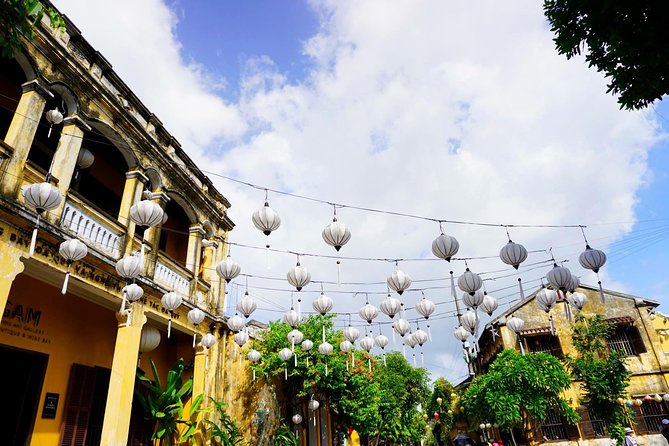
Hoi An Ancient Town is the main event, and walking is the point. Even before you reach specific sights, you’re surrounded by a town atmosphere that feels calm compared to bigger Vietnamese cities. The architecture and street layout reflect a mix of Vietnamese, Chinese, and Japanese influences, and that blend is easiest to understand while you’re moving at walking speed.
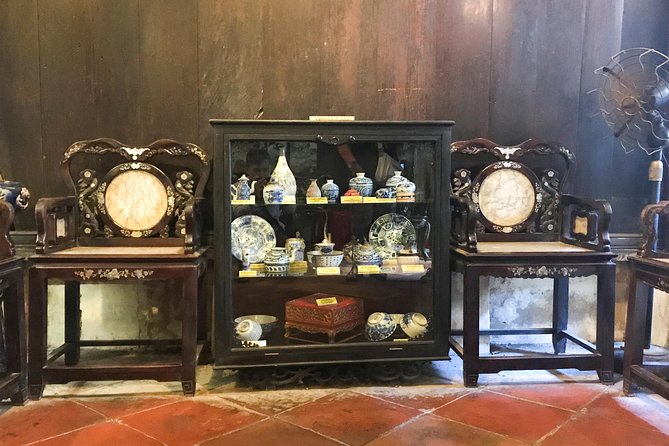
The route highlights ancient houses and older streets where you can see how families lived long ago. There’s also a “small-town detail” vibe here—things like the way homes are decorated and how residents’ routines still shape the look of the neighborhood. One of the most memorable parts of this kind of walk is that it’s not just monuments. You’re looking at everyday spaces that have been preserved and repurposed over time.
A realistic consideration: not every segment will feel equally “guided.” At some antique houses, there may already be staff explaining history inside the property. In that situation, having your tour guide with you can feel less necessary for that specific stop, and you may prefer a looser pace where you pick the moments you want explained and move on when you’re ready.
Stop 1 in Ancient Town: ancient houses, calm streets, and first impressions
Your first focus is Hoi An Ancient Town for about an hour. This is the part that helps you get your bearings and start noticing details. If you’re new to Hoi An, this short orientation is useful because it gives you a framework for what to watch for—house styles, community buildings, and the way the cross-cultural influences show up in the design.
This early section also sets the tone. Ancient Town can feel peaceful and straightforward once you’re in it, and that’s where the heritage walk earns its keep. You’re not sprinting from place to place right away; instead, you’re learning how the town’s older quarters work as a lived-in space.
You should also plan for sun exposure. Even if the streets are narrow and you pass through shaded areas, you’re still outside for stretches. If heat hits you easily, this is where the start time becomes important.
Market and museum time: how to understand what you’re seeing
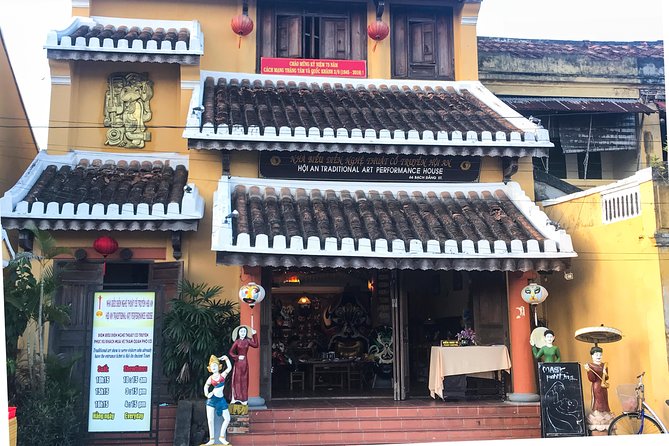
A big reason to take a guided walk is context, and this itinerary builds that in with two practical stops: the Hoi An Market and the Hoi An Museum.
The market portion gives you a chance to see local commerce and daily rhythm in the heart of town. It’s not just a photo stop. It helps you understand how a place can be historic and still function normally for people who live there now.
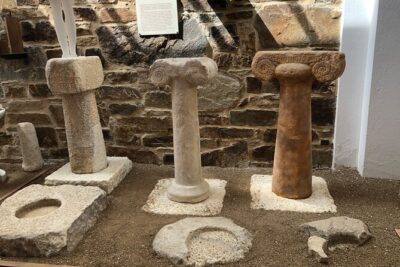
Then there’s the museum. The tour description calls it informative, and that’s the value: you get background that makes the architecture and heritage stops feel less random. Without that kind of framing, it’s easy to treat ancient buildings like decorations. With the museum context, you’ll often recognize patterns—why certain buildings exist, how communities organized space, and what influences shaped the town over time.
One note for your expectations: these stops fit into a walking schedule. You shouldn’t treat this as a slow, deep museum day. It’s a highlight-and-context package.
Assembly Halls and the Japanese Covered Bridge: the stops people remember
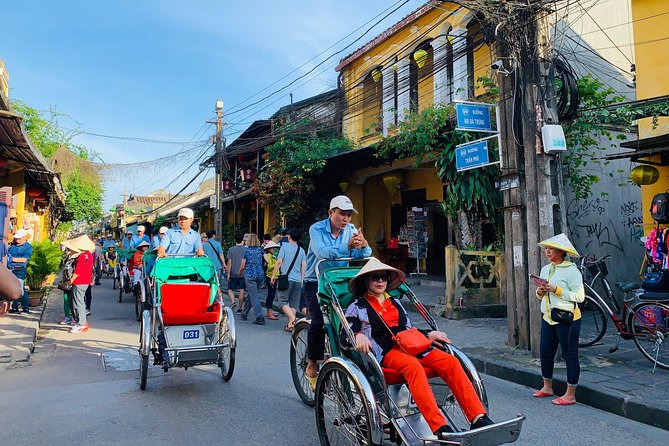
After you get oriented, the tour moves into the landmarks that anchor the story of Hoi An. Assembly Halls are included, with Chinese cultural influence called out in the tour description. These buildings are important because they reflect how communities gathered, organized, and expressed identity through architecture.
Then you reach the Japanese Covered Bridge—one of Hoi An’s best-known icons. This is the “easy to recognize” part of the walk, and it’s also the part where having a guide helps. A quick look at the bridge can be all photos. A guided look tends to connect the bridge to the wider mix of cultures that shaped Hoi An.
The tour also emphasizes how Hoi An’s architectural styles reflect multiple influences, including France, Japan, China, and Vietnam. Even if you don’t get a separate “France building” stop, you can still start spotting stylistic clues as you walk—details in facades, structure, and the way different eras left their mark.






Timing and heat: when the tour is great and when it’s a struggle

This is the honest part: summer heat can change how enjoyable any outdoor heritage walk feels. In fact, one common complaint from a guide-friendly tour is simply that it’s too hot during warmer months.
If you go in June or similar heat, I’d strongly consider aiming for a later-afternoon or early-evening style timing when you can. One experience that came out of this tour format included a later start (2 pm), and it made the day feel more manageable. Another guide experience included flexible timing for your return to Da Nang, with the guided portion ending just after 5 pm while still leaving time to enjoy the city for dinner.
What this means for you:
- Bring sun protection. Hat, sunscreen, and sunglasses aren’t optional here.
- Plan for breaks. Even if the tour schedule is fixed, you’ll usually be able to ask for a moment in the shade.
- Carry water. Bottled water is included, but you’ll still want to drink steadily.
If you’re sensitive to heat, this tour can still work—but you’ll feel a lot better if you build your day around it instead of treating it like a morning errand.
The guide factor: where it feels worth it (and where you might go off script)

A guided walk can either feel magical or oddly repetitive, depending on what you love. In this format, the guide is doing three jobs: giving cultural context, managing the route, and keeping the schedule moving so you see the key sights.
When it works well, it’s excellent. One highlight from the experience description and feedback is strong English and helpful explanations. There’s also mention of the guide sharing suggestions for where to eat afterward—exactly the sort of practical bonus that makes a heritage tour feel like a day-plan, not just a checklist.
But there’s also a fair critique to keep in mind. Some older houses have their own staff and explanations. If that happens at several stops, the tour guide’s value can feel smaller for those particular properties. I’d handle that by staying flexible: ask the guide your best questions when you need them, and when you feel you’re repeating the same story, use the moment to slow down and look at details yourself.
Also, if you have a specific goal—like a tailor appointment—this style of tour can sometimes make room for it. In at least one case, the timing and balance of touring left room for a tailor visit that someone wanted to do.
Price and value for $42: what you’re paying for
Let’s talk real value. At $42 per person, you’re paying for a package: guide, air-conditioned transport, bottled water, entrance fees, and hotel pickup/drop-off in Da Nang City Center, plus travel insurance.
Many “cheap” tours aren’t cheap once you add entrances and local transit. Here, entrance fees are explicitly included, and the route has enough major stops that you wouldn’t want to DIY every ticket and every explanation on your own. The result is that you spend less time planning and more time walking and absorbing.
So where do you need to watch your budget?
- Tips are not included.
- Personal expenses are not included (shopping, drinks, and other extras).
- One piece of advice I’d take seriously from the experience: confirm that there are no unexpected transportation add-ons. Even though pickup and drop-off are included in Da Nang City Center, one experience included a request for extra money for transportation from a local agent. You don’t want that stress mid-day, so ask upfront what’s included in your exact pickup location.
If the heat is manageable and the guide works for you, this price can feel fair. If you prefer solo strolling and already know you want a loose, night-focused wander, the guided format may feel a bit structured.
Planning your day in Hoi An: do the walk, then enjoy the town your way
A guided heritage walk is great for learning. But Hoi An also works best when you slow down and enjoy the evening atmosphere.
Some people finish a walk like this and then choose to keep exploring on their own later. That makes sense. This kind of tour is designed to cover specific landmarks and key buildings in a set time. Once you’ve got the mental map, you can return to streets you liked, pause longer at the spots that grabbed you, and handle shopping or casual wandering at your own pace.
If you’re doing that, here’s an easy strategy:
- Take the guided walk to get the big picture.
- Save extra time afterward for the parts of town that you personally liked most.
- If you’re a photo person, use the tour for orientation, then go back when crowds shift and the light changes.
Who should book this Hoi An Heritage Walk
This tour is a good fit if you:
- Want a structured way to see Hoi An Ancient Town in a limited time window.
- Prefer having a guide explain what you’re looking at, not just staring at old buildings.
- Like the idea of visiting both the market and the museum, not only photographing bridges and houses.
- Are comfortable walking outdoors for several hours in warm weather with breaks and water.
It may be less ideal if you:
- Hate group schedules or feel trapped by set timing.
- Want a slow, romantic wander with no route at all.
- Are very sensitive to heat and can’t adjust start time.
Should you book this tour or go solo?
My take: book it if you want the fastest path to understanding Hoi An without doing homework. With entrance fees and pickup handled, the money mostly buys your time and your guide’s explanations. In a small group, it’s a strong way to cover the town’s core heritage spots.
Skip it if you’re planning to stay long in Hoi An and you already know you’d rather explore at night and by feel. In that case, you might enjoy doing a casual walk without anyone “keeping you on schedule.”
If you’re on the fence, use this rule of thumb: if you want help reading the town, go guided. If you just want to stroll and absorb the atmosphere, consider going on your own—especially later in the day.
FAQ
How long is the Da Nang: Half-day Hoi An Heritage Walk?
It’s approximately 5 hours.
Is hotel pickup and drop-off included?
Yes. Pickup and drop-off are included for hotels in Da Nang City Center.
What is included in the price?
The tour includes bottled drinking water, an English-speaking guide, travel insurance, entrance fees, and transportation with air-conditioning.
Are entrance fees included for the stops?
Yes. Entrance fees are included, and admission tickets are listed as included for the Ancient Town stops.
What language is the guide?
The guide is English speaking. Other languages may be available upon request with a surcharge.
How large is the group?
The tour has a maximum of 15 travelers.
Can I cancel for a full refund?
Yes. Cancellation is free, and you can cancel up to 24 hours in advance for a full refund.
If you tell me your travel month and whether you prefer a morning or late-afternoon schedule, I can help you decide if this timing fits your style.