REVIEW · WALVIS BAY
From Walvis Bay: Sandwich Harbour World Heritage Site
Book on GetYourGuide →Operated by Africa Edge Tours and Safari cc · Bookable on GetYourGuide
Walvis Bay to Sandwich Harbour feels like two worlds in one day. You ride out in a sturdy 4×4, watch flamingos gather at the lagoon, then head into Namibia’s dunes and coastal wetlands tied to RAMSAR and UNESCO status. I like that the guides keep things personal, and I also love how the day mixes big wildlife moments with the smaller stuff you’d miss on your own.
I’m especially drawn to the guide-led spotting and photo stops. On several trips, guides like Charles and Herman are praised for patient driving, smart wildlife searching, and for stepping in with the right camera angles so you can actually capture the scene you’re seeing. I also like the itinerary design: first a tidal wetland with thousands of birds, then Sandwich Harbour Lagoon with endangered species and a real sense of space.
One possible drawback: this is a dune-and-beach route, so it’s weather- and tide-dependent. If conditions don’t line up, you may spend less time on the more dramatic sand sections, and the optional extras like lie-down sandboarding only happen when time and weather permit.
In This Review
- Key highlights worth planning for
- Walvis Bay’s flamingos set the tone for Sandwich Harbour
- The 4×4 dune drive: safety, comfort, and photo timing
- Start at Walvis Bay: lagoon flamingos and a quick nature read
- Birding on tidal lagoons: RAMSAR wetland spotting with a guide’s eyes
- Sandwich Harbour Lagoon: UNESCO coastal wetlands between sea and dunes
- Lunch on a dune or beach: the calm break you need
- Optional lie-down sandboarding: when the brave part fits
- What wildlife you can realistically spot (and when)
- Price and value: is $153 per person worth your time?
- What to bring for Walvis Bay dunes and coastal wind
- Who should book this tour from Walvis Bay
- Should you book Sandwich Harbour from Walvis Bay?
- FAQ
- Where does the tour usually start?
- How long is the tour?
- What’s the price per person?
- What language is the guide?
- Is lunch included?
- What’s included in the cost?
- Do I need special equipment for wildlife spotting?
- What should I bring for comfort and safety?
- Is sandboarding part of the tour?
- Are drones or pets allowed?
- What’s the cancellation policy?
Key highlights worth planning for
- Flamingos at the Walvis Bay lagoon to start the day with a classic Namib bird show
- Two RAMSAR wetlands for birdlife variety, from tidal mudflats to Sandwich Harbour Lagoon
- Wildlife beyond the obvious, including small desert creatures like the Dancing Spider and Golden Mole
- Expert dune driving that keeps the day moving and makes photo stops actually work
- Lunch with ocean views on a high dune or on the beach, depending on conditions
- Optional sandboarding if tides, time, and weather cooperate
Walvis Bay’s flamingos set the tone for Sandwich Harbour
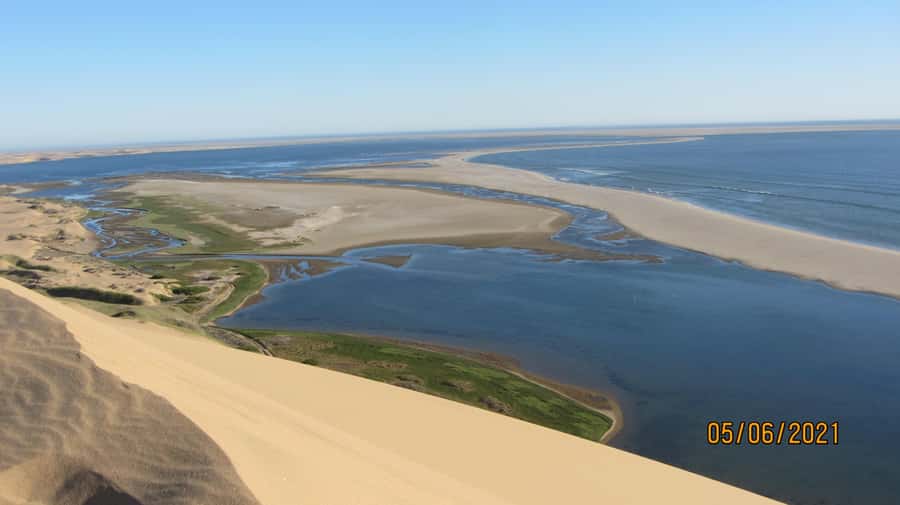
This half-day outing is built around one idea: the coast here isn’t just scenery, it’s a living system. You start near Walvis Bay, where the lagoon can hold serious bird numbers, and then you transition toward Sandwich Harbour Lagoon, wedged between the sea and the Namib Dunes. That shift matters. It’s the difference between “pretty coastline” and the kind of place where you can watch behavior, not just species.
The day also has a strong practical feel. You’re not stuck waiting around for long stretches. You’re moving through wetland zones by vehicle, stopping when the birds and wildlife are visible, and returning before the lighting gets flat. It’s paced for photos too—multiple opportunities to get out, look around, and then get back on the route without feeling rushed.
If you care about seeing the dunes as more than a background, you’ll appreciate that the driving itself is part of the experience. The tour is designed so the dune tracks lead to views, not just transportation.
The 4×4 dune drive: safety, comfort, and photo timing
A good 4×4 day is 50% vehicle control and 50% good decisions about when to stop. The guides for this route are repeatedly praised for safe driving through sand, and you’ll feel the difference when the group is crossing dune sections where traction and footing matter. Reviews often mention that the driving makes the ride feel fun rather than stressful, and that guides are alert to what’s happening both under the vehicle and in the landscape around it.
Comfort is real here, but don’t expect luxury. The tour provider emphasizes maintained 4×4 vehicles, yet one review notes an older Nissan Patrol without aircon, which still worked fine because you’re often outdoors and the dune movement brings cooling. Translation for you: dress for wind and sun first, and treat the vehicle like your moving shelter—not your spa.
For photos, the stops aren’t random. If you bring a phone or camera, you’ll get chances where the light hits the lagoon correctly or where the beach and dunes line up. Bring binoculars if you have them—some of the bird action happens at distances where zoom helps, and the guides can point out what to watch.
Start at Walvis Bay: lagoon flamingos and a quick nature read

The day typically begins at Walvis Bay parkrun. If you’re arriving by cruise, your pickup can be arranged near the harbor gate. Another common start point is the Flamingo Lagoon area around Flamingo Villas, depending on timing. Either way, you meet your guide, find the tour vehicle with the local partner logo, and get going.
You start with flamingos because it works. You ease into the day with a dramatic, easy-to-read scene: birds spread across the lagoon, water reflecting light, and a setting that immediately signals why Walvis Bay is famous. This early segment also gives you a chance to settle in, ask questions, and get familiar with how your guide will describe what you’re seeing.
This is also where you’ll learn what to look for next. The wetland isn’t just a bird pond—it includes adjacent intertidal areas like mudflats and sandbars, and those are where different species show up as tides shift.
Birding on tidal lagoons: RAMSAR wetland spotting with a guide’s eyes
After the flamingo start, you head toward a tidal lagoon made up of intertidal zones—mudflats, sandbars, and adjacent water. This matters because the birdlife isn’t uniform. Different areas of exposed ground and water attract different birds, and the timing affects what you can see clearly.
A big reason this outing earns such strong marks is the way the guides scan. The tour is positioned around a RAMSAR site, and the bird list includes 11 species of endangered birds regularly observed at this location. That’s not a promise you’ll see every species on every day, but it tells you the habitat is the real draw.
Beyond the bigger birds, you also get pointed toward smaller creatures and desert life that you’d otherwise walk past. The tour information includes potential sightings like:
- Fog-basking beetle
- Dancing Spider (often called the white lady)
- Golden Mole
- Shovel-snouted lizard
- Palmetto gecko
Even if you only catch a glimpse, this shift helps your brain stay engaged. You stop treating the trip like a checklist and start treating it like a search mission.
Sandwich Harbour Lagoon: UNESCO coastal wetlands between sea and dunes
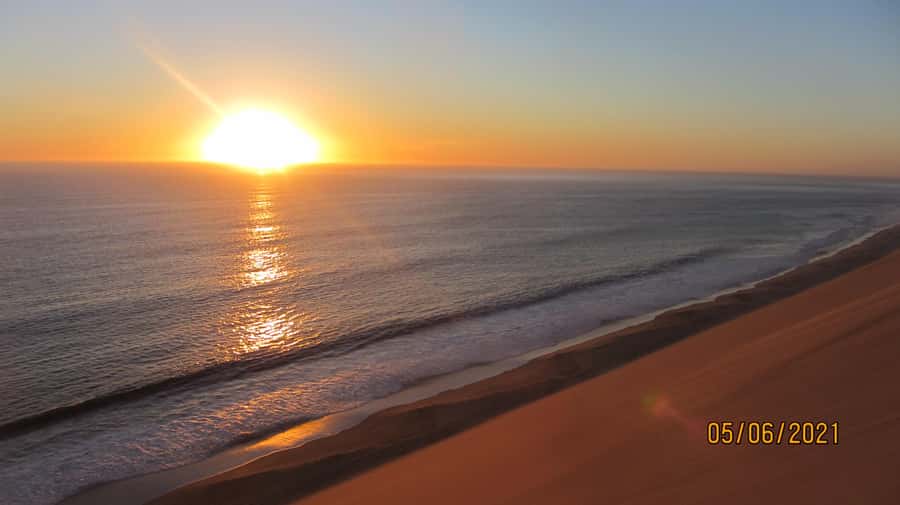
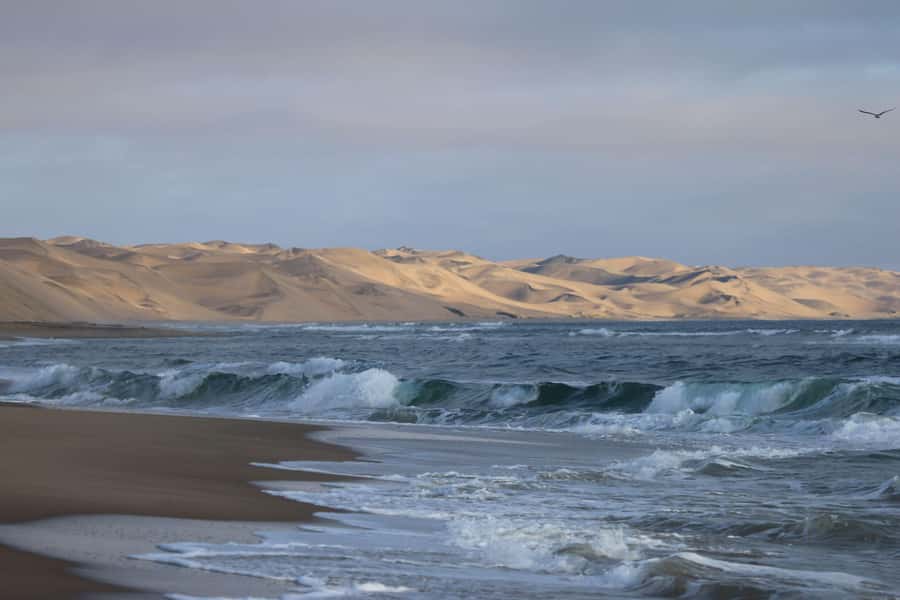
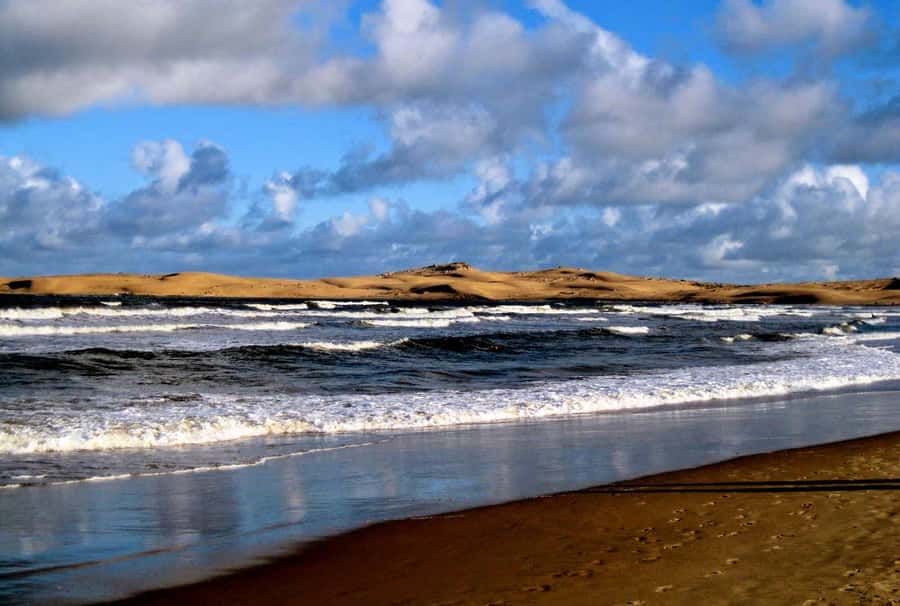
Then comes the star segment: the drive and stops at Sandwich Harbour Lagoon, a UNESCO World Heritage Site and the second RAMSAR site on the day. The setting is simple to describe and hard to forget: the lagoon sits between the Atlantic Ocean and the Namib Dunes. You get that layered look—sand on one side, water and salt pans on the other.
This is where the biology and the scenery collide. You’ll look for wading birds along the coastline and lagoon edges, and the day’s focus includes the fact that the site supports eight endangered species among the larger bird numbers. Practically, this means you’re in a habitat that’s consistently valuable for wildlife, not a one-off sighting zone.
Expect a strong bird emphasis, including cormorants along the wild beach, and you might see the lagoon waters described as pink in some conditions. Reviews also mention salt pans and salt bush in the broader view. For you, that’s a clue: the best photos often come when you step back. Don’t only shoot the closest bird. Shoot the whole composition—the dunes, the waterline, and the bird movement.
Lunch on a dune or beach: the calm break you need

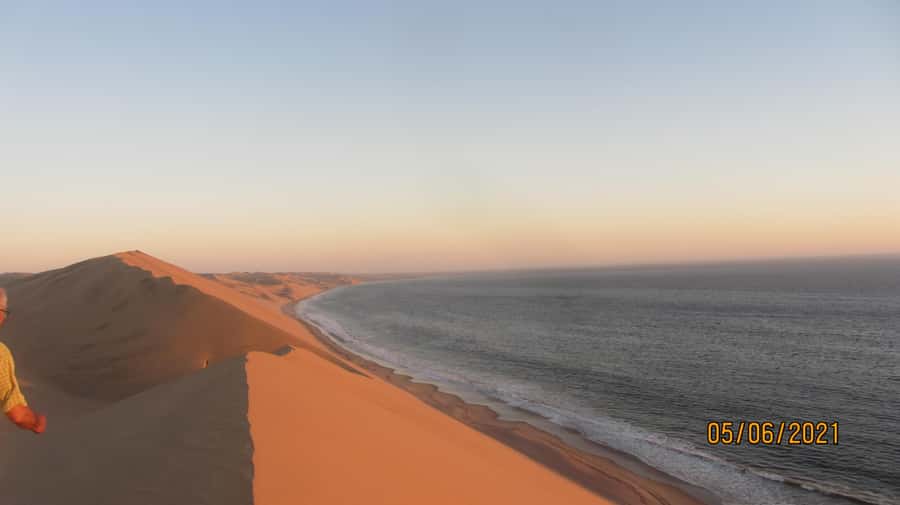
Midday is built in as a light lunch and drinks stop. You may eat atop a high dune overlooking the Atlantic Ocean or on the beach, depending on what the day’s weather and conditions allow.
This break is more than a snack stop. It resets you. After time spent scanning wetland edges and moving between sand sections, your eyes and your camera hand need a pause. It also gives you a chance to watch without rushing—birds come in waves, and sometimes the most interesting behavior happens when you’re not trying to run to the next spot.
I’d treat this as your photography reset too. If you’re carrying a camera, use the lunch window to wipe lenses, switch to the best settings for distance shots, and then step out again if conditions look promising. The day is short enough that this small management makes a difference.
Optional lie-down sandboarding: when the brave part fits
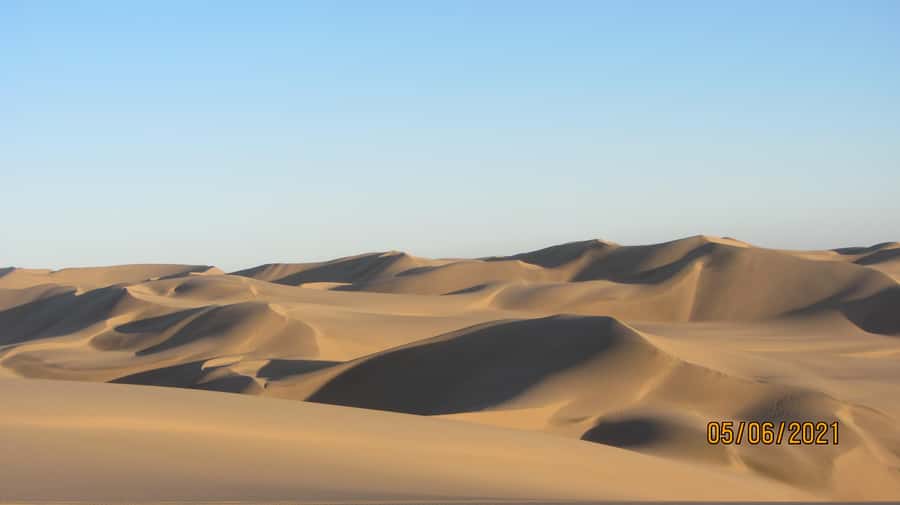
There’s an optional sandboarding element: lie-down sandboarding for the brave if there’s time and weather permits. That phrasing is your heads-up that it’s not guaranteed. If the dunes are too wet, wind conditions are off, or time runs tight, you may focus solely on the wildlife and views.
Still, this is one of the reasons the day feels different from a straight birding trip. You get a quick hit of Namib desert fun without turning it into an all-day extreme activity. If you’re bringing extra clothes, this is exactly where they’ll be useful.
If you want to try it, keep your expectations simple. You’re sliding on sand, not doing a stunt show. But in the right light and on the right dune, it can turn the dunes from a background into the main character.
What wildlife you can realistically spot (and when)
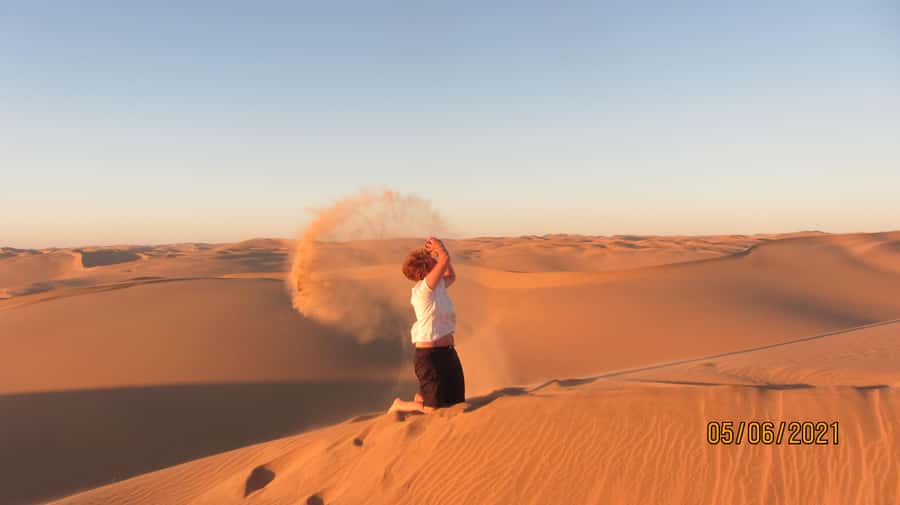
You’re not promised a safari parade, but you do have a strong chance of wildlife encounters because your route hits multiple habitat types: lagoon, mudflats, sandbars, dunes, and coastal beaches.
Here are wildlife types you can look out for based on the tour description and commonly mentioned sightings:
- Flamingos at the start lagoon zone
- Wetland birds across tidal flats and lagoon edges (including endangered species in the broader area)
- Small desert creatures during dune walks or sand-scanning stops (like geckos and beetles)
- On the return drive, you might find spring buck, oryx, black-backed jackal, and ostrich if conditions line up
Timing helps. Early stops can be bird-heavy, while return drives can bring mammals if the dunes and brush edges cooperate. Your guide’s job is to read the ground quickly—where tracks appear, where movement happens, and where birds are feeding.
Also, don’t underestimate the value of “seeing something small.” Reviews and tour notes highlight that guides will stop for a gecko in the sand, not just keep moving. Those moments are often what you remember later.
Price and value: is $153 per person worth your time?
At $153 per person for about 270 minutes (4.5 hours), you’re paying for a specific package: permits, a guide, and a reliable 4×4 route through protected coastal wetlands, including time for lunch and snacks.
Here’s the value math I think makes sense:
- You’re paying for access to wetland areas that are more complicated than a self-drive shortcut.
- You’re paying for skilled dune driving, which helps you reach photo-worthy spots without turning the outing into hard work.
- You’re paying for interpretation—knowing which birds, creatures, and habitat cues matter is the difference between a drive through sand and a meaningful nature day.
If you’re the kind of traveler who likes wildlife but doesn’t want a full-day log-jam of long drives, this price is more reasonable. If you only care about flamingos and don’t want the dune portions or the bird-focused stops, it might feel like money spent on a lot of scanning time. But if you want both birds and desert, it’s strong value for the time.
What to bring for Walvis Bay dunes and coastal wind
You’ll be outside, often in wind and bright sun, so pack like this is a coastal desert day. The tour’s suggested items are spot-on. Bring:
- Comfortable shoes
- Windbreaker
- Sunglasses and sun hat
- Camera and/or charged smartphone
- Sunscreen
- Binoculars (if you have them)
- Comfortable clothes and weather-appropriate layers
- Change of clothes (useful if you do sandboarding or get sand on you)
- Motion sickness prevention if you’re sensitive to dune driving
- Hand sanitizer or tissues
Also plan for the human side: drink water if you’re offered it, and keep snacks light. The tour includes light snacks and drinks, but you’ll still benefit from being prepared and not overstuffing your bag.
Who should book this tour from Walvis Bay
This works best for you if you want:
- A short, high-impact nature day (about 4.5 hours)
- Birdwatching with a real guide-led approach, not just drive-by sightings
- Desert dunes that you experience by road, views, and optional sandboarding
- A trip that’s realistic for people stopping for a cruise port visit (pickup near the harbor can be arranged)
It also fits photographers who want repeated opportunities for different compositions: lagoon birds at the start, lagoon and mudflat views, then the dunes and ocean-facing stops around Sandwich Harbour.
If you dislike vehicle time and prefer only walking routes, this may feel like too much driving. But if you like seeing places efficiently—while still stopping for wildlife—it’s a good match.
Should you book Sandwich Harbour from Walvis Bay?
Book it if you want the combination of RAMSAR wetlands + dune driving + guided wildlife searching in one half-day. The repeated praise for guide skill and the way guides handle photo stops and safe dune navigation makes this feel like a well-run day, not a rushed bus excursion.
Skip (or at least lower expectations) if your top priority is relaxing without wind exposure or if you can’t handle dune terrain. Sandboarding is optional and not guaranteed, so treat it as a bonus, not the main event.
If you’re already in the Walvis Bay area—or you’re timing a cruise day—this is one of the more practical ways to see why Sandwich Harbour matters, while also enjoying the more playful Namib desert side of things.
FAQ
Where does the tour usually start?
It typically starts at Walvis Bay parkrun. If you’re traveling with a cruise liner, pickup may be at the harbor gate. Another start option mentioned is near the Flamingo Lagoon / Flamingo Villas Hotel area.
How long is the tour?
The duration is listed as 270 minutes, about 4.5 hours.
What’s the price per person?
The price is $153 per person.
What language is the guide?
The live tour guide is available in English and Afrikaans.
Is lunch included?
Yes. There’s light lunch and drinks, served either on a high dune overlooking the Atlantic Ocean or on the beach depending on conditions.
What’s included in the cost?
Included are permit fees, trained guides, reliable and maintained 4×4 vehicles, and light snacks and drinks.
Do I need special equipment for wildlife spotting?
You should bring binoculars (if you have them) and a camera. Comfortable shoes help too, since you’ll be moving and stopping for sightings.
What should I bring for comfort and safety?
Bring comfortable shoes, windbreaker, sunglasses, sun hat, sunscreen, and a change of clothes. If you’re prone to motion sickness, bring prevention too.
Is sandboarding part of the tour?
It’s optional and depends on time and weather. If conditions allow, you may do lie-down sandboarding on the dunes.
Are drones or pets allowed?
No. Pets and drones are not allowed. Also, feeding animals is not allowed.
What’s the cancellation policy?
The activity offers free cancellation up to 24 hours in advance for a full refund, and it also offers a reserve now & pay later option.