REVIEW · GYEONGJU
Gyeongju: UNESCO Heritage Tour Including Bulguksa Temple
Book on GetYourGuide →Operated by Busan Tourism Center · Bookable on GetYourGuide
Silla kings left you a trail. This full-day UNESCO heritage tour in Gyeongju stitches together royal tombs, Buddhist masterpieces, and science from the Silla era—without you juggling tickets and directions. You’re basically touring the ancient capital’s best hits in one smooth route, from Bulguksa Temple to Seokguram Grotto.
I love the overall flow. You get a clear storyline as you move from everyday life in a traditional hanok village to the big royal monuments outside town. I also love the human side of the day: an English-speaking guide plus an air-conditioned van with a driver who helps keep things moving (and even supports photos).
One drawback: it’s a long, packed 8 hours. If you like slow strolling and long photo pauses, you might feel a little time pressure. And at $189 per person, it’s not the cheapest way to do Gyeongju, though lunch and entrance fees are part of the value.
In This Review
- Key things I’d zero in on
- UNESCO Day in Gyeongju: How the Route Really Works
- Pickup and Air-Conditioned Comfort From Busan or Gyeongju
- Gyochon Village and the Gyeongju Choi Clan House: Hanok Life in Miniature
- Daereungwon Tomb Complex: Cheonmachong’s Horse and Hwangnamdaechong’s Scale
- Cheomseongdae Observatory: A 30-Minute Hit of Silla Science
- Bulguksa Temple: Stone Bridges, Courtyards, and Pagodas Dabotap and Seokgatap
- Seokguram Grotto on Tohamsan Mountain: Granite Buddha and Guardian Carvings
- Wolji Pond (Donggung Palace Site): The Peaceful Finish With Palace Garden Views
- Lunch in Gyeongju: Included, Local, and Actually Useful
- Value at $189: Why This Price Can Make Sense for an 8-Hour Day
- Who Should Book This Tour (and Who Might Want a Different Plan)
- Should You Book the Gyeongju UNESCO Heritage Tour?
- FAQ
- FAQ
- How long is the Gyeongju UNESCO heritage tour?
- What sites are included in the tour?
- Is pickup and drop-off included?
- What is the tour price?
- Is lunch included?
- Are entrance fees covered?
- Is the guide available in English?
- Can I cancel for a refund?
Key things I’d zero in on
- Bulguksa Temple + Seokguram Grotto in the same day, both treated as UNESCO anchors
- Daereungwon Tomb Complex with standout sites like Cheonmachong and Hwangnamdaechong
- Cheomseongdae as a fast, high-impact stop at Asia’s oldest existing astronomical observatory
- Gyochon Village for a hanok-style break that shows noble-house architecture and lanes
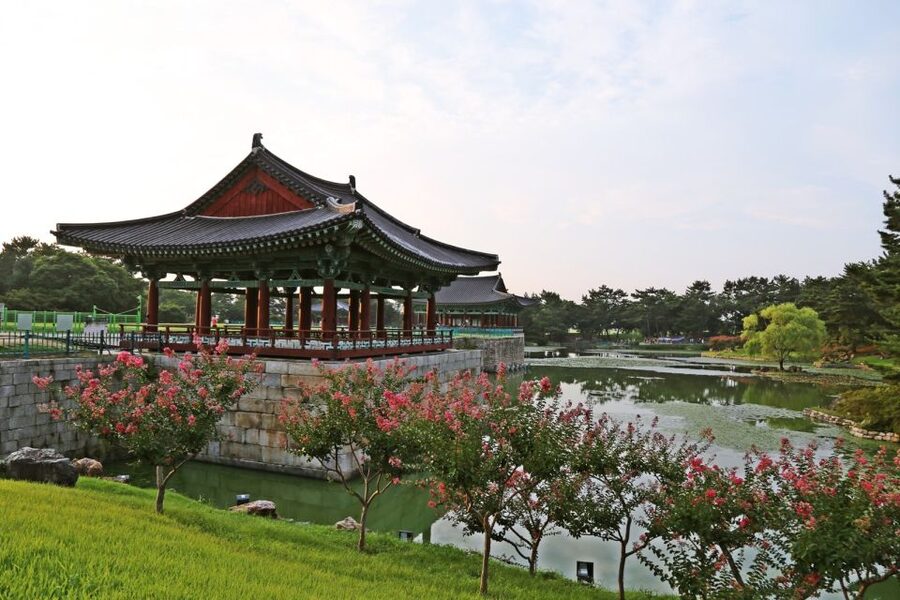
- Wolji Pond (Donggung Palace Site) for a calm end to the day, often most rewarding toward dusk
- Guide + driver teamwork (English narration, crowd-aware pacing, and photo help)
UNESCO Day in Gyeongju: How the Route Really Works
This is the kind of tour that makes sense if you only have one day in the area—or if you’d rather spend your energy looking, not planning. The itinerary is built around the Silla story: royal power in the tombs, spiritual Korea in the temples, and even scientific ambition at Cheomseongdae. You’ll see sites that feel separate on a map, but the day links them so your brain can organize the place fast.
The pacing is also practical. Each major stop is guided for about an hour (with the one shorter exception at Cheomseongdae), so you’re not stuck waiting around. You do walk between places, and you’ll spend time on the road too, but the route is designed to keep the day coherent.
If you’re coming from Busan, the pickup-and-drop setup matters. You’re trading “find your bus, find your ticket office, fight parking” for door-to-door comfort. And you’ll likely come away with a stronger sense of why these UNESCO-designated locations belong together.
You can also read our reviews of more tours and experiences in Gyeongju.
Pickup and Air-Conditioned Comfort From Busan or Gyeongju
The biggest logistics win here is simple: the tour includes pickup and drop-off, with pickup available from anywhere in Busan or Gyeongju. That means no stressful meeting points and no guessing how long the transfer will take.
Transport quality is a real theme in the feedback too. People consistently highlight comfortable vehicles and a guide who helps you stay oriented. Some guides have also shown real crowd-smarts on busy days—like when Korean holidays pack sightseeing spots—and that’s the kind of detail that can make or break a one-day plan.
One extra you might appreciate: bottled water is included, and on hot days, some guides have gone the extra step by providing iced water for the group. You can’t count on that every day, but it signals that they’re thinking about comfort, not just a stopwatch.
Gyochon Village and the Gyeongju Choi Clan House: Hanok Life in Miniature
Gyochon Village is a breather before the bigger monuments. It’s a traditional hanok village, which means you’re not just looking at a single landmark—you’re wandering through the shape of older Korean domestic architecture. Expect quiet lanes, the feel of preserved heritage, and a glimpse of how noble families lived through layout and craftsmanship.
Your guided visit includes the House of the Gyeongju Choi Clan. That focus helps you connect the dots: these were not random houses. They were built as expressions of social order, family identity, and local tradition.
A fun, local touch: when available, you may try Gyeongju Gyodong Beopju, a regional liquor. Even if you skip the drink, just having the option makes the village feel more alive and less like a frozen museum set.
The possible downside is time. With only about an hour total for the village, you’ll want to decide early what you want most—photos, architecture details, or a deeper listen to the guide’s story.
Daereungwon Tomb Complex: Cheonmachong’s Horse and Hwangnamdaechong’s Scale
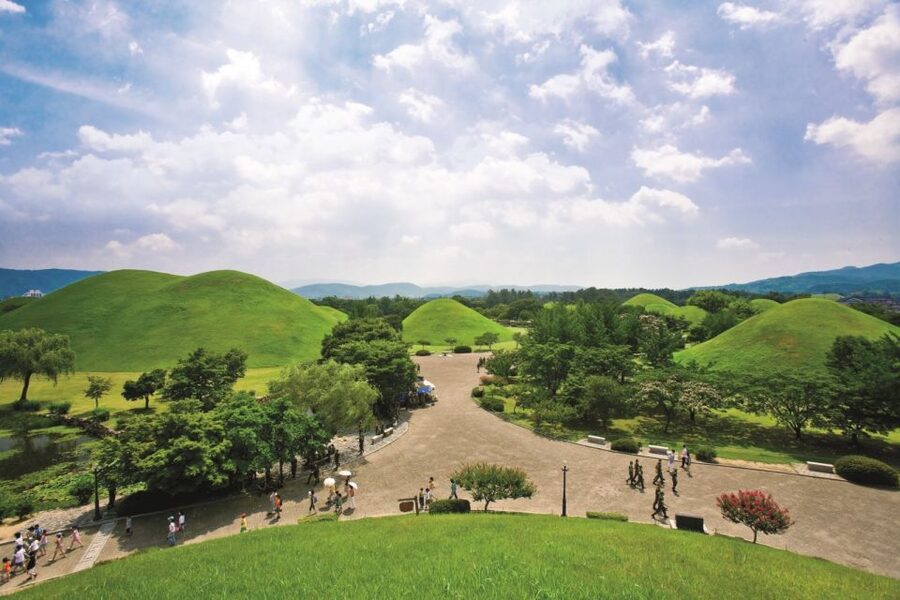
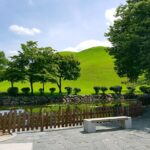
This is one of the tour’s most memorable chapters because it combines nature and royal power in a way that’s hard to fake. The Daereungwon Tomb Complex is a series of grassy burial mounds, gentle on the eye, but tied to serious Silla hierarchy.
Key stops include Cheonmachong. This is famous for the ancient horse painting linked to the site, which gives you a concrete image of how art functioned in memorial space. Then you have Hwangnamdaechong, described as one of the largest and most elegant tombs of the era. Standing in the presence of something that big makes the story feel real in your body, not just your head.
One practical tip: this stop is outdoors. Wear footwear you trust on uneven ground, and keep your expectations flexible. On sunny days you’ll get great views over the mounds. In wind or rain, you’ll rely more on the guide’s pacing to keep the time productive.
Cheomseongdae Observatory: A 30-Minute Hit of Silla Science
Cheomseongdae is the short stop, but it’s also one of the most iconic. It’s the oldest existing astronomical observatory in Asia, and it was built during the reign of Queen Seondeok. That alone makes it feel less like a random stone structure and more like a statement: the Silla court invested in measurement, timing, and knowledge.
Because your visit is guided for about 30 minutes, the goal here is understanding what you’re looking at without turning it into a long lecture. You’ll learn what makes its design distinctive and how it relates to the era that built it.
If you’re the type who likes context, this stop rewards you. If you’re only looking for a quick photo, it still works because the structure is unmistakable. Either way, it’s a smart use of time inside an 8-hour day.
Bulguksa Temple: Stone Bridges, Courtyards, and Pagodas Dabotap and Seokgatap
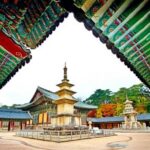
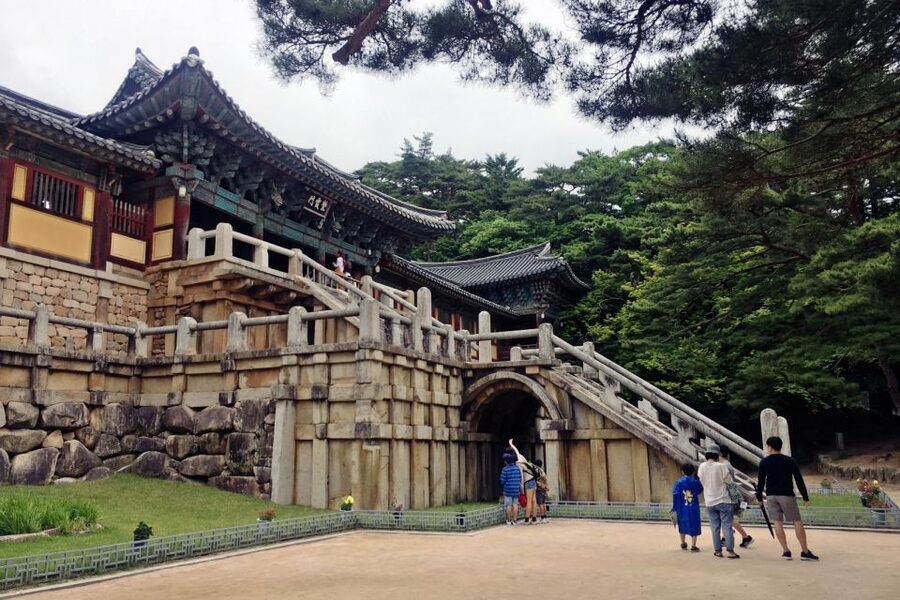
Bulguksa Temple is the centerpiece. It’s celebrated as a UNESCO World Heritage Site for both architectural beauty and spiritual importance, and your guided time is about an hour—enough to see the main highlights without feeling rushed.
You’ll walk past ancient stone bridges and through quiet courtyards, then focus on the famous pagodas: Dabotap and Seokgatap. These aren’t just pretty silhouettes. They’re visual proof of how Buddhist architecture communicated order and meaning.
What I like about Bulguksa for first-timers is that it offers both scale and calm. You get grandeur, but the setting doesn’t feel loud. It gives you a moment where the day slows down naturally, which helps the whole itinerary feel less like “checklist tourism.”
Possible consideration: bring layers. Temple grounds can feel cooler or windier, and when you shift between courtyards and open areas, you’ll feel it. Comfortable shoes also matter here, because you’ll be walking on uneven stone surfaces.
Seokguram Grotto on Tohamsan Mountain: Granite Buddha and Guardian Carvings
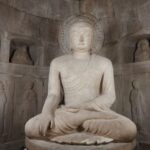
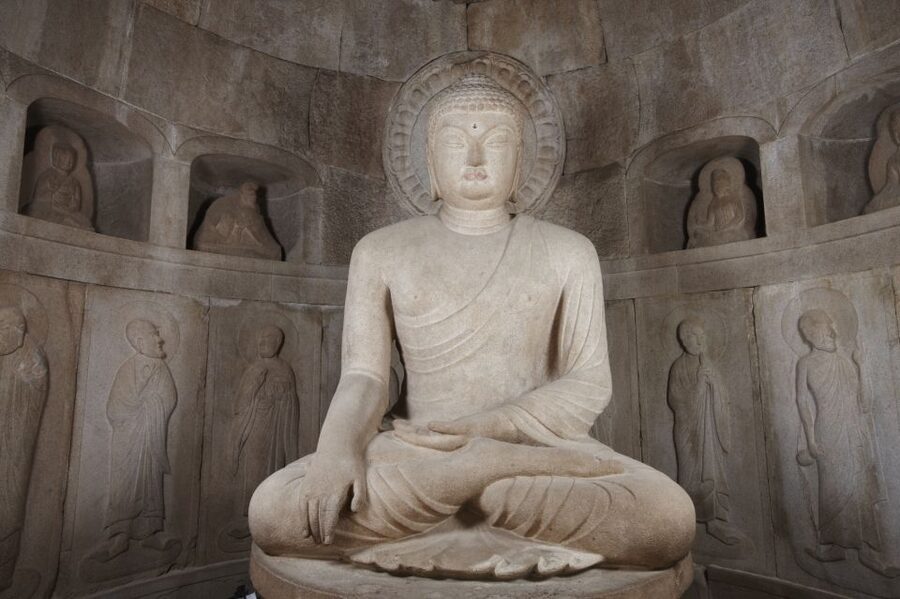
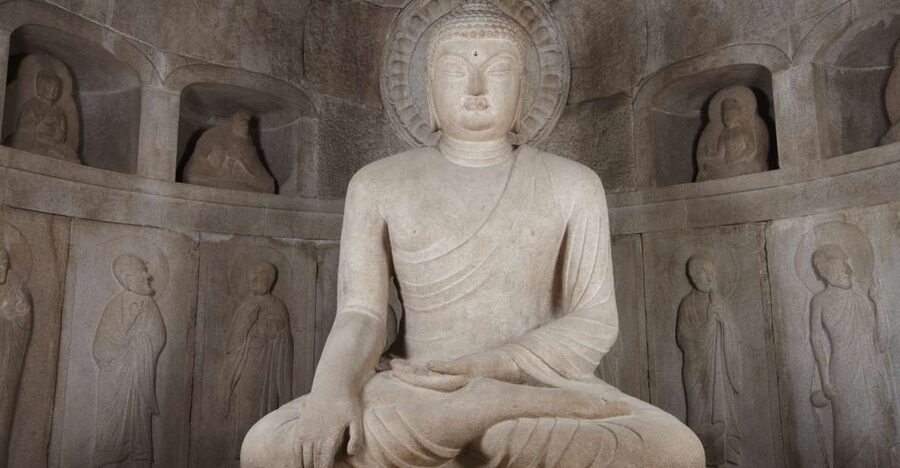
Seokguram Grotto is one of those places that makes you stop talking for a second. You travel up Tohamsan Mountain to reach it, and once there, you’re met by a stunning granite Buddha statue surrounded by intricately carved guardians.
The appeal isn’t only the statue. It’s the engineering and craft behind it—how the space frames the figure and how the carvings create a sense of protection and solemn attention. It’s also a UNESCO World Heritage site, which means you’re seeing something South Korea treats as truly significant.
Your guided time is about an hour, and it’s a strong use of that block. You’ll likely notice more details because you have someone explaining what to look for rather than only reading signs.
One practical note from the day’s experience: snacks can be sold outside the grotto area, and some guests liked trying what was offered. If you get hungry later in the day, that can be a lifesaver. Also, expect some uphill walking. Nothing extreme is mentioned, but you are going up a mountain, so plan for it.
Wolji Pond (Donggung Palace Site): The Peaceful Finish With Palace Garden Views
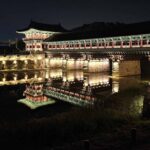
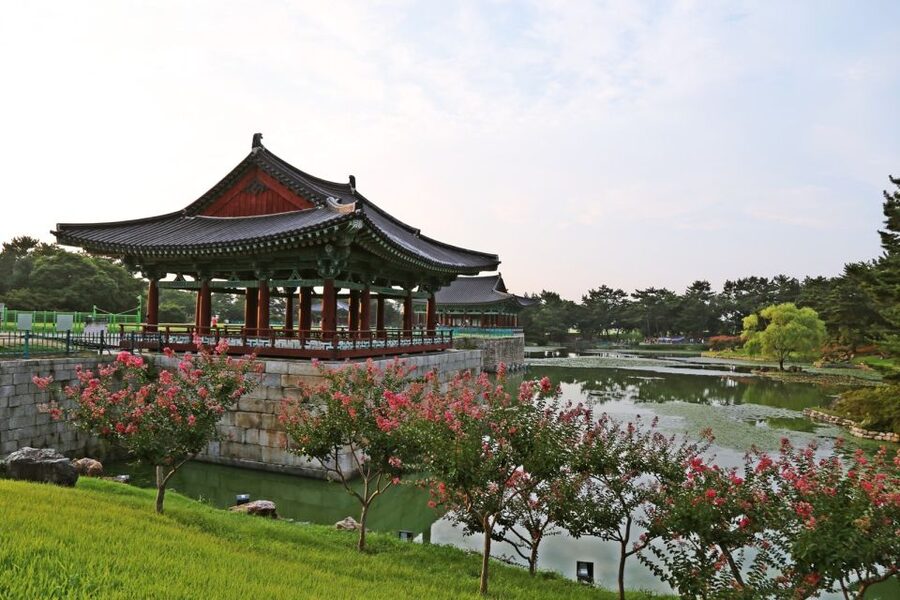
You end at Wolji Pond, also connected to the Donggung Palace Site. This is a scenic palace garden built during King Munmu’s reign, and it has the feel of a reflective, post-monument wind-down.
What makes this stop work after all the earlier sightseeing is that it’s calmer. The waters reflect pavilions and trees, and the view is especially picturesque toward dusk. Even if you’re not chasing a perfect sunset, the light tends to make the scene more forgiving for photos.
Some guests also highlight the nearby Woljeonggyo covered bridge scene as part of the overall Wolji Pond area. Either way, you’ll finish with something that feels scenic rather than monumental, which helps the entire day land in a satisfying way.
Your guided time here is about an hour, so you’ll get enough to walk the area at an easy pace and still have time to ask questions before heading back.
Lunch in Gyeongju: Included, Local, and Actually Useful
Lunch is included, which sounds basic until you realize what it saves you: you don’t have to guess where to eat between monuments, and you avoid the common one-day travel trap of paying for time you could’ve spent sightseeing.
People praised the lunch as delicious, and one guest specifically called out bibimbap in Gyeongju and learning how to eat it the right way. Even if your meal isn’t the exact same dish, the point is this: it’s not just a filler stop. It’s part of keeping the day enjoyable.
You’ll also have bottle of water during the tour, and that matters more than you’d think when you’re switching between outdoors and stone structures. For this kind of itinerary, you want fewer decisions, not more.
If you have strong food preferences, you should still expect Korean set-meal style. Plan to be flexible so lunch helps the day, not disrupt it.
Value at $189: Why This Price Can Make Sense for an 8-Hour Day
At $189 per person for an 8-hour tour, you’re paying for concentration. You’re not just buying access to one site. You’re buying a full guided day that includes pickup and drop-off in Busan or Gyeongju, an air-conditioned van, a live English guide, lunch, bottled water, and all entrance fees.
That last part is key. Entrance fees add up fast when you’re stacking multiple major UNESCO sites. Add guided explanations, and the cost starts to feel more reasonable—especially if you’re trying to see a lot in a short window.
Transport quality gets high praise too, with 96% of reviewers mentioning perfect scores. That’s relevant because Gyeongju’s sites are spread out. A comfortable van plus smart routing can turn a chaotic day into a smooth one.
One consideration: some people felt the price was high. That’s often tied to expectations about how many stops you get for the money and how the departure area pricing works. If you’re price-checking options, compare the exact inclusions and how the itinerary times line up with your day.
Who Should Book This Tour (and Who Might Want a Different Plan)
This tour is ideal if you want a strong introduction to Silla-era Korea without doing logistics math. It’s also a great fit if you’re staying in Busan and want a manageable one-day plan. The UNESCO mix matters here. You’ll get Bulguksa and Seokguram, plus Cheomseongdae and the royal tomb complex that help connect the culture across time.
You’ll probably enjoy it most if you:
- like guided storytelling that helps you understand what you’re seeing
- want a compact day with major sites rather than a slow multi-day schedule
- prefer comfortable, handled transport over self-driving
A possible mismatch: if you travel for maximum freedom and want to linger at each location for long periods, an 8-hour itinerary can feel tight. This is designed for seeing a lot, not for slow wandering for hours at a time.
Should You Book the Gyeongju UNESCO Heritage Tour?
If your goal is to see the biggest Gyeongju classics in one go, I’d book it. The combination of UNESCO sites, structured English guidance, and door-to-door transfers is the core value. The day also tends to run smoothly because the guide and driver support the group and keep things moving, even when crowds appear.
My best advice before you go: pack comfortable shoes and plan to stay flexible with pacing. This tour gives you a big-picture grasp of Gyeongju quickly, and you’ll leave with enough context to enjoy other stops on your own afterward.
FAQ
FAQ
How long is the Gyeongju UNESCO heritage tour?
It lasts 8 hours.
What sites are included in the tour?
The tour includes Bulguksa Temple, Seokguram Grotto, Daereungwon Tomb Complex, Donggung Palace & Wolji Pond, Cheomseongdae Observatory, and Gyeongju Gyochon Traditional Village.
Is pickup and drop-off included?
Yes. Hotel pickup and drop-off are included for locations in Busan or Gyeongju.
What is the tour price?
The price is $189 per person.
Is lunch included?
Yes, lunch is included.
Are entrance fees covered?
Yes, all entrance fees are included.
Is the guide available in English?
Yes, there is a live English tour guide.
Can I cancel for a refund?
Yes. You can cancel up to 24 hours in advance for a full refund.