REVIEW · SEMINYAK
Full Day Kintamani Volcano View and Ancient Penglipuran Village
Book on Viator →Operated by Bali Golden Tour · Bookable on Viator
Volcano views start the day right. This full-day route pairs Kintamani lookout scenery with ancient temples and the tightly planned streets of Penglipuran. I especially love the combo of sacred sites plus an old village you can actually walk through, and I also like that lunch is planned with Mount Batur and Lake Batur in sight. The main thing to consider is time: it’s an 8 to 9 hour day, so you’ll want comfy shoes and a bit of patience for a busy schedule.
The best part for me is how the day runs smoothly when you’ve got a steady driver. Names like Arta, Satya, Dirga, and Wayan Mo come up for punctual hotel pickup and smooth, careful driving. You also get useful modern touches like a mobile ticket, plus pickup is offered and it’s arranged as a private experience for just your group.
In This Review
- Key Highlights You’ll Care About
- A Full Day of Temple, Volcano Views, and Old Village Streets
- Getting There: Pickup, Timing, and a Day That Actually Flows
- Goa Gajah (Elephant Cave): Carvings, Cave Atmosphere, and Meaning
- Tirta Empul Temple: Sacred Spring and Real-World Purification
- Kintamani Highland and the Volcano Viewpoint Moment
- Lunch in Kintamani: Buffet Food With Mt Batur in View
- Bali Coffee Plantation Stop: Plants, Process, and Luwak Curiosity
- Penglipuran Village: Neat Traditional Houses and a Living Old Pattern
- Price and Value: Is $95 per Person Worth It?
- Practical Tips to Make the Day Feel Effortless
- Should You Book This Kintamani Volcano View and Penglipuran Tour?
Key Highlights You’ll Care About
- Kintamani viewpoint with Mount Batur and Lake Batur views during the day’s most scenic stretch
- Goa Gajah and Tirta Empul in a smart sequence, so the culture theme builds as you go
- Lunch with a view, with an Indonesian buffet and vegetarian options
- Coffee plantation stop to see different plants and learn how Bali coffee (including luwak) is made
- Penglipuran village with neat, old-style house lines that feel like stepping back in time
- Driver-focused experience quality, with praise for punctuality and safe, comfortable transport
A Full Day of Temple, Volcano Views, and Old Village Streets
This trip works because it mixes three types of Bali you don’t always get in one go: temple spirituality, big natural scenery, and everyday culture in a still-living village.
You’ll start with Goa Gajah (Elephant Cave), then continue to Tirta Empul, move up into the Kintamani highlands for the volcano viewpoint, and refuel at lunch. After that comes a coffee plantation stop, and the day ends at Penglipuran Village, famous for its orderly traditional layout. It’s a compact circuit with a lot to see, which is great if you only have one full day and want variety.
The day is also paced like a real tour day, not a rushed grab-and-go. Most stops are listed around an hour each, so you get time to look around, ask questions, and not just stand in line. Still, it’s long enough that you’ll want to plan your energy for the road time between stops.
You can also read our reviews of more tours and experiences in Seminyak.

Getting There: Pickup, Timing, and a Day That Actually Flows
The tour starts at 8:00 am, so you’ll want to treat it like a real start-your-day excursion, not a late breakfast and then vibes day. Pickup is offered from your area, and the experience runs for about 8 to 9 hours total.
One of the most practical benefits is that this is arranged as a private tour/activity for only your group. That means you’re not stuck in the middle of a big crowd shuffling at each photo stop. Your driver and guide can help you keep moving while still giving you time to enjoy the sights.
From what you’ll likely notice during the day, the ride comfort matters here. Drivers such as Arta, Satya, Dirga, and Wayan Mo have gotten praise for being punctual and professional, with smooth and safe driving. That’s not a small detail: this route has elevation and winding roads, and you’ll enjoy the temples and viewpoints more when you’re not already tense in transit.
Goa Gajah (Elephant Cave): Carvings, Cave Atmosphere, and Meaning
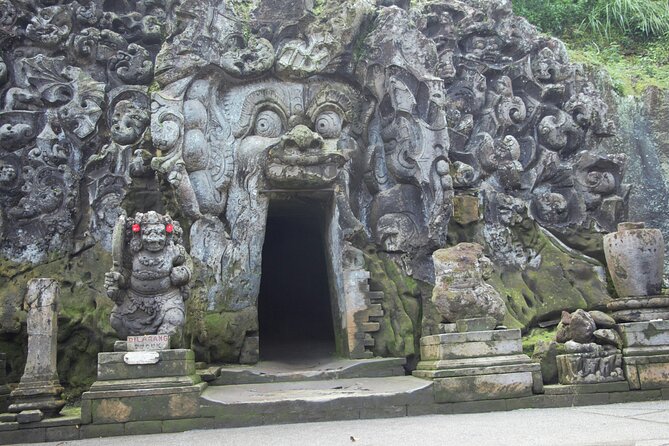
Your first stop is Goa Gajah, also known as the Elephant Cave Temple. Expect an old archaeological-style visit where you move into a cave setting and focus on carvings and sacred elements.
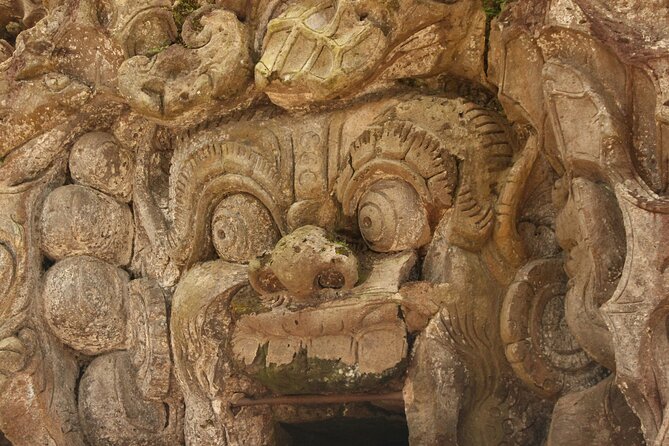
A couple details make Goa Gajah worth it beyond the novelty of a cave. You’re looking at Ganesha carvings and you’ll also see a Lingga Yoni inside the cave. These aren’t random decorations. They reflect the deeper spiritual symbolism woven into Balinese sacred spaces.
This is a “slow-looking” stop. You won’t get much value by rushing. Take a moment to pause at the right angles for the carvings and let your eyes adjust to the cave lighting. If you’re traveling with limited time, this is one of those places where a focused 30 to 60 minutes is better than a quick walk-through.
Potential drawback? Like many older sacred sites, caves and corridors can feel tight. If you don’t love enclosed spaces, go in expecting darker, more confined areas and plan accordingly.
Tirta Empul Temple: Sacred Spring and Real-World Purification
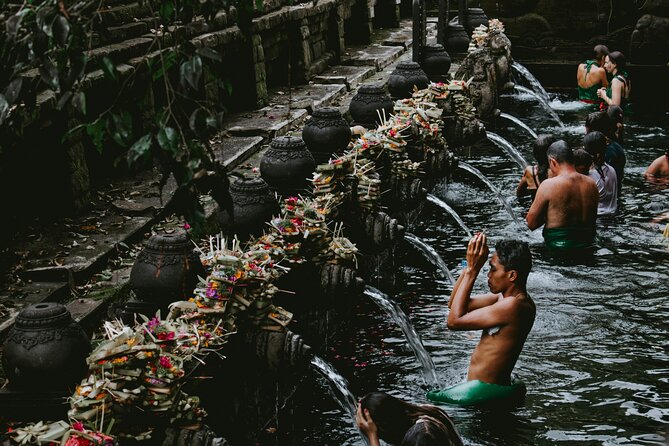
Next up is Tirta Empul Temple, built around the sacred spring at Tampak Siring. This stop is more than a landmark photo spot. It centers on a living tradition: Balinese worshipers have been drawn here for more than a thousand years for self-purification in the pool area.
So what should you do there? Treat it like a cultural observation stop. You’ll likely see people following their own rhythms at the water pools. Your job is to stay respectful, watch quietly, and let the place do its work.
A practical tip: you’ll probably feel like you want to time your photos around what’s happening in the pools. The best approach is to give people space, take photos only when it’s natural, and keep your movements calm. You’re in a sacred setting, not a theme park.
Why this stop matters on this tour: you’re building context. Goa Gajah gives you symbolic carvings in a cave; Tirta Empul gives you the practical spiritual action of purification. Together, they make the cultural day feel coherent instead of random.
Kintamani Highland and the Volcano Viewpoint Moment
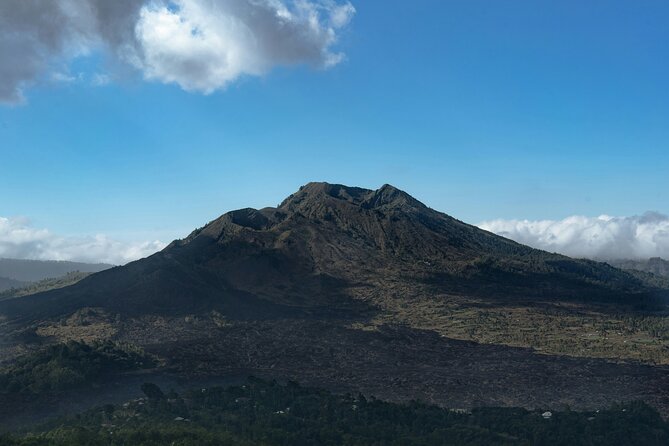
After the temples, the tour moves into Kintamani. This is where the day starts turning scenic in a big way.
The key payoff here is the viewpoint over Mount Batur and Lake Batur. It’s not just a one-second view either. You’re set up to spend time in the Kintamani highlands area, and later you’ll get more time at lunch where the view continues.
You’ll also notice why this route flows the way it does. The morning temples give you cultural grounding, and then the highlands bring you back to scale—volcano and lake, clouds in the distance, and the sense of place that doesn’t happen in cities.
A realistic consideration: weather changes fast in volcanic regions. Even if the forecast looks fine, conditions can shift. If you want the best views, keep your phone charged and don’t wait until the last minute to find your best angle. The weather will decide whether you get dramatic clarity or softened mist.
Lunch in Kintamani: Buffet Food With Mt Batur in View
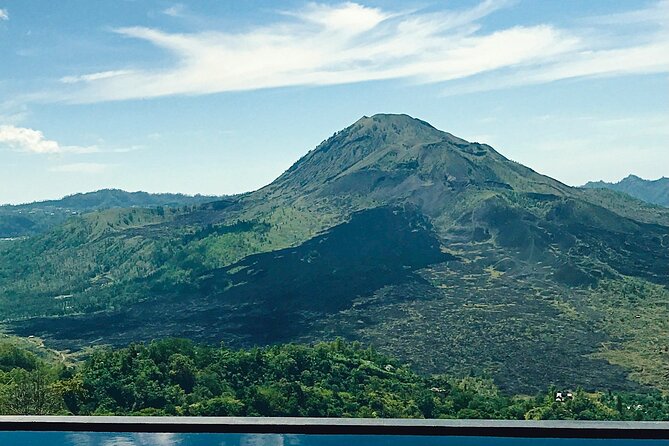
Lunch is built into the tour as a buffet with Indonesian food and vegetarian food available. The big value here is location: you’re eating while looking out at Mount Batur and Lake Batur from the restaurant area.
One hour for lunch sounds standard, but on a day like this it’s a smart choice. You need real food and a proper reset before the last two stops. And because the view is part of the experience, lunch doesn’t feel like a break you endure—it feels like part of the scenery.
A detail worth mentioning from the way this day is often run: lunch may be at a Kintamani restaurant such as Grand Puncak Sari, which lines up with the idea that the meal is tied to the viewpoint.
If you’re sensitive to heights or have motion sickness, take it easy after lunch. The roads back to the coast involve curves, and having a calm plan helps.
Bali Coffee Plantation Stop: Plants, Process, and Luwak Curiosity
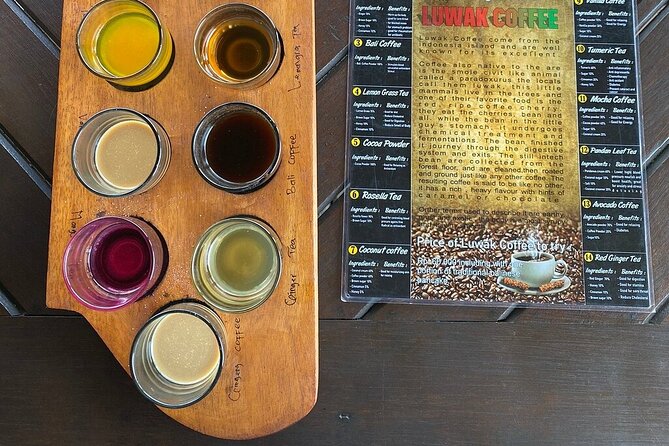
After lunch, you head to a Bali coffee plantation stop. This is listed as around one hour, and the point isn’t just drinking coffee. It’s seeing how it’s grown and how it’s processed.
You’ll witness different plantation items, including coffee arabica and coffee robusta, plus other crops like pineapple and Balinesse snake fruit. The tour also includes an experience to see how Balinese coffee is made, including the famous Luwak coffee.
What I like about this stop is that it breaks the day’s pattern. After temples and views, the coffee plantation gives you a hands-on, agriculture-style change of pace. Even if you don’t buy anything, it helps you understand what coffee culture in Bali is actually tied to: crops, processing steps, and local cultivation.
A consideration: coffee stops can turn into hard-sell moments on some tours. This one is listed as an observation experience to see variety and process, but how it feels day-to-day depends on the plantation setup. If sales pitch energy pops up, politely listen, ask a quick question, then decide calmly whether to purchase.
Penglipuran Village: Neat Traditional Houses and a Living Old Pattern
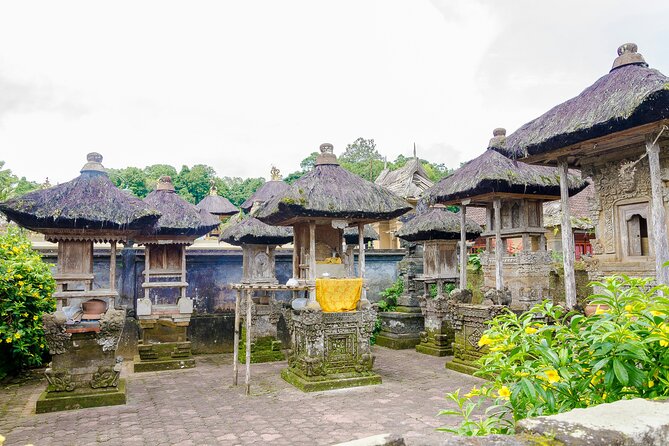
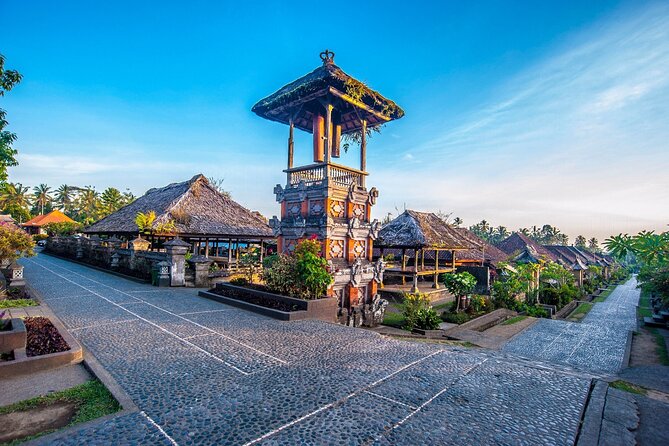
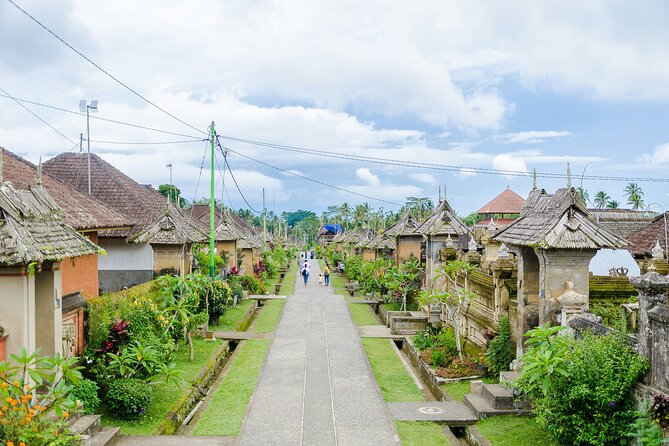
The final cultural stop is Penglipuran Village, an ancient village known for preserving the character of traditional old-style houses. The tour highlights that the houses are neatly lined up, which is exactly why this place feels different the moment you walk in.
This village is described as having around 700 populations (based on the last census noted as 1999), and it’s located about 6 kilometers from Bangli or 1 kilometer from Kubu village. You don’t need those numbers to enjoy it, but they help explain why it doesn’t feel like a manufactured show village. It’s still a place with residents and routines.
The experience is about walking the village layout slowly. Look at how the pathways and house lines relate to each other. Notice the uniformity without assuming it’s just decoration. It’s a traditional pattern that shapes daily life.
Potential drawback? Because it’s a “pretty village” stop, it can be photo-heavy. If you love people-watching, great. If you prefer quiet corners, go slower and give yourself time to find the calmer edges rather than only shooting the center.
Price and Value: Is $95 per Person Worth It?
At $95 per person, this tour isn’t a budget mini trip, but it also isn’t a luxury splurge. The value comes from what’s packed into the day and what’s included.
You’re getting a full circuit: Goa Gajah (admission ticket included), Tirta Empul (admission included), Kintamani highland (admission included), lunch at a Kintamani restaurant with Indonesian buffet and vegetarian options (listed as included/free of admission), a coffee plantation stop, and Penglipuran (admission included). Add pickup offered and private group comfort, and the cost starts making more sense for an 8 to 9 hour day.
Also, your payment is supported by a mobile ticket, which cuts down on friction. And the tour notes group discounts, which can matter if you’re traveling with friends or family.
So who gets the best value? People who want a one-day sampler: volcano views, two major temples, and a traditional village, all handled with transport and timing. If you’d rather pick only one or two sites and linger for hours, you might find this schedule too full.
Practical Tips to Make the Day Feel Effortless
A smooth day here is mostly about preparation, not luck.
- Wear shoes you can stand in for a while. You’ll be moving between cave areas, temple grounds, village walking, and viewpoints.
- Bring a light layer if mornings feel cool and higher elevations get breezy.
- Have some cash and small change just in case you decide you want coffee or snacks during the plantation stop, since purchases aren’t listed as guaranteed.
- Keep your phone ready for Kintamani, then use lunch time for photos too—because you’ll get another view angle from the restaurant area.
- If you’re vegetarian, you’re covered for lunch since vegetarian food is available.
One more thing: since the start time is 8:00 am, don’t plan an all-night schedule the night before. You’ll enjoy the temples more when you’re not running on espresso and willpower.
Should You Book This Kintamani Volcano View and Penglipuran Tour?
If you have one day and want a well-rounded cultural day—temples, volcano scenery, coffee agriculture, and a traditional village—this is a strong choice. The biggest reasons to book are the Mount Batur and Lake Batur views built into both the Kintamani portion and lunch, plus the fact that the day ends in Penglipuran, where you actually walk through an old pattern rather than only look from a distance.
I’d consider skipping or choosing something lighter if you hate long schedules. This is an 8 to 9 hour commitment with multiple stops, and temple timing plus road time can feel like a lot in one day.
If your travel style is: see a lot, learn a little, and come away with photos that feel real, book it. This one has the right mix of sacred meaning and big scenery, without turning into a nonstop sprint.