REVIEW · SANTIAGO
Guided City tour Praia with Cidade Velha (World Heritage)
Book on Viator →Operated by Kapverden Tours · Bookable on Viator
A walk from modern Praia into Cidade Velha changes your sense of time fast. This guided tour pairs the capital’s key sights with the World Heritage Cidade Velha, the first European settlement outside Europe in the tropics. I like that you get free access to all major stops and that guides bring the stories to life, often in clear English with names like Edson and José mentioned by guests. One thing to consider: the schedule is tight (about 3–4 hours), so if you want hours of slow wandering, you may wish you had more time in Cidade Velha.
The best part is how the tour mixes everyday city life with big historical turning points. You’ll pass through central Praia’s main square, then step into two major markets, and finish with a longer look at Cidade Velha’s origins and the Atlantic trade era. As a potential drawback, the tour depends on good weather, and if conditions aren’t right you’ll need to be flexible with timing.
In This Review
- Key highlights you’ll care about
- Why this Praia + Cidade Velha combo is such a smart first move
- Praca Alexandre Albuquerque: a quick stop with real orientation value
- Mercado Municipal di Praia: colors, conversations, and how the day works locally
- Igreja Nossa Senhora da Graça: colonial architecture you can still read today
- Mercado de Sucupira: the most African market feel on the island
- Cidade Velha (World Heritage): where the Atlantic story begins
- Group size, timing, and why 3–4 hours feels just right
- Price and value: why $58.81 can be a good deal here
- Pickup, mobile ticket, and how to make the day smooth
- The guide experience: what to look for and how to get better answers
- Practical tips for markets and a historic site
- Who this tour is best for
- Should you book this tour?
- FAQ
- How long is the Praia with Cidade Velha guided city tour?
- What does the tour cost?
- Is pickup included?
- How many stops are included in the itinerary?
- Is admission free for the stops?
- What is the group size limit?
- Is a mobile ticket used?
- Do I need to worry about weather?
- Can I cancel for a full refund?
- What if the tour doesn’t meet the minimum number of travelers?
- What language will the guide use?
Key highlights you’ll care about
- Small group (max 6 travelers) for a calmer pace and easier questions
- Two markets in Praia (Municipal di Praia + Sucupira) to see both local trade and island character
- One major colonial church stop: Igreja Nossa Senhora da Graça, a 19th-century Portuguese-built landmark
- World Heritage time in Cidade Velha with a focused, guided 2-hour visit
- Pickup offered in Praia plus a mobile ticket for smooth day-of logistics
Why this Praia + Cidade Velha combo is such a smart first move
If you only have a few days in Santiago, this is a practical way to cover two sides of the capital. Praia shows you where daily life is happening now. Cidade Velha gives you context for where the Cape Verdean story began, and why Atlantic history still matters here.
I like that the tour isn’t only about monuments. It includes places that make you slow down: markets where you see what people buy, sell, and talk about, plus a church that still anchors the city’s colonial-era architecture. That blend is useful because it helps you understand Praia as more than a starting point.
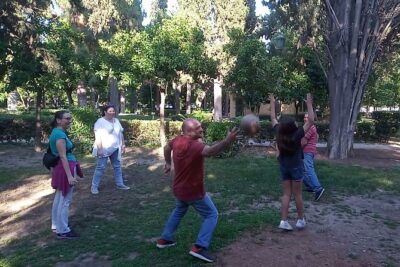
The group stays small—up to 6 people—so you’re not fighting for attention when you want details. Guides named Edson, Orlando, José, and Antonio are specifically praised for being organized, attentive, and good at explaining clearly in English. (And if your day needs an English guide, the provider has handled that scenario in the past.)
You can also read our reviews of more tours and experiences in Santiago.

Praca Alexandre Albuquerque: a quick stop with real orientation value
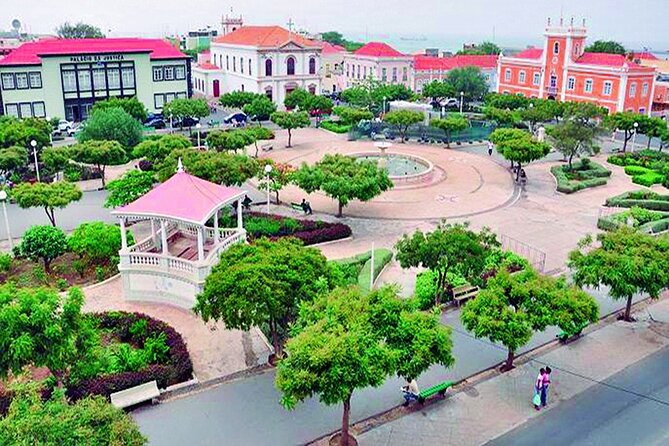
Your tour begins at Praca Alexandre Albuquerque, the central square of Praia. This isn’t a long detour; it’s a classic “get your bearings” stop, because the square sits among some of the most important buildings in the city.
In a few minutes, you’re set up to understand how the city is laid out. That matters later when you’re moving between commercial areas and religious landmarks, because you’ll start linking what you see with where it fits in Praia’s urban center.
This stop is also a good reminder that you don’t need to rush to feel you’ve started sightseeing. A short square visit can give you the mental map that lets the rest of the tour feel easier.
Mercado Municipal di Praia: colors, conversations, and how the day works locally
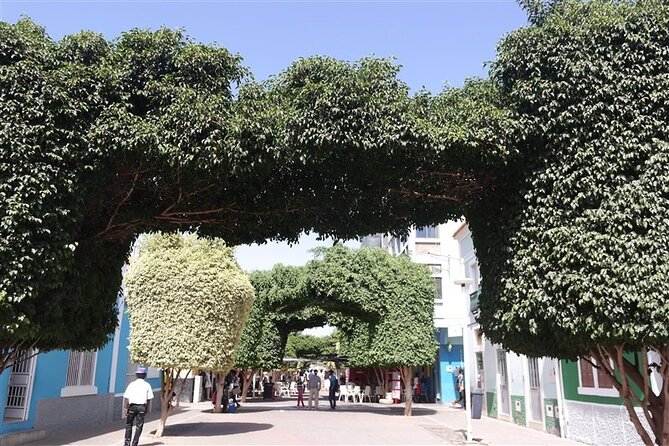
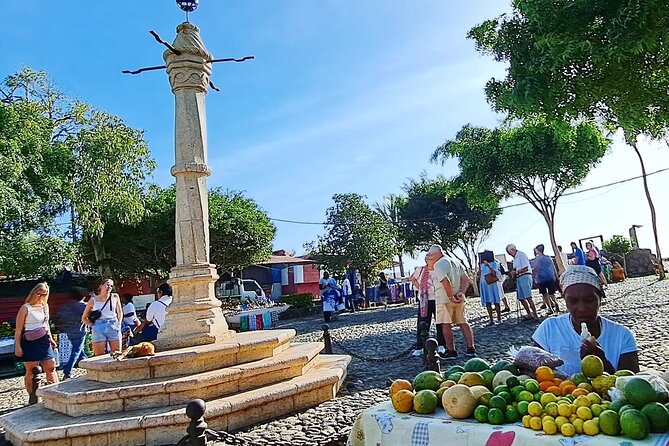
Next comes Mercado Municipal di Praia, widely described as the most colorful market in Cape Verde. Markets can be hit-or-miss on tours, but this one is useful because it shows everyday exchange—people selling, bargaining, and moving through routines that never look staged.
You’ll have about 30 minutes here, which is enough time to do three things without feeling rushed: look around, ask your guide what’s typical, and pick out a couple of stalls you actually care about. Since the ticket is free, you can spend your money instead on snacks or small purchases if you want.
One practical tip: bring cash if you plan to buy anything. The tour data confirms entry is free, but it doesn’t say cards are accepted in every stall. Markets are still markets.
Igreja Nossa Senhora da Graça: colonial architecture you can still read today
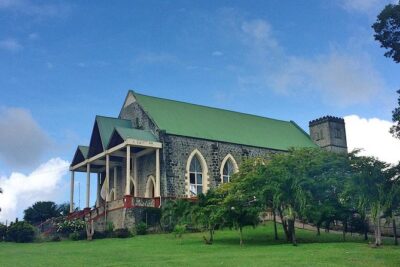
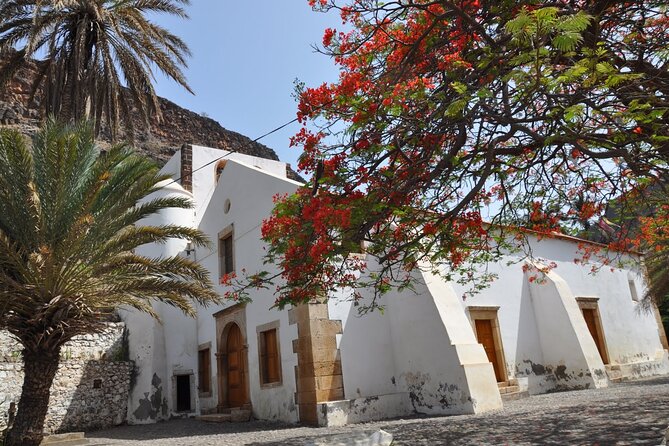
After the noise of the market, the tour slows down at Igreja Nossa Senhora da Graça, described as the biggest colonial church built in the 19th century by Portuguese colonial power. The key detail here is not just size—it’s that the church keeps colonial architecture features and still functions as the city’s main church.
You get about 20 minutes. That’s long enough for a guided explanation, and short enough that you won’t get bored or feel stuck waiting. Church visits on a tight schedule work best when your guide helps you notice what to look for—how the building reflects colonial influence and how that legacy continues to shape Praia’s identity.
If you enjoy architecture, this is a solid stop because it anchors the tour with something you can see clearly and then connect to the broader historical themes later in Cidade Velha.
Mercado de Sucupira: the most African market feel on the island
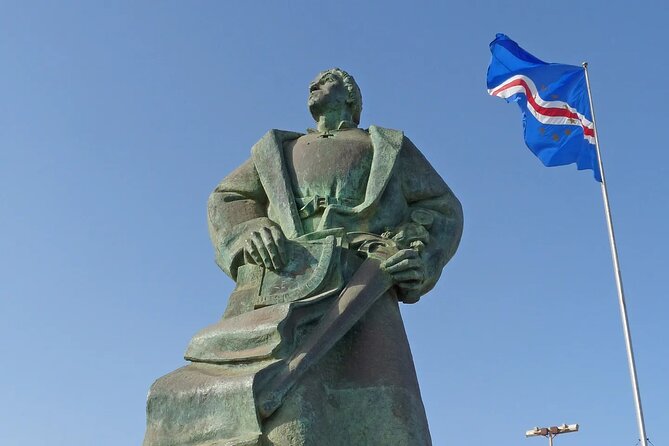
Then you’ll head to Mercado de Sucupira, described as the biggest market on the island and the most African market in Cape Verde. That wording matters because it signals the market’s cultural tone, not just its size.
You get another 30 minutes here. Think of it as your second “local life” moment, but with a different atmosphere. If the Municipal market helps you grasp Praia’s central trade flow, Sucupira helps you understand the island’s stronger African cultural imprint through food, products, and how the market works as a social space.
If you’re someone who likes photos, markets are great. But keep it respectful. Aim to photograph scenes and general activity more than close-up faces unless you have a clear cue that it’s welcome.
Cidade Velha (World Heritage): where the Atlantic story begins
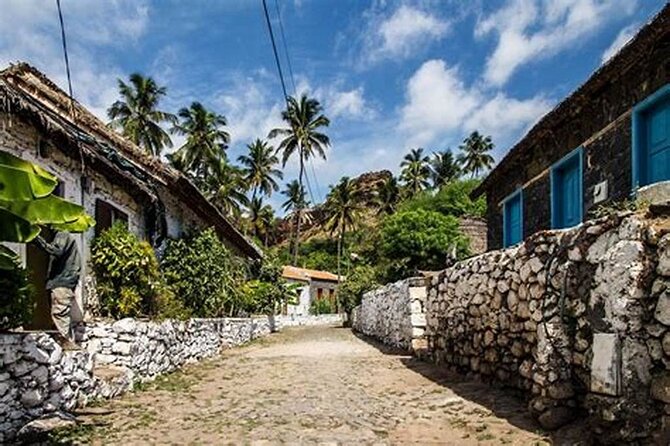
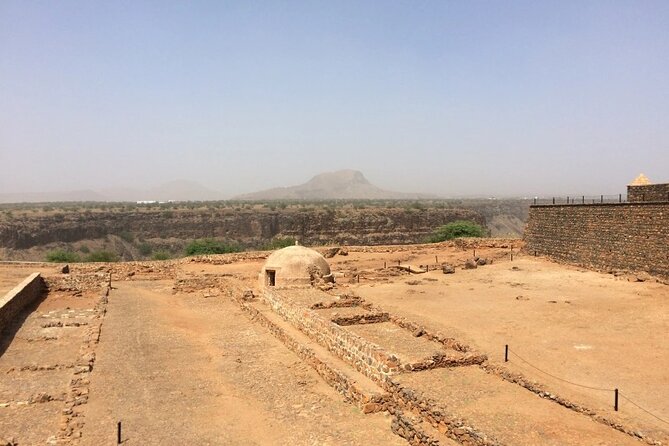
The tour’s longest stop is Cidade Velha, with about 2 hours on the ground. This is the World Heritage site that gives the tour its true “why am I here?” meaning.
Cidade Velha is described as the first European settlement outside Europe in the tropics. Your guide also frames it as a place to understand the origin of the Capeverdean people and the beginning of the slave trade in the Atlantic.
That’s heavy material, and the value of a guided visit is that it helps you connect what you’re seeing with what those spaces represent. A World Heritage site can be impressive just visually, but the deeper payoff comes when someone helps you interpret what the walls and layout mean within Cape Verde’s history.
Two practical considerations for this stop:
- It’s long enough to walk and ask questions, but it’s still only 2 hours, so don’t expect an all-day museum-level experience.
- It’s easier to enjoy if you’re mentally prepared for history with real weight. If you want a lighter tour that avoids serious topics, this may feel more intense than you planned.
Group size, timing, and why 3–4 hours feels just right

This is a 3 to 4 hour tour, ending back at the meeting point. That timing is ideal for travelers who want a strong overview without burning an entire day.
Also, the tour caps at 6 travelers, which usually means fewer delays and more flexibility when someone has a question. In real life, that small group size often makes the difference between a tour that feels like a checklist and one that feels like a guided walk.
You’ll likely spend:
- Short orientation and viewpoints in central Praia
- Two market windows where you can look, ask, and move on
- A church stop that breaks up the day
- A longer historic block in Cidade Velha
If you’re balancing this with beach time or other island plans, the duration fits well.
Price and value: why $58.81 can be a good deal here
The price is $58.81 per person, with an average booking window of about 29 days in advance. On the surface, that’s not “cheap,” but the value comes from what’s included in the experience.
The big value lever is that major stops are free (no admission fees listed for the city square, both markets, the church, and the Cidade Velha segment). So you’re mainly paying for transportation (including pickup) and interpretation—basically, you’re buying time savings and context.
A short, guided day can also be more efficient than trying to stitch together multiple destinations on your own, especially when you want historical framing. If you’re the type who hates guessing where to go first, this kind of guided structure pays off fast.
Pickup, mobile ticket, and how to make the day smooth
The tour includes pickup offered and uses a mobile ticket. That usually means fewer headaches the day-of: you don’t need to print anything, and you’re less likely to miss your start time.
Your meeting point starts in Praia, Cabo Verde and ends back at the same meeting point. I like tours with a clean end like this, because you can plan dinner without wondering how you’ll get back.
Confirmation is received at booking, which helps if you’re coordinating with other days or tours.
The guide experience: what to look for and how to get better answers
Good guiding is the secret sauce in history-heavy stops. The reviews and details you have point to clear-English ability and thoughtful pacing from guides such as Edson, Orlando, José, and Antonio.
Here’s how you can get more out of the guide during a tight schedule:
- Ask one question at each stop that connects that place to the bigger theme (modern life vs Atlantic-era origins).
- If you see something that looks like it has a story (a building detail, a market tradition), ask what to notice.
- If your group has mixed interests, pay attention to how the guide adapts—small groups make it easier for that to happen.
If you’re booking because you want clarity, you’re in the right place. Several guide names are called out specifically for being professional, organized, and good at explaining.
Practical tips for markets and a historic site
Because the itinerary includes two markets and a longer historic walk, plan your body and your patience accordingly.
Wear comfortable shoes and breathable clothes, and consider bringing:
- Water (especially if the day is warm)
- A light layer if weather shifts
- Cash for small purchases in markets (the tour confirms free entry, not payment methods)
Also, note the experience requires good weather. If you book during a period when conditions can change quickly, keep your day flexible.
For Cidade Velha, the walk can be more meaningful than strenuous, but bring the same basic comfort items as you would for an outdoor stroll.
Who this tour is best for
This tour is a strong fit if you:
- Want a first impression of Praia plus a major historic counterweight in Cidade Velha
- Like guided context, especially for Atlantic-era history
- Enjoy markets and want to see two different market styles in one half-day
- Prefer small-group touring (max 6), where questions actually get answered
It’s less ideal if you want:
- A long, unhurried day in Cidade Velha without a strict schedule
- A purely beach-and-cafe itinerary (this is city + history + markets)
Should you book this tour?
Yes, if you want an efficient, meaningful way to understand Santiago’s capital. The combination of Praia’s central sights, two market stops, and World Heritage Cidade Velha gives you both the present-day rhythms and the historical roots in one guided package.
I’d especially book it if you like structure. With a 3–4 hour flow, free entry at key stops, pickup in Praia, and a small group size, it’s built for travelers who don’t want to guess—and who want real context rather than just photos.
If you’re traveling in uncertain weather, book with flexibility in mind. And if you’re the type who wants to linger, consider adding extra time on your own day after the tour.
FAQ
How long is the Praia with Cidade Velha guided city tour?
The tour lasts about 3 to 4 hours.
What does the tour cost?
It costs $58.81 per person.
Is pickup included?
Pickup is offered, and the tour starts in Praia, Cabo Verde.
How many stops are included in the itinerary?
The tour includes Praça Alexandre Albuquerque, Mercado Municipal di Praia, Igreja Nossa Senhora da Graça, Mercado de Sucupira, and Cidade Velha.
Is admission free for the stops?
The tour information shows admission tickets are free for each stop listed.
What is the group size limit?
The tour has a maximum of 6 travelers.
Is a mobile ticket used?
Yes, this experience uses a mobile ticket.
Do I need to worry about weather?
Yes. The experience requires good weather, and if it’s canceled due to poor weather, you’ll be offered a different date or a full refund.
Can I cancel for a full refund?
You can cancel up to 24 hours in advance for a full refund. If you cancel less than 24 hours before the start time, the amount paid is not refunded.
What if the tour doesn’t meet the minimum number of travelers?
If it’s canceled because the minimum isn’t met, you’ll be offered a different date/experience or a full refund.
What language will the guide use?
The provided details don’t guarantee languages for every date, but English-speaking guides have been used for tour days in the past.