REVIEW · PUDUCHERRY
Heritage Bike tour of Pondicherry
Book on GetYourGuide →Operated by Pondicherry Beachescapes · Bookable on GetYourGuide
Pondicherry hits different at street level. This 2-hour Heritage Bike tour threads together French and Tamil quarters with an ashram-area story trail, using a local storyteller to connect the dots between architecture, daily life, and the town’s French India past. I especially like that it feels practical—you’re moving at a human pace on real streets, with planned photo stops and context that stays short and useful.
My other favorite part is the way it ties the French-era streetscapes to spiritual landmarks, including the Sri Aurobindo ashram area, instead of treating them like random stops. One thing to consider: this is a cycling tour with bikes provided, so you’ll want to be comfortable riding in town streets for the full 2 hours.
In This Review
- Key Highlights You’ll Actually Feel
- Getting Started at Pondicherry Beachescapes
- Heritage Boulevard on Two Wheels: French and Tamil Quarters
- What you’ll notice in the French quarter
- What you’ll notice in the Tamil quarter
- Ashram-Area Stops: Connecting History to Everyday Life
- Sri Aurobindo Ashram Area: What to Look For
- Practical tip for this stop
- The Beach Stretches: Ending on a Different Note
- Price and Value: Why $14 Feels Fair
- Timing: The Sweet Spot for Easier Riding
- Who This Tour Is Best For (and Who Should Skip)
- Should You Book the Heritage Bike Tour of Pondicherry?
- FAQ
- How long is the Heritage Bike tour of Pondicherry?
- How much does it cost?
- Where does the tour start and finish?
- What’s included in the price?
- What languages are the tour guide available in?
- Is there free cancellation, and how does payment work?
Key Highlights You’ll Actually Feel
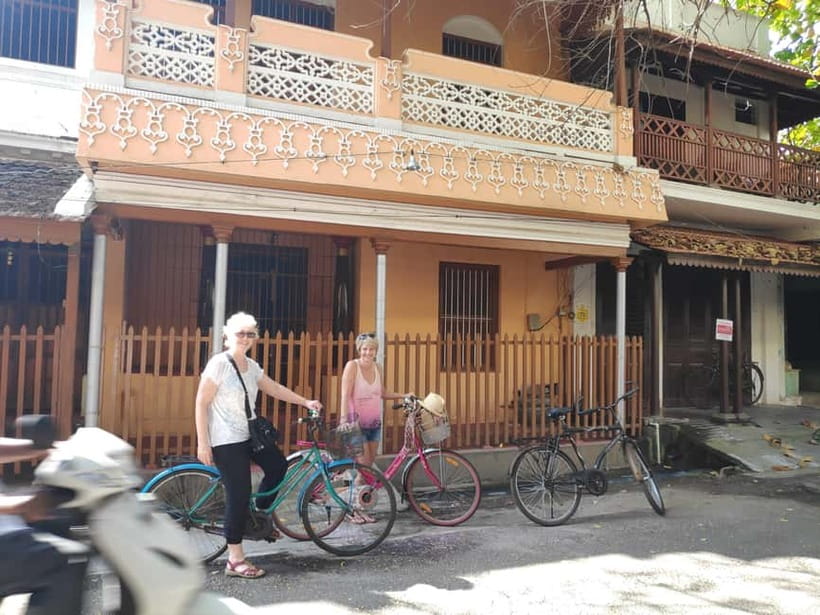
- Small group (max 5): less waiting, more chances to ask questions and get route help
- French quarter streetscapes on a bike: you cover more ground than foot tours, with built-in photo stops
- Ashram-area storytelling: history and culture are explained as you pass key precincts
- Sri Aurobindo ashram stop(s): a focused look at what’s there and why it matters
- Included hot beverage: a warm reset partway through the ride
Getting Started at Pondicherry Beachescapes
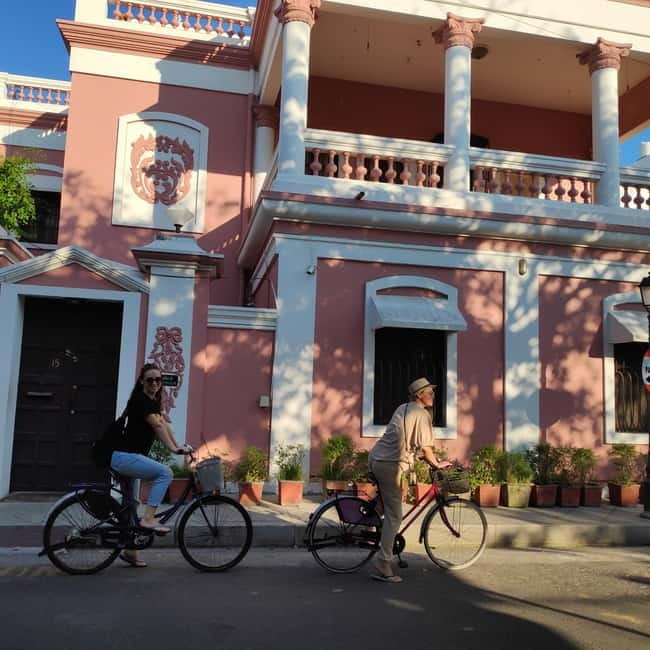
The tour starts at Pondicherry Beachescapes, so plan to arrive a few minutes early, check in, and get matched with a cycle. You’re not left figuring things out alone—there’s a guide and a straightforward plan for the ride.
The group stays small (limited to 5 participants). That matters more than it sounds. In a tiny group, you can ask quick questions mid-ride without the whole flow getting derailed, and the guide can keep an eye on the pace. If you prefer a relaxed rhythm over a sprinting “see everything” itinerary, this format is a win.
Also, bikes are provided, which removes a lot of friction. You won’t be worrying about what kind of bike you’ll rent or whether it’ll feel right once you’re on the road. You’ll ride for about 2 hours total, so the experience is built for momentum rather than long, slow wandering.
Finally, you get one hot beverage per person. In Pondicherry, that usually means a warm cup like filter kappi—and yes, it’s the kind of break that makes the ride feel like a story you’re reading in real time, not just a checklist of sights.
Heritage Boulevard on Two Wheels: French and Tamil Quarters

Once you’re rolling, the tour becomes a guided “story trail” through Pondicherry’s heritage precincts. The focus is the heritage boulevard zone plus the nearby Tamil & French quarters—the places where the town’s layers show up clearly in street layout, building styles, and the daily rhythm of locals.
Here’s what I like about doing this by bike: you can see the transitions. French-era architecture doesn’t just pop up as a single landmark—it changes street by street. Cycling helps you register those shifts as you move, instead of only noticing them when you stop and look for a few minutes.
The guide’s narration is built for clarity, with concise context and tour coverage. That’s important because Pondicherry’s story has many threads: colonial history, local culture, migration, and religion all interacting over time. A good guide won’t drown you in dates; they’ll give you the usable framework so you can recognize what you’re seeing.
You’ll also get interesting photo stops. These aren’t just “pose here” moments. They’re timed so you can capture streetscapes and corners that match what the guide is describing. If you like photos, this keeps your pictures tied to meaning instead of random snapshots.
What you’ll notice in the French quarter
Expect to spend time in areas known for architectural buildings and streetscapes connected to Pondicherry’s French India era. The bike pace is perfect here: slow enough to clock details, fast enough to keep the ride flowing. You’ll get a sense of how streets feel different when architecture and planning reflect foreign influence.
What you’ll notice in the Tamil quarter
The tour also loops into the Tamil culture side of town, which helps balance the colonial visuals. Instead of treating Pondicherry as just a “French postcard,” you’ll see how local culture anchors the town day to day—how people live in these spaces, not just how buildings look from the sidewalk.
Ashram-Area Stops: Connecting History to Everyday Life
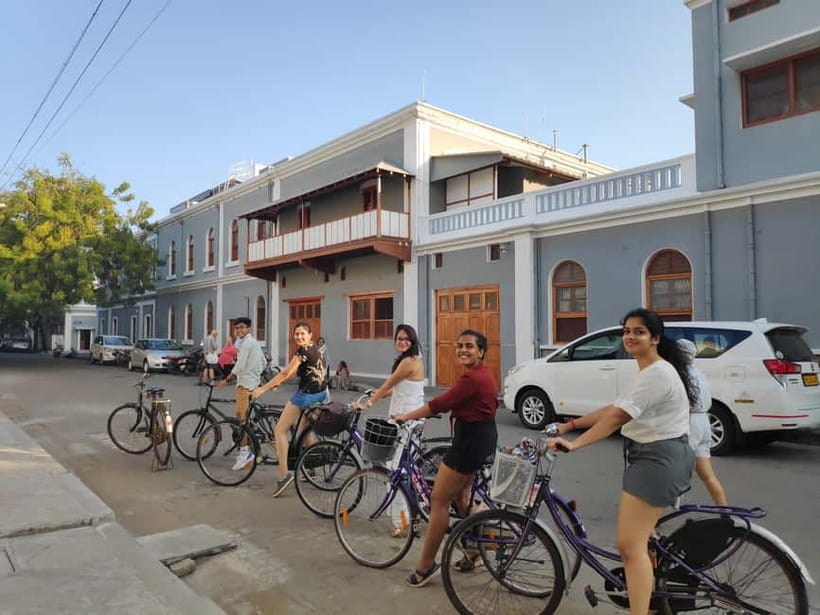
As the tour moves along, you’ll shift into the ashram precinct feel—less about street-photo angles and more about atmosphere. The guide brings in a local storyteller angle, so the narrative connects the history you’re hearing to the spiritual and cultural reality you’re walking into.
This part of the ride is valuable because it changes your understanding of the town. French and Tamil quarters are easier to interpret if you already know a bit of context. The ashram area acts like a lens. It reframes the story so you understand why Pondicherry isn’t only about architecture—it’s also about beliefs, community, and ideas that pulled people to the region.
The tour description also hints at special access and facilitation to places where you will be the connection. In plain terms: you may be guided through certain areas more smoothly than if you were arriving solo. Since specific spot names aren’t provided here, treat that as a general advantage rather than a guaranteed “exclusive entry.” Still, facilitation is often the difference between seeing a place and just passing it.
Sri Aurobindo Ashram Area: What to Look For
A highlight is the time spent exploring the Sri Aurobindo ashram and its establishments. This is one of the stops where the tour’s “story trail” approach pays off. If you walk through this area without context, you might only notice the look and the calm. With the guide’s explanation, you’ll understand more about what you’re seeing and why people connect to it.
Because the tour blends historical and cultural storytelling with real-site time, you’ll likely leave with a better sense of how the ashram fits into Pondicherry’s modern identity. It’s not presented like a quick photo-op either. Instead, it’s positioned as a key chapter in the city’s story, alongside the French and Tamil quarters.
Practical tip for this stop
Even if you don’t plan to buy or join anything, arrive mentally ready to slow down. As you get closer to ashram establishments, your pace naturally changes. That’s a good thing. It makes the experience feel respectful and less like you’re rushing through important spaces.
The Beach Stretches: Ending on a Different Note
The ride doesn’t stop at monuments and quarters. The route includes time for beach stretches linked to a bygone era of Pondicherry, spanning from the French India period until now.
This is a smart ending rhythm. After you’ve watched architecture and listened to history, you get a physical reset by moving toward the coastline. Even short stretches by the water can help your brain “place” the city. Pondicherry’s geography matters—people built, traded, and lived with the sea right there.
If you’re the type who gets photo-happy, the beach stretch is a chance to get a different kind of picture: less building lines, more light, open space, and horizon shots. It also gives you a natural breather before you return.
Price and Value: Why $14 Feels Fair

At $14 per person for a 2-hour guided bike tour, the value comes from more than the ticket price.
Here’s what you’re paying for in practical terms:
- A local storyteller guide (English and Hindi) who connects streets to context
- Cycles provided so you aren’t renting or hunting for a bike
- Small group size (up to 5), which usually means a smoother ride and better Q&A
- One hot beverage included, giving you a built-in comfort stop
Compared with lots of city tours that only work if you’re already interested in history, this one tries to make the story feel relevant as you ride. It’s short enough to fit into a busy schedule, yet structured enough that you don’t come away with just a list of places.
Also, a few guides have stood out for safety, pacing, and question-friendly explanations. One example from the guide roster that people highlighted is Lawrence and Shiram, plus Venkat in at least one session. Even if you don’t get the same guide every time, the pattern is clear: you’re meant to feel guided, not pushed through.
Timing: The Sweet Spot for Easier Riding
The tour duration is 2 hours, and starting times are shown by availability. If your schedule allows it, look for an early start. One rider called out a 7 am start as a smart time because roads can be calmer, meaning it’s easier and less stressful to ride.
Even if you don’t pick the earliest option, keep this in mind: cycling in town gets easier when traffic is lighter. If you’re sensitive to noise, fumes, or stop-and-go riding, aim earlier in the day.
Who This Tour Is Best For (and Who Should Skip)
This tour is a great fit if you:
- want more than a walking tour but don’t want a full-day commitment
- enjoy history that’s told while you see the streets it connects to
- like a balance of French-era architecture and local Tamil culture
- want a guided look at the Sri Aurobindo ashram area without guessing your way around
You might want to choose something else if you:
- don’t feel comfortable riding a bike in city conditions for the full 2 hours
- prefer deep museum-style learning where everything is indoors and quiet
- are expecting a strict, named landmark-by-landmark route with exact timings for each building (this tour focuses more on streetscapes and story flow than a rigid checklist)
Should You Book the Heritage Bike Tour of Pondicherry?
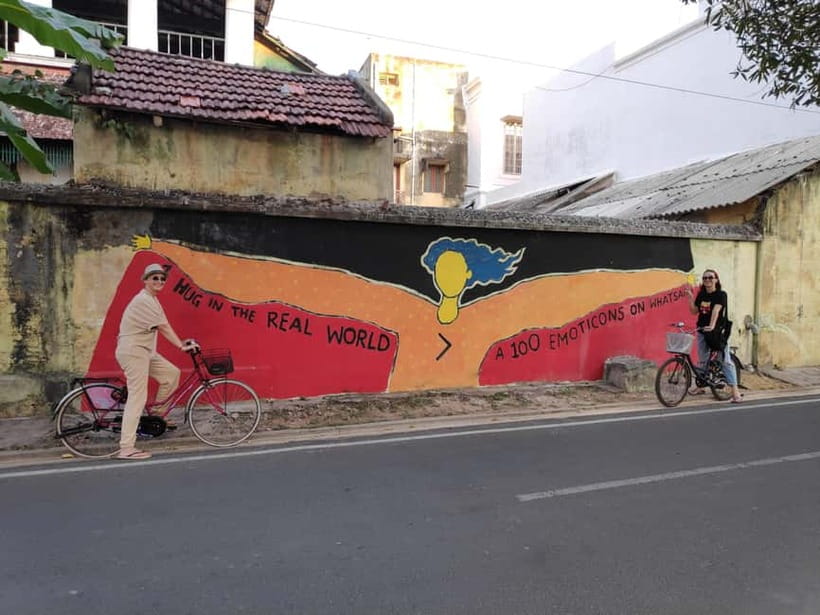
Yes—if you want the “Pondy feeling” fast. This is the kind of tour that helps you make sense of the city rather than just tick off sights. The small group size, the inclusion of bikes, and the hot beverage make it easy to say yes even if you’re only staying a short time.
Book it especially if you’re the type who likes your photos with context. The guide-led photo stops, the French and Tamil quarter mix, and the ashram-to-beach rhythm help you leave with a clearer mental map of how Pondicherry fits together.
FAQ
How long is the Heritage Bike tour of Pondicherry?
The tour lasts 2 hours.
How much does it cost?
It costs $14 per person.
Where does the tour start and finish?
It starts and returns to Pondicherry Beachescapes (the office).
What’s included in the price?
Included are the storyteller for the tour, cycles for the tour, and one hot beverage for each person.
What languages are the tour guide available in?
The guide speaks English and Hindi.
Is there free cancellation, and how does payment work?
Free cancellation is available up to 24 hours in advance for a full refund. You can also reserve now and pay later to keep plans flexible.