REVIEW · HIROSHIMA
Hiroshima: Peace Walking Tour of World Heritage Sites
Book on GetYourGuide →Operated by MagicalTrip · Bookable on GetYourGuide
Hiroshima hits hard, but this tour gives it shape. You’ll walk key World Heritage stops with an English-speaking local guide, starting at a temple blessing and moving through the museum, memorial park, and the Atomic Bomb Dome.
Two things I really like: first, the way guides connect objects and buildings to real Hiroshima life—like how guides such as Etsko and Yasue explained what recovery looked like after the bombing. Second, the tour doesn’t stop at heavy history; it adds hope through the Orizuru (paper crane) ritual and a view from Orizuru Tower, plus an included lunch.
One possible drawback: this is a serious topic, and the museum can feel overwhelming. If you’re traveling with someone who wants light, casual sightseeing only, this day may feel emotionally intense—and meals can be tricky for certain diets (vegetarian options are limited, and it’s not suitable for gluten intolerance).
In This Review
- Key highlights that make this Hiroshima day work
- Why this Hiroshima Peace walking route feels different
- Getting oriented: Montbell meeting point and a calm start at Shirakami-sha Shrine
- Peace Memorial Museum: where context matters more than speed
- Hiroshima Peace Memorial Park: learning the story while you walk it
- Atomic Bomb Dome with UNESCO weight: seeing the building as a message
- Orizuru Tower: paper crane wishes, the Aorigi Tree, and a breather view
- Lunch at Akushu Cafe: the included okonomiyaki taste test
- Price and value: what you’re really paying for at $92
- Group size and guide style: why it feels personal even on a walking day
- Who should book this Hiroshima Peace tour
- Should you book this Hiroshima Peace Walking Tour of World Heritage Sites?
- FAQ
- How long is the Hiroshima Peace Walking Tour?
- Where do I meet the guide?
- What’s included in the price?
- Is the tour in English?
- What about vegetarian meals or allergies?
- Can I cancel for a full refund?
Key highlights that make this Hiroshima day work
- Local-guided stories that connect the Peace Memorial to daily Hiroshima life
- Guided entry at the Peace Memorial Museum, not just a quick walk-through
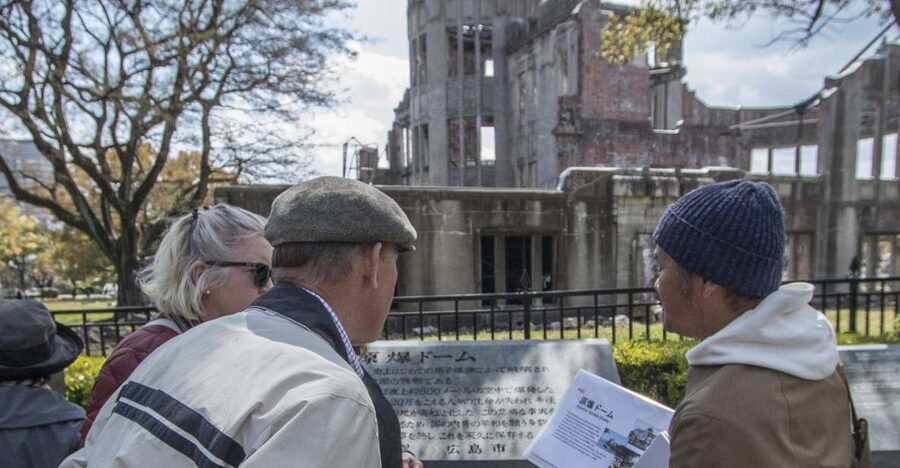
- Atomic Bomb Dome visited with context for what you’re seeing and why it matters
- Orizuru Tower peace ritual with paper crane making and a citywide view
- Aorigi Tree stop tied to hope after the atomic bomb
- Included lunch at the end of the day, often Hiroshima-style okonomiyaki
Why this Hiroshima Peace walking route feels different
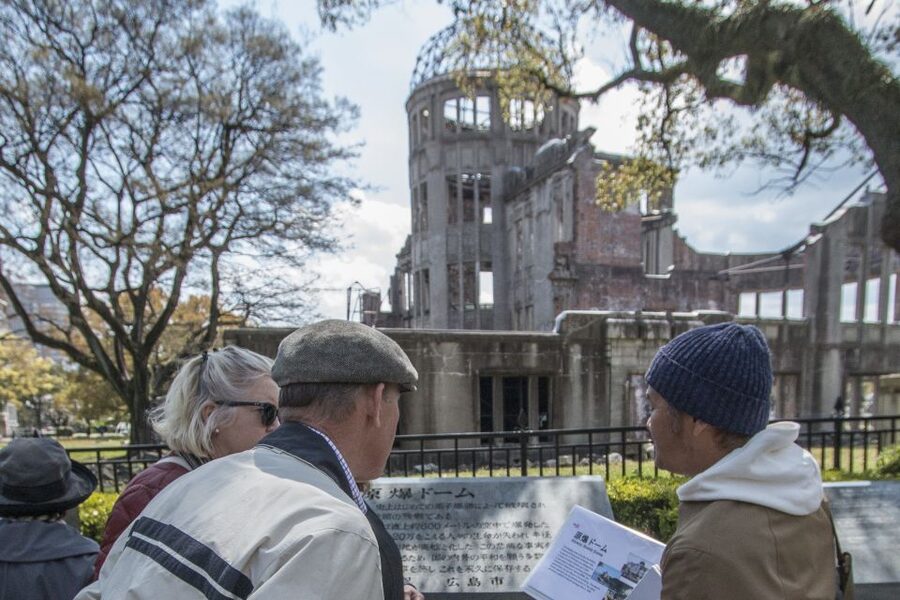
This tour is built around one idea: you can’t fully understand Hiroshima if you only see the monuments. The morning focuses on facts and aftermath—museum, memorial park, then the UNESCO Atomic Bomb Dome—so you know what happened before you see how the city responded.
Then it shifts gears toward what Hiroshima does with that history. The paper crane activity, the observatory break, and the Aorigi Tree stop turn the day from shock into something you can carry home: a sense of resilience, and a peace message you can repeat.
You’re also not doing this on your own in a crowded area. With a live guide, you get pacing, explanations, and little moments that help you absorb more than you’d likely get from wandering.
You can also read our reviews of more tours and experiences in Hiroshima.
Getting oriented: Montbell meeting point and a calm start at Shirakami-sha Shrine
The day starts in a very practical way: meet in front of the mont-bell store near Kamiya-cho-nishi Station, just a one-minute walk from the station. Your guide holds an orange sign with the local partner’s name, so it’s pretty easy to spot the right group and get moving.
From there, you go to Shirakami-sha Shrine for about 25 minutes. This is a smart opening stop because it slows you down. Before the day turns into memorial sites, you get a traditional, quieter setting—plus a sense of how spiritual and cultural rhythms still exist alongside modern history.
A short shrine stop also helps with timing. It gives your legs a warm-up and gives your brain a transition: from transit mode to “pay attention” mode.
Peace Memorial Museum: where context matters more than speed
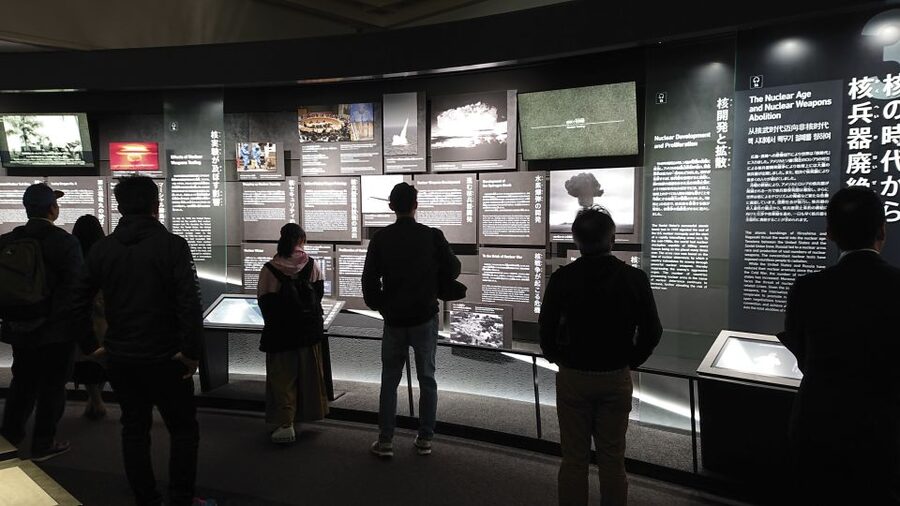
The tour’s first big set-piece is the Hiroshima Peace Memorial Museum, with guided entry for about an hour. The museum doesn’t feel like a history class—it’s emotional, heavy, and detailed. That’s exactly why the guide matters.
The value here is in how guides frame what you’re looking at: artifacts, photos, and stories that connect to Hiroshima’s people. In the feedback, guides like Kaz, Yasue, and Yuji were praised for making the information clear without turning it into a lecture. One traveler noted they could take breaks when the topic became too much, which is a huge quality-of-life detail in a museum like this.
One practical thing: the museum can be crowded. Even with a guide, you may not have an empty viewing space. If you hate rushing, go in with a mindset of absorbing what you can rather than trying to read every label. Use the guide’s pacing and stop where something pulls you in.
Hiroshima Peace Memorial Park: learning the story while you walk it
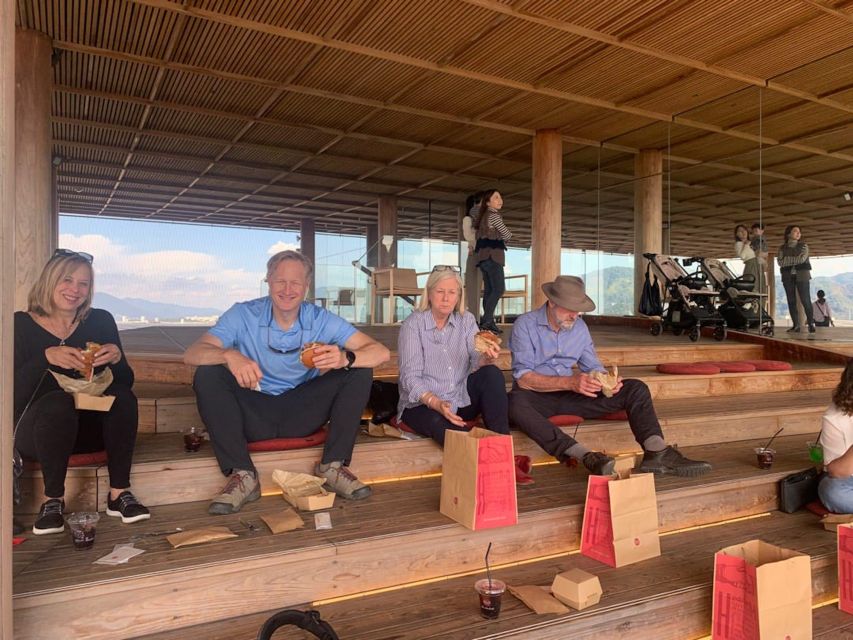
After the museum, you shift into Hiroshima Peace Memorial Park for another guided hour. This part works because it turns learning into movement. You’re not stuck under lights staring at displays; you’re stepping through a space designed to hold memory.
Guides tend to point out how the park’s layout and monuments connect to what you learned inside the museum. That connection helps you understand why the city preserves this area the way it does—what it asks you to remember, and what it tries to prevent from repeating.
This stop is also where many people start feeling the day’s theme: Hiroshima isn’t only about the bombing. It’s about rebuilding, and about choosing what comes next.
Atomic Bomb Dome with UNESCO weight: seeing the building as a message
Next comes the Atomic Bomb Dome, the UNESCO World Heritage site visited with a guide for about an hour. This is one of those places where photos can be misleading. From far away, it looks like a landmark. Up close, it reads as evidence.
With a guide, you’re more likely to understand the building as a “before-and-after” marker—why it’s preserved, and what its continuing existence represents. The dome stop is a strong finish to the heavy-history section of the route, because you’re seeing the real-world anchor for the museum’s lessons.
Also, you’ll likely slow down here. Most people don’t need a script to understand why they should be respectful. What you benefit from is context: where this fits in the story, and what the city wants visitors to take away.
Orizuru Tower: paper crane wishes, the Aorigi Tree, and a breather view
After the memorial sites, the tour moves to something lighter in tone, but not in meaning.
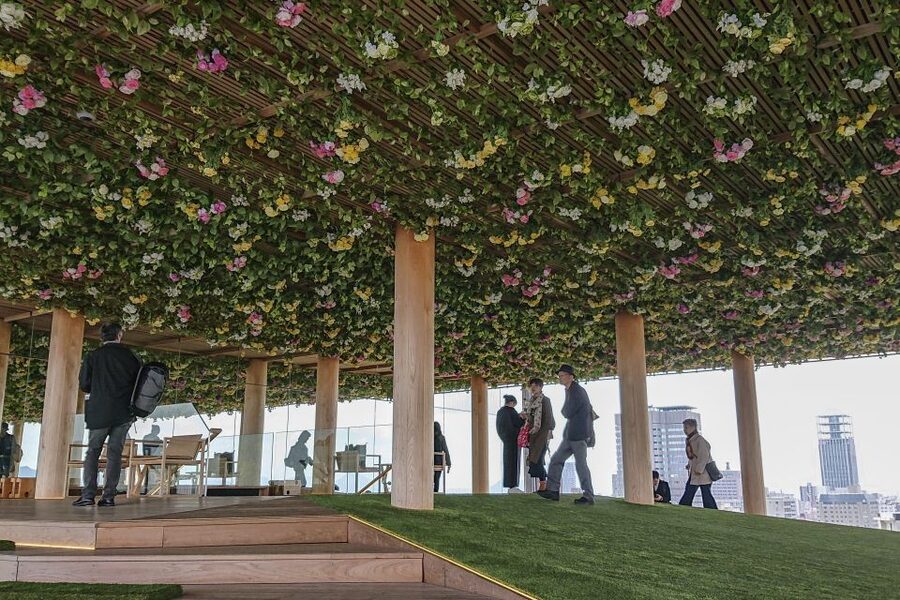
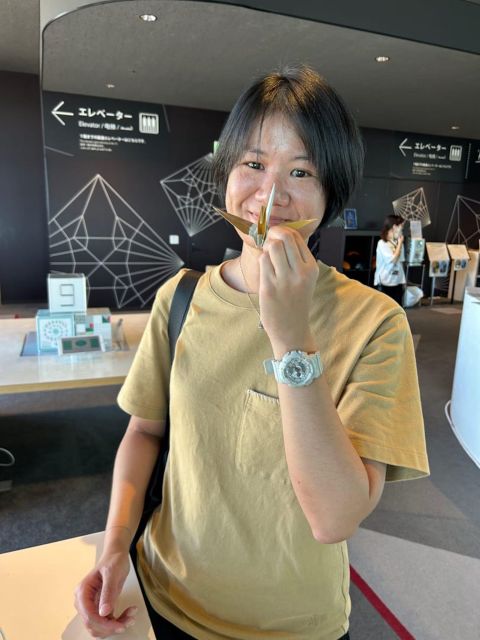
First up is Hiroshima Orizuru Tower. You’ll go up to the observatory area and feel the change: a wide view of Hiroshima plus a break in the emotional intensity. You’ll also do the Orizuru paper crane activity, where you learn how to make a crane and make a wish for peace.
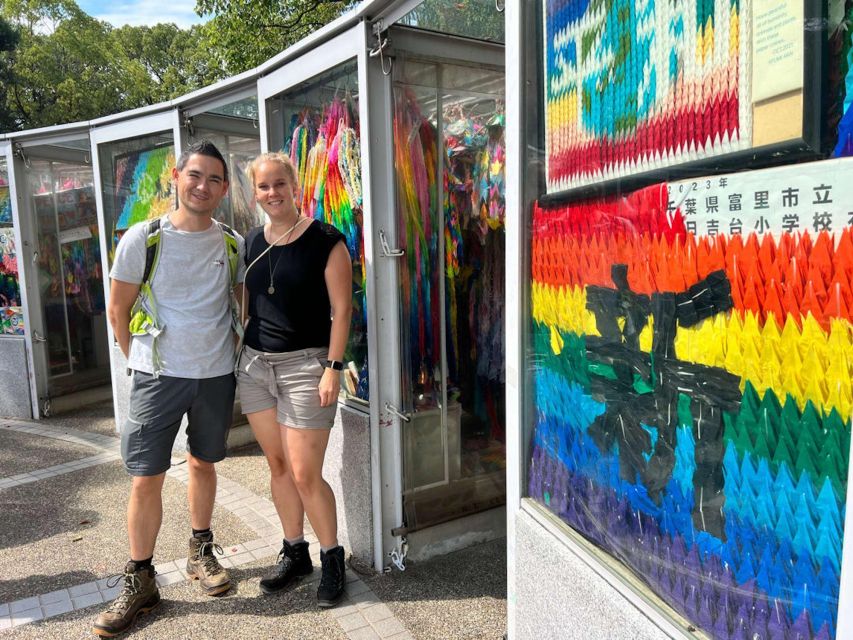
This ritual is more than a craft. It’s designed to give you something to do with your feelings. In feedback, people loved moments like watching their cranes spiral down into the tower’s glass area where many cranes gather, and also the personal touch of getting names written in Japanese on the craft. Those small details make the activity feel connected to the site instead of tacked on.
Lunch is included here too, with time set aside (about 1.5 hours) to eat and reset your energy.
Between Orizuru Tower and the dome-to-lunch rhythm, the route also includes the Aorigi Tree, a stop tied to hope after the atomic bomb. You’re not just hearing about survival in abstract terms—you’re shown symbolic places where that recovery message is physically present.
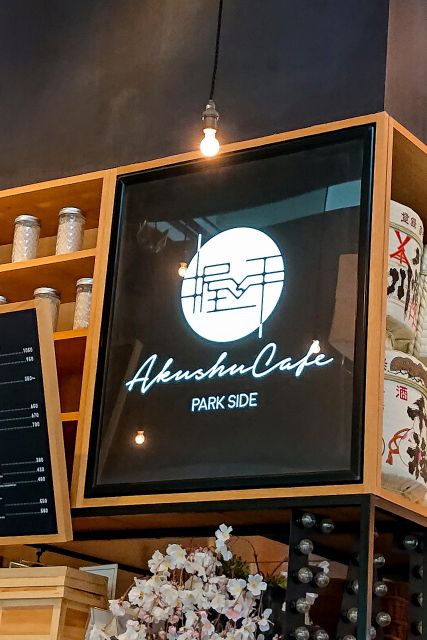
The final destination at the end is Akushu Cafe inside Hiroshima Orizuru Tower, which is included in the tour flow. It’s a nice way to close the day with a meal and a bit of room to process what you just saw.
Lunch at Akushu Cafe: the included okonomiyaki taste test
Lunch is part of the price, and it’s usually Hiroshima-style okonomiyaki pancake. One traveler specifically praised the food for being included and delicious, and multiple comments flagged lunch as a good ending to an emotionally heavy morning.
That said, meal planning has limits:
- Vegetarian options are limited because many Japanese restaurants aren’t set up for fully vegetarian menus.
- If you have dietary requests or allergies, you need to tell the provider at least one day before the tour.
- Gluten intolerance is a hard no; the tour is not suitable for people with gluten intolerance.
So here’s the practical way to think about it: this tour is great when your diet needs are simple and flexible. If you have strict allergy needs, treat this as a “ask first” situation and plan backup options when you’re not sure.
Price and value: what you’re really paying for at $92
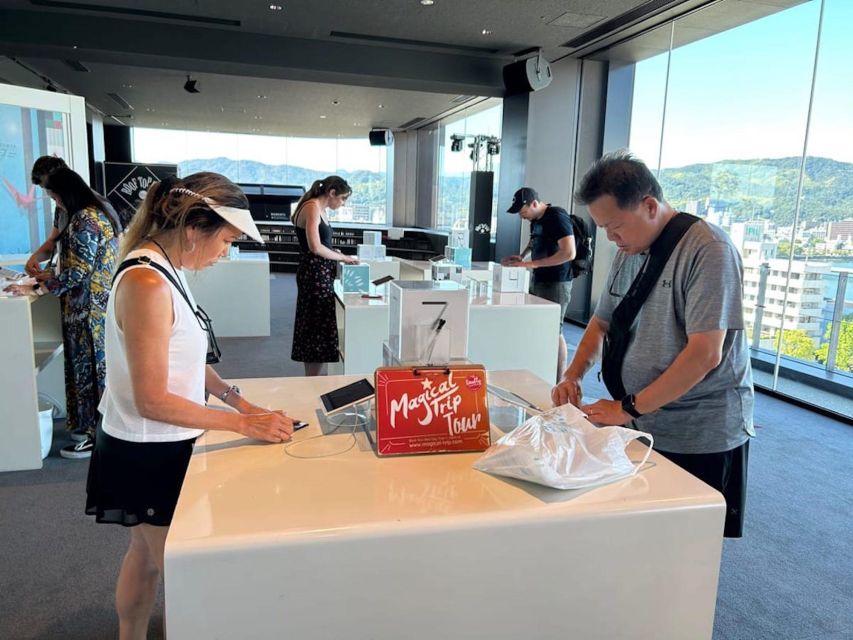
At $92 per person and about 270 minutes (4.5 hours), you’re not just paying for entry tickets. You’re paying for a local guide, timed access, and a structured route that strings together the museum, park, UNESCO dome, and Orizuru Tower with an actual peace-themed through-line.
Included items are meaningful value:
- Entry to the Peace Memorial Museum
- Entry to Orizuru Tower
- Lunch
- A 5-hour local-guided route
- Tour photos
On a budget day, it’s easy to underestimate how much time you lose figuring out routes and explanations on your own in this part of Hiroshima. Here, the guide handles the “what matters” layer, and that’s where most of the money goes.
Also, feedback consistently notes that guides don’t just rattle facts. People praised guides like Etsko, Angela, Tommy, and Yuki for connecting the day to real Hiroshima perspectives and answering questions patiently—even when the museum content got emotional. That human factor is hard to price, but it’s a big part of why this tour feels worth it.
Group size and guide style: why it feels personal even on a walking day
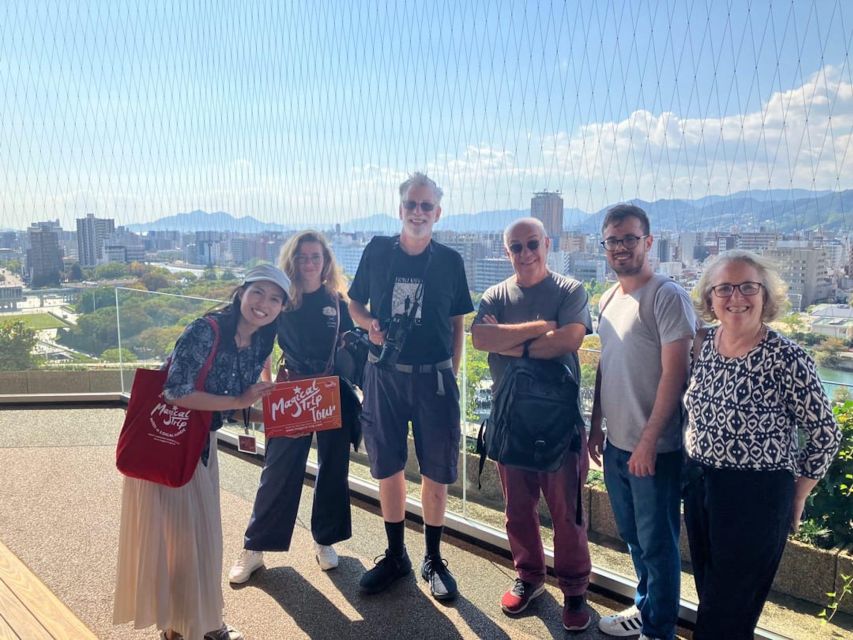
This is described as private or small groups available, and in the feedback, group size is sometimes noted as around six. That size matters. A small group helps you ask questions, and it helps the guide pace the museum experience without losing people.
Guide styles also vary, but the shared strength is communication. Several names show up in praise—Etsko, Kaz, Yasue, Angela, Tommy, Yuji, Aki, Naoya, Kippei, Yuki, Fumiko, and others—each mentioned for clarity, professionalism, and care when people became emotional.
One detail I’d take seriously: some guides were praised for allowing space to slow down in the museum, not forcing a sprint. If you want a paced, respectful visit, this tour setup is a good match.
Who should book this Hiroshima Peace tour
This is a strong fit if you:
- Want the Peace Memorial Museum and Atomic Bomb Dome explained in a way that connects history to Hiroshima’s recovery
- Prefer a structured walk over solo wandering in a heavy area
- Like meaningful activities, not just sightseeing (the paper crane and wish are built in)
- Want lunch handled for you at the end of the tour
This is a weaker fit if:
- You need a fully gluten-free meal plan (the tour is not suitable)
- You want a light, casual day with minimal emotional weight
- You have dietary requirements that need guaranteed allergy-free meals (the tour can’t guarantee allergy-free food)
Should you book this Hiroshima Peace Walking Tour of World Heritage Sites?
If you’re spending limited time in Hiroshima and you want to leave with understanding—not just photos—this tour is an easy yes. It’s priced fairly for a day that includes guided museum access, a UNESCO site visit, Orizuru Tower entry, lunch, and photos, all tied together by a peace-focused storyline.
The one real caution is emotional intensity. The museum can be overwhelming, so go in ready to pause when you need to. If that sounds manageable, you’ll likely come out with a clearer picture of what happened, how people endured it, and why Hiroshima keeps pushing for peace.
FAQ
How long is the Hiroshima Peace Walking Tour?
The tour duration is 270 minutes (about 4.5 hours).
Where do I meet the guide?
Meet in front of the mont-bell store near Kamiya-cho-nishi Station, a one-minute walk from the station. Look for the guide holding an orange sign.
What’s included in the price?
Included are entry to the Peace Memorial Museum and Orizuru Tower, lunch, a guided tour of the main sites for about 5 hours, and tour photos.
Is the tour in English?
Yes, the live tour guide provides the tour in English.
What about vegetarian meals or allergies?
Vegetarian options are limited. You should inform the provider at least one day before the tour about dietary requests or allergies. The tour cannot guarantee allergy-free meals.
Can I cancel for a full refund?
Yes. There is free cancellation up to 24 hours in advance for a full refund.