REVIEW · JAIPUR
Heritage Walk & Street Food Tasting in Jaipur
Book on GetYourGuide →Operated by Rajasthan Cultural Tours · Bookable on GetYourGuide
Jaipur’s streets have a mouthful of stories. This heritage walk + street food tasting turns the Pink City into a living map, with local bites like samosa and kachori plus hands-on cultural stops. I especially like how guides such as Vivek keep the route practical and interesting, even when the lanes get crowded. One thing to plan for: this is a walking tour, so it can feel like a workout in hot or windy weather.
I also love the cultural side that comes with the food, not after it. You’ll pass old squares, look closely at the city’s architecture and entry gates, and even watch craft work like sealing-wax bangle making. A possible drawback is simple: it’s not set up for wheelchair users, and comfortable shoes are non-negotiable.
In This Review
- Key things you’ll notice on this Jaipur walk
- Why a Jaipur street-food heritage walk makes more sense than eating on your own
- Before you go: shoes, spice expectations, and temple manners
- Golcha Cinema: the meeting point that keeps the start easy
- Chaura Rasta: chai and your first wave of street flavors
- Badi Chaupar: tea, local snacks, and the old-square perspective
- Tripolia Bazar: more than shopping streets
- Choti Chaupar and Chhoti Chopad: the final tastings and where you’ll exit
- The cultural moments that make this tour feel like Jaipur, not just food
- Street food tasting: how to handle the pace, the sugar, and the choices
- Value check: is $21 per person good in Jaipur?
- Who this Jaipur Heritage Walk and Street Food Tasting is best for
- Should you book this Jaipur tour?
- FAQ
- FAQ
- Where is the meeting point?
- How long is the tour?
- How much does it cost?
- What food is included?
- Is the tour guided, and in which language?
- Is this a small group tour?
- What’s included in the price besides food?
- What’s not included?
- Can I take photos?
- Is the tour suitable for wheelchair users?
- What should I bring?
Key things you’ll notice on this Jaipur walk
- Street snacks you can name and spot: samosa, kachori, popular sweets, and masala chai, served at local shops.
- A guide who connects food to place: you’re not just eating; you’re learning why dishes and lanes matter.
- Old-town walking that avoids the main crush: you’ll move off the big streets into tighter gullies.
- Craft and community moments: metal beaters (Thatheras), a Hindu temple visit, and a community well.
- Small group pace: limited to 10 participants, so it’s easier to ask questions and move together.
- Stops that end where you can keep exploring: it finishes at Chhoti Chopad, handy for continuing your day.
Why a Jaipur street-food heritage walk makes more sense than eating on your own
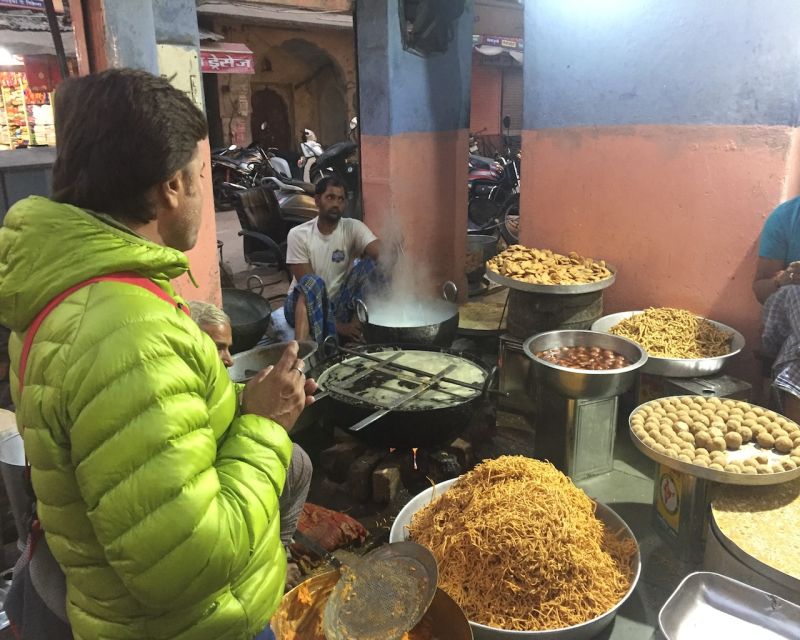
Jaipur street food is fun, but it can also feel like a maze when you don’t know where to go. This tour helps you do the key thing right away: follow someone who understands which places feel local and how to order safely and confidently.
I like that the experience is built around both food and the surrounding culture. You’ll taste dishes and sweets, yes, but you’ll also see the city as it functions day-to-day: markets, religious spaces, craft areas, and courtyards that most first-timers never reach.
It’s also a good fit for anyone who wants an “old Jaipur” vibe without spending the whole day at big-ticket monuments. You get street-level context that makes later sightseeing click, especially if you’re heading toward places like City Palace or Jantar Mantar after.
You can also read our reviews of more tours and experiences in Jaipur.



Before you go: shoes, spice expectations, and temple manners
Wear comfortable walking shoes. This is a 3-hour walk with a lot of street turning, uneven sidewalks, and occasional steps around shops and temple areas.
Bring sunscreen and a hat if the weather is strong, plus a water bottle. Bottled water is included, but you’ll still want your own for longer days or if the heat ramps up.
For temple visits, dress modestly, and keep photography respectful. Photos are allowed, but avoid flash inside temples. If you’re unsure about what to wear, aim for something that covers shoulders and knees.
Food-wise, the tour includes multiple local snacks across several stops. If you’re picky or have a sensitive stomach, you’ll have options; the guides are used to helping guests choose what suits them. Still, you’re eating street food in Rajasthan, so it’s wise to keep your expectations flexible.
Golcha Cinema: the meeting point that keeps the start easy
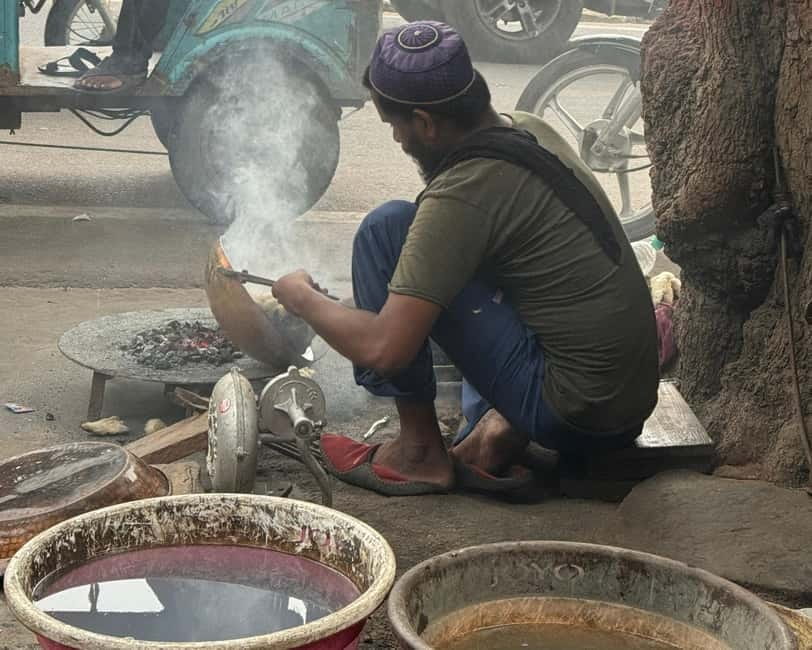
The tour meets you at the entry gate of Golcha Cinema. That’s a useful detail because Jaipur’s old-town streets can be tricky to navigate if you’re relying only on memory.
From there, you’ll head into the older parts of town with a plan that mixes guided explanation with actual tasting time. You don’t need hotel pickup, so build a little time into your schedule to arrive a few minutes early and settle in.
A small group matters here. With a cap of 10 participants, you won’t feel like you’re getting swept along in a crowd, and it’s easier for the guide to spot questions about food choices or the route.
Chaura Rasta: chai and your first wave of street flavors
Chaura Rasta is where the tour gets you into “Jaipur mode.” Expect guided walking plus tea and street food at local stalls for your first real taste of the day.
This is a smart early stop because it sets your palate and your comfort level. You’re not thrown into random sampling; you’re guided through what to try and when, and masala chai is a classic entry point for most visitors.
You’ll also start picking up how the markets work. Even before you reach the deeper lanes, you get a sense of how people shop, eat, and move through the old bazaar network.
Badi Chaupar: tea, local snacks, and the old-square perspective
Next comes Badi Chaupar, another key old-town area with a sense of orientation. You’ll get more tea and local snacks while walking, plus scenic views along the way.
What I like about this section is the pace. You’re not just eating; you’re getting small bursts of context about surrounding architecture and why certain areas matter in the city layout.
It also helps you understand Jaipur’s geometry. The tour references the city’s precise planning and how entry gates connect different parts of town, which makes the rest of the walk easier to follow.






Tripolia Bazar: more than shopping streets
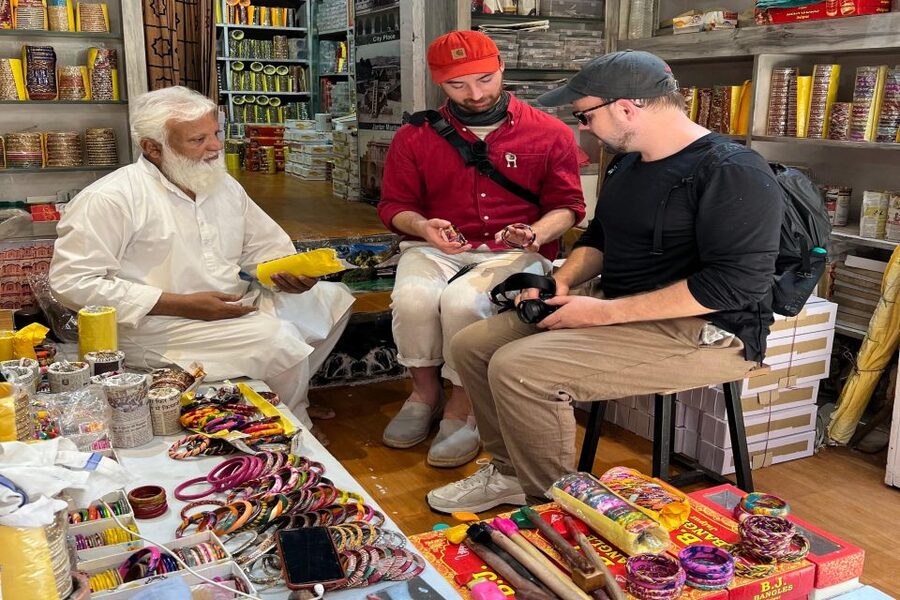
Tripolia Bazar is where the walk shifts from “market browsing” to “street observation.” You’ll pass through guided sections and keep moving through lanes that feel more everyday and less staged.
This is a good point in the tour to slow your brain down. Watch the work happening around you, notice the signage and shop rhythms, and listen for the guide’s explanations tying the food experience to the neighborhood life around it.
If you’re someone who likes to take photos, this stretch is a natural moment to pause for quick shots. Just remember that the later temple component has stricter flash rules.
Choti Chaupar and Chhoti Chopad: the final tastings and where you’ll exit
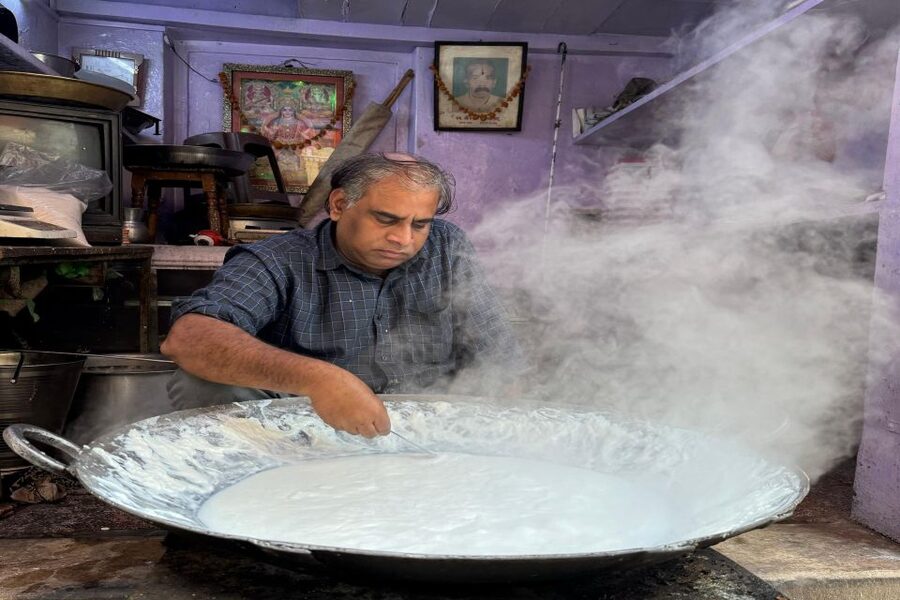
Choti Chaupar is where the street food tasting keeps building. Expect another round of snacks and guided walking in the older lanes, with plenty of time spent at local shops.
As you approach the finish at Chhoti Chopad, you’ll likely feel the payoff of all that walking. You’ll have sampled a spread that includes savory bites like samosa and kachori, plus famous sweets, and masala chai between stops.
This ending location is convenient because you’re not stranded in the middle of nowhere. You finish in a central enough area to keep exploring on your own afterward, without needing a complicated return plan.
The cultural moments that make this tour feel like Jaipur, not just food
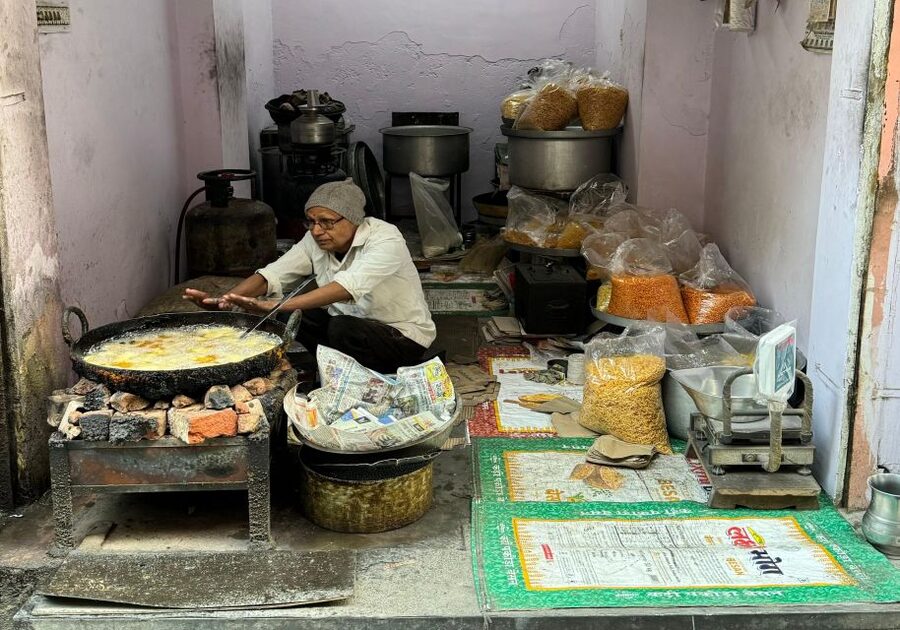
The food is the hook, but the best part is what the guide points out while you’re moving. You’ll leave the main lanes and go into the gullies of Jaipur’s famous quadrants, which is where the city starts to feel real.
Some of the specific culture stops you can expect:
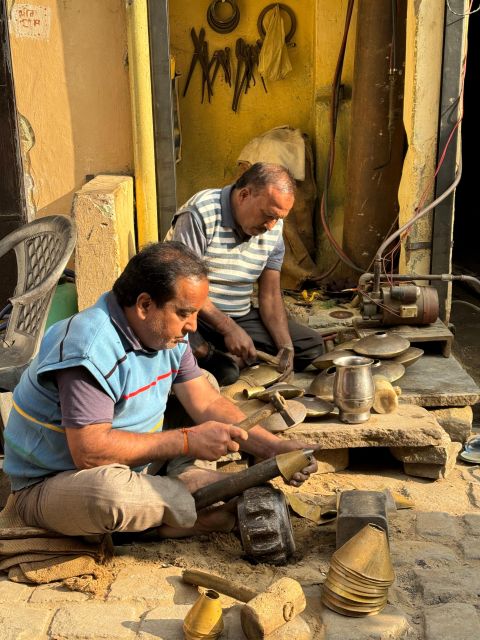
- A street connected to the Thatheras, a community of metal beaters. You’ll see craft work connected to a larger tradition of making metal objects.
- A Hindu temple visit, with guidance on local customs and how to behave respectfully.
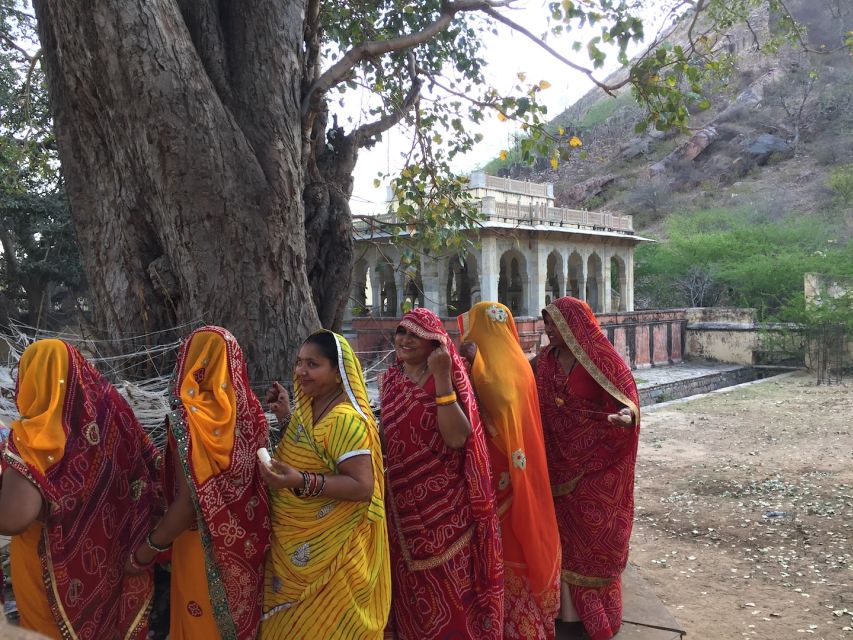
- A look at a community well, showing how daily life has been supported through generations.
- An observation of bangle making through sealing wax, a small craft detail that explains how materials and techniques connect to Jaipur’s identity.
Even if you only half-remember the explanations, the physical experience lands. You’ll start recognizing patterns: where people gather, how lanes funnel movement, and why certain areas remain important.
Street food tasting: how to handle the pace, the sugar, and the choices
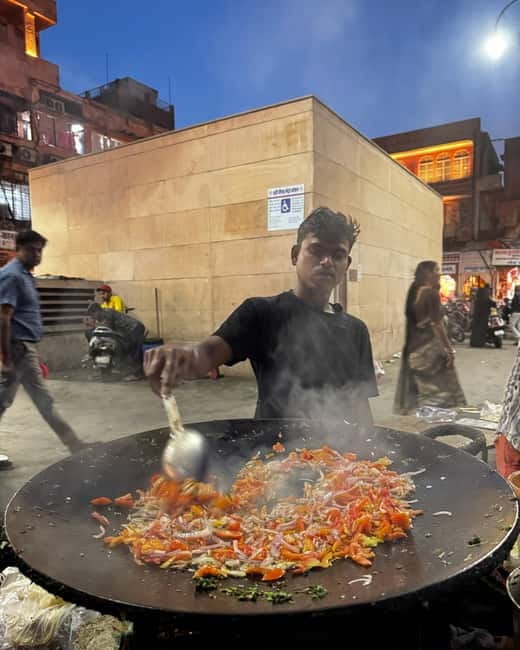
This tour is built around multiple tasting stops, and the food list is consistent: samosa, kachori, famous sweets, masala chai, and more from local shops. The goal is variety, but the guide also helps you make choices based on what you’re comfortable with.
One practical tip from real-world pacing: try to avoid saving all your sweetness preference for the end. Sweets can stack up quickly, especially if you like desserts. If you want a balanced experience, take the guide’s lead and alternate savory bites with chai.
Hygiene is always a question with street food. The strong advantage here is that you’re not wandering alone. You’re with a local who knows where to stop, what to order, and how to move on when it’s time for the next tasting.
If you’ve got a sensitive palate or low spice tolerance, you’ll still have options. Choose lighter items at each stop, and don’t force yourself to eat beyond what feels comfortable.
Value check: is $21 per person good in Jaipur?
$21 for a 3-hour guided walk with multiple street tastings, bottled water, and a small-group cap is solid value. In many places, a guided city walk with one snack can cost that much or more.
Here, you’re getting more than the food. You’re also paying for route knowledge, cultural context, and help navigating parts of the old city that most visitors would struggle to find safely or confidently on their own.
You should also compare this to what it costs to eat street food alone. Yes, you can buy snacks on your own, but you’d likely miss the craft and community stops, and you’d waste time guessing where to go next. This tour compresses all of that into a tight 3-hour block.
Who this Jaipur Heritage Walk and Street Food Tasting is best for
Book this if you want an old-city Jaipur experience with real context. It’s ideal for food lovers who also like history and crafts, and for first-timers who want help navigating the Pink City’s lanes.
It’s also a good choice if you’re traveling solo or as a couple. The small group size helps you feel less lost, and the guide’s job is to keep the group together and the experience flowing.
Skip it if you need wheelchair-friendly access. The tour involves a lot of walking, and it isn’t listed as suitable for wheelchairs.
Should you book this Jaipur tour?
Yes, I’d book it if your ideal day includes street food plus street-level culture, and you want to see parts of Jaipur beyond the main tourist corridors. The combination of chai and savory snacks with craft and community moments is the real selling point, and the small group pace makes it feel manageable.
If you hate walking or you’re very inflexible about where you’ll be taken, then you might feel more annoyed than satisfied. But if you’re the type who enjoys markets, temples, and craft details while eating your way through the city, this is one of the most direct ways to do it for the price.
FAQ
FAQ
Where is the meeting point?
You meet at the entry gate of Golcha Cinema.
How long is the tour?
The duration is 3 hours.
How much does it cost?
It costs $21 per person.
What food is included?
The tour includes street food such as samosa, kachori, famous sweets, masala chai, and more from local shops.
Is the tour guided, and in which language?
Yes. There is a live tour guide in English.
Is this a small group tour?
Yes. It’s limited to 10 participants.
What’s included in the price besides food?
Included items are street food, a bottle of water, an accompanying Cultural Walk Explorer, and the heritage walking tour.
What’s not included?
Hotel pickup and drop-off are not included, and alcoholic drinks are not included.
Can I take photos?
Photography is allowed, but avoid flash photography inside temples.
Is the tour suitable for wheelchair users?
No, it’s not suitable for wheelchair users.
What should I bring?
Bring a passport or ID card, comfortable shoes and clothes, and any personal medication. Also consider sunscreen and a hat, and carry a water bottle.