REVIEW · HONG KONG
Hong Kong Heritage – Past to Present
Book on GetYourGuide →Operated by Walk Hong Kong Ltd · Bookable on GetYourGuide
Hong Kong’s Central district moves like a living museum. You’ll love the architecture-focused route and the way the guide connects old rules and old buildings to today’s city shape. One thing to plan for: this is a walking-heavy experience, and it’s not recommended for limited mobility.
With a small group of 2–8 and a 3-hour pace, it’s also good value at $65 per person—especially if you like seeing the details up close instead of racing through photos. You’ll meet right at street level outside the General Post Office on Connaught Place, so you can start fast and keep your day flexible.
In This Review
- Key things to know before you go
- Walking Central’s Past-to-Present Story in 3 Hours
- Meeting at the General Post Office and Getting Your Bearings Fast
- Statue Square: Why Hong Kong’s Main Square Is So Small
- The Supreme Court: One of Hong Kong’s Last Colonial Buildings
- St John’s Anglican Cathedral and the Harbour View That Shaped Central
- Central Footbridges: The Secret Map of How People Cross the CBD
- Soho and Old Town Stories: How Hong Kong Got Its Voice
- Price and Value: Is $65 Worth It?
- Logistics That Actually Matter (and What to Bring)
- Should You Book Hong Kong Heritage – Past to Present?
- FAQ
- What is the meeting point for this tour?
- How long is the tour?
- Is hotel pick-up or drop-off included?
- What languages are the guides available in?
- Is the tour in a small group?
- What should I bring and wear?
- Is this tour suitable for people with mobility impairments?
Key things to know before you go
- Small group (2–8 people) means questions and custom pace are actually possible.
- Central’s historic landmarks sit next to modern towers, so you’ll constantly compare “then and now.”
- Statue Square teaches you why Hong Kong’s main square isn’t what you expect.
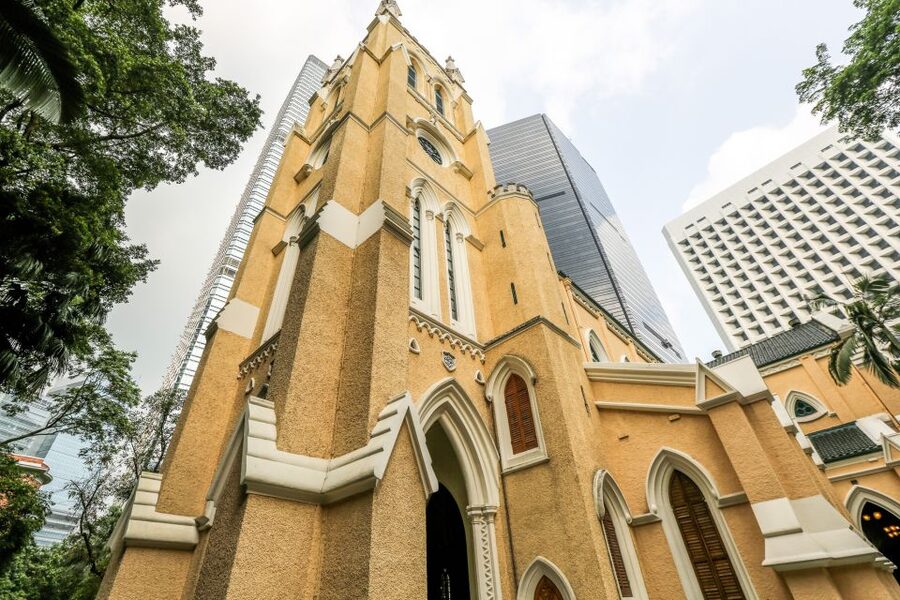
- Colonial leftovers include the Supreme Court and St John’s Anglican Cathedral.
- Footbridges of the business district show how people move in a vertical, weather-friendly city.
- Soho and old town stories explain how Hong Kong’s identity formed from the streets up.
Walking Central’s Past-to-Present Story in 3 Hours
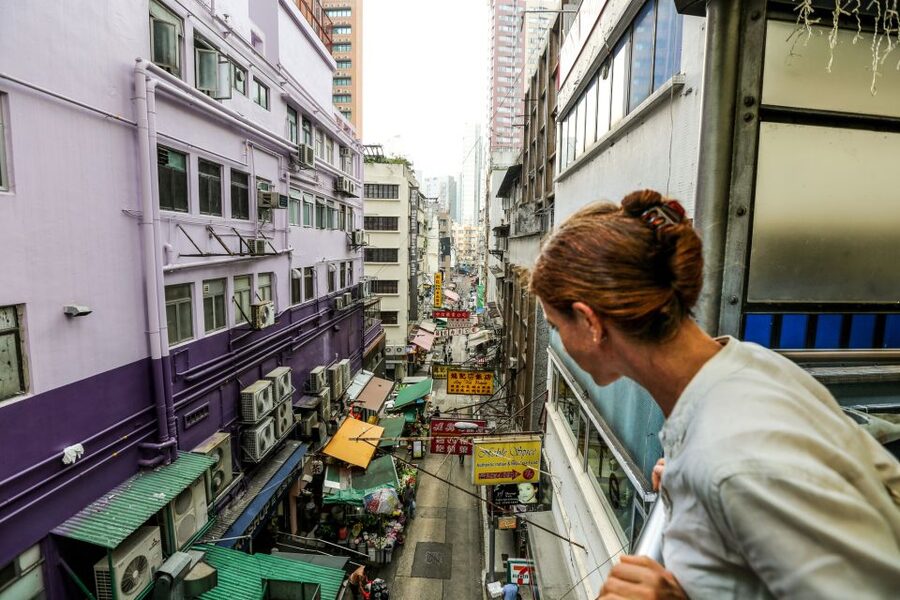
This tour is built for people who want more than surface facts. In Central, you’ll walk through one of the clearest examples of Hong Kong’s layered identity: British-era planning and western-style buildings, later growth into a metropolis, and the constant reshaping of the waterfront through reclamation and development.
The best part is the framing. You’re not just looking at buildings—you’re learning what changed, what stayed, and what the city’s planners and rulers seemed to value at the time. If you like “why this looks like that,” this format fits.
You also get a real guide—not a headset audio script. In past groups, guides such as Mel have been praised for setting a pace that suits the group and turning history into something you can picture. If you’re with Martin, expect a strong emphasis on how different ruling periods influenced what Hong Kong became.
Meeting at the General Post Office and Getting Your Bearings Fast
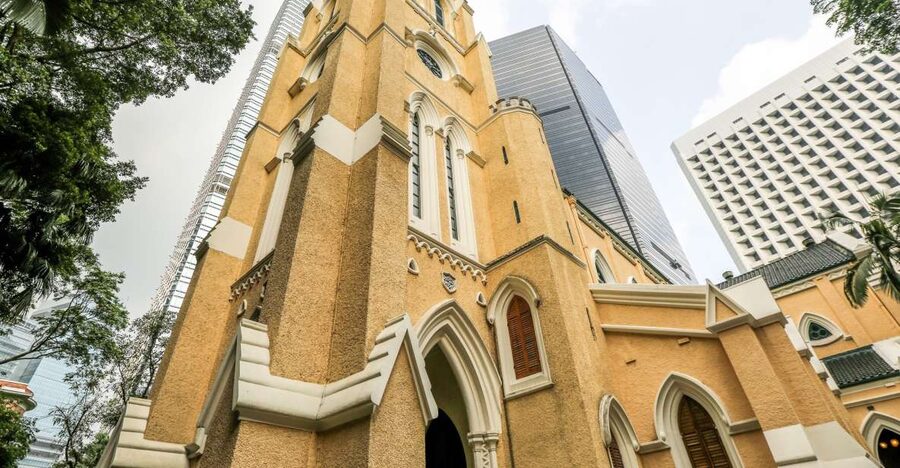
Your starting point is street level outside the General Post Office at 2 Connaught Pl, Central, next to the bus station. That location matters more than it sounds. You’ll begin in a part of Central designed for movement—pedestrians, transit, and civic life—so the first minutes already feel like “the city in action.”
From there, the tour naturally pulls you into the contrast Central is famous for: historic forms you can still see, surrounded by glass-and-steel skyscrapers. Since the area has developed since British rule began in 1841, you’ll spend the walk linking older building choices to the later mega-city reality.
Bring comfortable shoes. The tour is short, but it’s not sit-and-stare. Expect frequent walking between stops as the guide explains the connections between buildings, streets, and the bigger urban plan.
Statue Square: Why Hong Kong’s Main Square Is So Small
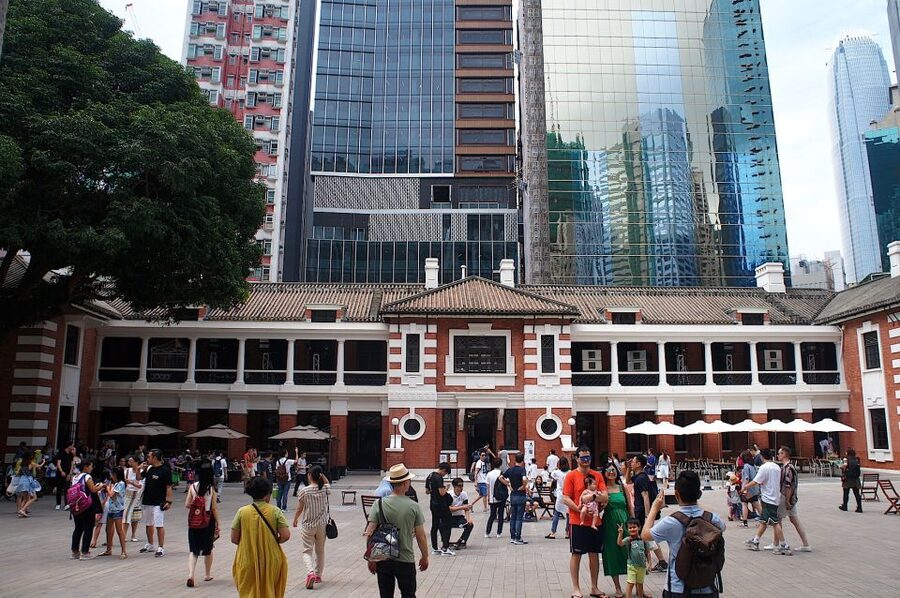
Statue Square is a quick stop, but it’s the kind of place that changes how you read a city. The tour doesn’t just point out what’s there. It focuses on why Hong Kong’s main square is small, and that question becomes a mini lesson in how space, governance, and design priorities shaped Central.
Why this matters for you: square size isn’t random. In dense cities, “public space” often has to negotiate with commercial needs, transportation flow, and the available footprint. Even without a long museum-style explanation, you can feel how Hong Kong’s layout pushes people to move rather than linger in big open lawns.
If you’re someone who likes to connect city planning to lived reality, this is one of the most satisfying moments. You’ll leave with an easier time spotting how modern street-level decisions are still guided by older constraints.
The Supreme Court: One of Hong Kong’s Last Colonial Buildings
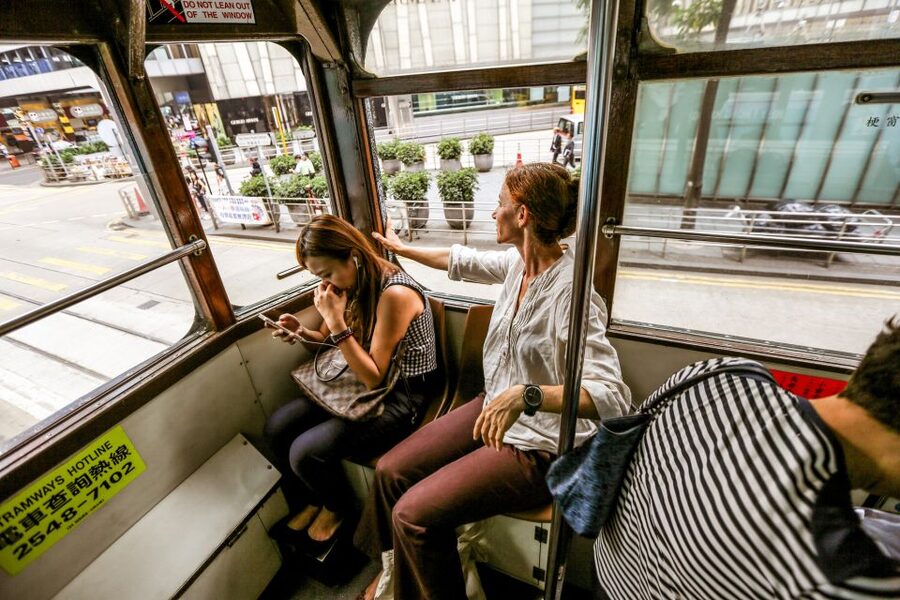
Next up is The Supreme Court, described as one of Hong Kong’s last remaining colonial buildings. You’ll be able to see how western legal architecture used permanence and ceremony to project authority, even as the surrounding city kept changing at speed.
What to watch for: treat the Supreme Court like a historical “anchor point.” The point of the stop isn’t to memorize facts; it’s to compare. Look at how the building’s style reads against the surrounding towers and think about what it signaled at the time—law, order, and administration in a fast-growing port city.
This stop also tends to trigger the best questions. In earlier groups, guides like Martin have been praised for explaining how Hong Kong changed under different ruling parties and how those shifts influenced what got built. Even if you’ve visited before, this framing often makes the same streets feel new.
St John’s Anglican Cathedral and the Harbour View That Shaped Central
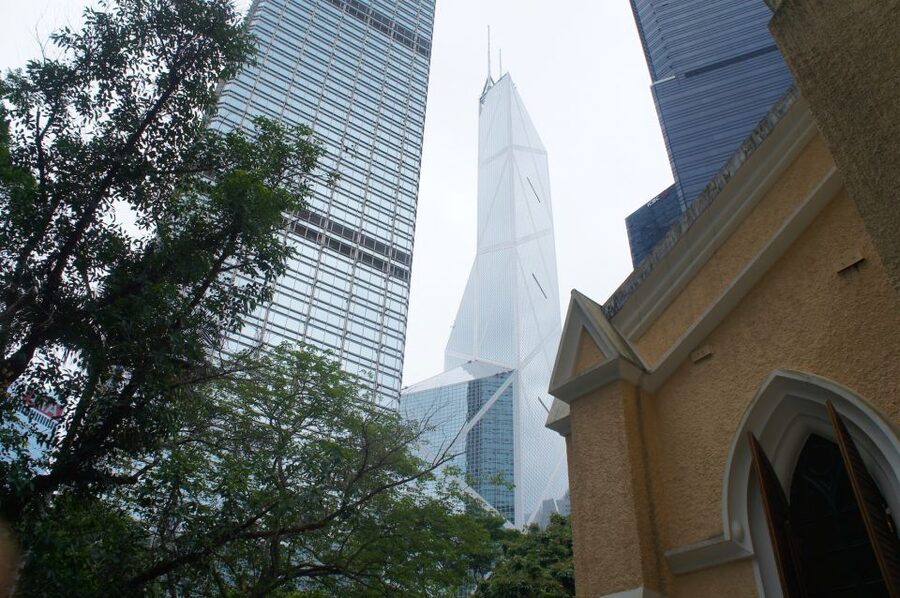
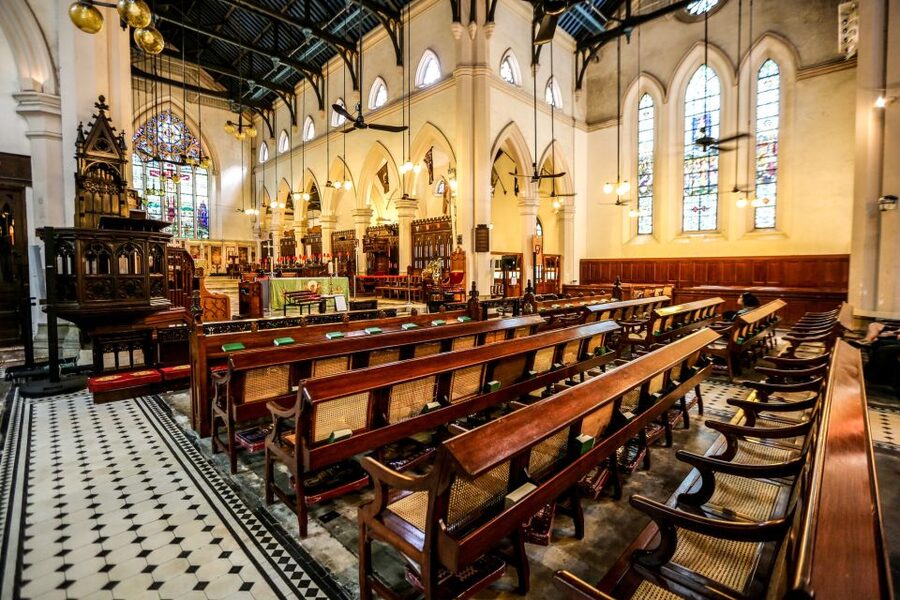
You’ll also encounter St John’s Anglican Cathedral, once visible from the harbour. That detail is key: it ties architecture to geography and to the way Central communicated power and presence from the water.
Here’s how to make this stop pay off: imagine the approach into Hong Kong by sea. A cathedral you could see from the harbour would function like a landmark for identity, not just religion. It says, in big visible form, that colonial-era institutions wanted to be read at a distance.
This is a great moment for photos too, but don’t chase perfect angles only. Watch how the guide connects sightlines, skyline planning, and the story of “arriving in Hong Kong.” If you like understanding cities as designed experiences, you’ll get more from this than a quick exterior glance.
Central Footbridges: The Secret Map of How People Cross the CBD
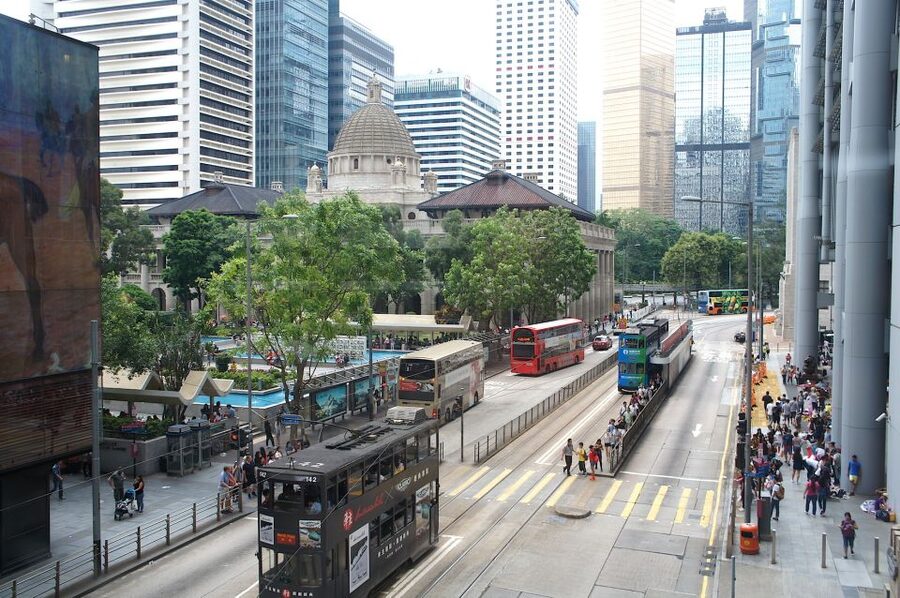
Hong Kong is famous for moving people upward and outward. In Central, that becomes physical through the network of foot bridges across the business district.
This stop is practical in the best way. You’ll learn how these bridges knit together areas that would otherwise be separated by roads, elevation changes, and dense street grids. In other words, you get a tour of the city’s walking logic—not just the view.
Why you’ll enjoy it: once you understand the footbridge web, you can start navigating Central like a local. Instead of fighting traffic-heavy crossings, you’ll spot routes that keep you moving and often help you avoid worst weather patches when they happen.
And because this tour is only 3 hours, the footbridges are a smart use of time. They let you cover ground quickly while still keeping the story connected to the streets you’re walking.
Soho and Old Town Stories: How Hong Kong Got Its Voice
The heart of the experience is the explanation of Hong Kong’s old town district and the making of Soho. This part is less about one single landmark and more about how neighborhoods develop character.
Soho, in particular, works well as a “story district.” The tour uses old-town context to explain why the area’s identity makes sense in the larger city picture. As you walk and hear the reasoning, you start to see how commercial life, migration patterns, and architectural choices shape street-by-street culture.
If you’ve ever wondered why Hong Kong feels both historically legible and always changing, this is where that question gets answered. You’ll connect the dots between the colonial-era Central growth and the later evolution into a metropolis with a distinct local vibe.
Price and Value: Is $65 Worth It?
At $65 per person for a 3-hour guided walking tour, you’re paying for three things you can’t easily recreate on your own: a tight route, an English-speaking guide (and German guide on request), and interpretive context that turns famous buildings into clear stories.
Here’s how I’d judge the value for you:
- If you like architecture and want explanations that help you look harder, this price is reasonable.
- If you hate walking and want big “sit-down” time, you’ll likely feel it’s too much for too little.
- If you’re visiting Central for only one day, the concentrated focus makes it a good “orientation plus depth” plan.
The small group size (limited to 8) matters for value too. When questions can actually get asked and the guide can adjust pace, the experience tends to stick with you longer than a standard large group tour.
Guides also appear to bring different strengths depending on who’s leading. In prior groups, Mel has been praised for pacing and turning history into culture you can understand fast. Alexandra has been noted for using photo and map materials that supported the group’s needs. That kind of added explanation is exactly what you’re paying for.
Logistics That Actually Matter (and What to Bring)
This tour keeps things simple, but there are a few reality checks before you go.
You should know:
- No hotel pick-up or drop-off is included, so plan to get yourself to the meeting point.
- Food and drink aren’t included, though you can purchase during the day.
- You should not bring luggage or large bags.
- Comfortable shoes are a must.
The tour is also not recommended for people with limited mobility. That’s not a small detail here. The route is designed for walking between Central sights, including areas with city-level movement and footbridge navigation.
If you’re traveling with a light day pack, you’ll probably be fine. If you’re dragging bigger luggage, it’ll slow you down and add stress.
Should You Book Hong Kong Heritage – Past to Present?
Book it if:
- You want a guided walk in Central that links landmarks to the city’s growth story.
- You care about architecture and urban design, not just photo stops.
- You like small groups and a guide who can answer questions at a comfortable pace.
- You’re here for a short window and want meaningful context without spending all day.
Skip it if:
- You need a low-walking, low-stairs plan.
- You’d rather wander without structure and explanations.
- You’re looking for a food-focused tour (this one is centered on buildings, space, and city-making).
One last practical tip: if you can, wear shoes you trust for continuous walking and plan your day so you’re not rushing right after. Central has a lot going on, and you’ll get more from the tour if you can pause later to re-check the buildings you learned about.
FAQ
What is the meeting point for this tour?
You meet at street level outside the General Post Office, 2 Connaught Pl, Central, Hong Kong, next to the bus station.
How long is the tour?
The tour lasts 3 hours.
Is hotel pick-up or drop-off included?
No. Hotel pick-up and drop-off are not included.
What languages are the guides available in?
The tour guide is available in English, and a German guide is available on request.
Is the tour in a small group?
Yes. It’s a small group, limited to 8 participants.
What should I bring and wear?
Bring comfortable shoes. You’ll be walking, so comfort matters.
Is this tour suitable for people with mobility impairments?
It is not recommended for people with limited mobility.