REVIEW · TIBERIAS
Kabbalah Heritage Walk
Book on Viator →Operated by Rabbi Shmuel Kopel · Bookable on Viator
Safed has stories you can walk through. On this Kabbalah Heritage Walk, you follow a Talmudic scholar-led route through Safed’s old streets, stopping at places tied to Kabbalah and its key teachers. Rabbi Shmuel Kopel sets the tone right away: you’re not just sightseeing, you’re learning the meaning behind the stones.
I love the chance to ask questions as you go, and I love the way the walk connects named teachers—Moshe Cordovero, the Alkabetz, and the Holy Ari Isaac Luria—back to Judaism today. The one consideration: the tour runs on set daily start times (1:30pm Sun–Thu and 11am Fri), so it may not match every itinerary in Tiberias or the Galilee.
In This Review
- Key reasons this walk is worth your time
- Why Safed is the perfect place for a Kabbalah heritage walk
- Meeting at Kikar HaMeginim and getting your bearings
- The 1.5-hour format: how Rabbi Shmuel keeps it grounded
- Safed’s Kabbalah spotlight: from secretive ideas to known teachings
- Moshe Cordovero: seeing one sage’s influence through a real location
- The Alkabetz and the emotion of tradition
- The Holy Ari (Isaac Luria): why Safed keeps returning to one name
- Historic synagogues and what prayer meant in Tzfat
- Yosef Cairo and the Shulchan Aruch: the law side of Safed
- Price and value: what $45 buys in Safed
- Who should book this Kabbalah Heritage Walk
- Should you book this walk?
- FAQ
- How long is the Kabbalah Heritage Walk?
- Where does the tour start and end?
- When does the tour run?
- How many people are on the tour?
- Who leads the tour?
- Is there a mobile ticket?
- What’s the cancellation policy?
Key reasons this walk is worth your time
- Rabbi-led guidance from Rabbi Shmuel Kopel, trained in Talmudic study
- Small-group feel (max 15), so your questions actually get time
- Safed on foot in about 1.5 hours, with focused stops rather than rushed hopping
- Named Kabbalists at specific sites linked to the movement’s development in Zefat
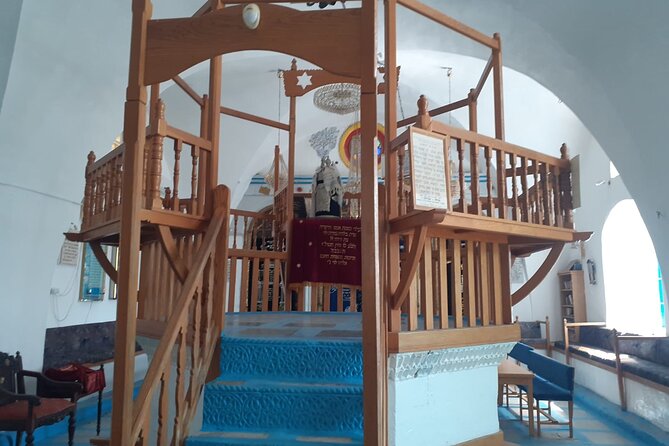
- Historic synagogue visits tied to prayer and community life in Tzfat
- Kabbalah plus law context via Rabbi Yosef Cairo and the Shulchan Aruch
Why Safed is the perfect place for a Kabbalah heritage walk

Safed, also called Tzfat, isn’t just a scenic hill town. It became a major center for Jewish mysticism in the 1500s, and that’s the period this walk keeps circling back to. The idea of Kabbalah may sound distant because for centuries it was treated as secretive or less public—but in Safed, it turned into public teaching circles and named figures.
And this is where the location matters for your experience. If you’re going to learn about Kabbalah—its stories, its “mysteries,” and its influence on Judaism—Safed gives you the right setting. You’re not hearing Kabbalah as theory floating in the air. You’re hearing it tied to real places, real communities, and real people.
Safed is also considered one of the four sacred cities in Jewish tradition. That detail can change how you look at the town once you hear it explained, because it frames Safed as more than local folklore.
Meeting at Kikar HaMeginim and getting your bearings
You meet at Kikar HaMeginim Safed, and the tour ends back at the same spot. That return-to-the-start setup is handy: you don’t have to figure out transport from some far-off point, and you can plan your next meal or visit without stress.
This is a walking tour in an older part of town. So I suggest you show up with practical shoes and expect some street walking on uneven surfaces. Since it lasts about 1 hour 30 minutes, you’ll want to arrive a few minutes early and be ready to move.
Timing matters too. The walk runs Sun–Thu at 1:30pm and Fri at 11am. If your day in the area is already full, this fixed schedule can be either a blessing (it’s simple) or a snag (you have to fit it in).
The 1.5-hour format: how Rabbi Shmuel keeps it grounded
The core promise here is focused attention with a maximum of 15 travelers. That small size is not a throwaway detail. It changes the whole tone. You’re more likely to get direct answers to your questions instead of listening to a lecture that never slows down.
Rabbi Shmuel Kopel leads you as someone who studied and was inspired by the teaching. That means the explanations are framed as lived tradition, not just historical trivia. You’ll hear the stories tied to each stop and what the relevant sage taught, then connect it to how that teaching impacted Judaism beyond Safed.
You should also know that this is built for questions. The format is described as a place where you can ask what you’re wondering about Kabbalah and the movement. If you’ve been curious for years—or if you’re genuinely confused at the start—this is the kind of tour where you don’t have to pretend you understand.
Safed’s Kabbalah spotlight: from secretive ideas to known teachings
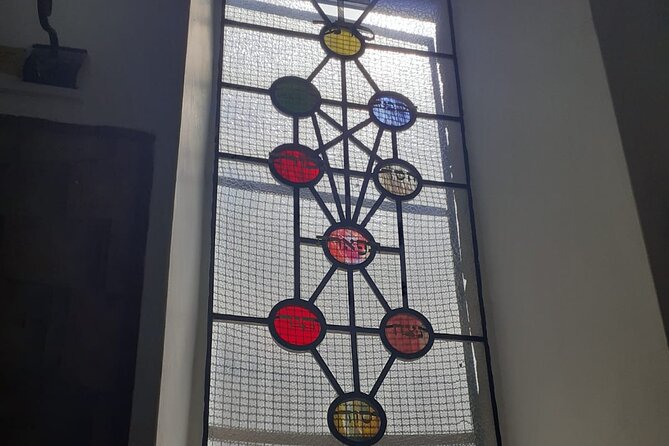
“Kabbalah” is often talked about like it’s one thing. On this walk, you’ll get a more realistic picture: it’s the mystical and historically guarded side of Judaism, and public access was limited for long periods. Then the story shifts to the 16th century, when Safed/Zefat became a known center for these teachings.
This is the moment where you’ll likely feel the tour start to click. Instead of treating Kabbalah as an abstract label, you connect it to a place, a time, and named scholars. Safed became a center where teachers lived and taught, and where students gathered around ideas and practices.
You’ll also learn why Safed mattered even for people who weren’t mystics. The town hosted major thinkers across Jewish life, and the walk uses that fact to show you how religious ideas circulated through communities.
Moshe Cordovero: seeing one sage’s influence through a real location
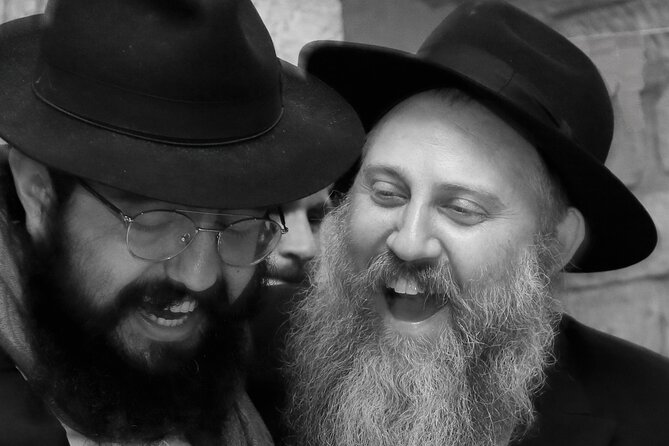
One of the most compelling parts of this heritage walk is that you aren’t just given a list of famous names. You visit sites significant for Kabbalah, and each stop is tied to the teaching and the influence of a specific teacher.
Moshe Cordovero is one of the figures connected to the story of Safed’s Kabbalah. As you visit a stop linked to him, expect the guide to connect his role to the broader development of Kabbalistic thought. The goal is not to memorize dates. It’s to understand what his teachings added to the movement and why they mattered.
Here’s the value for you: a name like Cordovero can feel like trivia until you hear how his teaching shaped later study and religious practice. Even if you only catch part of the concepts, you’ll leave with the framework for where the ideas came from and why people studied them.
The Alkabetz and the emotion of tradition
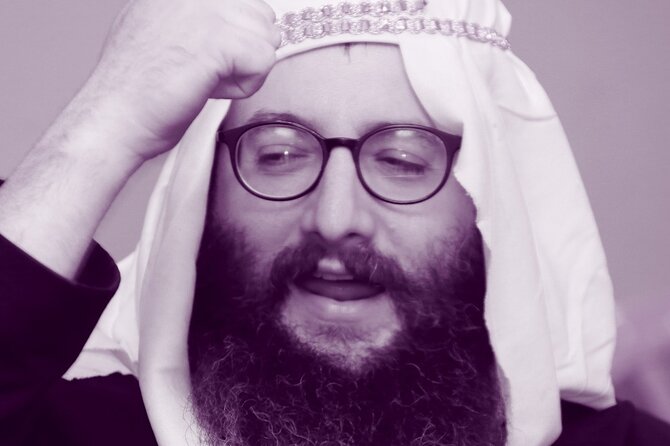
Another named figure tied to Safed is the Alkabetz. The walk uses her/his association with Safed to show that Kabbalah isn’t only intellectual. It’s also emotional and communal—connected to how people prayed, sang, and carried meaning through tradition.
At this stage, I find tours like this become either inspiring or confusing depending on the guide’s pacing. Rabbi Shmuel’s style here is described as patient, and that matters if you’re trying to form a picture of what Kabbalah means beyond buzzwords.
If you’re the type who likes learning through story, you’ll likely appreciate how the guide connects the figure to the atmosphere of Safed—how ideas traveled through houses of study and community worship.
The Holy Ari (Isaac Luria): why Safed keeps returning to one name
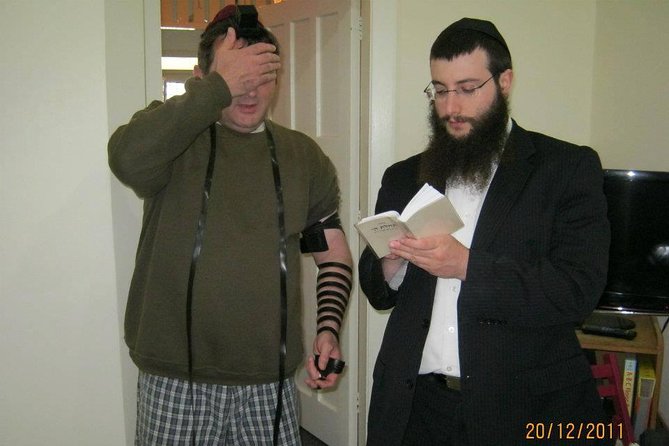
The most famous Kabbalist associated with Safed is the Holy Ari, Isaac Luria. You’ll visit Kabbalistic-significance sites connected to him and hear how his ideas influenced global Judaism.
This part of the walk is especially helpful if you’ve heard the name Ari before but never understood why he’s repeatedly referenced in conversations about mysticism. The heritage-walk approach helps because it turns the “why does everyone mention him” question into a tangible explanation: he wasn’t famous in a vacuum. He taught in Safed, and his legacy grew through students and religious life.
Practical tip: as you move from stop to stop, jot down whatever concept feels clearest to you. When you reach the end of the 90 minutes, you’ll be glad you captured your own highlights instead of trusting memory.
Historic synagogues and what prayer meant in Tzfat
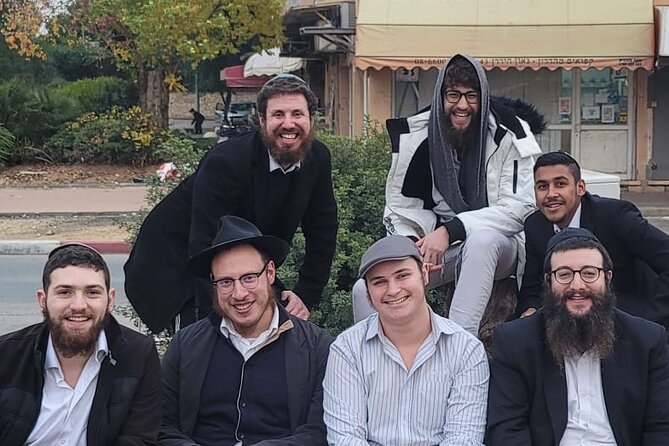
The walk includes visiting several historic synagogues. From the tour experience, the key detail is that you hear who the rabbis were that prayed there. That kind of detail matters because it connects sacred architecture to real people and community life, not just stone and style.
It’s also a good reality check for expectations. If you think Kabbalah is only a separate stream of Judaism, synagogue stops show you the overlap: people studied mysticism and still lived within everyday religious practice, including prayer.
If you’re sensitive to religious settings, treat the synagogue visits with care and follow the guidance of your rabbi-leader. Even when the tour is “just” a walk, these are active sites with meaning.
Yosef Cairo and the Shulchan Aruch: the law side of Safed
Safed wasn’t only about mysticism. The town was also home to Rabbi Yosef Cairo, the author of the Shulchan Aruch, described as the most authoritative Jewish religious law book. This is a fascinating addition because it prevents the tour from becoming one-note.
You’ll learn how Safed held both Kabbalah and major legal scholarship in the same place and era. That helps you understand why Kabbalah can feel so integrated into Jewish life: the town wasn’t an isolated mystic bubble. It was part of a broader ecosystem of study, law, and worship.
For you, this is where the walk becomes balanced. Even if you come with curiosity about mystical ideas, the Shulchan Aruch connection reminds you that Judaism is more than one style of thought. It’s a system of learning, practice, and community.
Price and value: what $45 buys in Safed
The price is $45 per person for about 1 hour 30 minutes, which puts it in the category of paid, guided experiences rather than casual walking tips. So the key question is value: what do you actually get for the money?
You’re paying for three things that tend to be hard to replicate on your own:
- a scholar-led narrative tied to actual Kabbalistic sites in Safed
- time for questions, with a small group size (max 15)
- a structured connection between major figures (Cordovero, Alkabetz, Ari, and Yosef Cairo) and what their work meant for Judaism
Also, it’s booked fairly ahead of time—on average 17 days in advance—so planning helps if you want your preferred day. You’ll also get a mobile ticket, which is convenient if you’re juggling several activities during your trip to the Galilee.
One more value signal: the overall feedback is extremely high. A 5-star average with strong recommendations usually means the guide is getting the pacing right and the experience is landing as intended—clear, patient, and engaging.
Who should book this Kabbalah Heritage Walk
This tour fits best if you want:
- a guided, stop-by-stop explanation of Kabbalah in Safed
- a calm setting where you can ask questions instead of rushing through sites
- context that connects mysticism with real Jewish life, including prayer spaces and law
It’s also a good match if you’re new to Kabbalah and want a starting framework. The walk doesn’t require you to already know the terminology. It’s designed to explain stories and mysteries in an accessible way while still respecting the subject.
If you already know a lot, you may still enjoy the tangible location angle—hearing the names and stories anchored to places in Safed can sharpen what you thought you knew.
Should you book this walk?
If you’re spending time in the Safed/Tiberias area and you want something that feels grounded rather than superficial, I’d book it. The combination of Rabbi Shmuel Kopel leading, a small group, and multiple stops tied to major figures gives you a structured path through a topic people often treat like a black box.
Book it if:
- you like asking questions and getting direct answers
- you want Kabbalah connected to places in Safed
- you’re curious about how Safed shaped both mysticism and law
Skip it if:
- your schedule can’t handle the fixed daily start times (1:30pm Sun–Thu or 11am Fri)
- you prefer self-guided sightseeing with no structured teaching
FAQ
How long is the Kabbalah Heritage Walk?
It runs for about 1 hour 30 minutes.
Where does the tour start and end?
You start at Kikar HaMeginim Safed and the tour ends back at the same meeting point.
When does the tour run?
It operates one time per day Sun–Thurs starting at 1:30pm, and on Fri starting at 11am.
How many people are on the tour?
The group size has a maximum of 15 travelers.
Who leads the tour?
The experience provider is Rabbi Shmuel Kopel.
Is there a mobile ticket?
Yes, the tour uses a mobile ticket.
What’s the cancellation policy?
You can cancel for a full refund up to 24 hours before the experience starts.