REVIEW · SIEM REAP
Exploring the Ancient Wonders of Angkor Wat with sunset backheng
Book on Viator →Operated by Marvel Angkor Tours · Bookable on Viator
Angkor Wat looks different at sunset. This private day with Marvel Angkor Tours is built around the big hits (Angkor Wat, Bayon, Ta Prohm, and a Phnom Bakheng sunset view) and then winds down with a complimentary massage. I also like that you’re not just getting sites stamped on a map: there’s a professional photographer and guides such as Davann, Mr Pich, and Phiarom/Phairom have a reputation for clear English, smart pacing, and great photo support. The main tradeoff is that it’s still a long, active day of walking in Cambodia’s heat, and the tour does not include food and drinks.
The value is in the smooth parts: round-trip hotel transfers, a luxury car/van, mineral water, tissues, and natural fruit. You can also add extras like the National Museum or the Night Market if your timing works, and your guide fills in the stories behind what you’re seeing.
You’ll move through temple ruins, then into real Siem Reap life—markets, a traditional art studio, a silk farm, and a blessing at Preah Ang Chek Preah Ang Chorm pagoda in Royal Park—before the day ends with that hour-long de-stress.
In This Review
- Key highlights to know before you go
- Angkor Wat Sunset Tour: private comfort and timing in Siem Reap
- Angkor Thom and the Angkor Wat complex: the stops that make the sunset hit harder
- Angkor Wat at the start: more than a postcard
- Angkor Thom and Bayon’s faces: the emotion of stone
- Ta Prohm: where nature and ruins share the stage
- Banteay Kdei: the quieter companion
- Phnom Bakheng Hill sunset: how to make the view work for you
- Siem Reap beyond temples: markets, an art studio, a silk farm, and a pagoda blessing
- Local markets: see the city’s rhythm
- Traditional art studio: craft that explains the region
- Silk farm: what silk looks like before it becomes a product
- Royal Park blessing at Preah Ang Chek Preah Ang Chorm pagoda
- Customization: add the National Museum or Night Market
- Massage time: the smart way to end a temple day
- Value for $60: what you’re paying for, and what you still need
- Photo support and guide names: why it matters in Angkor
- Who should book this Angkor sunset + Siem Reap culture day
- Should you book Marvel Angkor Tours for this sunset plan?
- FAQ
- How much does the tour cost?
- How long is the Angkor Wat sunset tour?
- Do I get hotel pickup and round-trip transfers?
- Is this tour private or shared?
- Does the tour include a guide and transportation?
- Is admission included for Angkor Wat?
- Is food included?
- What’s included besides the temples?
- Can I add other stops?
- What’s the cancellation policy?
Key highlights to know before you go
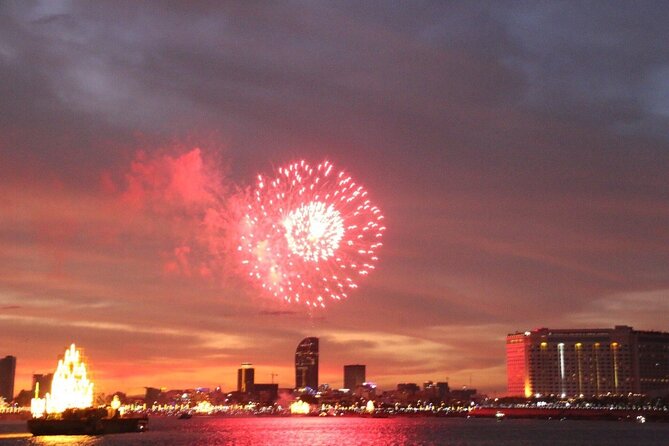
- Sunset at Phnom Bakheng Hill with planned time to get the view over the Angkor Wat complex
- Top temples in one day: Angkor Wat, Angkor Thom with Bayon faces, Ta Prohm, and Banteay Kdei
- Photo help included via a professional photographer, so you’re not always fighting your camera
- City culture stops: markets, an art studio, and a silk farm, not just temples
- End-of-day massage gives your legs a break and helps you actually enjoy dinner afterward
Angkor Wat Sunset Tour: private comfort and timing in Siem Reap
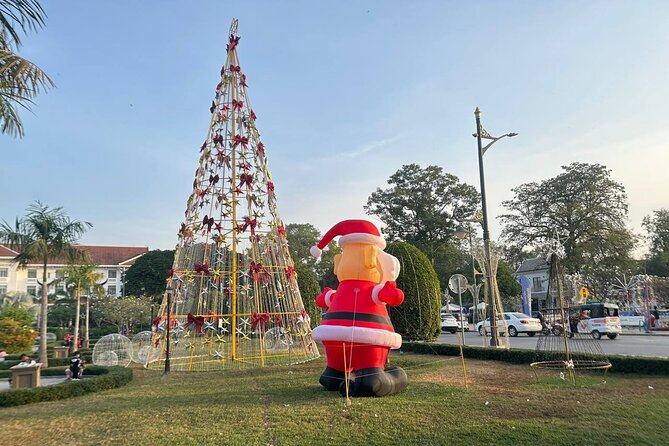
If you’ve ever tried to do Angkor Wat on your own, you know the challenge: getting the right route, finding a good sunset spot, and avoiding wasting time in the wrong place. This plan tackles that with round-trip transfers from your hotel and a private luxury car/van, so you’re not stuck on a crowded bus while your daylight disappears.
The tour also runs with a “less stress” mindset. You leave the maps at the hotel, and your guide handles navigation and priorities. That matters because Angkor is huge, and a half-hour mistake can mean missing the best light at the end of the day.
You can also read our reviews of more tours and experiences in Siem Reap.
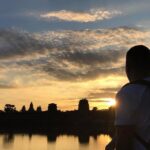
Angkor Thom and the Angkor Wat complex: the stops that make the sunset hit harder
Your day centers on Angkor’s key scenes rather than random detours. You’ll start with Angkor Wat, then work through other highlights that connect visually and historically, so sunset isn’t just a pretty moment—it feels like the final chapter.
Angkor Wat at the start: more than a postcard
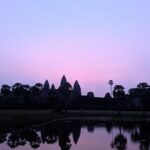
Angkor Wat is where most first-timers freeze, partly because it’s massive and partly because it’s so symmetrical. The best part of doing it within a guided route is that you don’t just stand in the same view as everyone else; you learn what to look for as you move through the space.
Because this is a sunset-focused day, you also get a built-in arc. You’re not waiting blindly all afternoon. You’re gradually building context, which makes the final view from Phnom Bakheng feel earned.
Angkor Thom and Bayon’s faces: the emotion of stone
From Angkor Wat, you’ll go into Angkor Thom. Bayon is the anchor here, with those famous stone faces watching over the corridors. I like this stop because it changes the vibe from formal temple design to something more human-feeling—dark, curious, and a little eerie when the sun lowers.
Your guide’s job is to point out what you might miss: how different angles affect what you see, and why certain details matter. In the operator’s reviews, guides like Davann and Mr Pich get called out for strong English and for explaining history and culture in a way you can actually use while you’re standing there.
Ta Prohm: where nature and ruins share the stage
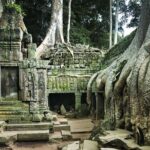
Ta Prohm is the temple that most people recognize instantly, with those giant roots wrapping over the stone. The trick with Ta Prohm is timing and movement: if you linger in the wrong spots, you end up shoulder-to-shoulder with everyone trying to photograph the same frame.
A good guide helps you keep the day moving without making you feel rushed. You also get a chance to see how the temple looks in different light, especially if you’re working toward sunset after this.

Banteay Kdei: the quieter companion
Banteay Kdei doesn’t always get the same attention as Bayon or Ta Prohm, but that’s exactly why it works well on a packed day. It adds variety—less of a single iconic “wow frame,” more of a slow read of textures, carvings, and how sections of the complex connect.
It’s also a useful breathing pause. You’re still at Angkor, but you’re not constantly battling for the best photo angle.
Phnom Bakheng Hill sunset: how to make the view work for you
The big finale is the climb to Phnom Bakheng Hill for sunset over the Angkor Wat complex. This is the moment you came for, so treat it like the payoff—and plan your body accordingly.
A few practical points help you enjoy it:
- Wear comfortable shoes. Temple stone can be hot and uneven.
- Take water seriously. The tour includes mineral water, which helps, but you’ll still want to pace.
- Expect a scramble for photos. Having a professional photographer along means you can spend less time juggling camera settings and more time looking up at the view.
I also like that the route is built to reach this moment after you’ve already seen the main highlights. When sunset finally arrives, it doesn’t feel random. You understand the layout below, and the colors land in the right places.
One consideration: Phnom Bakheng is a climb and the lighting changes fast. If you’re sensitive to heat or you need frequent breaks, you should tell your guide early and be honest about your pace. The guides in this operator’s track record are known for patient support when people need to slow down.
Siem Reap beyond temples: markets, an art studio, a silk farm, and a pagoda blessing
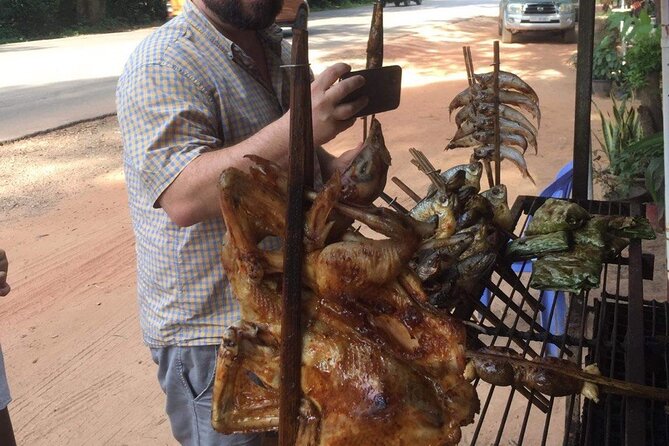
Angkor is the headline, but the better days are the ones where the guide shows you daily life around it. This tour includes stops designed to do exactly that.
Local markets: see the city’s rhythm
You’ll visit local markets where you can watch how people shop, cook, and bargain. Even if you don’t buy much, it’s a useful reality check after hours of stone ruins. You’ll also pick up context about what surrounds Angkor, because food and crafts are a big part of how Siem Reap survives.
This is also where you can practice being a calm buyer. If something catches your eye, your guide can help with getting your bearings and handling questions.
Traditional art studio: craft that explains the region
A stop at a traditional art studio adds meaning to the souvenirs you’ll see later. You start to notice that “handmade” isn’t just a label here; it ties into local skills and training.
Silk farm: what silk looks like before it becomes a product
A silk farm stop is a smart choice if you want something hands-on but still accessible. You’ll learn about the process and why silk has value in Cambodia, not just as clothing but as a craft tradition.
I like these cultural stops because they break up the day. After long temple walks, switching to a quieter workshop pace feels like a reset.
Royal Park blessing at Preah Ang Chek Preah Ang Chorm pagoda
The tour includes a blessing at Preah Ang Chek Preah Ang Chorm pagoda in Royal Park. This is a moment with a different energy—less “tourist photo” and more reflection.
You might find the experience especially meaningful if you’re interested in how spirituality stays woven into everyday life in Cambodia, not sealed inside museum cases.
Customization: add the National Museum or Night Market
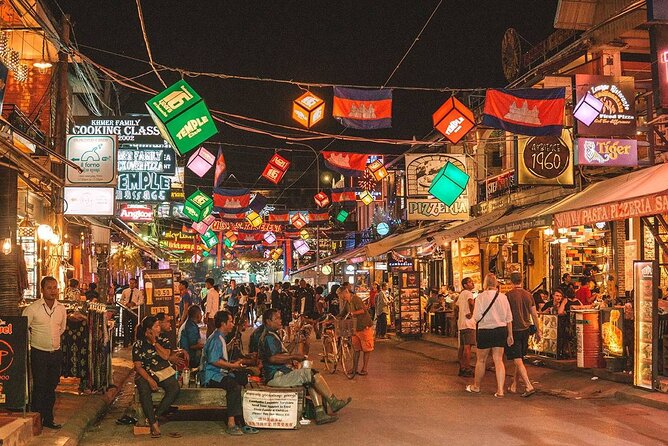
If you want more variety, you can customize the day with extra stops such as the National Museum or the Night Market. This is a useful option because it lets you tailor the day to what you care about most: artifacts and context, or the living street scene after dark.
Massage time: the smart way to end a temple day
After temple time, massage isn’t a luxury—it’s a practical recovery plan. This tour includes a complimentary massage that’s roughly an hour long, offered at the end of the day.
That timing matters. If you do Angkor and then immediately try to power through errands or a long dinner, your body pays for it. With the massage first, you’re more likely to feel good enough to enjoy the evening instead of just surviving it.
Also, it’s included, which is where value shows up. You’re not guessing whether you’ll have the energy to pay for recovery on your own.
Value for $60: what you’re paying for, and what you still need
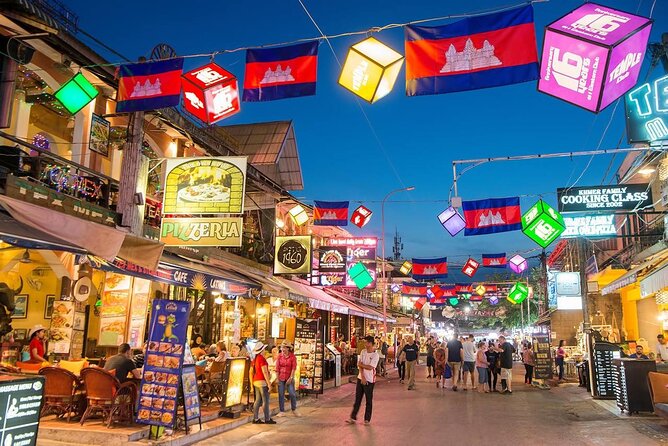
At $60, the headline value is not just the temples. It’s the package: a professional English-speaking guide, a professional photographer, a luxury private car/van, mineral water and tissues, natural fruit, and a massage.
That combination is rare. Most “temple tours” either cut corners on guiding quality or skip extras like photo support. Here, you’re getting help in the places that matter: interpretation, timing, and getting decent photos without stress.
Here’s what you should plan around:
- Food and drinks are not included, so budget for at least one meal.
- The tour notes admission ticket free for Angkor Wat, but you should still confirm what’s covered for your specific booking day so there are no surprises on the ground.
Photo support and guide names: why it matters in Angkor
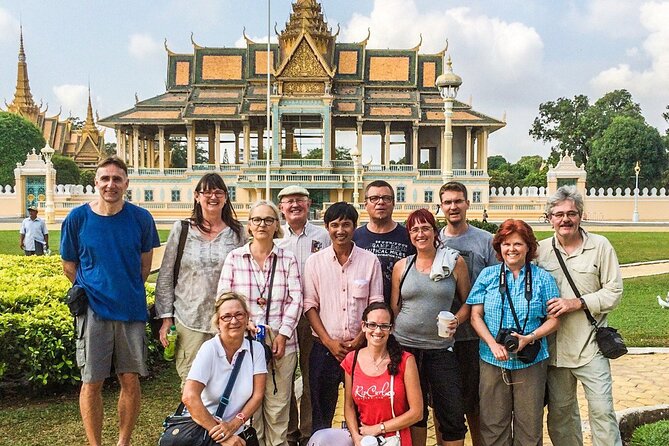
Angkor can be frustrating if you’re traveling as a pair or family and everyone’s trying to take turns. This is where the professional photographer becomes more than a nice extra.
Your guide support also helps. In the operator’s track record, guides such as Davann, Mr Pich, and Phiarom/Phairom come up repeatedly for patient assistance and for explaining what you’re seeing in plain English. You’ll also appreciate the crowd-handling approach—getting better angles without feeling like you’re constantly chasing people.
If you care about photos, I’d treat this as a major part of the experience. The goal isn’t just to collect shots. It’s to capture sunset light, temple lines, and the faces at Bayon in a way that doesn’t require you to become your own camera crew.
Who should book this Angkor sunset + Siem Reap culture day
This tour fits best if you want:
- A private day that doesn’t feel like a marathon bus ride
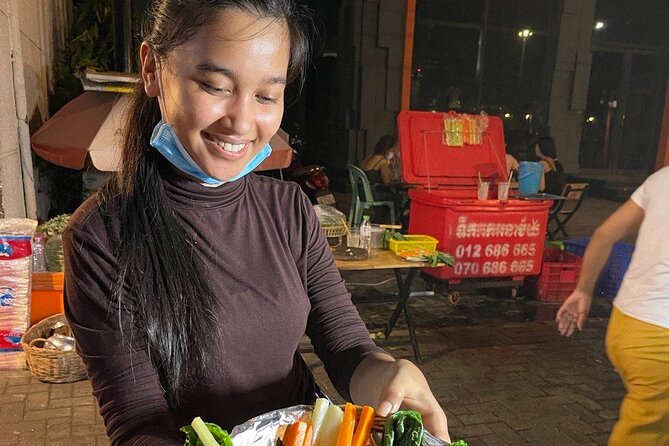
- One-stop access to major Angkor highlights plus a real taste of Siem Reap life
- Sunset at Phnom Bakheng Hill as the finale
- Included recovery time with a massage
It might not be the right pick if you want a super deep, slow archaeological study across multiple days. This is a strong “big hits” format with culture side stops, not a weeks-long graduate seminar on Khmer stone.
If you’re new to Angkor, this is a solid way to get oriented fast. You’ll leave with a clearer mental map of where everything sits and why those temples belong together in the same story.
Should you book Marvel Angkor Tours for this sunset plan?
I’d book it if you want an Angkor day that’s organized, comfortable, and photo-supported, with a clean ending. The mix of temples, Royal Park blessing, market and craft stops, and that hour-long massage adds up to more than just a sunset moment.
I’d think twice only if you’re extremely sensitive to walking in heat or you don’t want any city stops at all. If you prefer pure temple-only focus, you might still choose another format. But if you want temple awe plus a sense of Siem Reap beyond the ticket lines, this one makes practical sense.
FAQ
How much does the tour cost?
The price listed for this experience is $60.
How long is the Angkor Wat sunset tour?
It runs for about 8 hours (listed as 1 day 30 minutes approx.).
Do I get hotel pickup and round-trip transfers?
Yes. Round-trip hotel transfers are included, and pickup is offered.
Is this tour private or shared?
It’s a private tour/activity, so only your group participates.
Does the tour include a guide and transportation?
Yes. You get a professional English-speaking guide and a luxury private car/van.
Is admission included for Angkor Wat?
The tour notes admission ticket free for Angkor Wat. You should confirm the exact coverage when you book.
Is food included?
No. Food and drinks are not included.
What’s included besides the temples?
The tour includes mineral waters and tissues, natural fruits, a professional photographer, and a complimentary massage of roughly one hour.
Can I add other stops?
Yes. You can customize the tour to add stops such as the National Museum or the Night Market.
What’s the cancellation policy?
You can cancel for a full refund up to 24 hours in advance of the experience start time.