REVIEW · NAHA
Karate History Tour in Okinawa
Book on Viator →Operated by Ageshio Japan Co.,Ltd · Bookable on Viator
Karate in Okinawa can feel like a story you walk through, not something you read. This full-day tour in Naha strings together outdoor memorials and indoor artifacts, so you connect names like Kanryo Higaonna, Chojun Miyagi, and Gichin Funakoshi to real places you can point at. I especially like that you’re not left to figure anything out alone: guides such as Yoshi, Kenny, and Carlo show up with strong English and a clear passion for making the day make sense.
Two things I like a lot: you get entrance fees included at every stop, and you’ll have a Japanese lunch organized by your guide. One possible drawback to plan around is the tour’s day-long pace (about 5 to 7 hours) and the fact that it requires good weather, since you’ll be outdoors at multiple stops.
If you’re after Okinawa karate beyond a quick sightseeing lap, this tour is built for you. If you want pure downtime and zero scheduling pressure, you may find the structure a bit tight.
In This Review
- Key things to know before you go
- Entering The Story in Matsuyama Park: Higaonna and Miyagi in Stone
- Okinawa Prefecture Karate Museum: Meeting a Goju-ryu 10th Dan Master
- Okino-gu Shrine and the Gichin Funakoshi Monument: Respectful, Meaningful Stops
- Shureido Karate Goods Shop: Souvenirs That Feel Like Part of the Day
- Pace, Pickup, and Tickets: How the Logistics Help You Enjoy the Day
- Price and Value at $125.50: Where the Money Actually Goes
- Who This Okinawa Karate History Tour Is Best For
- Should You Book This Karate History Tour in Okinawa?
- FAQ
- How long is the Karate History Tour in Okinawa?
- Where does the tour start and what area is it in?
- Is lunch included?
- Are entrance fees included?
- Will I meet a karate master?
- Are there shopping stops?
- Does the tour include pickup and mobile tickets?
- What if the weather is bad?
Key things to know before you go
- Entrance fees are included for all stops, so the schedule stays smooth
- Japanese lunch is organized by your guide, not a random grab-and-go
- You visit multiple karate monument sites, including memorials tied to major figures
- The Okinawa Prefecture Karate Museum includes historical goods and time with a Goju-ryu master
- You get shopping time at a well-known karate goods shop to bring something home
- It’s a private tour for just your group, so questions don’t get rushed
Entering The Story in Matsuyama Park: Higaonna and Miyagi in Stone
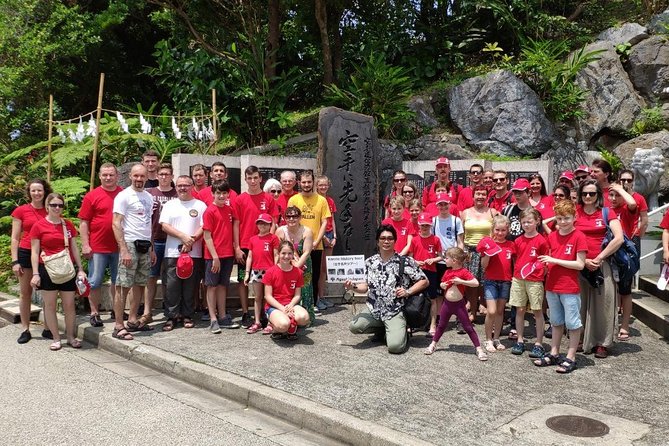
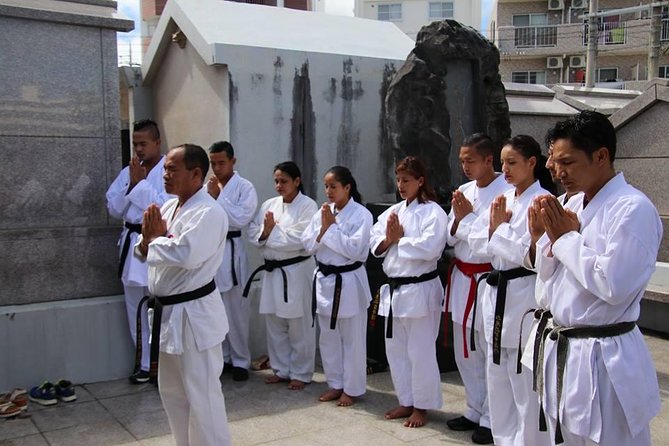
Your day starts at Matsuyama Park, where you’ll see monuments connected to two heavyweight names in Okinawan karate: Kanryo Higaonnna and Chojun Miyagi. For me, the value here is practical. It’s easy to hear these names and forget them five minutes later, but putting faces and names into specific spots helps you remember. You’re not just collecting facts; you’re building a map in your head.
This stop is short, about 15 minutes, and that’s honestly a good thing. You get the key sights without turning the day into a slow shuffle. That said, don’t use this stop as your only photo opportunity. If you like pictures, give yourself a moment to look around before you move on. Outdoor memorials also tend to be more affected by weather and lighting than indoor sites, so aim to snap photos while the light is still decent.
What I’d do to get the most from Matsuyama Park: think of it like a preface. Before the museum, you’re being shown where the tradition is anchored in the landscape.
You can also read our reviews of more tours and experiences in Naha.
Okinawa Prefecture Karate Museum: Meeting a Goju-ryu 10th Dan Master
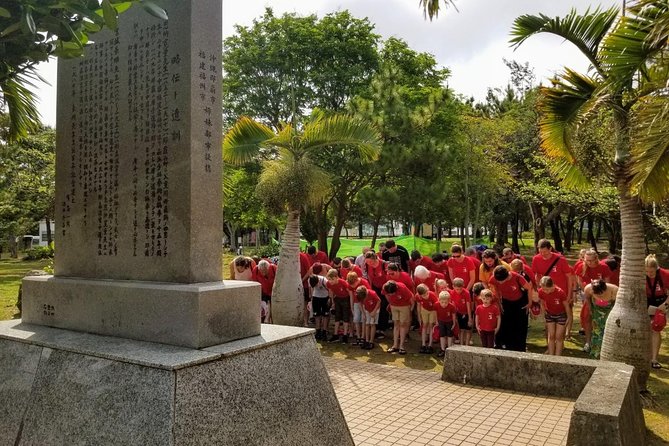
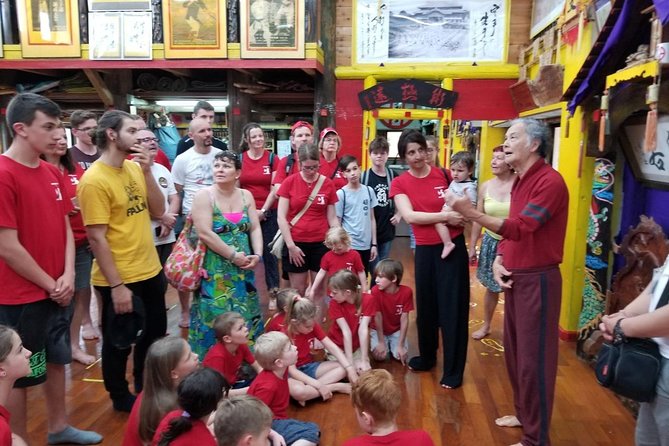
Next comes the heart of the day for anyone who cares about karate as more than sport. At the Okinawa Prefecture Karate Museum, you’ll spend about 45 minutes and you’ll have two major things happening: you’ll see karate historical goods, and you’ll meet Tetsuhiro Hokama (Goju-ryu 10th dan master).
This is where the tour shifts from monuments to context. Museum time is where you learn what the objects and references actually mean. Even if you’re not a karate expert, it helps to see the physical side of history: gear, memorabilia, and materials that show how styles were carried forward. That kind of “things in your hands” learning usually sticks better than timelines.
The meeting with Hokama is a standout. In the real world, it’s hard to find a chance to speak with a high-ranking practitioner in a guided setting. If your group loves Q&A, this is the moment to use it. Ask about how karate developed in Okinawa, what traditions the community tries to protect, or what newcomers often misunderstand. With strong English guides like those named in the guest feedback, you’re more likely to get explanations that are clear rather than vague.
One consideration: museum visits are sometimes quieter and more structured. If your group prefers fast pacing, you’ll want to stay mentally engaged through the artifacts. You can always reset after this stop.
Okino-gu Shrine and the Gichin Funakoshi Monument: Respectful, Meaningful Stops
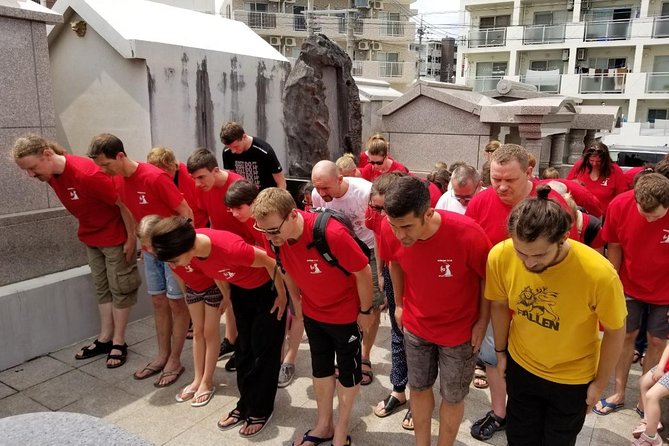
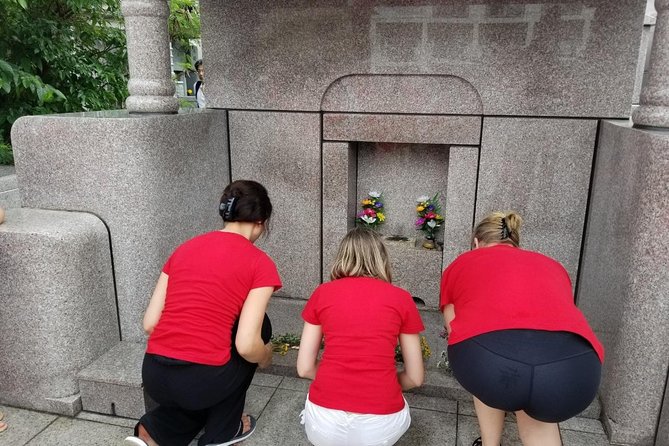
After the museum, you head to Okino-gu Shrine (about 30 minutes). Here you’re looking at a monument of Gichin Funakoshi, plus time at the shrine itself.
Shrines in Japan often feel simple at first glance, but they carry a specific kind of attention: order, calm, and respect. This stop matters because it reframes karate as cultural heritage, not just a fighting method. When you link Funakoshi to a sacred place, it nudges you to think about how martial arts teachings traveled through Okinawa and beyond.
This stop is also a nice pacing change. You’ve just been inside learning about objects; now you’re outside again, with a quieter setting. If the weather is good, it’s a pleasant breather. If the weather turns, you’ll want to keep an eye on comfort. Wear shoes you can handle on uneven surfaces, and be ready for short outdoor walks.
The guide presence stays important here. A good guide helps you read what you’re seeing without turning it into a lecture.
Shureido Karate Goods Shop: Souvenirs That Feel Like Part of the Day
Shopping can be hit-or-miss on tours. This one has the advantage of being targeted: you finish at Shureido, an Okinawa famous karate goods shop, with about 30 minutes for browsing.
This is where your trip becomes tangible. Instead of generic souvenirs, you can look for karate-themed items that match what you just learned. Even if you don’t buy anything big, it’s a good place to pick up small items you can actually use or display, like books, patches, or other themed goods (exact inventory varies, so don’t expect one specific item).
One practical tip: 30 minutes disappears faster than you think. If shopping is a goal for you, set a mini plan before you walk in. Decide whether you’re after a functional item (like something you can wear) or a keepsake. That mindset stops you from wandering in circles with your head spinning.
If you’re sensitive to crowds, note that this is a shop stop, and shops often mean more movement. Still, since this is a private tour, your group’s experience should feel less rushed than a big group bus stop.
Pace, Pickup, and Tickets: How the Logistics Help You Enjoy the Day
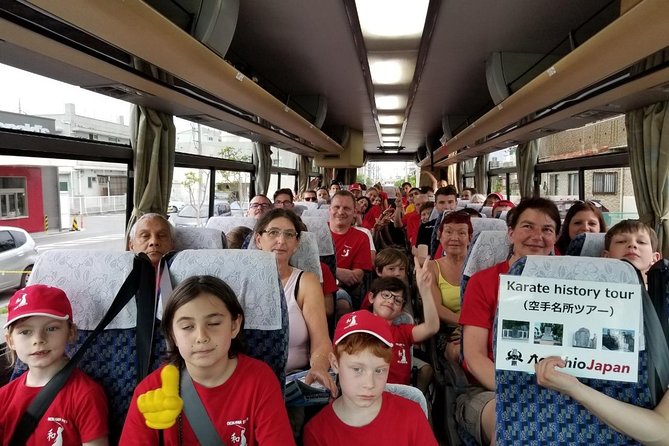
This tour is designed to be workable. You’re looking at about 5 to 7 hours, so it’s not just a quick half-day add-on. But the schedule is built around clear stops and included entry, which reduces the usual travel friction.
A few logistics points that matter:
- Pickup is offered, which helps if you’re staying away from the easiest public transit routes
- Mobile ticket means you’re not hunting for printed papers
- Near public transportation, so even if pickup timing isn’t perfect for your schedule, you’re not totally stranded
- Entrance fees to all stops are included, meaning you won’t get surprised by additional costs mid-day
Value-wise, this matters because it protects your time. When entry fees and planning are handled for you, you spend less time at ticket counters and more time learning and looking.
If you’re prone to getting tired from long walking days, plan for it. The itinerary has multiple short stops, but you still spend the whole day in motion. Comfortable shoes and a water plan are your best friends.
Price and Value at $125.50: Where the Money Actually Goes
At $125.50 per person, this tour isn’t a budget sampler. You’re paying for a set of guided experiences, not just transport.
Here’s what that cost is buying you:
- Entrance fees are included for every stop
- You get Japanese lunch, organized by your guide
- You receive guided interpretation at each site, including a museum visit with historical goods
- You get access to meet Tetsuhiro Hokama (Goju-ryu 10th dan)
So when you look at the day as a whole, the price starts to make more sense. It’s less like paying for sightseeing tickets and more like paying for guided cultural access plus a structured learning experience.
Also, it’s booked on average about 50 days in advance, which suggests demand. That’s not automatically a “good” sign, but it usually means the tour fills up if you wait too long.
Who This Okinawa Karate History Tour Is Best For
This tour is a great fit if you:
- Want Okinawa karate connected to specific locations (monuments and shrine sites)
- Enjoy museum-style learning with a real human connection through meeting a master
- Like the idea of taking home items from a karate goods shop rather than random tourist merch
- Prefer a private tour so you can ask questions without watching the clock for a larger group
It’s also a solid choice for first-timers who know a few karate names but want the story to click. Even if you don’t train, the tour is paced with the assumption you’re learning alongside your guide.
If you dislike structured tours, this may feel like a lot of scheduled stops in one day. And if weather is uncertain where you are staying, keep your expectations flexible since the tour requires good weather.
Should You Book This Karate History Tour in Okinawa?
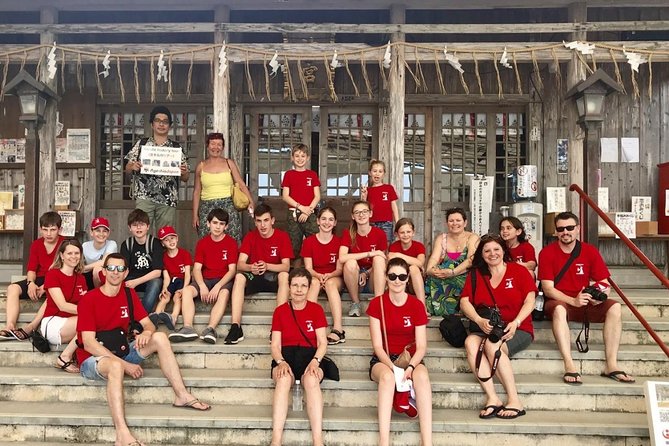
I’d book it if you want a guided, well-organized day that connects karate figures to places you can stand in front of—then back that up with a museum visit and a meeting with a high-ranking practitioner. The combination of included entrance fees, Japanese lunch, and a focused set of stops makes it feel efficient rather than “just another bus tour.”
Skip it if your vacation style is mostly spontaneous downtime, or if you’re not interested in monuments and museum interpretation at all. But if karate history is your thing, this tour gives you a clear pathway through the main stops and lets you come home with more than just photos.
FAQ
How long is the Karate History Tour in Okinawa?
It runs approximately 5 to 7 hours.
Where does the tour start and what area is it in?
The tour is located in Naha, Japan.
Is lunch included?
Yes. You’ll enjoy a Japanese lunch organized by your guide.
Are entrance fees included?
Yes. Entrance fees to all stops are included.
Will I meet a karate master?
Yes. The tour includes a visit to the Okinawa Prefecture Karate Museum where you meet Tetsuhiro Hokama, a Goju-ryu 10th dan master.
Are there shopping stops?
Yes. You stop at Shureido, an Okinawa karate goods shop, where you can shop for souvenirs.
Does the tour include pickup and mobile tickets?
Pickup is offered, and you’ll receive a mobile ticket.
What if the weather is bad?
The experience requires good weather. If it’s canceled due to poor weather, you’ll be offered a different date or a full refund.