REVIEW · NAHA
Shuri+Naha: Cycling Tour Explore Water Heritage with E-Bike
Book on GetYourGuide →Operated by イーチャリティ那覇国際通り本店 · Bookable on GetYourGuide
Water runs through Naha’s past. This 3-hour Shuri+Naha e-bike tour traces Okinawa’s river-and-spring stories and connects them to everyday local life. It’s powered by eco-friendly electric assist, so you actually spend time looking around instead of wrestling your bike.
Two things I really like: the way the route tucks you from city streets into springs and quiet pockets where you can hear waterfalls and birds close up. And the Ryukyu Royal Court-style sweet stop is more than a snack break—you get to see how tradition is kept, plus you taste the result.
One possible drawback: you need to ride comfortably and wear proper shoes. Paths near water can get slippery, and this tour may adjust the plan if weather turns rough.
In This Review
- Key Things That Make This Tour Worth Your Time
- Starting Near Makishi Monorail: Quick Setup, Real Local Rhythm
- Following the River Toward Ryukyu Water Heritage
- Ancient Trees, Stone Steps, and That I-Can’t-Believe-This-Place Moment
- A Spring Where Birds Take Over the Soundtrack
- Ryukyu Royal Court Sweets: Taste, Watch, and Time-Travel a Bit
- The Vermilion Gate Photo Stop: Okinawa’s Symbol in Color
- Climbing for Naha Views: Castle Town Details to Spot
- Shuri Castle Area: Cobblestones, Shrines, and Belief Systems
- The Ride Back Down: Wind, Speed Control, and Easy Return
- Price and Value: $87 for 3 Hours of Guided Motion
- What to Bring (and What Not to Expect)
- Weather Changes: When the Plan Might Shift
- Who Should Book This E-Bike Water Heritage Tour?
- Should You Book Shuri+Naha: Cycling Tour Explore Water Heritage with E-Bike?
- FAQ
- FAQ
- How long is the cycling tour?
- Where is the meeting point?
- What’s included in the tour price?
- Does the tour run in English?
- How many people are in the group?
- What should I wear or bring?
- Is there a break during the tour?
- Do I need to bring a camera mount or phone holder?
- What if the weather is bad?
- What is the cancellation policy?
- Can young children join?
Key Things That Make This Tour Worth Your Time
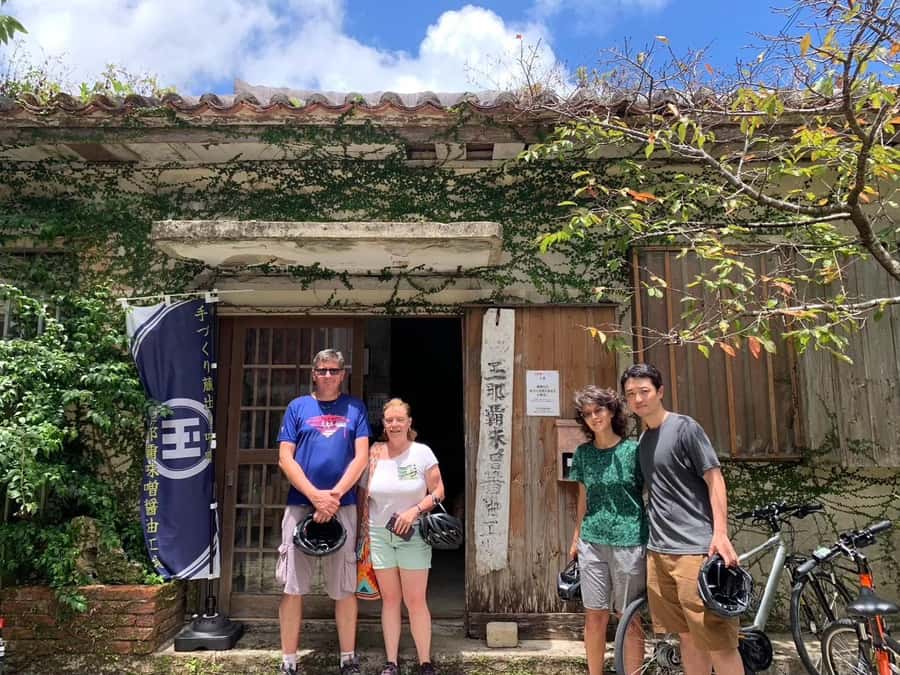
- Helmet intercoms keep group safety tight while your guide talks clearly
- E-bikes make hills and longer stretches feel manageable in Okinawa heat
- Hidden springs in the middle of the city let you hear water and birds, not traffic
- Ryukyu sweets with a real production moment plus a tasting break
- Shuri Castle area focus ties sights to Ryukyu beliefs and the castle-town layout
Starting Near Makishi Monorail: Quick Setup, Real Local Rhythm
You meet at the bike shop close to Makishi Monorail station, just about a minute on foot, next to Makishi Post Office. It’s an easy start point if you’re already using the monorail to get around Naha.
Once you arrive, you pick up your electric assisted bike and get a safety briefing that keeps the group together. Everyone rides with a helmet fitted with an intercom system, so you don’t miss instructions when roads narrow or turns come fast.
The tour then settles you into the best part: moving through everyday Okinawan spaces rather than only hitting big-ticket landmarks. As you glide along the riverside, you’ll see how traditional homes sit beside more modern buildings, and a simple hello usually gets you an actual smile back.
You can also read our reviews of more tours and experiences in Naha.
Following the River Toward Ryukyu Water Heritage
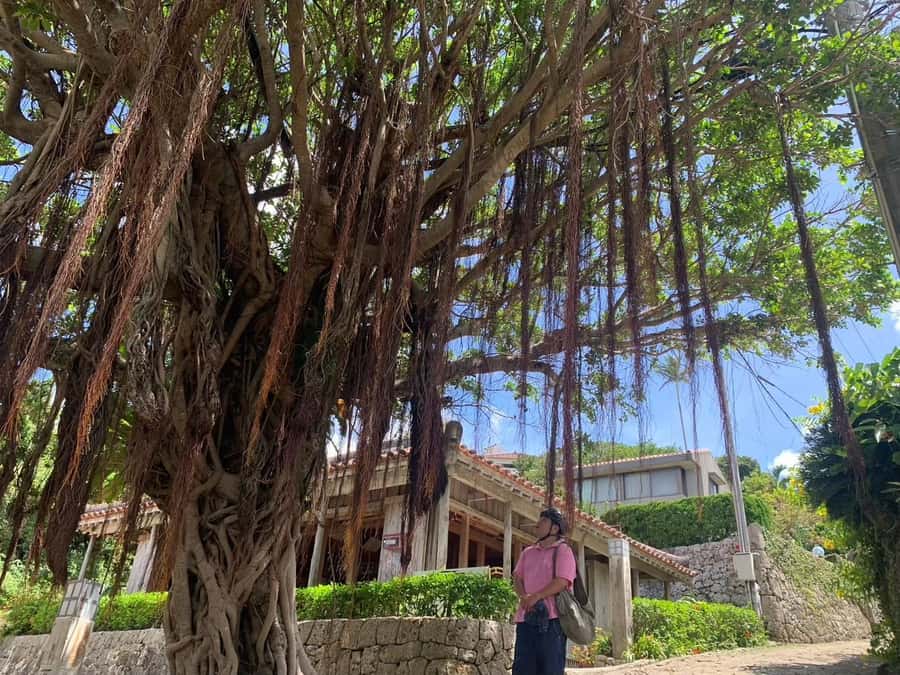
A big theme here is simple: water shaped Okinawa’s daily life, faith, and stories. You’ll ride along the riverside where the scenery shifts from street life to more natural edges—right where you’d expect history to cling.
You also stop at a named water-related spot (Sashika Sajii-jaー). Even without any fancy museum vibe, these moments matter because they show the connection between where people live and where water comes from—springs, flow, and the rhythms that built communities.
One nice thing about an e-bike tour is how it changes your pace. You can slow down at the right moments to notice small details: stonework, tree shade, and how the area feels when the river sound becomes louder than road noise.
Ancient Trees, Stone Steps, and That I-Can’t-Believe-This-Place Moment
After riding off the main streets where the monorail runs overhead, you reach an area that feels dramatically older. Ancient trees and stone steps appear where you might not expect them—like the city briefly forgets it’s a city.
Then comes the payoff: you descend and you’re greeted by a perennial spring and the gentle sound of a waterfall. It’s one of those spots that makes you pause, even if you don’t consider yourself a “nature person.” The idea here is about the healing power of water and fresh air while you take a breather from biking.
And then you move again through residential areas, which keeps the tour grounded. You’re not floating through a theme park—you’re traveling through real neighborhoods and seeing how nature and daily life coexist.
A Spring Where Birds Take Over the Soundtrack
Next is another spring area where waterfowl gather from deep in the forest. This is the quiet moment on the ride: the sounds you notice shift to water plus birdsong, with a stillness that feels like time slows down.
For some people, this becomes the emotional highlight of the tour—because it’s not just a pretty stop. It’s a sensory lesson in why springs mattered in Ryukyu culture: they weren’t just geography, they were part of how life was sustained and experienced.
Practical note: even if the route is easy thanks to the electric assist, go slow on footing here. Areas near water and stone can be uneven.
Ryukyu Royal Court Sweets: Taste, Watch, and Time-Travel a Bit
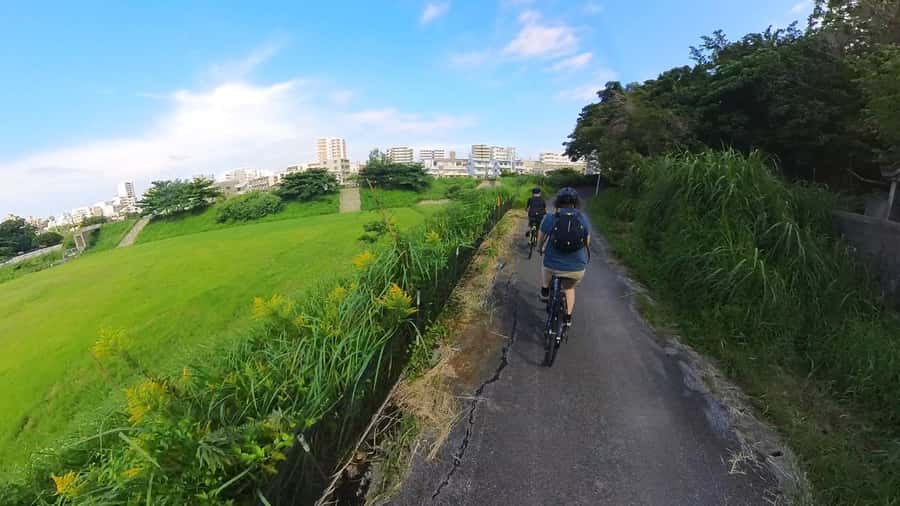
A key reason to book this tour is the sweet stop. You’ll visit a shop that keeps and preserves recipes passed down since the Ryukyu Kingdom era, crafting each traditional sweet by hand.
You don’t just receive a piece and move on. You can watch the production process, and you’ll get a chance to taste the sweets during the break.
This matters because Ryukyu sweets are tied to hospitality and court culture—not just sugar. One bite can feel like stepping into a different time, and you’ll likely understand why this sort of food shows up in ceremonies and guest traditions.
Also, your guide can help you connect what you’re seeing to the stories around the Ryukyu Kingdom. If you’ve ever wondered how food becomes culture, this part answers it quickly.
The Vermilion Gate Photo Stop: Okinawa’s Symbol in Color
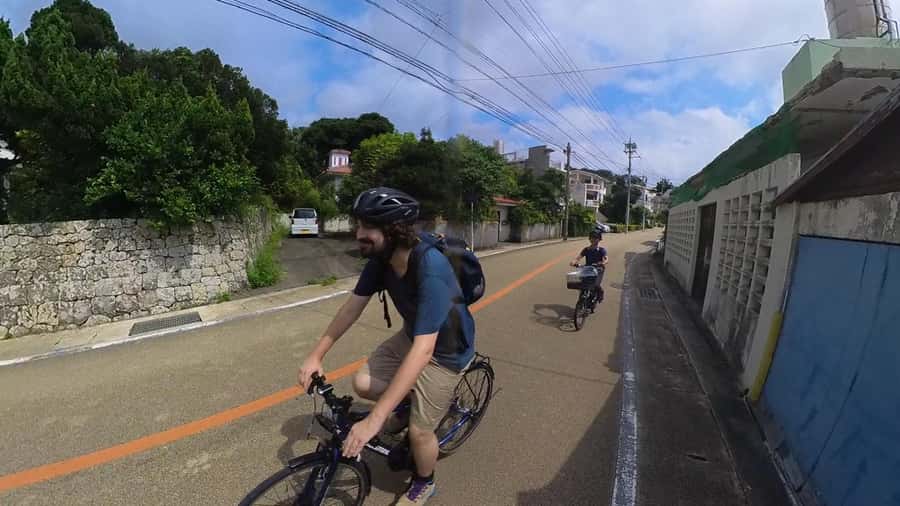
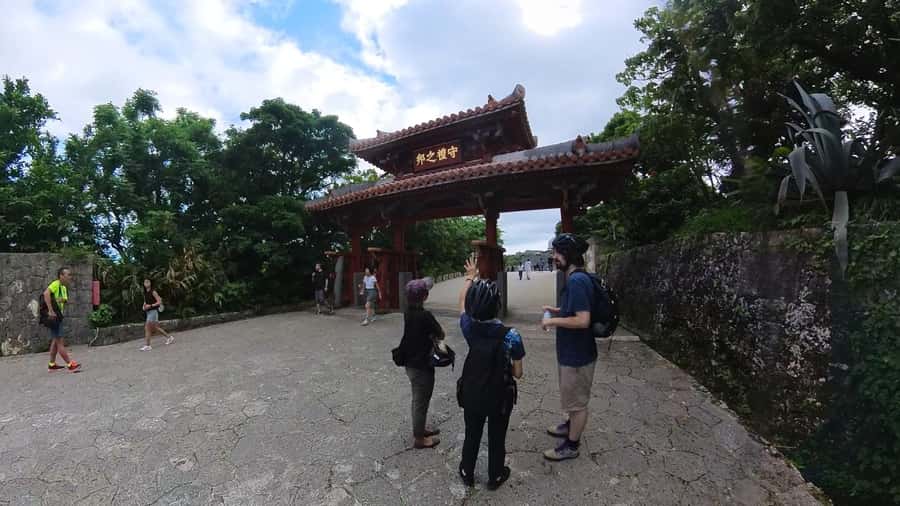
Then you reach a major photo moment: a vermilion gate that people call Ue no Ayamon Ii no Ayashō, described as Beautiful Gate Above. It’s a strong, well-balanced design and instantly recognizable once you see it.
This is your chance to slow down and get commemorative photos without racing the schedule. I like gate stops because they’re easy anchors for the whole trip—after the quiet springs, the bright gate reminds you you’re still in Okinawa’s built heritage.
If you care about composition, position yourself so the gate fills the frame, then step sideways for a version that includes surroundings. The color does a lot of the work for you.
Climbing for Naha Views: Castle Town Details to Spot
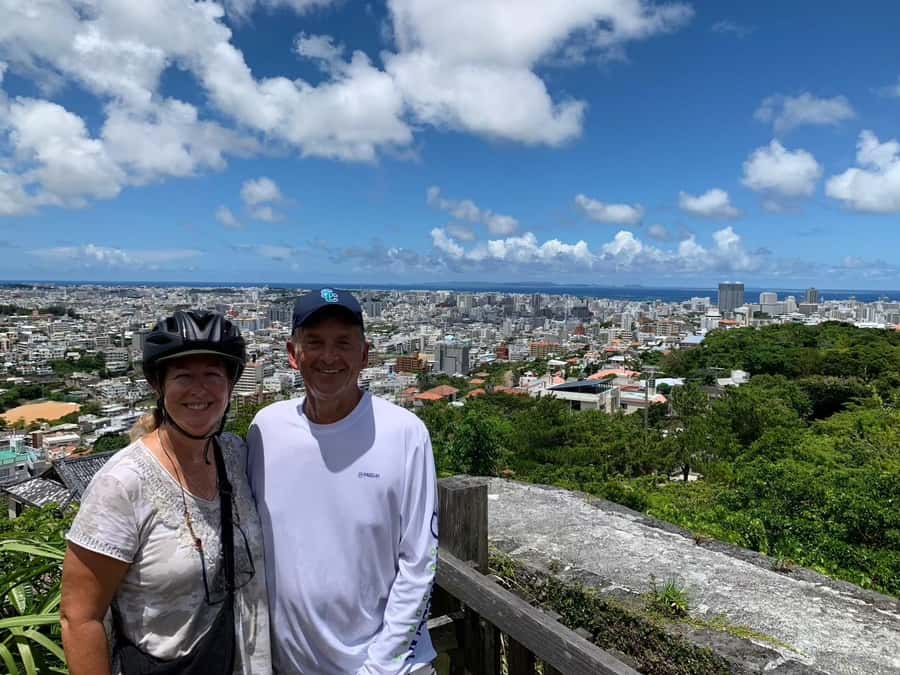
You’ll slowly climb a hill to overlook Naha City. From here you can look across rooftops and stone details that give the area a castle-town feel.
As you ride and walk around during the viewpoints, keep an eye out for red roofs, guardian figurines, and stone pillars. Your guide will point out what these elements mean in the broader picture of Ryukyu-era architecture and planning.
This uphill portion is one of the reasons the e-bike rental is a smart choice. You still get the effort and the view, but it doesn’t drain your legs so you can enjoy the rest of the cultural stops.
Shuri Castle Area: Cobblestones, Shrines, and Belief Systems
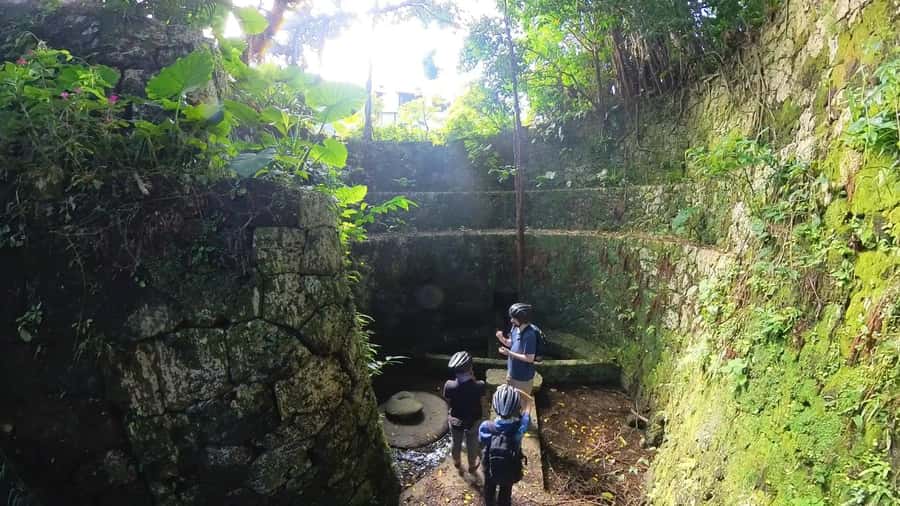
The tour’s crown jewel is exploring Shuri Castle, which served as the capital of the Ryukyu Kingdom. You’ll wander through streets with cobblestones and take in temples and sacred shrines.
This isn’t only about seeing buildings. It’s about understanding religious beliefs and how they shape the way people use spaces—especially in places tied to a kingdom’s center.
The guide’s job here is important: they connect what you’re looking at to the Ryukyu world and help you notice details you might otherwise rush past. In past tours, guides such as Jo-Jo, Aki, Sally, and Maki have been praised for clear explanations and for making people feel safe and supported during the ride.
So if you pick this tour, treat it as a guided walking-and-looking experience that happens to be powered by an e-bike.
The Ride Back Down: Wind, Speed Control, and Easy Return
Heading back is downhill, which means two things: you get that fun coast feeling and you also get to focus on steering rather than grinding. The finish line stays in sight as you approach the original meeting shop.
Because you’ll already be comfortable with the bike by then, this return section is a good time to enjoy the air and the city views without thinking too much about effort.
When you roll back to the shop, you return the bicycles and the tour wraps. After that, you can keep exploring Naha on your own—especially handy if you want to add dinner near your hotel.
Price and Value: $87 for 3 Hours of Guided Motion
At $87 per person for a 3-hour small-group ride (max 5 participants), this isn’t a budget throwaway. But it also isn’t overpriced for what you get.
You’re paying for:
- An English or Japanese live guide
- A helmet with intercom system
- Electric assisted bike rental
- Guided stops tied to water heritage, springs, and Ryukyu traditions
- A structured break at the sweet shop and photo stops
In plain terms, the value comes from saving your energy while packing in multiple meaningful stops. If you’re staying in Naha and want Shuri-area culture plus a surprising nature break, the e-bike format is what makes it feel efficient without being rushed.
What to Bring (and What Not to Expect)
Bring comfortable shoes with good grip. This tour can involve rocky areas and places close to water, where surfaces can feel slippery at times. Avoid high heels or sandals.
You should also plan for basic sun protection if you’re riding in hot weather, since the route includes open areas. And since camera mounts and mobile phone holders aren’t included, think about how you’ll carry your phone or camera safely while biking.
A small group helps here: your guide can usually adjust your pace if the group needs a breather on footing or at stops.
Weather Changes: When the Plan Might Shift
Okinawa weather can switch quickly. If the precipitation probability exceeds 70% or severe weather shows up, the plan may change. In that case, you’ll be contacted from three days before up to the day before.
If you’re on a tight schedule, this is worth keeping in mind when you decide which day to book.
Who Should Book This E-Bike Water Heritage Tour?
I’d point you toward this tour if you want:
- A guided way to connect Naha and Shuri to water, belief, and food
- A chance to see city-meets-nature springs without doing long walks
- An e-bike option that reduces the stress of hills and distance
It’s also a great fit for first-time visitors who want structure but still crave the feeling of real local life.
This tour is not for you if you can’t ride a bike, and it isn’t suitable for wheelchair users.
Should You Book Shuri+Naha: Cycling Tour Explore Water Heritage with E-Bike?
Yes, if you want a short, well-guided ride that combines springs you can hear, Ryukyu royal sweets you can taste, and Shuri Castle culture without tiring yourself out.
Skip it if you’re not confident on two wheels, hate stepping on uneven stone areas, or you’re looking for a purely relaxed sightseeing day with no motion.
If you can ride comfortably and wear grippy shoes, this is one of the more memorable ways to see Naha beyond the typical streets.
FAQ
FAQ
How long is the cycling tour?
It runs for about 3 hours.
Where is the meeting point?
Meet at the bike shop near Makishi Monorail station, next to Makishi Post Office. It’s about a 1-minute walk from the station.
What’s included in the tour price?
You get a guided tour with an intercom-equipped helmet and an electric assisted bicycle rental service.
Does the tour run in English?
Yes. The live guide speaks English and Japanese.
How many people are in the group?
It’s a small group limited to 5 participants.
What should I wear or bring?
Wear comfortable shoes. Since the route may include areas near water and rocky spots, choose athletic shoes or similar footwear and avoid high heels or sandals.
Is there a break during the tour?
Yes. There’s a break and photo stop at Shuri Castle Blue Seal Soft Shop.
Do I need to bring a camera mount or phone holder?
No—camera mounts and mobile phone holders are not included, so plan to use your own method.
What if the weather is bad?
If the precipitation probability exceeds 70% or there is severe weather, the plan may change. You’ll be contacted from three days before up to the day before.
What is the cancellation policy?
You can cancel up to 24 hours in advance for a full refund.
Can young children join?
Children aged 1 to 5 can ride with a child seat attached to the parent’s bicycle, but you’ll need to consult the staff.