REVIEW · KEY WEST
Key West Historic Bahama Village & Hemingway Heritage
Book on Viator →Operated by Florida Keys Ventures · Bookable on Viator
Key West has layers, and this walk shows them. I like how this small-group tour keeps the streets calm, and I love the way guides use historic photos and building-by-building context so you actually understand what you’re seeing. It’s a great way to get beyond the postcard version of Key West fast.
One catch: there are no restrooms on the route, and you should be ready for a 1.4 to 1.8 mile walk in warm weather at a moderate pace. If that sounds like a lot, grab a quick stop before you start at 716 Duval St.
In This Review
- Key points at a glance
- Why this Key West historic walk works so well on a tight schedule
- Setting off from Duval St and ending at Mary Ellen’s
- Stop 1: The Conch Republic story—what it means and who a Conch is
- Bahama Village + Hemingway Heritage: how the guide connects culture to streets
- Stop 2: A landmark pool and the people who built it
- Stop 3: The 1825 maritime symbol—why Key West’s sea story matters
- Stop 4: Green Parrot Bar—from grocery store to local legend
- What you’ll notice as you walk: architecture, photos, and “why that exists”
- Heat, walking pace, and how to set yourself up for comfort
- Small group size: the secret sauce for a better conversation
- Price and value: is $46.99 worth it?
- Who this tour is best for—and who should skip it
- Quick practical checklist before you go
- Should you book this Key West historic district walk?
- FAQ
- What is the duration of the Key West Historic Bahama Village & Hemingway Heritage tour?
- How much does the tour cost?
- Where does the tour start and what time does it begin?
- Where does the tour end?
- How many people are in each group?
- Are ponchos provided if it rains?
- Are food and drinks included?
- Are there restrooms available during the tour?
- What walking distance should I expect?
- What’s the cancellation policy?
Key points at a glance
- Maximum 12 travelers means you’re not swallowed by a big group.
- Historic district walking route connects neighborhoods, architecture, and local legends.
- Ponchos are provided if rain shows up in the afternoon.
- A stop on maritime history dating to 1825 gives you a real sense of Key West’s seafaring past.
- Green Parrot Bar backstory covers how a place can change roles and still feel like home.
Why this Key West historic walk works so well on a tight schedule
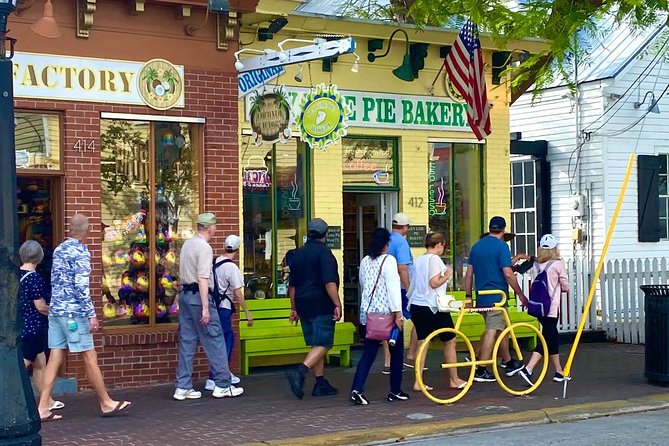
Key West is one of those places where first impressions can feel a little chaotic—bright signs, busy corners, and the constant urge to chase the next cool thing. This tour slows you down in the best way. You walk the Historic District with a local guide who ties together neighborhoods, landmarks, and the stories that explain why the island grew the way it did.
You’re not paying for a checklist of stops. You’re paying for interpretation. That’s the big difference between wandering on your own and having a guide who can tell you what to notice, why it matters, and what questions to ask as you go.
Also, you’ll get a crowd-free feel. With a maximum of 12 people, the tour doesn’t turn into a slow-moving herd. You can ask for clarification, and the guide can steer you toward the details most people miss.
You can also read our reviews of more tours and experiences in Key West.

Setting off from Duval St and ending at Mary Ellen’s
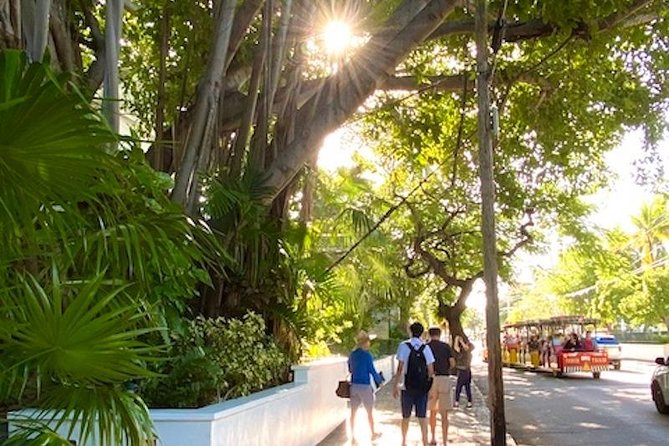
The tour starts at 716 Duval St at 11:30 am. That’s a smart meeting point because Duval is where most first-time plans begin, and it helps you get oriented quickly. The walk ends at Mary Ellen’s Bar & Restaurant at 420 Appelrouth Ln, so you finish near one of the island’s classic gathering spots.
You’ll want to plan the timing with the idea that you’re walking for roughly 1.5 hours (with some departures running closer to a couple hours depending on pace and questions). The route is designed around 1.4 to 1.8 miles of walking in warm weather, so wear comfortable shoes and don’t treat this like a casual stroll in flip-flops.
If you’re driving, there’s a paid parking lot by the fire station at 616 Simonton St. It’s the kind of detail that saves time and stress—because in Key West, every minute you waste searching for parking costs you both comfort and flexibility.
Stop 1: The Conch Republic story—what it means and who a Conch is
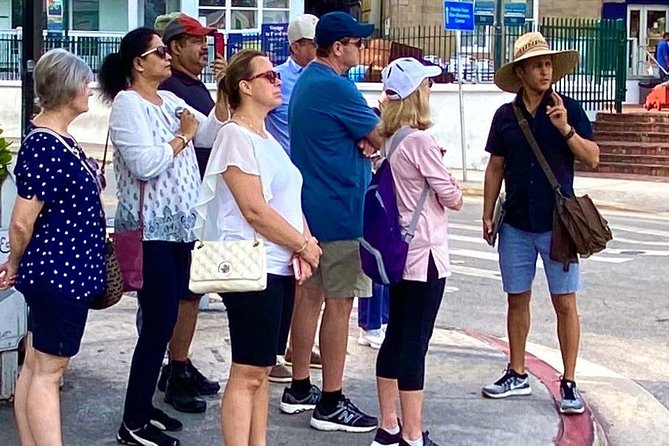
One of the best first lessons you’ll get is that Key West doesn’t just have history. It has attitude. Early in the walk, you learn why the island is also known as the Conch Republic, and who exactly a Conch is.
This matters because it changes how you read everything around you. Instead of seeing Key West as only a tourist town, you start noticing the island’s independence and identity—how local pride shapes local culture, politics, and even the way landmarks are remembered.
It’s also a quick mental shift: you stop thinking only about what Key West looks like today and start seeing what locals have been defending, celebrating, and joking about for years. That makes your time on the rest of the island feel more connected.
Bahama Village + Hemingway Heritage: how the guide connects culture to streets
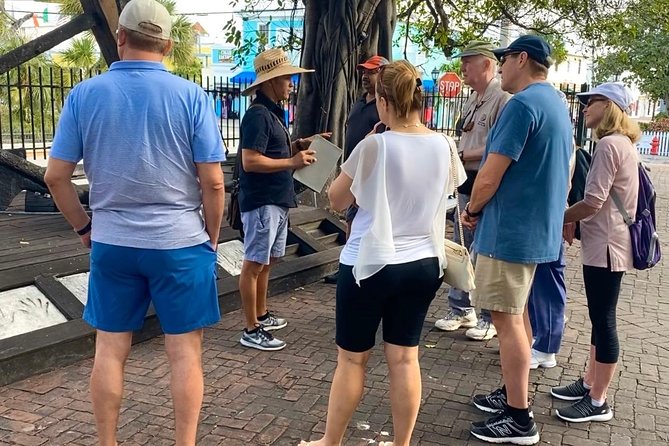
The tour’s focus includes Bahama Village and Hemingway Heritage, and the value is in the connections. You’re not just looking at buildings; you’re learning why neighborhoods took the shape they did and how different communities influenced everyday life.
From the guide’s storytelling style (and the way many groups describe the experience), you’ll likely hear about Bahamian and early Cuban influences that contributed to the historic neighborhoods. You’ll also get a clearer sense of how architecture helped communities grow—what kinds of homes were built, how the layout worked, and why those choices mattered.
If you’ve ever looked at a street in an older city and wondered why it looks the way it does, this is the fix. The guide points out details so the neighborhood reads like a story, not a maze.
And yes—because this is Key West, the Hemingway angle isn’t just a name on a poster. It shows up as part of how the island became known worldwide and how that fame reshaped the island’s identity. You’ll come away thinking differently about what you see in the Old Town.
Stop 2: A landmark pool and the people who built it
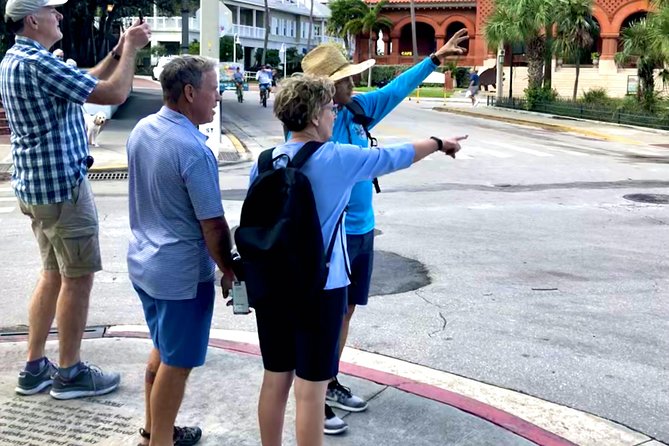
Another early stop zeroes in on a surprisingly specific topic: one of the largest pools on the property and who built it. That sounds oddly niche until you realize what guides are doing here.
They’re teaching you to think like a local historian. A pool isn’t just a pool—it’s a clue about land use, wealth, design choices, and how key island institutions wanted to function. It’s also a way to pull you away from generic “pretty building” sightseeing and into real explanation.
If you like tours where the answers come from real details—like how a site was designed and who paid for it—this section is a good sign you’re on the right tour.
Stop 3: The 1825 maritime symbol—why Key West’s sea story matters
Then comes a striking marker tied to Key West’s maritime past: a tall symbol standing since 1825 that’s described as a window into the island’s seafaring history, with iconic architecture and historic presence.
This part is valuable because Key West’s identity is tied to water, trade, and movement. The island became important for reasons that go far beyond tourism. When you see a landmark with roots back to 1825, you stop treating the Old Town as only aesthetic—and start appreciating the infrastructure and strategic position that shaped everything that followed.
Even if maritime history isn’t usually your thing, the guide’s job is to connect it back to what you’ll recognize today. You’ll likely walk away understanding that the island’s look and layout are tied to its role in shipping, communication, and the lives built around the sea.
Stop 4: Green Parrot Bar—from grocery store to local legend
The tour also passes by the Green Parrot Bar, and you’ll hear why it matters. The guide shares its history dating back to 1890, when it started as a grocery store before becoming one of Key West’s beloved local bars.
What I like about this kind of stop is that it shows change without losing character. You learn how a place evolves in function, but still holds onto the personality that makes people keep returning.
In Key West terms, the Green Parrot is also a symbol of the island’s relaxed social life: a place known for laid-back charm, live music, and quirky decor. If you want to understand why bars here feel different from bars elsewhere, this is a great example.
What you’ll notice as you walk: architecture, photos, and “why that exists”
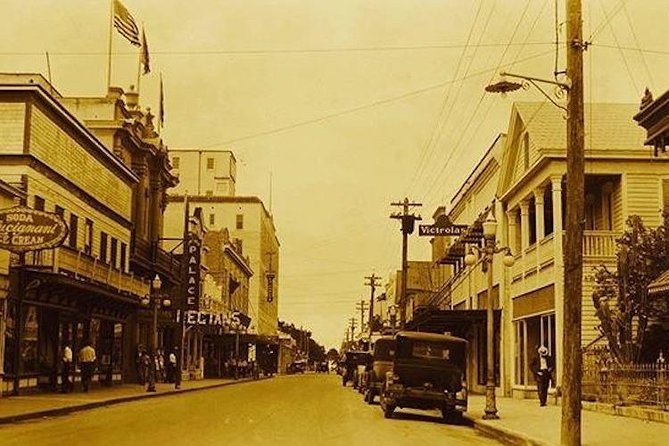
A standout feature of this tour is the guide’s presentation style. Many groups highlight guides like Alejandro and AJ for being engaging, and for supporting stories with visuals—like historic photos shown on a laptop or tablet as you move along.
That matters because it turns you from a passive listener into an active observer. You don’t just hear that a neighborhood changed; you see what’s being referenced: older facades, past community context, and details tied to architecture and cultural influence.
You also pick up a new habit: noticing the edges of the Historic District where it’s easy to miss context on your own. A number of descriptions mention off-street, less crowded areas, plus examples of homes and neighborhood layouts that help you understand growth patterns.
And if you’re the type who likes asking questions, this tour format encourages it. With a max of 12 people, you’re not stuck waiting for your one turn at the end.
Heat, walking pace, and how to set yourself up for comfort
This is a walking tour in warm weather. You should assume you’ll be out in the sun for stretches, and the route expects you to walk 1.4 to 1.8 miles at a moderate pace.
Practical move: bring water, even if you don’t see water sold during the tour. One of the simplest pieces of feedback people give about guided walks is that they wish for an easy water option. Also, start hydrating before you meet.
Rain happens in Key West, and the good news is that ponchos are provided if it’s raining. Still, if rain is heavy or lightning is in the area, the experience is subject to weather decisions. (More on weather rules in the FAQ.)
If you’re traveling with mobility constraints, be honest with yourself. This tour expects moderate physical fitness and real walking distance.
Small group size: the secret sauce for a better conversation
Maximum 12 travelers. That single detail changes the whole tone of the tour.
In a small group, you get a conversation instead of a lecture. The guide can respond to what you’re curious about—architecture, cultural influences, political quirks, or why certain landmarks hold meaning. You also can keep up without constant slowing and restarting.
I also like that there’s a bike rack on site, which signals they plan for practical needs. Even if you won’t use it, it’s a reminder that the tour is organized for real people with real plans.
And because this is a mobile ticket experience, you’re not juggling paper confirmations in a windy street.
Price and value: is $46.99 worth it?
The price is $46.99 per person for about 1 hour 30 minutes. That’s not “cheap,” but it’s not outrageous for a small-group, local-guide walk in Key West’s Historic District.
Here’s why I think it’s a fair value:
- You’re paying for a guide who connects culture, architecture, and local identity instead of just pointing at buildings.
- The small-group size helps you get more interaction per person.
- You see landmarks you’d likely miss without someone steering you, especially around the less obvious streets tied to neighborhood growth.
If your goal is simply to tick off Duval highlights, you can DIY it. But if you want to understand why Bahama Village and Key West’s broader identity look the way they do, a guided walk earns its keep quickly.
Who this tour is best for—and who should skip it
This is a strong fit if:
- you want an intro to Old Town that explains context, not just sights
- you enjoy architecture and neighborhood stories
- you like asking questions and getting real answers
- you want a small-group option that doesn’t feel crowded
It may be a poor fit if:
- you need restroom stops on the route (there are no restrooms provided)
- you’re not comfortable walking 1.4 to 1.8 miles in warm weather
- you’re expecting the tour to include food or drinks (it doesn’t)
It also works well for a first visit, because it gives you the map in your head—plus practical places to revisit once you’ve learned what to look for.
Quick practical checklist before you go
Bring:
- comfortable walking shoes
- sunscreen and a hat (expect sun)
- water for the walk
- a light layer in case the wind changes your comfort
Know that:
- ponchos are available if it rains
- there’s no restroom during the experience
- you’ll walk a moderate distance in warm weather
Also, if you’re a service animal handler, service animals are allowed, and the meeting area is near public transportation. That helps if you’d rather not deal with car logistics.
Should you book this Key West historic district walk?
I’d book it if you want Key West to make sense fast. This tour does that by connecting the dots between Conch Republic identity, Bahama Village culture, and landmark history—from an 1825 maritime symbol to the Green Parrot’s 1890 origins. With guides like Alejandro and AJ leading the story and using historic photos to make the past visible, it’s a smart use of limited time.
Skip it only if walking distance and the lack of restrooms will stress you out. Otherwise, it’s one of the best ways to turn “I’m in Key West” into “I understand Key West.”
FAQ
What is the duration of the Key West Historic Bahama Village & Hemingway Heritage tour?
The tour lasts about 1 hour 30 minutes (approx.).
How much does the tour cost?
It costs $46.99 per person.
Where does the tour start and what time does it begin?
The tour starts at 716 Duval St, Key West, FL 33040 at 11:30 am.
Where does the tour end?
The tour ends at Mary Ellen’s Bar & Restaurant, 420 Appelrouth Ln, Key West, FL 33040.
How many people are in each group?
The tour has a maximum of 12 travelers.
Are ponchos provided if it rains?
Yes, ponchos are provided if it’s raining.
Are food and drinks included?
No. Food & drinks are not included.
Are there restrooms available during the tour?
No. There are no restrooms.
What walking distance should I expect?
You should be able to walk 1.4 to 1.8 miles at a moderate speed in warm weather.
What’s the cancellation policy?
You can cancel for a full refund up to 24 hours in advance. If you cancel less than 24 hours before the start time, the amount you paid is not refunded. The experience requires good weather, and if it’s canceled due to poor weather, you’ll be offered a different date or a full refund.