REVIEW · KOLKATA
Kolkata Heritage Tram Tour
Book on Viator →Operated by Trips & Tours · Bookable on Viator
A tram ride through Kolkata feels like time travel. This Kolkata Heritage Tram Tour is a simple, fun way to get your bearings fast: you glide past big sights like the Maidan and Victoria Memorial, then hop off at neighborhood-level places to understand how the city works. You get a local-first perspective without spending all day stuck in traffic or heat.
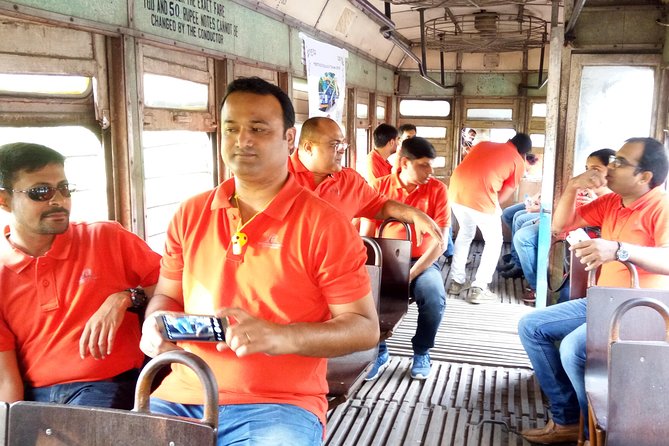
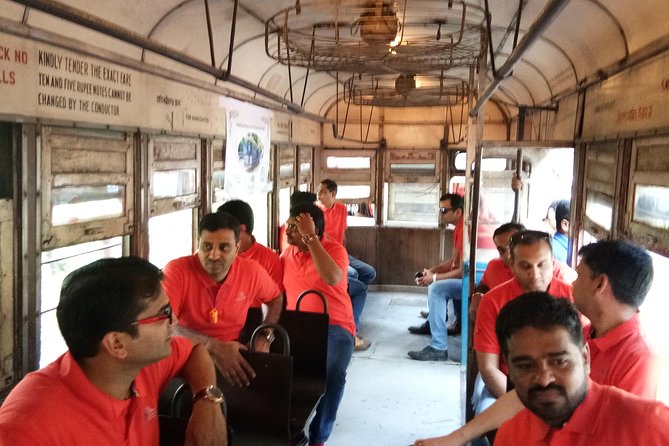
What I like most is the combo of real tram time plus short, well-chosen stops. I especially enjoy the onboard snacks and refreshments, which turns the early start into something you can handle. And the guides I heard praised by name—like Mr. Arif and Haris—bring the route to life with stories tied to specific buildings and communities.
One consideration: it starts early (7:00 am), and the street noise can make hearing the guide tricky if you’re not close. The tour provider even indicated they plan to roll out headsets soon, which should help.
In This Review
- Key things to love about this Kolkata tram tour
- Why Kolkata trams are special—and what this tour teaches you
- The 2–3 hour flow: early start, tram segments, and quick walks
- Birla Mandir and the Birla-family landmarks: temple geometry and Kolkata’s elite footprint
- Sacred Heart Church: Portuguese influence and why it still shapes streets
- Lower Circular Road Cemetery: a working cemetery with thousands of graves
- Tipu Sultan Masjid: architecture and the city’s layered ruler history
- Thoburn Memorial Methodist Church and other Catholic/Protestant landmarks
- Education, institutions, and community care: Maulana Azad College and Church schools
- Tip: keep an eye out for the Urdu language institutions
- Nonapukur Tram: the birthplace of Calcutta Tramways
- Mother House and St. Teresa: quiet reflection after the ride
- Price and value: does $60 make sense for a 2–3 hour tram tour?
- Morning logistics and hearing your guide in street-level noise
- Who this tour fits best (and who might skip it)
- Should you book the Kolkata Heritage Tram Tour?
- FAQ
- How long is the Kolkata Heritage Tram Tour?
- How much does it cost?
- Is pickup available?
- Will I get a mobile ticket?
- Are snacks and refreshments included?
- What time does the tour start?
- How many people are in a group?
- Which stops are included on the route?
- Is admission free at the stops?
- What if the weather is bad or I need to cancel?
Key things to love about this Kolkata tram tour
- Heritage tram ride with old-school cars still in use
- Snacks and refreshments included on the tour
- Landmark route that mixes famous sights with lived-in neighborhoods
- Short stop times that keep the pace manageable in a busy city
- A group size capped at 20, so it stays personal
- Stops tied to many faiths and institutions, from churches and mosques to schools and colleges
Why Kolkata trams are special—and what this tour teaches you
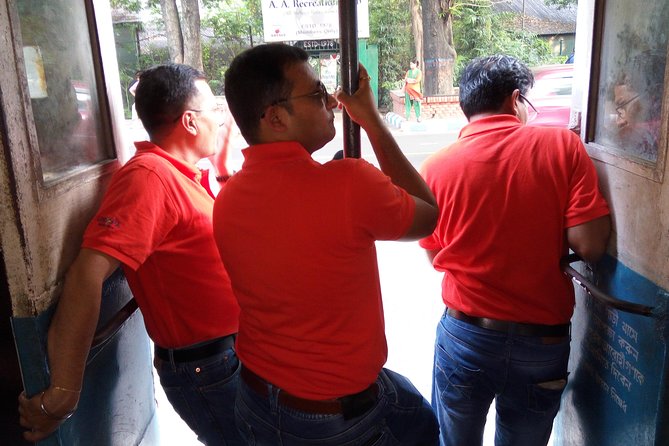
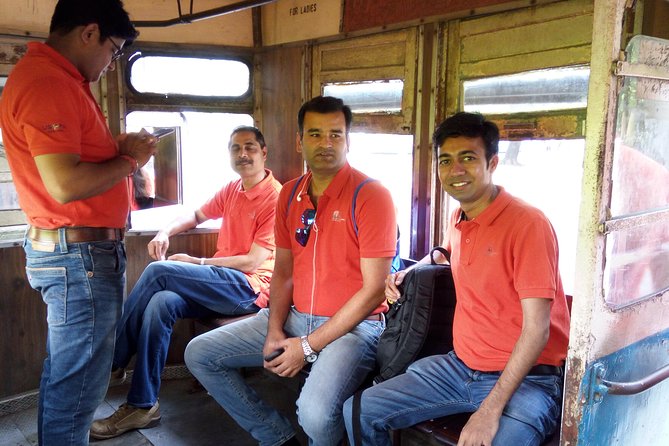
Kolkata is one of the few places in India where you can still ride a tram system with an almost old-world feel. On this tour, that matters because you’re not just “seeing” the city from a car window. You’re moving at a pace that lets details register: architecture, street life, and the way different areas connect.
The route gives you a quick overview of central Kolkata and beyond, with passes by major landmarks like the Maidan and Victoria Memorial. Then you’ll get off at stops that feel more personal than the famous photo spots. You’ll spend your time at places that show how the city grew—through religion, trade, education, and community projects.
You can also read our reviews of more tours and experiences in Kolkata.


The 2–3 hour flow: early start, tram segments, and quick walks
This is a tight experience: about 2 to 3 hours from start to finish. You begin at 7:00 am, which is a smart move in Kolkata. The streets are calmer earlier, so the tram ride feels easier and your photo stops aren’t swallowed by congestion.
The rhythm is straightforward:
- You ride on the tram for stretches.
- You stop briefly at selected landmarks.
- You return to the tram to cover the next area.
The tour also keeps logistics simple with a mobile ticket, and it mentions pickup offered (if you choose that option). It’s also set up with a meeting point near public transportation, which can help if you’re staying without a car.
Birla Mandir and the Birla-family landmarks: temple geometry and Kolkata’s elite footprint
Your tour includes a stop at Birla Mandir, the Hindu temple on Asutosh Chowdhury Avenue in Ballygunge. It’s dedicated to Vishnu avatars like Rama and Krishna, and it’s built by the Birla family. Even if you only spend a short time there, it’s a clean contrast to the rest of the route: you’re shifting from street-level Kolkata to an intentionally designed religious site with strong architectural identity.
The itinerary also lists another landmark built by the industrialist Birla family. You’ll get a chance to see how the Birla name appears across the city in major, visible ways—useful context if you’re trying to understand why certain districts feel more formal and institutional.
What to watch for: keep an eye on how the temple grounds feel set apart from the surrounding streets. That separation helps explain how different Kolkata “worlds” sit side by side.
Sacred Heart Church: Portuguese influence and why it still shapes streets
One of the more story-driven stops is Sacred Heart Church. The tour notes the Portuguese legacy of Bengal as still palpable here, even if it often gets overlooked. You also get the kind of detail that turns a building into a clue: the material mentions an attempt to murder (or at least a street “frac…” in the description you’ll read on-site), tying the church to the sharper edges of city life rather than treating it as only decorative.
The stop is listed for 20 minutes, and admission is marked as free. In practical terms, that’s enough time to:
- Look at the façade and approach
- Note the scale compared to the surrounding area
- Take a few photos without turning the stop into a long detour
Lower Circular Road Cemetery: a working cemetery with thousands of graves
Next up is Lower Circular Road Cemetery, also called General Episcopal Cemetery. The tour frames it as both historic and functional: it was established in 1840 and is still operating.
What stands out is the number: the description cites around 12,000 graves, including the graves of many former residents. It’s a stop that can feel quieter than the rest of the day, and that’s the point. Kolkata’s “heritage” isn’t only about monuments you visit once—it’s also about institutions that keep running.
Tip for your photos: treat this stop with extra care. If you take pictures, do it respectfully and be mindful of people who may be there for reasons beyond tourism.

Tipu Sultan Masjid: architecture and the city’s layered ruler history
At Tipu Sultan Masjid (also called Tipu Sultan Shahi Mosque), the tour ties the building directly to history: the mosque is named after Tipu Sultan, the ruler of Mysore, and it’s presented as an architectural and cultural heritage relic.
Like the church stop, this one is listed for 20 minutes, and the entry is marked free. This makes it ideal for travelers who want a clear, focused look without turning the day into a long series of museum-level visits.
What you’ll learn quickly: Kolkata’s religious landscape isn’t a single story. It’s a layered one, shaped by connections far beyond the city’s borders.
Thoburn Memorial Methodist Church and other Catholic/Protestant landmarks
The tour includes Thoburn Memorial Methodist Church, established in 1873. It’s treated as a heritage landmark of Kolkata, which means you’ll want to look at it as an anchor point—something built when European Christian communities left a strong physical imprint in parts of the city.
You’ll also see The Lord Jesus Church, a Catholic church located in Taltala. The description notes it was formerly a Church of Scotland Presbyterian place of worship and then handed over to the Jesuits in the 19th century (the details in the text you’ll see are cut off, so expect a partial story, not a full timeline).
Why these church stops matter on a tram tour: the tram lets you connect buildings that might otherwise feel unrelated. Up close, you can see how different communities used architecture to mark presence, stability, and identity.
Education, institutions, and community care: Maulana Azad College and Church schools
Kolkata isn’t only about temples and churches. The tour weaves in education and social institutions to show how the city developed through schooling.
One stop is Maulana Azad College, described as a government-administered liberal science and arts college founded in 1926. It’s located near the junction of Rafi Ahmed Kidwai Road and SN… (the address line is truncated in the text), but the important part is the college’s long institutional presence. For many visitors, a quick look at a college campus—or even just hearing its founding context—adds depth to the city’s modern story.
Another stop relates to a community-focused school history: it mentions Pastor Buntain setting up the first Assembly of God Church School in Kolkata in January 1964, starting with 200 children enrolled. The lesson here is practical: Kolkata’s heritage includes the people and organizations that built access to education, not only the buildings that survive.
Tip: keep an eye out for the Urdu language institutions
Two of the stops point toward language and cultural uplift:
- The Muslim Institute, with the foundation laid in July 1902.
- The West Bengal Urdu Academy, described as a heritage institution set up by the Left Front Government when they were in power for upliftment of the Urdu language.
If you’re trying to understand Kolkata as a city of multiple cultures learning to live side-by-side, these stops help. They connect everyday city sounds (and written signs you may notice as you walk) to institutions that worked to preserve language.
There’s also a stop called Heritage Book Store, which fits naturally here. If you like to bring home more than photos—by picking up a book, guide, or local reading—this is one of the moments to do it.
Nonapukur Tram: the birthplace of Calcutta Tramways
Here’s one of the most fun stops if you’re interested in transit history: Nonapukur Tram, listed as the birthplace of Calcutta Tramways. This is where the day shifts from city landmarks into the actual story of the tram system itself.
The stop is 20 minutes with free admission listed. It’s short, but transit history is best when you can see artifacts and context, then move on before it becomes a lecture.
Also, one detail from the ride experience you’ll appreciate: people have highlighted that the tram itself is part of the attraction, including the sense that the mechanical feel is still tied to older systems. That matters because it makes the tour feel like transport history, not only scenic commuting.
Mother House and St. Teresa: quiet reflection after the ride
The final big emotional stop is Mother House, described as Mother Teresa’s House and the final resting place of St. Teresa. The tour lists this for 30 minutes, with free admission.
This isn’t a quick “look and leave” type of site. Thirty minutes is long enough for people to slow down, observe the space, and read what’s important to them. Even if you’re not deeply tied to the story, it’s a powerful contrast to the earlier stop intensity—churches, cemeteries, and colleges. It gives you a human anchor.
Price and value: does $60 make sense for a 2–3 hour tram tour?
At $60 per person, this isn’t a budget throwaway. But the value comes from a few practical pieces:
- You get a guided tram-based route (not just walking).
- You’re covering multiple areas in a short window of 2 to 3 hours.
- Snacks and refreshments are included, which matters more than it sounds when you start at 7:00 am.
- The group size is capped at 20, so you’re not lost in a crowd.
I’d also call it a smart deal if you want structure. Kolkata can be overwhelming for first-timers, and a tram tour gives you built-in flow: you’re shown the landmarks, placed in context, and then released to explore on your own after.
Morning logistics and hearing your guide in street-level noise
The tour starts at 7:00 am. That early start is one of the reasons the experience tends to feel smoother: you have fewer traffic headaches, and the city is easier to read in the cooler light.
The one snag is audio. The tour information points to high noise levels affecting how clearly you hear the guide, and the provider has indicated they’ll implement headsets in the near future. If you’re sensitive to sound, plan to stay within speaking range when the guide talks near stops.
Also, since the route involves tram segments and short walking moments, wear comfortable shoes. This isn’t a long hike, but it is stop-and-go city time.
Who this tour fits best (and who might skip it)
This tour is ideal if you want:
- A first-pass overview of central Kolkata
- A fun way to learn how multiple religious and educational institutions shaped the city
- The transit experience itself, not only a checklist of photos
- A guided route that’s short enough to keep your energy
Consider skipping if you:
- Want only famous monuments with long stays (this is more about quick stop context)
- Hate early mornings
- Need super quiet, museum-like audio (street noise can interfere until headsets are rolled out)
Should you book the Kolkata Heritage Tram Tour?
Yes, if you’re the kind of traveler who likes your days to feel efficient but still meaningful. This is one of those experiences where the transport is part of the story. You’ll ride a heritage tram, snack while you move, and learn through stops that connect places you might otherwise treat as separate.
If you’re short on time in Kolkata, this tour gives you a grounded starting point—especially because it blends big-name sites (like the Maidan and Victoria Memorial) with the everyday texture of churches, mosques, cemeteries, and schools.
FAQ
How long is the Kolkata Heritage Tram Tour?
The tour runs for about 2 to 3 hours.
How much does it cost?
It costs $60.00 per person.
Is pickup available?
Yes, pickup is offered.
Will I get a mobile ticket?
Yes, the tour uses a mobile ticket.
Are snacks and refreshments included?
Yes, snacks and refreshments are provided.
What time does the tour start?
The start time is 7:00 am.
How many people are in a group?
The tour has a maximum of 20 travelers.
Which stops are included on the route?
Stops listed include Birla Mandir, Sacred Heart Church, Tipu Sultan Masjid, Nonapukur Tram, and Mother House, along with additional landmark stops such as Lower Circular Road Cemetery and Maulana Azad College.
Is admission free at the stops?
Some stops list admission as free (for example Sacred Heart Church, Tipu Sultan Masjid, Nonapukur Tram, and Mother House). The tour includes these free-admission stops as part of the itinerary.
What if the weather is bad or I need to cancel?
The experience requires good weather. If it’s canceled due to poor weather, you’ll be offered a different date or a full refund. You can cancel for free up to 24 hours in advance for a full refund.