REVIEW · MESSINA
Milazzo and Tindari Sicily: the heritage experience
Book on Viator →Operated by DISCOVER MESSINA SICILY · Bookable on Viator
Two towns, one ancient thread. This heritage-focused trip links Milazzo and Tindari into a single story, with a guide helping you decode what you’re seeing instead of just taking photos. You get to swap busier Messina streets for quieter ruins and a working sanctuary, plus that higher-altitude feel of the Nebrodi mountains over the northern coast.
I love the way the tour is set up around interpretation: the guide’s live commentary helps you notice details in the fortress walls and the sanctuary area, so the time feels useful. I also like the value math, because the plan includes entry tickets to Castello di Milazzo and Tindari’s archaeological area, along with a walking tour and a hassle-light mobile ticket.
One consideration: it’s a 7 to 8 hour day and it asks for moderate physical fitness, plus the experience depends on good weather. Also, food and drinks are not included, so you’ll want to plan for breaks yourself.
In This Review
- Key highlights you’ll care about
- How This Milazzo and Tindari Heritage Tour Works from Messina
- Castello di Milazzo: Sicily’s Biggest Walled City in One Hour
- Teatro Greco: Reading the Greek Theatre Instead of Just Looking at It
- Santuario della Madonna di Tindari and the Black Madonna
- Nebrodi Mountain Views and the Northern Coastline Ride
- Price and Value: What $165.61 Includes (and What It Doesn’t)
- About the Guide Experience: What to Expect in Real Terms
- Who This Milazzo and Tindari Tour Suits Best
- Should You Book Milazzo and Tindari Sicily?
- FAQ
- How long is the Milazzo and Tindari tour?
- Is pickup available from Messina?
- What’s included in the ticket price?
- What language is the tour in?
- Is the tour suitable for everyone physically?
- What if the weather is poor?
Key highlights you’ll care about
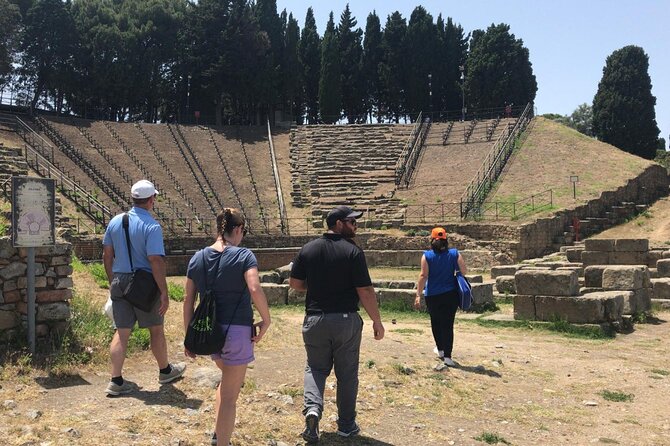
- A guide who explains what you’re looking at at each historic stop
- Castle and theatre tickets included, so you’re not chasing admissions
- Santuario della Madonna di Tindari and the meaning behind the Black Madonna
- Views from the Nebrodi area over the northern coastline
- Private group format, with pickup options from Messina
How This Milazzo and Tindari Heritage Tour Works from Messina
This tour runs out of Messina and is built for a smooth, single-day loop: pickup, ride time, a short walking circuit at each main site, then back out again. The schedule is roughly 7 to 8 hours total, and each of the three stops is about an hour. That hour-per-stop rhythm is a sweet spot. It’s long enough to move around and get oriented, but short enough that you’re not exhausted by one single site.
If you’re coming from a cruise ship, you’ll meet the operator inside the port at Gate 5, where they’ll hold a sign with your name and a flag showing a lion head logo. If you’re not on a cruise, you’ll meet at the office of DISCOVER MESSINA SICILY at Via I Settembre, 110, about 45 minutes before departure. Either way, I’d treat that early arrival as smart insurance. It keeps the day calm when you’re coordinating between ship timing and local transport.
Language is English, and there’s live commentary on board. That matters because the day isn’t just about location names. The guide’s job is to connect the dots so Castello di Milazzo, the Greek theatre, and the sanctuary don’t feel like three unrelated stops.
This is also a private tour/activity, meaning only your group participates. That’s a big deal for pacing. You can usually ask more direct questions and spend less time waiting for a large crowd to gather and move.
Castello di Milazzo: Sicily’s Biggest Walled City in One Hour
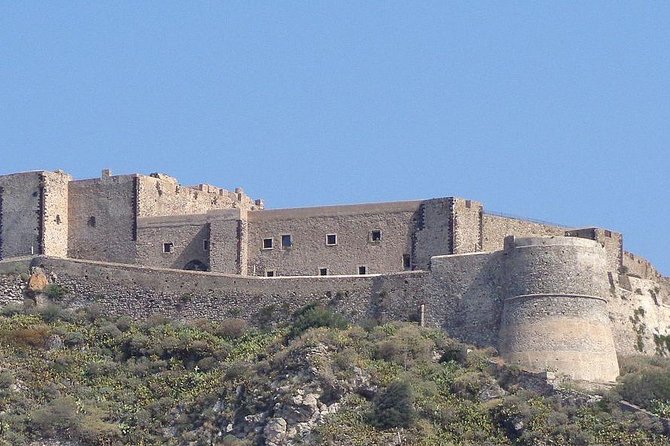
Castello di Milazzo is the fortress core for the ancient city, and it’s famous for one key idea: this area, with its fortified walls around it, is the largest walled city in Sicily. That single sentence helps you understand what you’re about to see. You’re not walking through a small ruin. You’re looking at a major defensive footprint, the kind of structure that shaped where people lived, moved, and survived.
Plan on an hour here, including your admission ticket. With that time, your best strategy is to let the guide set your bearings first. Fortifications can feel repetitive if you only look at walls. But when you’re shown how the fortified area worked—how the layout supported defense and control—you start noticing the logic in the stonework.
What I particularly like about this stop is that it anchors the day in a very physical, tangible past. Unlike a museum where everything is behind glass, a castle area forces your body to understand the place: slopes, edges, vantage points, and how big the enclosure really feels.
A possible drawback: if you’re expecting a fully restored castle with lots of indoor rooms, you’ll want to calibrate. This is a heritage/archaeological setting, so part of the value is in interpretation, not polished finishes. Bring comfortable shoes and treat the walk as the point.
Teatro Greco: Reading the Greek Theatre Instead of Just Looking at It
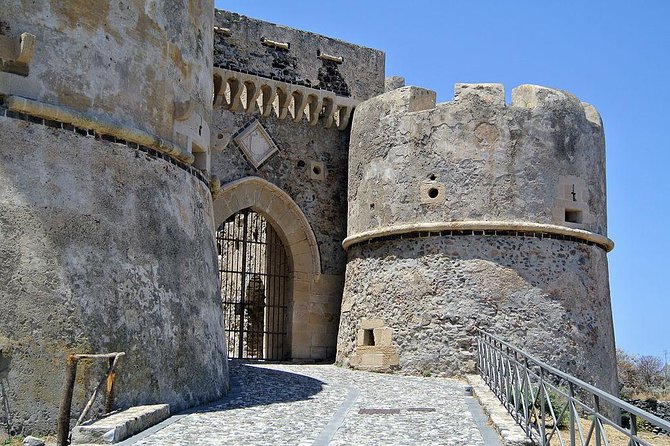
After Milazzo’s walls, you move into a different kind of ancient landmark: Teatro Greco, the Greek theatre. In a lot of places, theatres feel like architecture you pass by on your way to something else. Here, it’s framed as the ancient symbol of the city, which changes how you’ll experience it.
You’re given about an hour at this stop, with the admission ticket included. That time is ideal for understanding three things:
- how Greek theatres were designed around sight lines,
- why location and elevation mattered,
- and how ceremonies and community life played out in public spaces.
Even if your Roman-era or Greek-era vocabulary isn’t perfect, the guide’s live commentary should help you translate what you see. A theatre isn’t just seats and stone. It’s acoustics, crowd movement, and a public stage.
My practical advice: stand in a couple different spots as directed by the guide. The value of a Greek theatre is in how it relates to the surrounding area. If you stick to one viewpoint, you might miss why locals built it where they did.
One more thing: this stop is short, by design. If you start to feel rushed, remember that this tour is balancing three different heritage types—fortress, theatre, and sanctuary. That balance is the payoff.
Santuario della Madonna di Tindari and the Black Madonna
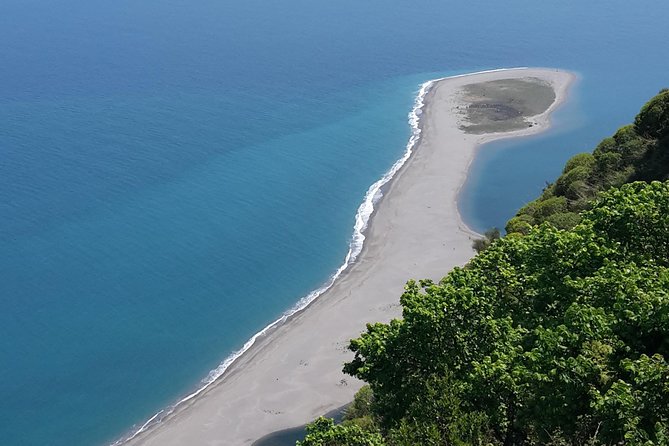
Tindari’s sanctuary is the emotional anchor of the day. Santuario della Madonna di Tindari is conserved for a specific reason: it holds the statue of the Black Madonna, described as the symbol of the city. That isn’t a generic decoration or a background attraction. The statue’s presence shapes how people experience the sanctuary, and it helps explain why this place has staying power.
You’ll spend about an hour here, and the admission to the archaeological area of Tindari is included. Expect a walking experience tied to the sanctuary grounds and the associated historic elements. Because it’s a religious site, your best approach is respectful and flexible. Some areas can feel more contemplative than archaeological, even while you’re learning the heritage context.
Here’s what you’ll get from having a guide rather than doing this stop on your own: you’ll better understand how symbols work over time. A city symbol like the Black Madonna doesn’t just belong to the past. It influences how current visitors and locals relate to the place.
Consideration to keep in mind: you’ll want to dress for the day. Even if you’re not told anything specific in advance, sanctuary visits usually mean more walking and time spent standing. If you’re carrying a bag, keep it simple so you’re not wrestling with zippers and straps all hour.
Nebrodi Mountain Views and the Northern Coastline Ride
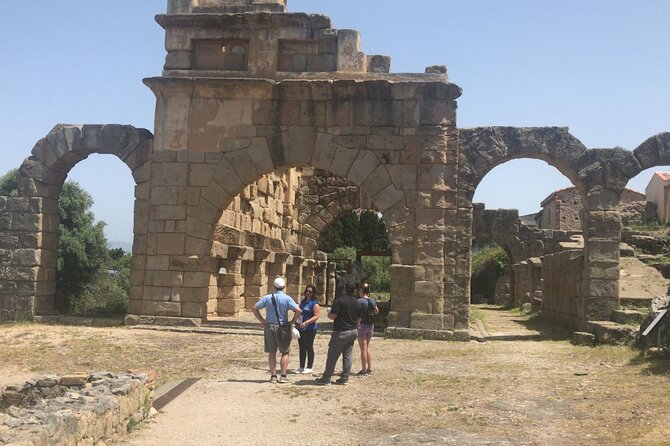
Between the sites, you’ll likely feel the change in scenery. The highlights for the day include views from the Nebrodi mountains over the northern coastline. That’s not just a nice photo moment. It adds context to why these cities mattered in the first place.
Northern Sicily’s coastlines and hills often look dramatic from above, and that elevation helps you grasp the geography: where people could see approaching routes, where communities could spread safely, and how communication might have worked across valleys. When you’re coming from Messina, this elevation shift helps the day feel like a real escape rather than a checklist tour.
If you’re the type who likes to take photos, the ride segments are where you’ll get the easy ones. If you’re more focused on ruins, the views still matter because they change your understanding of the buildings. A fortress wall means more when you can picture the reach of the surrounding area.
Tip for your own comfort: bring water. Even though food and drinks aren’t included, you can usually pace yourself better with a bottle on hand, especially if the day’s weather is warm.
Price and Value: What $165.61 Includes (and What It Doesn’t)
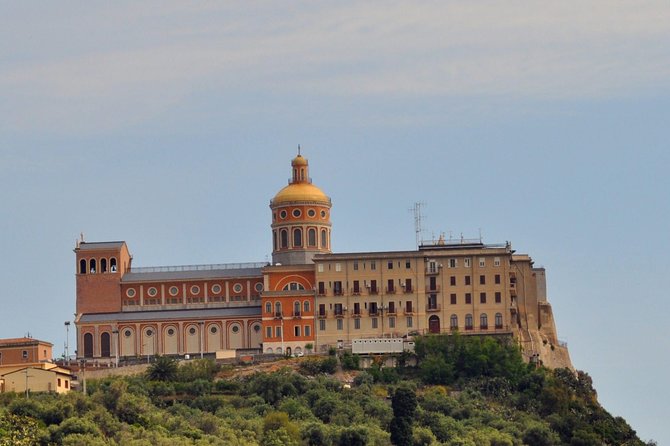
At $165.61 per person, the price can look straightforward until you break down what’s actually bundled. This tour includes:
- a professional tour guide and live commentary,
- entrance tickets to Castello di Milazzo and the archaeological area of Tindari,
- a walking tour,
- pickup assistance tied to Messina cruise port logistics,
- liability insurance and taxes,
- and a mobile ticket.
When those admissions are included, your day becomes less about scheduling and more about learning and walking. That’s real value. If you were to DIY this, you’d still spend time figuring out how to connect the sites efficiently, plus you’d pay for each entry separately.
What isn’t included is equally important: food and drinks aren’t part of the package, and private expenses are on you. So think of the day’s total cost as tour price plus your meals/snacks.
My quick budgeting advice:
- Plan one meal or at least a longer snack break for the middle of the day.
- Bring something small you can eat without fuss, because “heritage day” sometimes means your best eating window is when it fits the walking pace.
Also, the tour says it requires good weather. That’s a value factor too. If weather turns rough, you’ll need flexibility in your plans.
About the Guide Experience: What to Expect in Real Terms
The tour emphasizes interpretation, and that shows up in the way it’s described: a guide is there to help you interpret the ancient ruins and sanctuary in Tindari. In the feedback that comes through with this tour style, the big praise is for guides who are prepared and able to tailor attention to what matters most to you.
One guide name that stands out in the provided information is Sara. The feedback notes she’s well prepared, and that she can adapt the tour focus based on what you care about most, while keeping the tone friendly and easy. Even if you don’t get Sara, this is the kind of guide approach to expect: explanation first, not just leading you from one gate to another.
For you, that means less guessing. Instead of wondering what you’re looking at, you’ll get a guide to give you the “why” behind the “what.” That’s especially useful at places like a fortress complex and a theatre, where details are meaningful but not always obvious.
Who This Milazzo and Tindari Tour Suits Best
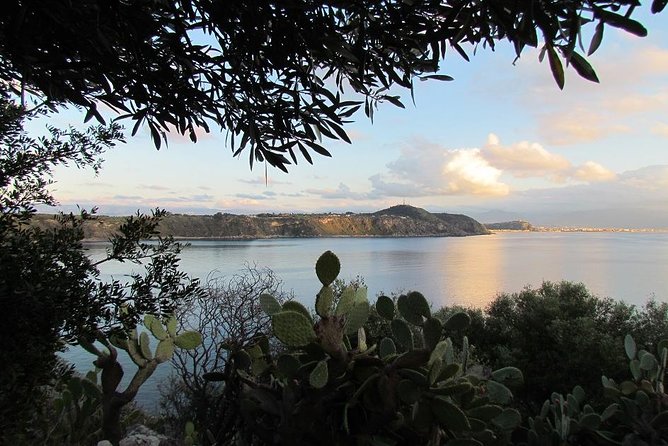
This is a strong match if you want a heritage day with variety. You’re getting:
- a fortress/walled city setting at Castello di Milazzo,
- a Greek theatre stop that helps you understand civic space,
- and a sanctuary tied to the Black Madonna and local identity.
It’s also a good fit if you’re staying in Messina and don’t want to spend your limited time on logistics. Pickup is offered, commentary is included, and you’re not forced into planning how to connect multiple sites.
The moderate fitness note matters. If you can handle steady walking and time spent standing at heritage sites, you should be fine. If you’re dealing with mobility limits, you’ll want to evaluate your comfort with walking and outdoor terrain.
This private group format makes it ideal for couples, small families, and friends who want a guided day without a crowd dynamic.
Should You Book Milazzo and Tindari Sicily?
I’d book this tour if you’re trying to get a lot of meaning out of a single day from Messina. The entry tickets included and the three-stop structure make it a good value, and the guide-led interpretation is the difference between seeing ruins and actually understanding them.
I’d hesitate if you’re mainly after food-and-beach time, or if your group needs very long breaks and lots of sit-down meals, since food and drinks aren’t included. Also, plan your expectations around good weather. This kind of day runs best when visibility and walking comfort are on your side.
If you want a calm escape from Messina crowds and you like heritage that connects architecture to local identity, this is a smart way to spend your hours.
FAQ
How long is the Milazzo and Tindari tour?
The total duration is about 7 to 8 hours.
Is pickup available from Messina?
Yes. Pickup is offered. Cruise ship passengers meet inside the port at Gate 5, and non-cruise guests meet at DISCOVER MESSINA SICILY in Via I Settembre, 110, about 45 minutes before departure.
What’s included in the ticket price?
The tour includes a professional tour guide, live commentary on board, entrance tickets to Castello di Milazzo and the archaeological area of Tindari, a walking tour, Discover Messina Travel Assistance, liability insurance, taxes, and a mobile ticket. Food and drinks are not included.
What language is the tour in?
The tour is offered in English.
Is the tour suitable for everyone physically?
The tour is intended for travelers with a moderate physical fitness level.
What if the weather is poor?
The experience requires good weather. If it’s canceled due to poor weather, you’ll be offered a different date or a full refund. You can cancel up to 24 hours in advance for a full refund.