REVIEW · NARA
Nara: Cultural Heritage Tour by Rickshaw
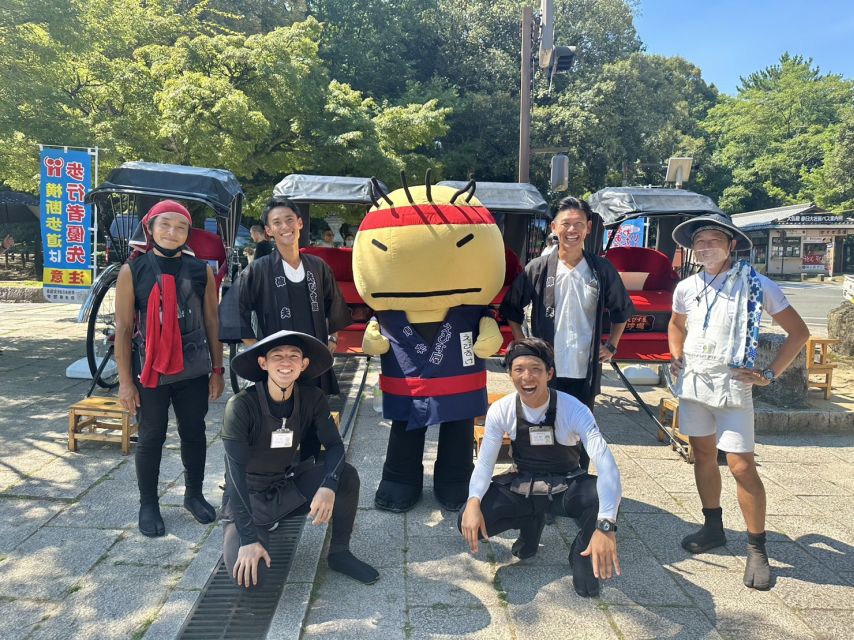
Book on GetYourGuide →Operated by Ebisuya Rickshaw · Bookable on GetYourGuide
One good ride can beat hours of walking. This private Nara rickshaw tour takes you past major sights at a pace you control, with photo stops and a guide who can steer you toward what you care about. I like two things most: the chance to see big-name temples without crowd stress, and the hands-on moment of feeding deer with provided biscuits. The only real catch is that the deer can be more of a problem near Todaiji, so you’ll want to follow your guide’s lead.
If you pick your option right, you get a very focused Nara experience. Go short for Mt. Wakakusa and deer views, go medium for Buddhist statue detail, or go longer for world-heritage hits plus a sake stop in a classic old-town lane. Just note that admission fees for temples aren’t included, so budget a bit extra if you want to go inside everything.
In This Review
- Key reasons this rickshaw tour is worth your time
- Meeting at Todaiji: the perfect start point for Nara
- Choose Your Route: Mt. Wakakusa, Unkei statues, or World Heritage plus sake
- The 70-minute option: Mt. Wakakusa and gentle deer
- The ~130-minute option: Unkei Buddhist statues
- The ~190-minute option: World Heritage sites, Naramachi, and sake
- Todaiji Temple area: how the big Buddha sets the tone
- Mt. Wakakusa in the 70-minute window: grass hills and skyline views
- The Unkei statue route: for people who actually care about Buddhist art
- World Heritage + Naramachi + sake: the Nara day that feels most complete
- The private guide factor: control, clarity, and better stops
- Price and value: what $77 per person really buys
- Practical rules that affect comfort: selfie sticks, time, and the deer
- Who this tour fits best (and who should skip it)
- Should you book the Nara Cultural Heritage Rickshaw Tour?
- FAQ
- Where do we meet for the rickshaw tour?
- Are the rickshaws private or shared?
- Can I feed the deer during the tour?
- What’s included in the price?
- How long is the tour?
- Is the tour suitable for strollers or wheelchairs?
Key reasons this rickshaw tour is worth your time
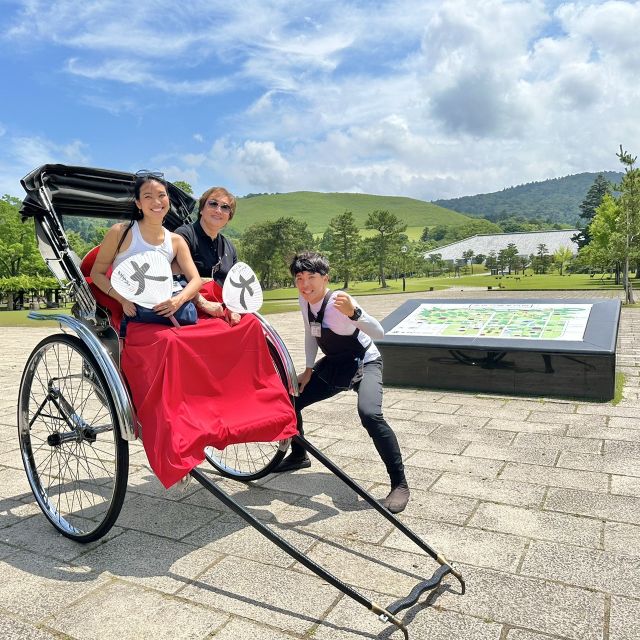
- Private and customizable: You’re not stuck with a one-size-fits-all route.
- Choose your Nara theme: Deer and grassland, Unkei statue focus, or World Heritage plus sake.
- Photo stops built in: You’ll pause at good spots instead of hunting for them on the fly.
- Deer-biscuit moment: You can feed the gentle deer on Mt. Wakakusa.
- A rickshaw pace that fits the real world: 70 to 130 minutes (and a longer ~190-minute option) means less fatigue for more sightseeing.
Meeting at Todaiji: the perfect start point for Nara
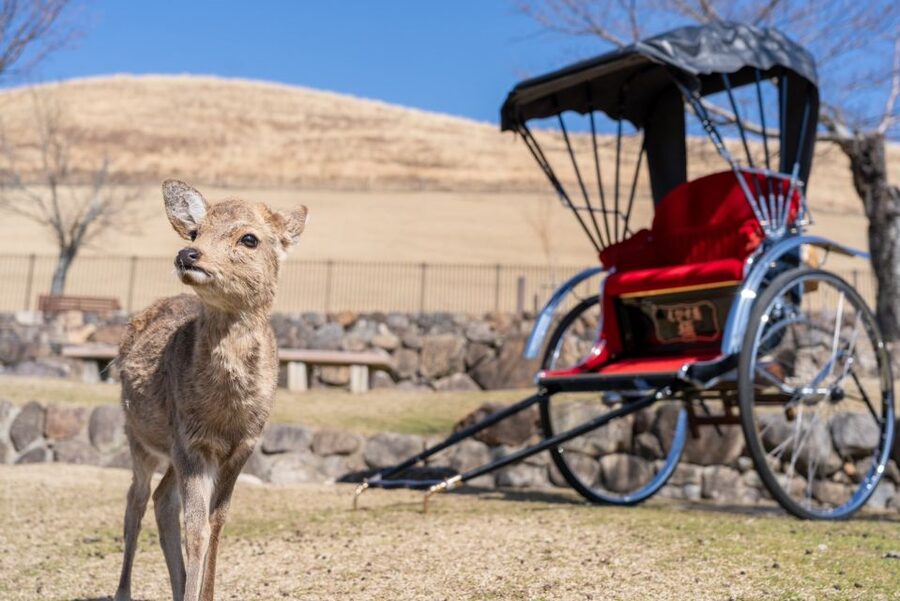
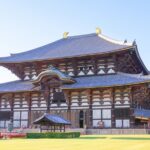
You begin right near Todaiji Temple, at the intersection just outside the area connected to one of Nara’s biggest draws: the Daibutsu, the world-famous bronze Buddha Vairocana. The whole vibe of this start is practical. You’re already in the temple zone, so you don’t burn time getting oriented.
This matters because Nara can feel intense at peak hours—especially around the main sights and deer areas. Starting here lets you jump into the experience fast, then move outward based on your option.
Also, this tour is built around a private rickshaw, so you’re not competing for space or timing. Your guide can adjust the ride to your pace and interests without making it feel like you’re on a checklist race.
You can also read our reviews of more tours and experiences in Nara.
Choose Your Route: Mt. Wakakusa, Unkei statues, or World Heritage plus sake
This is a tour with three “personality types,” and your choice changes the whole feel.
The 70-minute option: Mt. Wakakusa and gentle deer
This shorter route heads away from the historical temples and shrines and into the green stretch of Mt. Wakakusa, a hillside covered with grass. On clear days, you get views across Nara’s skyline—exactly the kind of scene that’s hard to create if you’re stuck on a tight schedule.
And then there are the deer. You’ll feed the deer using deer biscuits provided by the company, and these deer on Mt. Wakakusa are described as gentle.
The ~130-minute option: Unkei Buddhist statues
If you love Buddhist art and craftsmanship, the longer statue-focused option makes sense. It’s centered on Buddhist sculptors’ work, with stops around halls connected to Kofukuji Temple and then a key Todaiji stop: the Nandaimon Gate area.
This isn’t just a “look and move” plan. Your guide provides detailed explanations as you pass from hall to hall, which is what makes a statue tour feel worthwhile instead of confusing.
The ~190-minute option: World Heritage sites, Naramachi, and sake
For the full Nara flavor, the longer heritage-style option hits Todaiji Temple and Kasuga Taisha Shrine and includes a ride through Naramachi, where the old townscape remains. You also stop at a traditional sake brewery for samples, and you can buy a bottle to take home.
This version is great if you want Nara to feel like a day out, not a quick hit between trains.
Todaiji Temple area: how the big Buddha sets the tone
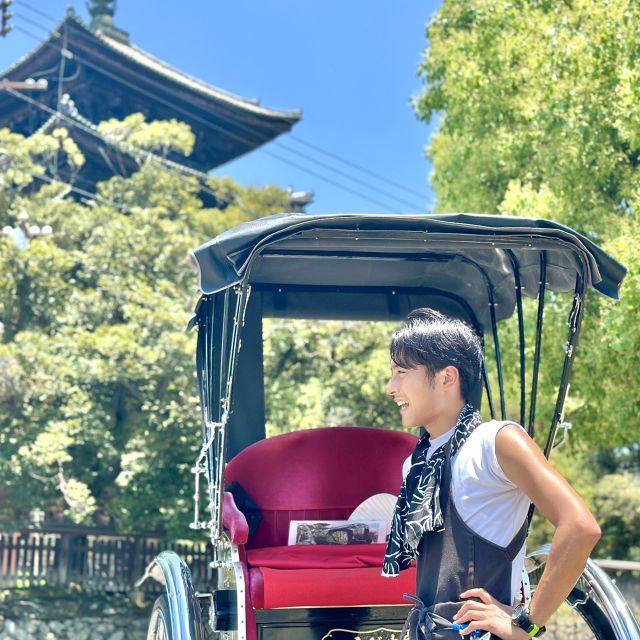
Even if you don’t linger forever at the start, Todaiji shapes the whole ride. It’s the kind of place that gives you instant context for why Nara matters—Buddhism at full scale, with the Daibutsu bronze Buddha as the headline.
Your rickshaw also moves you away from the busiest pocket at your own pace. That’s where a private setup earns its keep: you don’t get trapped by the flow of people or by waiting for someone else’s group timeline.
A note on deer: the information here distinguishes between places. The deer near Todaiji are described as ferocious, while deer on Mt. Wakakusa are gentle. Your guide will guide you through the safest way to experience it, so don’t try to freestyle with deer.
Mt. Wakakusa in the 70-minute window: grass hills and skyline views
The short option is ideal when you want a change of scenery from the temple crowd. You’ll move through areas connected with old religious sites, then trade that density for Mt. Wakakusa’s grassy hillside.
What you gain is space. Even without super-long hikes, it feels like Nara has breathing room. If the day is clear, you can see Nara city’s skyline from the mountain area. That view payoff is a big reason people like the shorter tour: it compresses the best “Nara scenery” into a manageable time block.
Then comes the deer moment. You’ll be able to feed them with provided deer biscuits, and because they’re described as gentle here, it’s easier to enjoy the interaction without feeling like you’re in a total chaos zone.
Practical tip: if you want a calmer deer-feeding experience, follow your guide’s instructions and keep things steady. Deer behavior can change fast when people crowd in.
The Unkei statue route: for people who actually care about Buddhist art
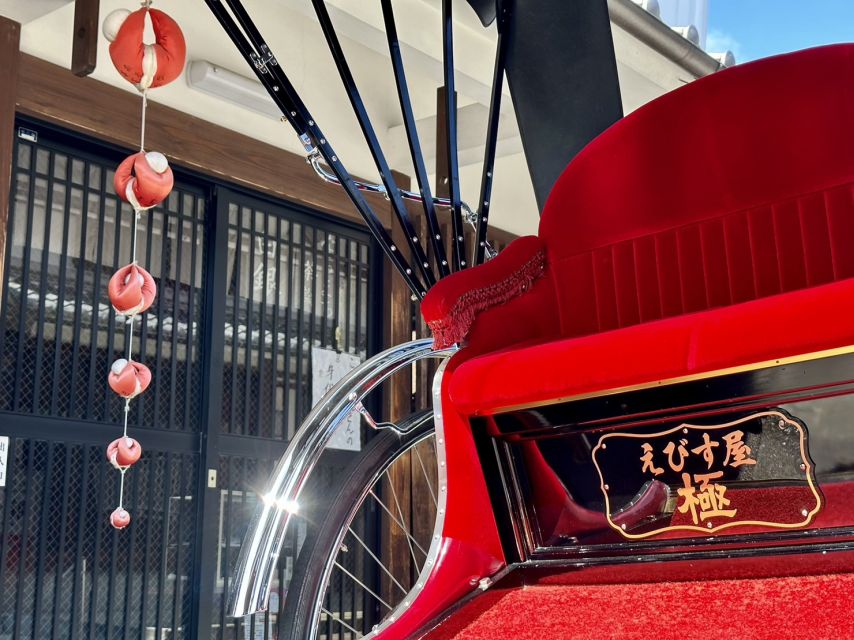
The statue-focused option is built for a specific kind of curiosity. Instead of just getting you to famous landmarks, it puts emphasis on the Buddhist statue tradition and the sculptors behind it.
You visit multiple halls tied to Kofukuji Temple, including the National Treasure Hall, Tokondo Hall, and Chukondo Hall. Then you move to Todaiji’s area around the Nandaimon Gate. That combination works because Kofukuji gives you depth, and Todaiji gives you scale.
Why this option feels different: when someone explains what you’re looking at—style, sculptor skill, and what makes the works significant—you’re not just staring at stone and bronze. You’re learning a visual language.
One more practical upside: if you’re traveling with someone less excited by deer or big open outdoor spaces, a statue route often lands better. It’s still Nara, but the attention stays on art and craft.
World Heritage + Naramachi + sake: the Nara day that feels most complete
If your goal is “classic Nara,” the longer heritage option is the one. You hit Todaiji Temple and Kasuga Taisha Shrine, both World Heritage sites, and you ride through Naramachi—the part of town where the older streetscape still shows its character.
Naramachi matters because it slows your brain down. Temples can be overwhelming if you’re moving fast. Old town lanes create a different rhythm, with streets that feel more human-scale than the main tourist routes.
Then you add sake. You’ll visit a traditional sake brewery in Nara, sample sake, and you can purchase a bottle to take home. That’s a memorable add-on because it turns a stop into a small sensory experience—not just a photo and out.
If you’re picking between “more temples” and “more Nara flavor,” this option is the best blend.
The private guide factor: control, clarity, and better stops
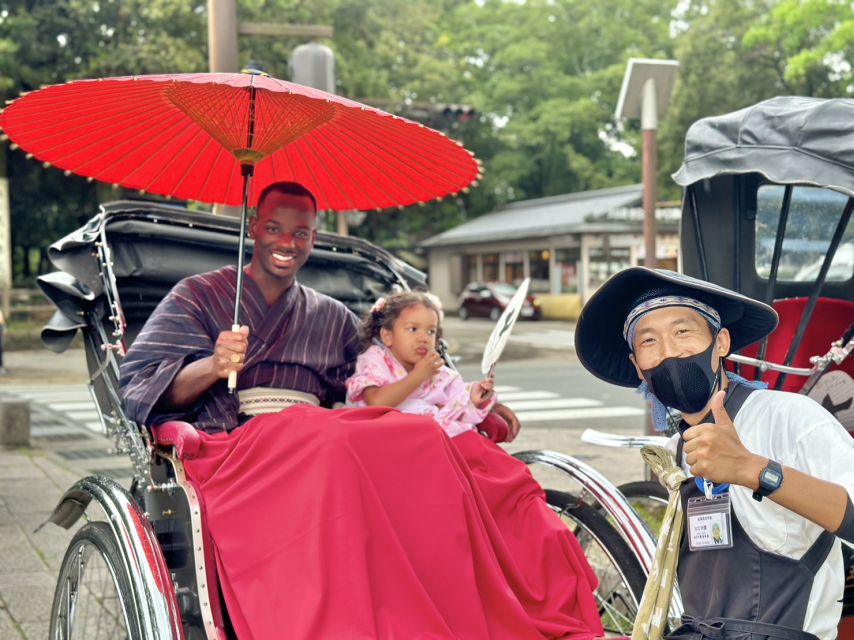
This is a private group tour, so your guide can respond in real time. You’re not stuck following a script when your eyes catch something interesting or when your timing gets slower near the deer.
Your guide also helps with context. Instead of guessing, you get explanations for what you’re seeing—especially on the statue option, where detail is the whole point.
You’ll likely spend time on photo stops at Instagrammable spots along the route. That sounds simple, but it changes the day. You’re guided to good angles instead of spending your ride looking for the right place.
One thing I’d pay attention to: since this is private, you can ask for where you want the day to end. The tour generally finishes near the starting point, but the finishing location can be customized with your guide.
Price and value: what $77 per person really buys
At $77 per person, this isn’t a “budget throwaway” activity. You’re paying for three things: the private rickshaw itself, the guide time, and the convenience of being able to choose your route.
The big value play is that you’re buying more “sightseeing efficiency” than you would with a self-guided approach, especially if you want temple highlights plus deer time without turning your day into a marathon.
One practical cost note: admission fees to temples are not included. So your final spend depends on which interiors you want to enter. If you’re the type who wants to see everything inside, plan for extra costs. If you’re more focused on exteriors, gates, and guided context, the budget stays tighter.
Also, there’s a capacity detail: a rickshaw fits up to 2 adults. If you’re sharing, you often feel the value more than if you’re booking alone.
Practical rules that affect comfort: selfie sticks, time, and the deer
A few details can make or break the comfort level.
First: no selfie sticks. If you travel with one, leave it behind. Rickshaw space is tight, and the rule is there for safety and practicality.
Second: the rickshaw is designed to be wheelchair- and stroller-friendly. That’s a plus if mobility tools are part of your travel setup.
Third: don’t ignore the deer warning. The tour info specifically notes that deer near Todaiji are ferocious, while deer on Mt. Wakakusa are gentle. So if deer are a major goal, the shorter Wakakusa option is the safer-feeling choice. If you’re visiting Todaiji anyway, treat deer like a live hazard zone and follow your guide’s cues.
Finally: the rickshaw is compact (about 74 cm wide). It may be more comfortable for larger groups to book individual rickshaws, especially if you’re more sensitive to tight spaces.
Who this tour fits best (and who should skip it)
This tour is a strong match if you want Nara without heavy logistics. You’ll enjoy it most if you like temples and want a guided pace, or if you want art explanations for Buddhist statues, or if you want deer and a hillside view without committing to hiking.
It’s also a good family format in theory because kids are accommodated. However, there are specific rules: children under 5 can ride with adults on an adult’s lap (up to 2 children). And if a child 5-year-old is using one of the two seats, that child needs to be booked as an adult for full fare.
Skip or reconsider if you have specific physical limits. The tour is not recommended for expecting mothers in their first 16 weeks and not suitable for people with back problems.
Should you book the Nara Cultural Heritage Rickshaw Tour?
Book it if you want a guided Nara day with real control over pacing. The private setup is the heart of the value, and your option choice is the heart of the enjoyment. If you’re curious about Buddhist sculpture, the Unkei-focused route makes the day feel like more than sightseeing.
Don’t book it if you’re dealing with back issues or you’re in the first 16 weeks of pregnancy and want to be extra cautious. And if your main goal is deer at the busiest spot, know that Todaiji-area deer are described as ferocious, so go in with caution or consider the Mt. Wakakusa option.
If you want the simplest decision tool: choose Mt. Wakakusa for gentle deer and skyline views, choose Unkei statues for Buddhist art depth, and choose World Heritage + sake if you want the most complete Nara flavor in one outing.
FAQ
Where do we meet for the rickshaw tour?
Your meeting point may vary depending on the option booked, but the ride starts just outside the intersection by Todaiji Temple.
Are the rickshaws private or shared?
This is a private group tour, so you ride in your own rickshaw arrangement based on the party size rules.
Can I feed the deer during the tour?
Yes. Deer biscuits are provided, and feeding is included. The deer on Mt. Wakakusa are described as gentle, while the deer near Todaiji are described as ferocious.
What’s included in the price?
The tour includes a private rickshaw, a local guide, and photo stops at spots along the route. Admission fees to temples, as well as snacks and drinks, are not included.
How long is the tour?
You can choose options that match different interests: about 70 minutes, about 130 minutes, or a longer world-heritage and sake option around 190 minutes.
Is the tour suitable for strollers or wheelchairs?
Yes. The rickshaws are wheelchair- and stroller-friendly, but the tour is not recommended for people with back problems.