REVIEW · CHATTANOOGA
National Medal of Honor Heritage Museum Admission Ticket in Chattanooga
Book on Viator →Operated by National Medal of Honor Heritage Center · Bookable on Viator
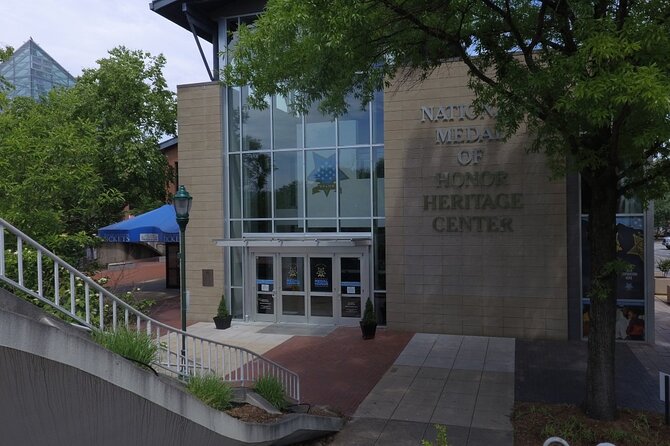
A museum that reads like a mission report. The National Medal of Honor Heritage Center in downtown Chattanooga combines a theater presentation with real stories of recipients, not just name-and-date history. I especially like how the visit is anchored by 6,000+ objects that bring the Medal of Honor’s long arc into focus.
One real-life drawback: parking in Chattanooga can be frustrating, so plan for extra time if you drive.
In This Review
- Key Highlights You’ll Actually Care About
- Entering the National Medal of Honor Heritage Center: Fast Context First
- Mobile Ticket, Theater Time, and Getting Your Bearings
- Downtown Chattanooga Logistics: Public Transit Wins, Parking Can Hurt
- The 6,000+ Objects Story: Why the Collection Feels More Real
- The Recipient Stories: From Battlefield Choices to Everyday Service
- Theater and “Walls and Halls Talk”: What the Museum Does Well
- Upstairs for the Doss Exhibit: A Human Scale to Big Events
- When Medal of Honor Recipients Show Up for Q&A
- How Long You Need: Plan for 1–3 Hours, Not a Quick Peek
- Best Fit: Who This Admission Ticket Really Serves
- Practical “Day-of” Advice Before You Go
- Should You Book This National Medal of Honor Heritage Center Ticket?
- FAQ
- How long should I plan to spend at the National Medal of Honor Heritage Center?
- Is this experience available in English?
- Do I need a paper ticket, or can I use my phone?
- What are the opening hours?
- Is the location easy to reach without a car?
- Are service animals allowed?
- Can I cancel for a refund?
Key Highlights You’ll Actually Care About
- The ticket is built to guarantee your visit, so you can plan the day without second-guessing entry.
- The theater and story experience set the tone fast, which helps if you only have a short window in Chattanooga.
- 6,000+ objects connect recipients from the Civil War era onward, giving context beyond a few famous names.
- Guides can make the stories personal, with some visitors specifically mentioning presenters by name like Clint and Stephen.
- If a Medal of Honor recipient shows up for programming or Q&A, the whole visit can shift from informative to unforgettable, including stories shared by Ryan Tipps.
Entering the National Medal of Honor Heritage Center: Fast Context First
Downtown Chattanooga is a convenient home base for this kind of stop, and the Heritage Center uses that advantage well. You are not dropped into random rooms and told to figure it out. The experience is structured so you understand what the Medal of Honor represents before you start absorbing details.
That matters because the Medal of Honor isn’t just an award. It’s framed as a set of choices made under extreme pressure, and the museum keeps steering you back to the meaning of valor and the habit of putting service over self. If you like museums where the theme is clear, this one moves in a straight line.
Mobile Ticket, Theater Time, and Getting Your Bearings

The ticket process is simple: it’s a mobile ticket and it’s offered in English. You should also expect confirmation at booking, which helps if you’re juggling multiple stops around Chattanooga.
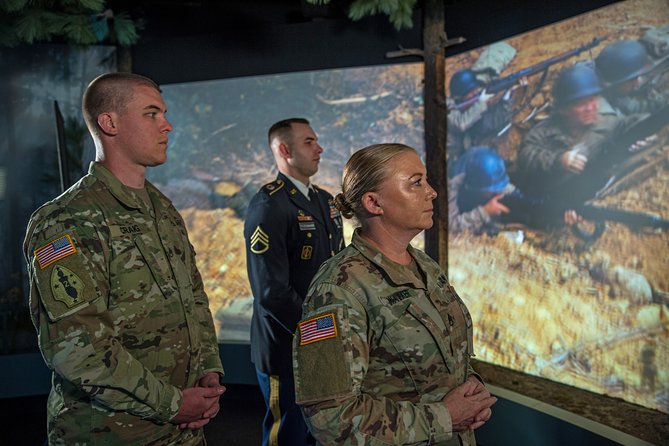
Plan on the theater early in your visit. The theater and the immersive story experience help you understand what you’re about to see, including how recipients’ actions are connected to larger moments in U.S. military history. This is especially useful if you’re coming in mid-day and don’t want to spend the first hour orienting yourself.
If you’re short on time, that theater pacing is one of the best reasons to go. It turns the rest of the museum into a set of supporting chapters.
Downtown Chattanooga Logistics: Public Transit Wins, Parking Can Hurt

This is a downtown stop, and the center is near public transportation, which is a big plus. If you’re building a walking-and-transit day (or you’re already planning to hit other sites nearby), you’ll likely find this easier than you’d expect.
Driving is where you need to be more careful. One common complaint is that parking in Chattanooga can feel like highway robbery, so don’t assume you can cruise into a cheap garage and be done. Even if you find parking, give yourself buffer time for the hunt and the walk back.
Practical tip: if you’re also planning to see the Veterans Bridge area and major Civil War-era sites (many people pair this visit with those), treat parking time like part of your itinerary, not an afterthought.
The 6,000+ Objects Story: Why the Collection Feels More Real

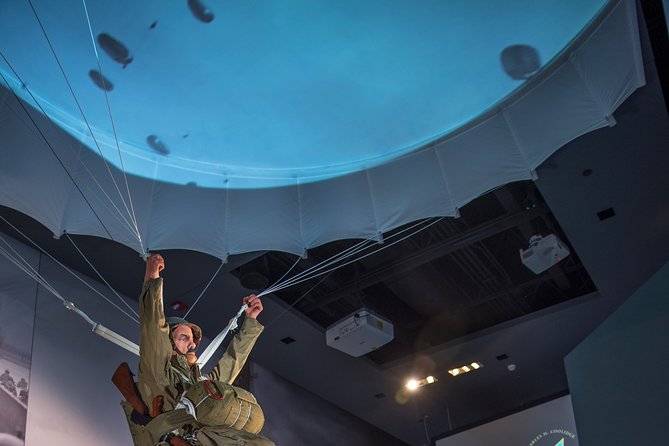
Museums can be either respectful or overwhelming. This one leans respectful, and the scale helps. The Heritage Center holds over 6,000 objects, covering Medal of Honor recipients and fellow veterans from the Civil War forward.
That breadth is the point. You’re not only looking at medals and headlines. You’re seeing tangible pieces—items that serve as anchors to real people and real circumstances. When a museum has that many physical reminders, it’s easier to understand that the Medal of Honor exists inside a long timeline of conflict, recovery, and change.
If you prefer story-driven exhibits, the way the objects are woven into the narrative can make the museum feel like a continuous argument for courage and sacrifice, not a pile of displays.
The Recipient Stories: From Battlefield Choices to Everyday Service

The core of the Heritage Center is the lived experience of recipients on the day they earned the Medal of Honor. The museum doesn’t treat that day as a mythic moment; it frames it as an event shaped by impossible conditions and urgent responsibility.
One detail I like is the museum’s insistence that these stories connect across settings. The lessons are presented as relevant to what you do, whether that’s on a battlefield, in a classroom, in an office, or in day-to-day life. That approach can be grounding if you’re visiting with teens or family who wonder what military history has to do with them.
Look for the way each recipient’s narrative adds a different angle on the same theme: courage under pressure, and a commitment to others. If you enjoy exhibits that make you think, not just read, this is built for you.
Theater and “Walls and Halls Talk”: What the Museum Does Well
Some visits are memorable because of what you learn. Others are memorable because of how the building teaches you.
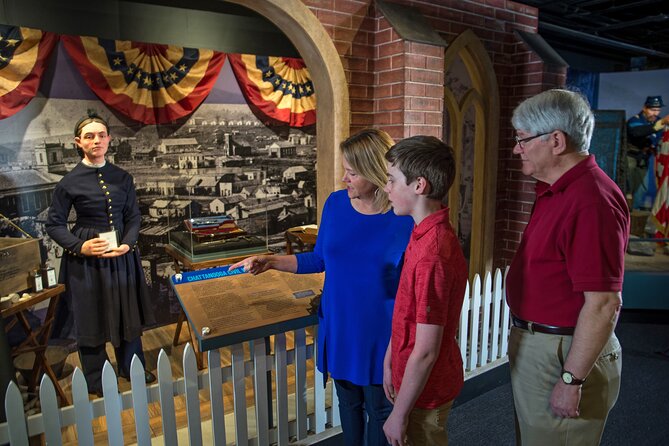
Here, multiple visitors describe the halls and walls as doing real storytelling. People also mention guides who help connect exhibits into a single flow, so you aren’t stuck reading everything alone. When the museum integrates stories across the spaces you move through, the visit can feel smoother—like you are following a guided narrative even when you step away from the talk.
You might see wax figures and scenes used to explain actions and contexts, too. That visual staging can help if you like understanding battle situations without getting lost in jargon.
Upstairs for the Doss Exhibit: A Human Scale to Big Events
If you’ve heard of Desmond Doss, you’ll likely feel extra interested when you reach the upper exhibit areas. One visitor specifically called out an upstairs section connected to Desmond Doss and described a conversation that went deeper than the basic exhibit text.
That matters for two reasons. First, Doss’s story is often discussed in popular media, so an exhibit that adds careful detail can help separate real events from simplified versions. Second, the museum seems to support talk-based learning. You are not limited to static displays.
If you’re someone who likes to linger and read closely, the Doss-focused content is a good target area because it tends to reward patient attention.
When Medal of Honor Recipients Show Up for Q&A
This is where the Heritage Center can become more than a museum visit.
In one memorable account, a Medal of Honor recipient named Ryan Tipps took part in a Q&A with young students. The moment was playful, respectful, and very grounded in real person-to-person interaction. The story included a humorous bit about checking the medal, followed by the recipient clipping the medal around his neck and sharing it with the group through photos, plus coins given to the kids.
Even if you don’t count on a recipient appearing during your visit, the center is built to keep that human element close. You may find opportunities for Q&A or conversations that turn the exhibits into living history.
And if you are military yourself (active or retired), pay attention to how visitors are encouraged to recognize recipients with proper respect. Even a brief interaction can make the meaning feel immediate.
How Long You Need: Plan for 1–3 Hours, Not a Quick Peek
Most people are set up for a 1 to 3 hour visit window. That range is about right because the museum combines a theater element with multiple exhibit areas and lots of reading. If you rush, you’ll miss the connections that make the experience land.
If you’re short on time, I’d prioritize the theater first, then follow the central story thread through the main halls. If you have extra time, linger near the collections and the sections that focus on specific recipients and their conditions.
Also consider what you’re pairing it with. Many people build Chattanooga days around military and historic sites, and this Heritage Center works well as the story connector that ties those experiences together.
Best Fit: Who This Admission Ticket Really Serves
This is a strong match if you want U.S. military history presented with seriousness and clear meaning. It also fits families, friends, and couples who like guided interpretation and story-driven exhibits.
You might especially appreciate it if you:
- like museums with a clear theme and guided narrative structure
- want context for major U.S. conflicts starting with the Civil War
- enjoy learning from real people connected to the subject
The Heritage Center also notes that most travelers can participate, and service animals are allowed, which helps make the visit more workable for different needs.
If you’re only looking for light, funny, fast sightseeing, this one is more reflective than that. Plan for thoughtful pacing.
Practical “Day-of” Advice Before You Go
- Arrive with time for parking if you drive, and be ready to walk a bit.
- Do the theater early so the exhibits make more sense as you go.
- Bring curiosity. Even when you already know a few Medal of Honor names, the museum’s focus is on circumstances and choices.
- If you’re pairing the visit with other Chattanooga history stops, give this center enough time to act as the connective tissue of your day.
One more consideration: on at least one occasion, a private event reportedly affected public access. You can’t always predict that kind of situation, so if your day is tightly scheduled, it’s smart to check for any same-day notices before you head over.
Should You Book This National Medal of Honor Heritage Center Ticket?
Yes, if you want a high-impact history stop that uses theater + artifacts + story to make the Medal of Honor feel real. The rating is strong (4.8) and the recommendation rate is very high, which lines up with what the center aims to deliver: clear context, moving recipient stories, and meaningful human moments.
Skip it only if you’re avoiding reflective themes, or if you know parking will be a deal-breaker for you. In that case, lean on the public transport-friendly location and plan your timing carefully.
If you want one museum stop in downtown Chattanooga that gives more than facts—something that helps you understand courage and consequence—this is an easy one to justify.
FAQ
How long should I plan to spend at the National Medal of Honor Heritage Center?
Plan on about 1 to 3 hours. That gives you time for the theater and to work through the main museum exhibits without rushing.
Is this experience available in English?
Yes. The admission ticket experience is offered in English.
Do I need a paper ticket, or can I use my phone?
You’ll use a mobile ticket. Confirmation is received at the time of booking.
What are the opening hours?
The center is open Monday through Saturday from 9:00 AM to 5:00 PM. The listed hours cover 08/28/2020 through 02/16/2027.
Is the location easy to reach without a car?
It’s near public transportation, which can make it easier if you’re doing a multi-stop day in downtown Chattanooga.
Are service animals allowed?
Yes. The information provided says service animals are allowed.
Can I cancel for a refund?
Yes, cancellation is free. You can cancel up to 24 hours in advance for a full refund, and changes within 24 hours are not accepted with no refund.