REVIEW · VIENNA
Exciting history tour and discovery of Vienna’s secrets
Book on Viator →Operated by Secrets, exciting history, food and music of Vienna · Bookable on Viator
Vienna rewards slow looking. This tour gives you a fast fix of meaning, art, and imperial power. You’ll follow a private guide through big-name sites and quieter corners that explain why Vienna became Vienna, with entrance fees included so you spend less time queuing and more time learning.
I especially like the private-group feel. You can ask questions without feeling on display, and guides like Walter or David are the kind of people who turn a building into a story, not a lecture. I also like the way the stops connect classical music, court life, and city design into one walkable timeline.
One consideration: it’s a walking tour with lots of stops, and the provider notes it’s not suitable for visually impaired people or for deaf and mute guests. Also, it needs good weather, so be ready for a plan B if Vienna turns gray.
In This Review
- Key things that make this tour worth your time
- Getting your bearings fast at Graben 32
- Why admissions included makes the tour feel like a deal
- Stephansdom: not the front postcard, the medieval backstory
- Mozart house to Beethoven residence: the composer chain in real locations
- The Spanish Riding School: white Lipizzan stallions and baroque rituals
- Hofburg Palace: imperial drama in courtyards, libraries, and Sisi’s wedding church
- Ringstrasse: a guided walk along Vienna’s power architecture
- Museum Schottenstift: Scottish convent courtyard and Rococo storytelling
- Volksgarten: rose garden calm with Empress Elisabeth monuments
- Romanian Orthodox Church: “oriental architecture” explained in plain words
- Belvedere gardens and palace: Prince Eugen plus Klimt time
- Schönbrunn extension: half-day pace with gardens, animals, and views
- How long it really takes (and how to plan your day)
- Price check: what $118.82 covers in Vienna terms
- Who this private history tour is best for
- Should you book this private Vienna history tour?
- FAQ
- How long does the Vienna tour take?
- Is pickup available?
- Are attraction entrance fees included?
- Is there a mobile ticket?
- What language is the tour in?
- What if the weather is bad?
Key things that make this tour worth your time
- Admissions included for multiple major stops, so the cost feels easier to justify
- Private guide with your group only, which makes the stories feel personal
- Classical-music focus with Mozart, Beethoven, Brahms, Schubert, plus Vienna’s concert world
- Spanish Riding School access, including a look at the white Lipizzan stallions and a film
- Hofburg highlights that go beyond the obvious: Sisi’s marriage church and imperial heart
- Optional extensions to Belvedere gardens and even Schönbrunn for a half-day feel
Getting your bearings fast at Graben 32
The meeting point is Graben 32 (right in central Vienna). That matters because you start where you can easily hop to cafés, transit, and other sights before or after.
This is a private tour, so you’re not stuck with a wandering crowd. It’s also listed as English, with a mobile ticket. For me, that combo is practical: one guide, one pace, and less friction at the gates.
Your guide also sets expectations early. The schedule runs about 2 to 8 hours depending on which parts you choose and how much time you want for gardens and extra walking. So you’re not locked into a tiny loop.
You can also read our reviews of more tours and experiences in Vienna.

Why admissions included makes the tour feel like a deal
At about $118.82 per person, the big selling point isn’t just the sites. It’s that the tour is built to cover entrance tickets for several stops. That’s the sort of detail that saves money and time, especially in Vienna where “free to admire from outside” is tempting but you’ll miss the good interiors.
Included sights include places like Stephansdom, Mozarthaus Vienna, and the Hofburg complex. Even when one stop is shorter, you’re usually paying for it less as separate tickets and more as a single guided experience.
Also, you get a guide as part of the price. In Vienna, that’s not a small thing. A great guide tells you where to look and what to notice in the first five minutes—then the building starts talking back.
Stephansdom: not the front postcard, the medieval backstory
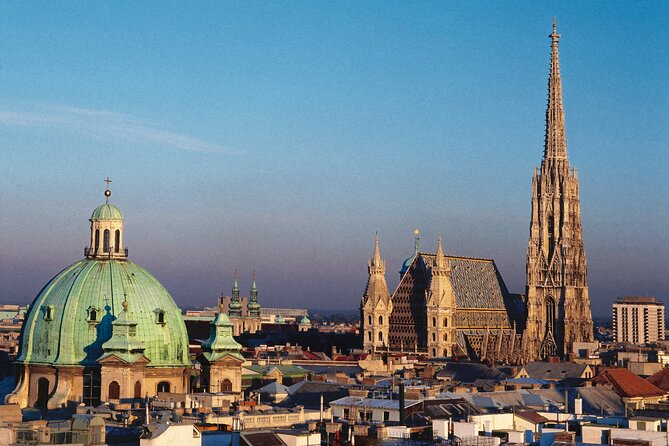
Stephansdom is the obvious first stop. But the angle is the secret sauce. Your guide promises the “ancient back” of the cathedral, plus the Gothic south side and the tallest tower in the Middle Ages.
You’ll also get explanations tied to medieval and baroque frescoes, and then the interior view with commentary that helps you read the place instead of just walking through. This is the difference between seeing a famous church and understanding why it matters.
Time here is about 20 minutes, with admission included. That’s not enough for a slow museum day, but it’s perfect for getting oriented and spotting the cathedral’s layers before you do your own deeper visit later.
Mozart house to Beethoven residence: the composer chain in real locations
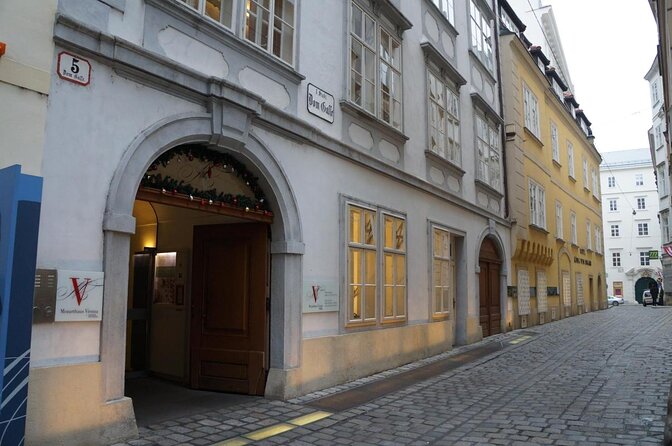
Mozarthaus Vienna is short on time (around 10 minutes), but the stop is built to connect names to place. Expect a walk through the capital of classical music with the Mozart House as the starting point, then a trail through Beethoven Monument and Residence, plus mention of Brahms and Schubert.
Your guide also points out the State Opera and the most important concert halls in Vienna. Even if you don’t go inside those venues during this tour, the context helps you plan future concerts or just understand what you’re seeing when you pass them.
A quick tip: if classical music is your thing, use these few minutes to note what you want to revisit later. Vienna is full of composer footprints, but it helps to have a guide’s “map in your head.”
The Spanish Riding School: white Lipizzan stallions and baroque rituals
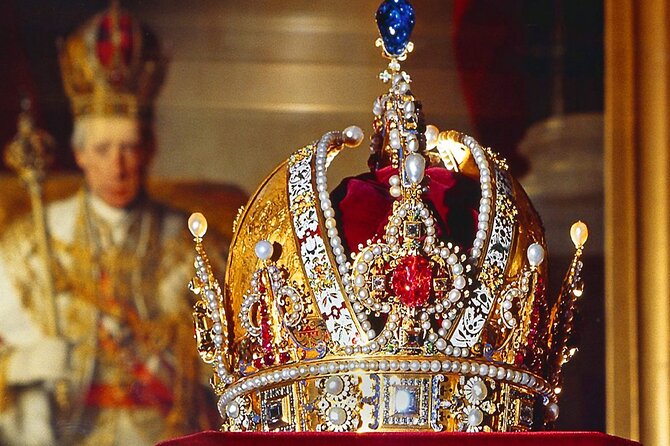
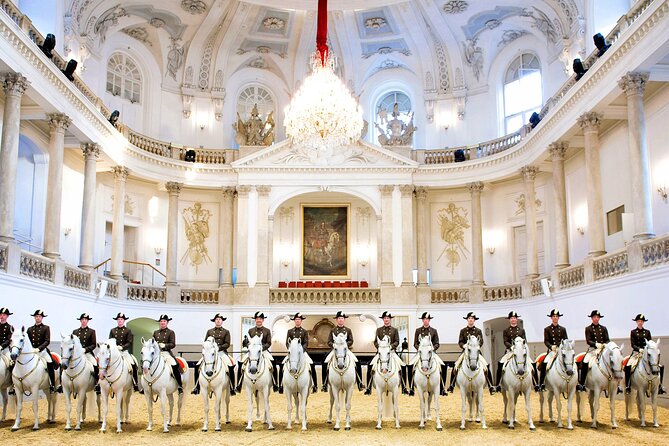
This is one of the highlights for good reason. You’ll see the baroque riding school, and it’s described as a UNESCO world heritage site.
Instead of only viewing from the outside, you’ll visit the white Lipizzan stallions in their stables, watch a film about the baroque riding arena, and then walk through older baroque streets afterward. That post-horse walk also includes original shop displays from the monarchy and a look at baroque churches.
The time is about 10 minutes for this segment, and the admission here is listed as free. The trade-off is speed. You won’t leave with a full, slow stable experience. But you will leave with a clear sense of what the Riding School is and why it became such a Vienna symbol.
Hofburg Palace: imperial drama in courtyards, libraries, and Sisi’s wedding church
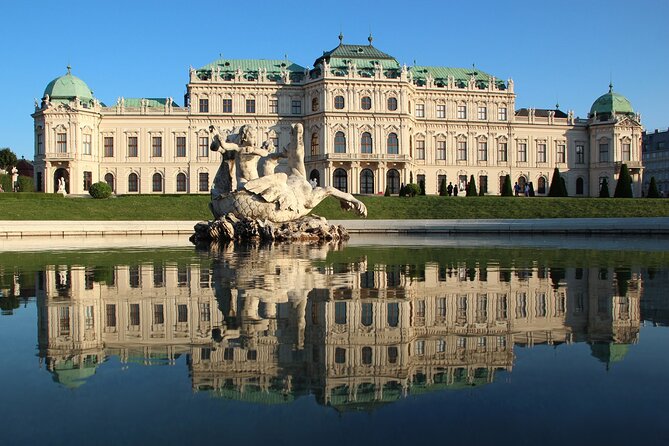
The Hofburg is listed as the largest non-sacral building in Europe, and your walk there focuses on the parts that people usually skim past.
You start at Heroes’ Square with equestrian monuments. Then you enter the palace courtyard and hear stories tied to medieval castle life, including the “visions” of King Richard the Lionheart and his imprisonment in Austria.
From there, you look at the palace from the Michaelerplatz side and see references to the first modern building in the world (as your guide frames it). Next comes the National Library, described as among the most beautiful, followed by the church where Empress Sisi got married and the imperial family heart.
You’ll also visit the Albertina and the palace gardens. Time at this stop is about 30 minutes, and admission is included. For me, this is where the tour earns its value: Hofburg can feel like a maze, but a guide turns it into a story with a beginning and an ending.
Ringstrasse: a guided walk along Vienna’s power architecture
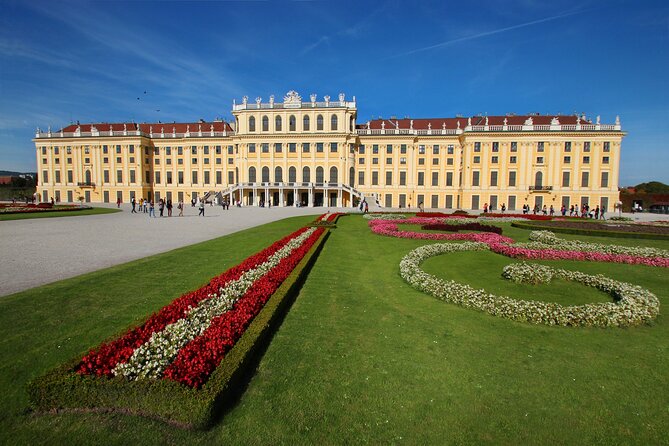
After Hofburg, you shift from palace drama to city-scale design. Ringstrasse is about walking along the ring boulevard and noticing how Vienna built itself a public face.
Expect magnificent buildings like museums, cathedrals, parliament, town hall, and the university, plus gardens and palaces. You’ll also get explanations that help you connect style to the era that built it.
This segment is around 20 minutes with admission included. It’s not enough time to photograph everything. Use it to learn how to look—then spend your own time later in the places you care about most.
Museum Schottenstift: Scottish convent courtyard and Rococo storytelling
Museum Schottenstift is a welcome change of pace. You enter the Scottish convent and see a green courtyard, then move to a Rococo church filled with depictions of Vienna’s history.
Your guide brings in “interesting stories about the first monks,” which is exactly the kind of detail that makes a convent stop feel more human than academic. This is a short segment (about 10 minutes), but it adds variety to the classical and imperial heavy hitters.
If you like religious sites beyond the usual cathedral route, this stop is a strong reason to book.
Volksgarten: rose garden calm with Empress Elisabeth monuments
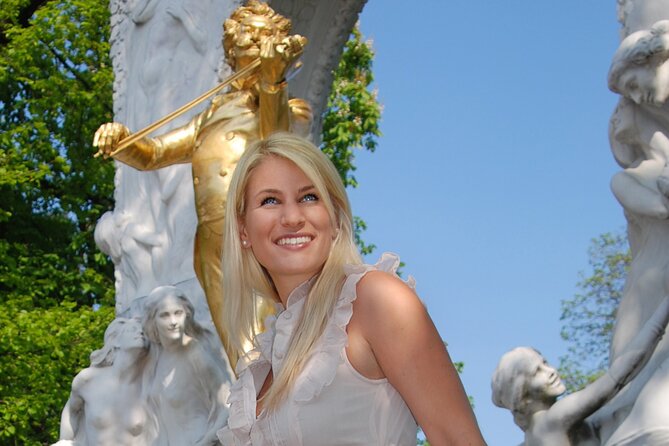
From hard stone to soft plants. Volksgarten is guided as the most beautiful rose garden in Central Europe, and you’ll see monuments tied to Empress Elisabeth, poets, and temple-like structures.
Your guide points out baroque ornament details and how the space feels like a designed balance between art and nature. This is about 10 minutes, with admission included.
It’s brief, but it’s a reset. After Hofburg and Ringstrasse, this is where the tour breathes for a moment.
Romanian Orthodox Church: “oriental architecture” explained in plain words
The stop at the Greek Orthodox cathedral of the bishop in Vienna is a quick one (about 8 minutes), but it’s culturally distinct. Your guide explains the Orthodox denomination and what you’re looking at with the church’s oriental architecture.
If you’re the type who likes architecture that looks different from what you’re used to, this is a sharp contrast to the Western European style of many other stops.
The admission is included, so you’re not just stepping inside briefly to say you did. You’re meant to understand what makes the style read as it does.
Belvedere gardens and palace: Prince Eugen plus Klimt time
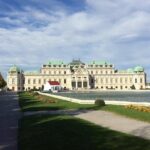
Belvedere is listed as an option if you have more time. The tour describes a walk through the old town toward the palace gardens, passing Karls Church, squares, and gardens.
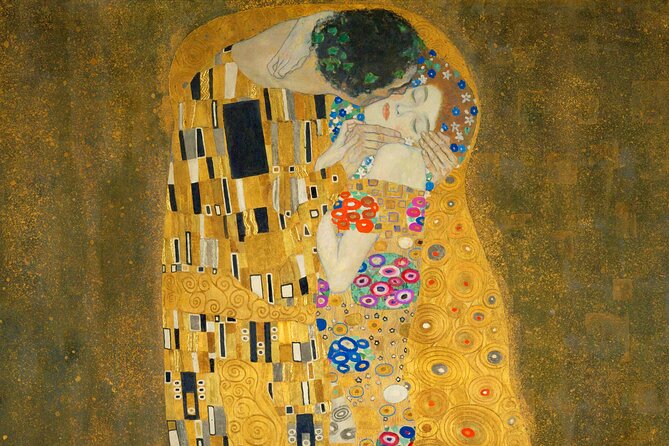
You also meet Prince Eugen in the tour’s framing, and you get access to Belvedere Palace with the opportunity to admire Gustav Klimt’s world-famous paintings. The gardens portion is the big payoff if you like views and a less hectic pace.
Admission here is listed as included. The time for the palace view is very short in the outline, so think of this as a taste. It’s a great choice when you want a guided route without giving up the afternoon to long museum wandering.
Schönbrunn extension: half-day pace with gardens, animals, and views
If you go beyond the core walk, Schönbrunn is where the tour can stretch into a proper half-day. The provider notes a 5-hour Schönbrunn option priced at 180 Euro for a direct, longer tour request, and also a separate 2-hour Schönbrunn tour for 80 Euro.
What you get in the garden plan is very specific: baroque garden design with colorful floral ornaments, fountains, and “secrets and monuments.” You’ll also enjoy the royal family’s baroque palace, plus imperial historic carriages.
Your guide adds Palm House and the oldest zoo in the world (as stated), and you reach the higher point for the Gloriette Pavilion. Then there’s coffee with Viennese cake and a panoramic view over Vienna.
If you’re making one “big Vienna nature-and-palace” choice, Schönbrunn is the kind of add-on that makes this tour feel like a full day rather than a checklist.
How long it really takes (and how to plan your day)
Duration is listed as 2 to 8 hours. That range exists because some segments are optional and because time can shift based on how long you want at sites and in gardens.
If you’re scheduling other plans, my rule is simple: treat the core tour as a half-day. If you add Belvedere and especially Schönbrunn, plan a full afternoon at minimum, and bring a flexible mindset.
Wear walking shoes. Vienna streets are manageable, but you’re moving through churches, courtyards, and palace grounds. Also, coffee and tea aren’t included, so decide ahead of time if you want a mid-walk stop or to save your appetite for after.
Price check: what $118.82 covers in Vienna terms
This tour has a fair price structure for Vienna. You’re paying for a guide plus multiple entrance fees, not just for someone to point at buildings from the sidewalk.
The inclusions matter most at places where the interior experience is the point. Stephansdom interior time, Mozarthaus access, and Hofburg’s key areas are all part of what makes the tour worth it. You also get mobile ticket convenience.
So the value isn’t only “pay one price.” It’s that the tour is designed so you don’t lose momentum to separate ticket logistics. In a city where time is tight, that’s real value.
Who this private history tour is best for
This works well if you want a guided Vienna primer in one go, especially if you’re the kind of person who loves connections: music leading into politics, architecture leading into court life.
You’ll probably enjoy it most if:
- You like short stops with interpretation, not hours of solo wandering
- You want classical composers and imperial sites mixed together
- You’d rather ask questions in real time than read a guidebook later
It may not be the best fit if you need accessibility accommodations. The provider notes it’s not suitable for deaf and mute people and not suitable for visually impaired people, and it needs good weather.
Should you book this private Vienna history tour?
Yes, if you want a high-signal Vienna walk with entrance fees handled and a guide who can explain the “why” behind the sights. The Spanish Riding School + Hofburg combo alone is strong, and adding Belvedere (and possibly Schönbrunn) turns it into a full-value day.
Book it if your priority is context. This tour is built to help you understand what you’re seeing, not just mark boxes. It’s also a smart pick for your first or second day, when you’re still learning the shape of the city.
If you’re looking for a totally relaxed day with long time in museums and no rushing, you might feel the pacing is quick. But if you like a tight story arc through Vienna’s icons and details, this is one of the easier ways to get your bearings.
FAQ
How long does the Vienna tour take?
The duration is listed as about 2 to 8 hours, and the total duration includes travel time.
Is pickup available?
Pickup is offered. The tour does not include private transportation, so the pickup arrangement depends on the operator’s plan.
Are attraction entrance fees included?
Yes. The tour is described as a hassle-free option that covers the attraction entrance fees for the included stops.
Is there a mobile ticket?
Yes. You’ll have a mobile ticket.
What language is the tour in?
It’s offered in English.
What if the weather is bad?
The provider notes it requires good weather. If it’s canceled due to poor weather, you’ll be offered a different date or a full refund.