REVIEW · CRETE
Olous – Guided Snorkelling Excursion to Discover Olous Sunken Ancient City
Book on Viator →Operated by Diving Center Blue Dolphin Elounda · Bookable on Viator
Meet Olous, the underwater Minoan city. Off Elounda, you snorkel over ancient remains sitting just 50–80 cm below the surface, with a guide focused on safety and a quiet, easy pace. I like that the whole setup is built for first-timers, not just strong swimmers, and the guide can teach you snorkel technique on the spot.
I love the small group size—up to eight people—because it keeps the trip personal and lets the guide actually check how you’re doing. I also like that the essentials are handled for you: fins, mask, snorkel, and a wetsuit are included, so you can show up and go.
The main thing to consider: the underwater site isn’t a Hollywood ruin park. You’ll be looking at mostly subtle rubble, and you may need your imagination to connect the dots, not expect lots of intact relics. Also, a few people found the getting-ready time a bit long.
In This Review
- Key highlights at a glance
- Why Olous Sunken City works for snorkeling (and not scuba)
- Getting there from Elounda: 9:30 start and easy meeting point
- Your morning flow: intro, gear fitting, then calm water
- What you’ll see underwater: shallow ruins plus fish life
- Snorkel coaching that actually helps nervous first-timers
- Group size and pace: the small-team advantage
- Price and value: is $66.08 a fair deal?
- Who should book (and who should skip it)
- Should you book this Olous snorkelling trip?
- FAQ
- How long is the Olous snorkelling excursion?
- Where is the meeting point, and is pickup available?
- What snorkeling equipment is included?
- Is this suitable for beginners or nervous swimmers?
- How deep is the sunken city area you snorkel over?
- What happens if the weather is bad, or you need to cancel?
Key highlights at a glance
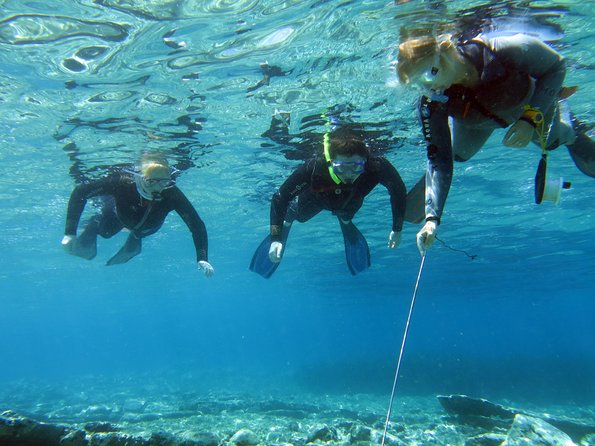
- Small group max 8 means more attention and a calmer water session
- All snorkeling gear included (fins, mask, snorkel, wetsuit) with fitting support
- Beginner-friendly coaching—the guide can help nervous snorkelers and first-timers
- A very shallow site at about 50–80 cm, so you’re not pushed into deep-water discomfort
- Underwater history with context via a short intro before you start swimming
- Good sea life chances like octopus and starfish, plus fish around the ruins
Why Olous Sunken City works for snorkeling (and not scuba)
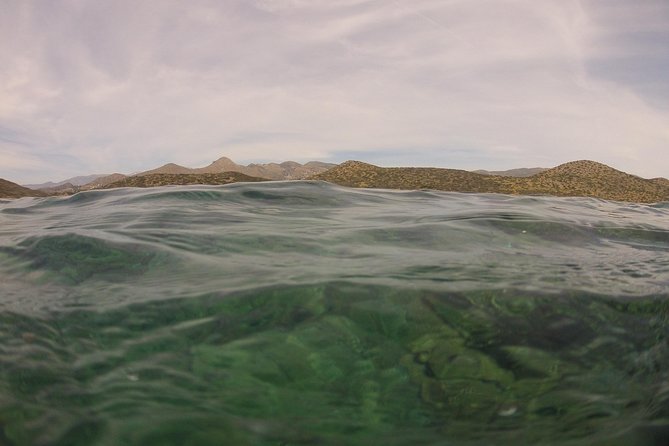
Olous is one of the key cities linked to Minoan Crete, and the fun here is that you get a look at remains that sit shallow enough for snorkeling. The underwater portion is about 50–80 cm deep, which keeps things simple for most people: you’re not fighting currents at a scary depth, and you can keep your head up while you observe.
The site is also described as not accessible to scuba divers, which is exactly why this feels special. You’re not seeing the “standard” dive attraction. Instead, you’re gliding over pieces of an older world where the outline of streets and building areas still shapes what you can picture.
One practical note: because the remains are old and underwater, you should mentally prepare for fragments, not a neat, intact skyline. The best results come when you treat it like an underwater archaeology puzzle—plus a good guide briefing to connect what you’re seeing to what it once might have been.
You can also read our reviews of more tours and experiences in Crete.
Getting there from Elounda: 9:30 start and easy meeting point
This trip runs out of the Blue Dolphin Elounda area, with the main start point listed back at the center near Aquila Hotel Elounda Village in Elounda. The start time is 9:30 am, and the activity ends back at the meeting point.
Pickup is offered within the Elounda area, but it’s handled individually based on where you’re staying. If you’re not getting pickup, you’ll be meeting at the center itself, which is also noted as being near public transportation. Either way, you’re not stuck hunting down a remote boat dock.
Timing-wise, the tour is listed at around 2 hours for the activity itself, with the overall experience given as roughly 2 hours 30 minutes. Translation: plan for a morning that starts at 9:30 and stretches a bit beyond the water time, because you’ll need a short briefing and gear fitting before you head out.
Your morning flow: intro, gear fitting, then calm water
The experience starts with a presentation about the site and its historical background. From what I’ve learned through guide-led descriptions, this is not just dates on a slide. The setup is meant to help you form a mental picture first, so the underwater shapes make more sense once you’re in the water.
After the intro, you’ll do the practical part: trying on masks, wetsuits, and fins. People who like structure tend to appreciate this step, since a good fit makes snorkeling far more comfortable—especially if you’re a first-timer.
Then comes transport to Olous and the snorkel portion with a guide. The whole idea is safe, quiet snorkeling so you can actually look around. You’re not being rushed or pushed into complicated maneuvers; you’re there to observe the remains and see marine life.
What you’ll see underwater: shallow ruins plus fish life
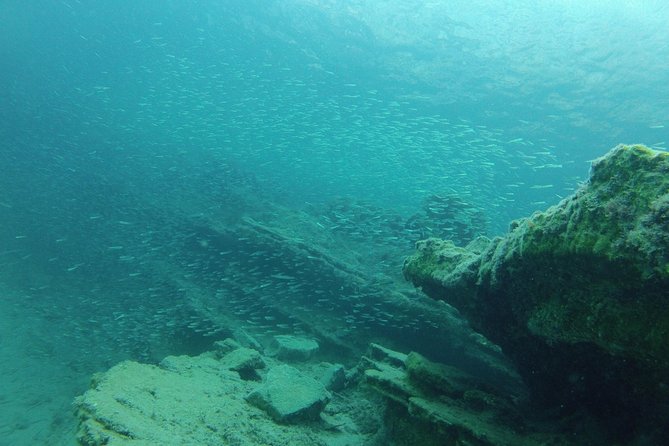
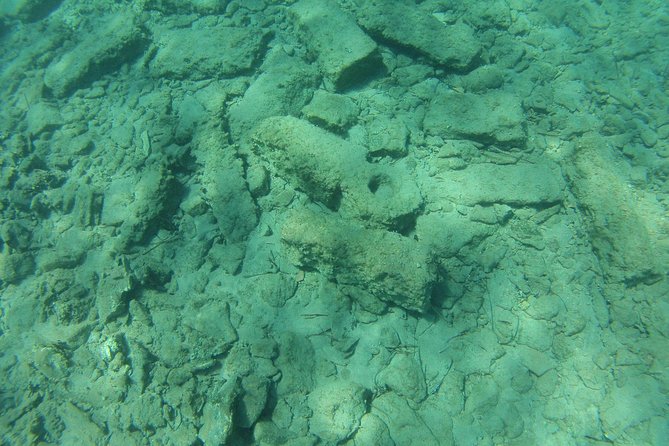
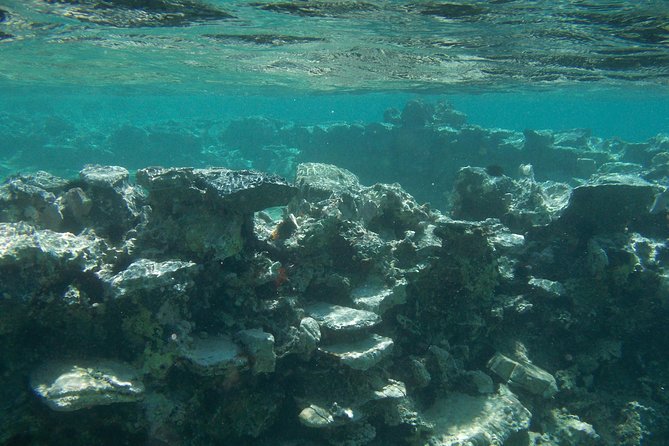
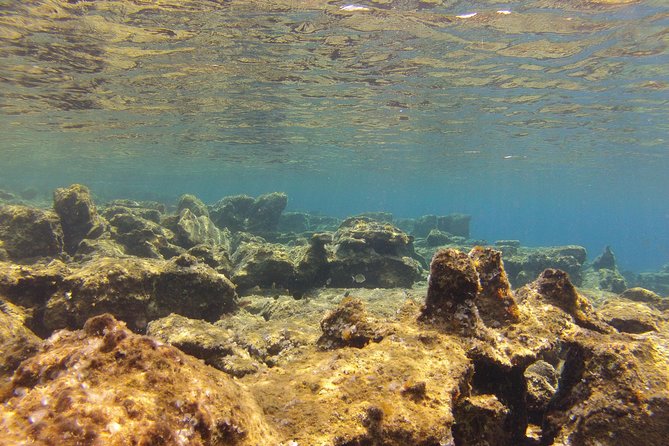
Olous sits underwater at about 50–80 cm, so your viewing angle is close to the surface. That means you’ll often be scanning downward at shapes in sand and broken stone rather than staring at huge architectural walls.
What stands out in people’s descriptions is how the guide helps you “read” the site: you may move past areas that feel like parts of a street network, plus spots that suggest buildings and a temple area. Some descriptions also include a progression through what can feel like a main route, with references to things like steps and areas that connect to everyday spaces (like a kitchen or villa-type structure).
And here’s the part that keeps it fun even if the rubble is subtle: sea life. Expect lots of fish, and in some sightings you might see octopus and starfish. Sea grass also shows up in the experience descriptions, and it matters because it’s exactly the kind of habitat where fish hang out.
Keep your expectations realistic: you won’t see every monument preserved. But if you go in ready to piece together the scene, the “wow” factor can come from understanding that you’re hovering above a city that’s thousands of years old—and trying to imagine daily life from what’s left.
Snorkel coaching that actually helps nervous first-timers
This is one of the best parts of the tour: it’s built for beginners. The guide can teach snorkel techniques happily, and the group size makes that possible. Instead of watching everyone else float off while you flail, you get support.
I also like the way guides are described as checking on comfort—mask fit, pace, and whether you’re doing okay in the water. In several descriptions, nervous swimmers were handled with reassurance, and first-timers got tips right when they needed them (like how to use the snorkel setup more comfortably).
Guide names show up in multiple accounts, which tells me you can get a consistent, guided approach rather than a random replacement. Examples include Dimitri, Julie, Jackie, and Adam—each described as patient, interactive, and attentive to the whole group. If your confidence level is anywhere from cautious to brand-new, that matters more than fancy equipment.
If you’re planning for your comfort, bring your own attitude too: keep it calm. This trip is not about speed. It’s about controlled breathing, relaxed movement, and looking at what’s right in front of you.
Group size and pace: the small-team advantage
With a maximum of eight travelers, you don’t have the typical “one guide, twelve people” problem. A small group helps in two ways.
First, the guide can watch how you move, not just count heads. That matters with snorkel comfort—small adjustments (mask positioning, pace, staying together) can make a big difference.
Second, a smaller group usually means fewer interruptions while everyone settles in. The experience includes a structured start—presentation, equipment setup, then water time—so your morning feels organized rather than chaotic.
There is one drawback to keep in mind: some people felt the prep time took too long. That doesn’t mean the tour is badly run; it just means this is a “fit and learn” style day, not a quick grab-and-go sprint.
Price and value: is $66.08 a fair deal?
At $66.08 per person, you’re paying for more than “being let into the water.” The value case is strong because the price includes:
- Pickup within Elounda (if you’re in the area)
- A short history presentation before you snorkel
- Transport to Olous from the center
- A guided snorkeling session with coaching potential
- The key gear: fins, mask, snorkel, wetsuit
It also helps that the rating is high: an average of 4.6 with 31 reviews, and 94% recommending the tour. That lines up with what matters most on a snorkeling outing: comfort, guide attention, and feeling like the time is worth it.
The only reason the value might feel weaker is if you’re expecting a lot of visible relics. The site can be subtle, and you’ll be doing some mental reconstruction. If you enjoy that kind of “guided imagination” experience, $66.08 starts to feel very reasonable. If you want dramatic underwater monuments, you may feel underwhelmed.
A final budgeting tip: the tour is commonly booked about 19 days in advance on average. If you’re traveling in busier weeks, it’s smart to line it up early rather than assume last-minute luck.
Who should book (and who should skip it)
You’ll be happiest if you:
- Want a beginner-friendly snorkeling outing without pressure
- Like learning a little context before you look underwater
- Prefer a calm, small group pace (max eight)
- Are curious about Minoan-era remains you can actually experience with your own eyes
You might skip it if:
- You’re the type who needs lots of intact, clearly visible artifacts
- You get impatient with gear fitting and instruction time
- You’re expecting a deep-water style adventure (this is designed around shallow viewing)
Also, the tour calls for moderate physical fitness, and minimum ages depend on experience and weather. If you’re not sure where you fit, it’s worth asking ahead of time.
Should you book this Olous snorkelling trip?
Yes, I’d book it if you want a guided, low-stress way to see Olous and you’re open to a “rubble + imagination” type of discovery. The combination of small group attention, beginner coaching, and included gear is the winning formula here, especially for people who feel nervous about snorkeling.
If, on the other hand, your ideal underwater day is lots of big, obvious ruins, then calibrate your expectations. This is a quiet morning focused on context, observation, and gentle water time—not a map-perfect museum you can photograph.
FAQ
How long is the Olous snorkelling excursion?
The snorkeling activity is listed at about 2 hours, with the overall experience described as approximately 2 hours 30 minutes. The start time is 9:30 am, and it returns back to the meeting point.
Where is the meeting point, and is pickup available?
You meet at Blue Dolphin Elounda near Aquila Hotel Elounda Village in Elounda, Crete. Pickup is offered individually for stays within the Elounda area.
What snorkeling equipment is included?
The tour includes snorkeling gear: fins, mask, snorkel, and a wetsuit.
Is this suitable for beginners or nervous swimmers?
Yes. The guide is described as happy to teach snorkel techniques, and the trip is designed to be calm and safe. The group size is capped at eight, which helps with individualized support.
How deep is the sunken city area you snorkel over?
The remains are described as sitting about 50 to 80 cm underwater, which is shallow and meant for snorkeling rather than scuba diving.
What happens if the weather is bad, or you need to cancel?
This experience requires good weather. If it’s canceled due to poor weather, you’ll be offered a different date or a full refund. It’s non-refundable and cannot be changed for any reason.