REVIEW · ORAN
Oran: Guided Tour Between Heritage and Art of Living
Book on GetYourGuide →Operated by Discovery Travel Tour · Bookable on GetYourGuide
Oran shifts in your hands when a local leads. On this guided tour, Ali walks you through the city’s big landmarks and lesser-known stories, so you see Oran as an Oranais, not a quick stop.
I especially like two things: the way each site gets context through street-level anecdotes, and the fact that food and drink are built into the route, not treated like an afterthought. You get a lunch tasting of a sandwich plus a typical Oran juice, and you’ll also stop at a local wine merchant for a tasting of western Algeria wines.
One heads-up: it’s not a sit-and-watch tour. You’ll do walking through old streets and you climb up to Fort and Chapel of Santa Cruz, so comfortable shoes matter.
In This Review
- Key points that make this tour worth your time
- Starting at Place d’Armes: where Oran’s day begins
- Fort Rosalcazar: the Spanish-built fortress that still dominates the skyline
- Bey’s Palace exterior and the Mosque of the Pasha: ruling power through form and faith
- Promenade de l’Étang and Sidi Elhouari: sea breeze plus everyday street life
- Santa Cruz: the climb you’ll be glad you did
- Lunch break and the Oran bullring tradition: Spanish echoes
- Oran as a crossroads: synagogue now a mosque and the Sacred Heart Cathedral
- Disco Maghreb and Albert Camus: the modern soul under the old stones
- Bastille Market, underground passages, and a real wine merchant tasting
- Ending with a Mediterranean stroll: sunset as your final guide
- Getting value from $46: what’s included and what to plan
- Who should book this Oran tour (and who should skip it)
- Should you book this guided tour of Oran?
- FAQ
- Where does the tour start?
- Where does the tour end?
- What’s included in the price?
- Is round-trip hotel transfer included?
- Do I get lunch and drinks during the tour?
- Is there wine tasting?
- What languages is the tour offered in?
- What should I bring?
- Can I reserve now and pay later?
Key points that make this tour worth your time
- Fort Rosalcazar, the 16th-century Spanish fortress: big military architecture with real place-based stories.
- Santa Cruz climb and chapel viewpoint: effort paid back with wide, clear city-and-sea views.
- Multicultural stops in one day: Mosque of the Pasha, a synagogue now used as a mosque, and the Sacred Heart Cathedral.
- Raï culture at Disco Maghreb: a music stop that feels like part of Oran’s identity.
- Market energy plus lunch: Bastille Market and a lunch tasting designed for getting a taste of daily life.
- Underground passages and wine tasting: the unknown bits plus western Algeria flavors.
Starting at Place d’Armes: where Oran’s day begins
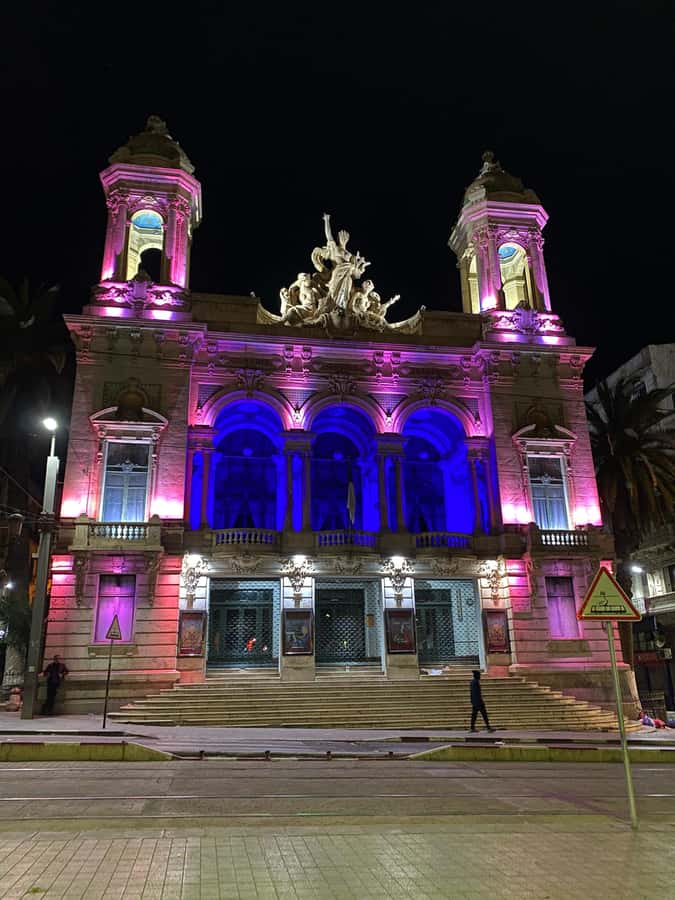
You start where Oran’s energy concentrates: Place d’Armes. This is the heart-of-city starting point, ringed by major buildings that hint at centuries of power, trade, and mixing cultures. Even before you drive anywhere, you’re in the right mental mode: walk, look, ask questions, and notice details.
The tour gives you a local guide and a structure that’s easy to follow. You’re not just collecting photos; you’re building a simple timeline in your head—Spanish influence, Ottoman-era heritage, colonial-era architecture, and the modern music culture that grew from it all.
Two practical tips help here. First, plan for walking and short transfers back and forth during the day, especially later around the heights at Santa Cruz. Second, if you’re the type who likes to understand a city fast, arriving early in your Oran trip is smart—this tour helps you know what you’re seeing before you try to explore on your own.
Fort Rosalcazar: the Spanish-built fortress that still dominates the skyline
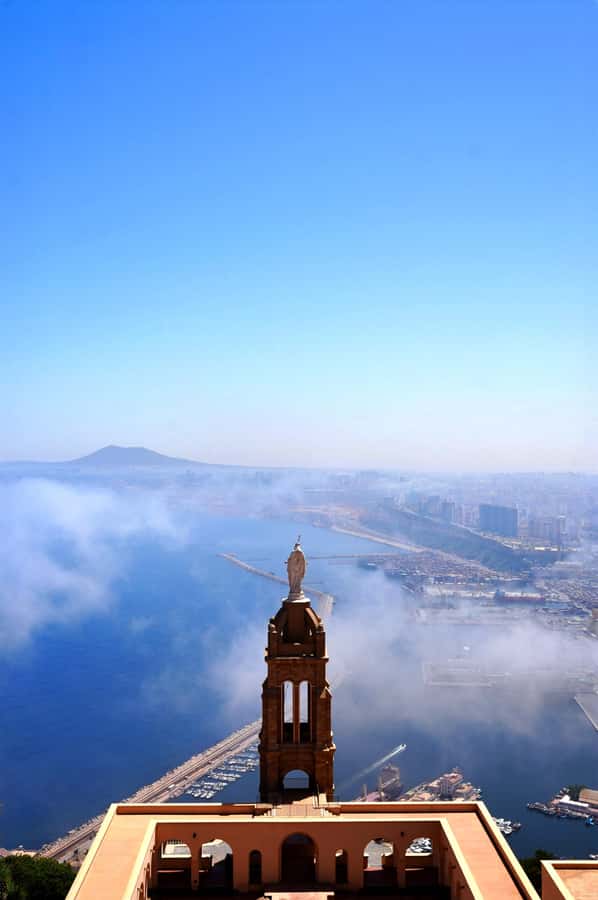
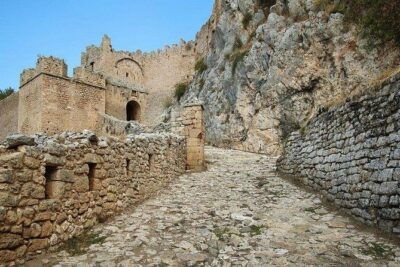
Next up is Fort Rosalcazar, described as the largest fortress in Africa and built in the 16th century by the Spanish. It’s the kind of place where architecture does the storytelling for you: thick defensive walls, a military layout meant for control, and a scale that tells you how seriously Oran was treated.
What I like about this stop is how it frames everything that comes after. Once you understand that fortress mindset—protect, project power, and control routes—it becomes easier to read the rest of Oran. You’ll start noticing how different eras left different marks on the city.
The possible drawback is visibility and comfort. Fortress areas can mean uneven ground and more sun than you expect. If you’re visiting in hot months, you’ll want to pace yourself and take shade when the guide offers chances—Oran’s light can be intense.
Bey’s Palace exterior and the Mosque of the Pasha: ruling power through form and faith
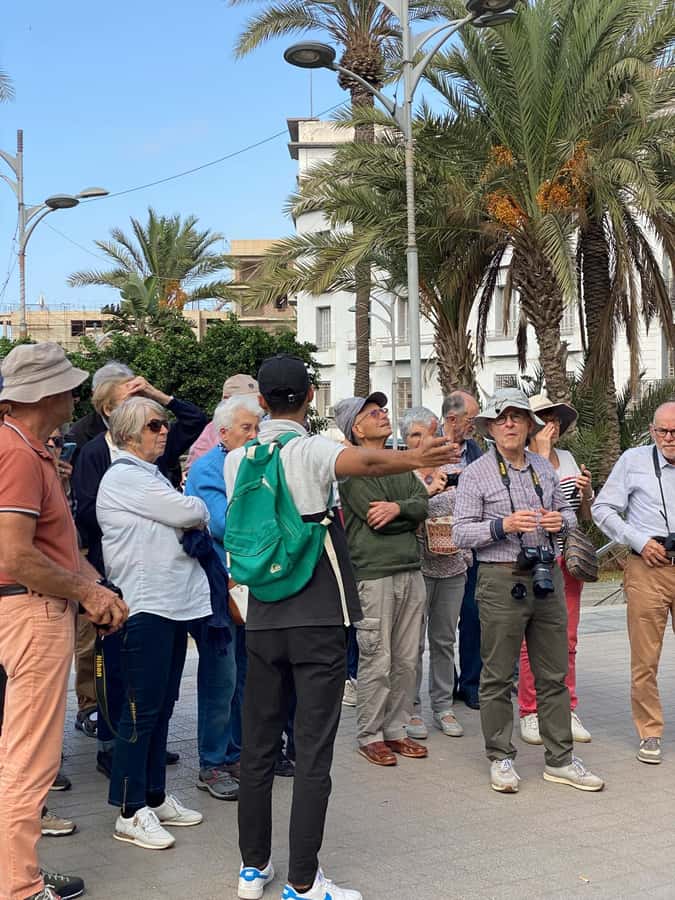
Then you move from military power to governance and faith. Bey’s Palace is under restoration, so you’ll see it from the outside with explanations rather than going inside. Even exterior views can be powerful, though—restoration or not, the place helps you grasp the role of the ruling class and the decorative ambitions behind it.
After that, the tour shifts to spiritual architecture with the Mosque of the Pasha. The highlight here is the minaret rising over the city, and the contrast between the calm near the mosque and the outside bustle. It’s a short mental reset: you get a moment that feels more reflective before you head back into streets and sea air.
If you’re someone who likes symbolism, you’ll enjoy how the guide connects Ottoman heritage to what you’re seeing in real time. It’s not just about admiring buildings—it’s about understanding why certain styles became anchors in Oran.
Promenade de l’Étang and Sidi Elhouari: sea breeze plus everyday street life
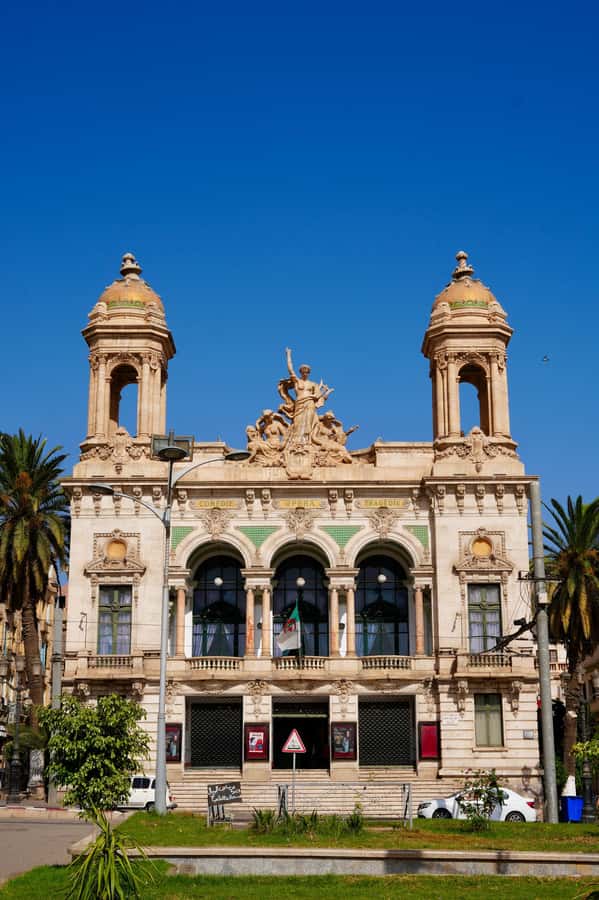
After forts and monuments, Oran gives you its softer side. At Promenade de l’Étang, you take a break with sea breeze and long views. This stop matters because it shows how naturally the city sits between urban history and the Mediterranean. You start to feel the rhythm of Oran rather than only its timeline.
Then you head into the old quarter of Sidi Elhouari, where narrow streets and close facades bring the city’s daily life into focus. This is the part of the day where your camera is useful, but your eyes matter more. Look at doorways, street corners, and how people move through small spaces.
The main consideration is simple: old quarters mean more uneven pavement and tighter paths. Comfortable shoes aren’t optional here. Also, keep your pace flexible. If your guide offers small detours for stories, take them—you’ll usually find the best explanations in the in-between spots, not only at major landmarks.
Santa Cruz: the climb you’ll be glad you did
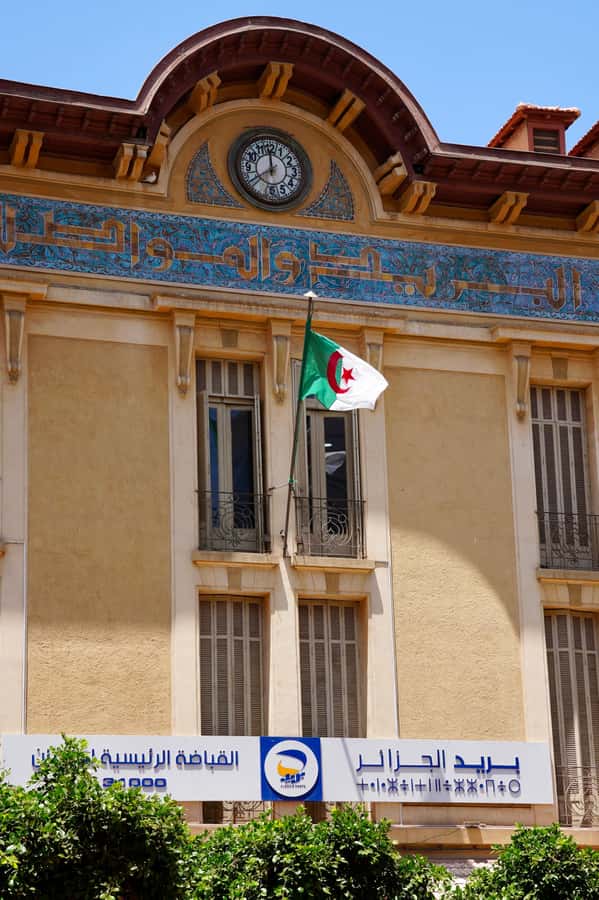
The tour saves one of the more demanding moments for Fort and Chapel of Santa Cruz. The climb is described as well worth it, and I agree in spirit even before you reach the top: you’re gaining altitude, and that changes how you read the city. Up there, Oran looks like layers—sea line, rooftops, and older structures anchored by earlier eras.
At the chapel, the view becomes the payoff. You’re not just looking at a pretty panorama; you’re seeing why strategic sites were chosen. When you’re higher, you understand sightlines, movement, and geography—things no map fully sells.
Two practical points to make your life easier. Bring shoes with grip, because stair-like sections or rocky edges can surprise you. And if you’re visiting during a hot spell, plan to slow down on the ascent and let the guide set the rhythm.
Lunch break and the Oran bullring tradition: Spanish echoes
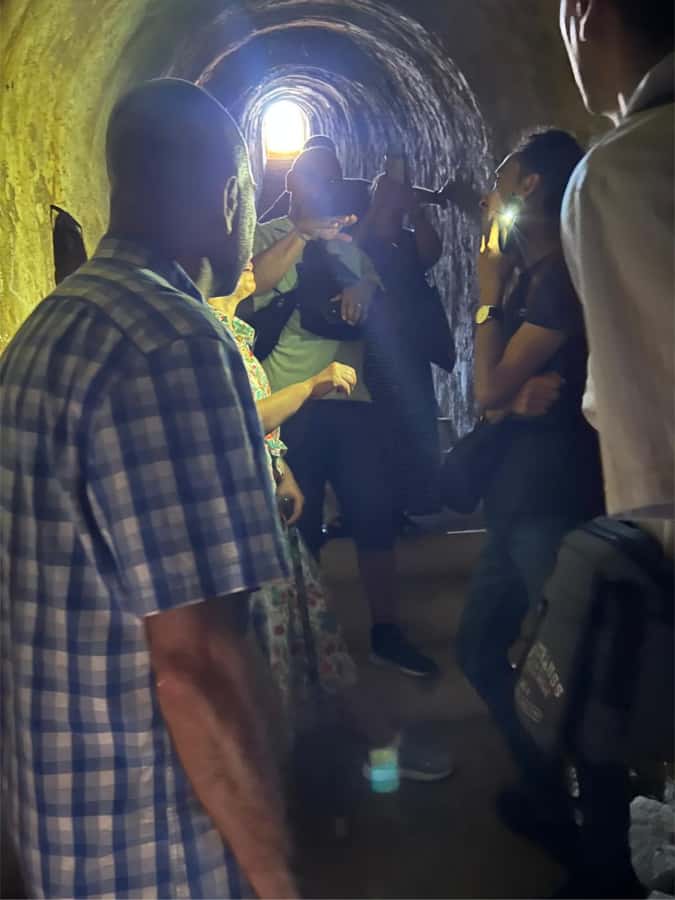
Lunch is built in, and that’s a win. You stop for a lunch tasting that includes a sandwich and typical Oran juice. It’s the kind of meal that keeps you from spending your day guessing where to eat, and it fits the tour flow instead of breaking it.
After lunch, you visit the bullring (Corrida). Even though this tradition has disappeared over time, the bullring remains a striking reminder of Oran’s Spanish cultural history. This stop helps you understand how cultural imports can take root—then fade—while leaving strong physical marks behind.
If you’re sensitive to heat, this segment can feel longer depending on shade options. Use the guide’s cues for when to move and when to pause. It’s a good time to ask questions too, because this is where you start connecting architecture to cultural shifts.
Oran as a crossroads: synagogue now a mosque and the Sacred Heart Cathedral
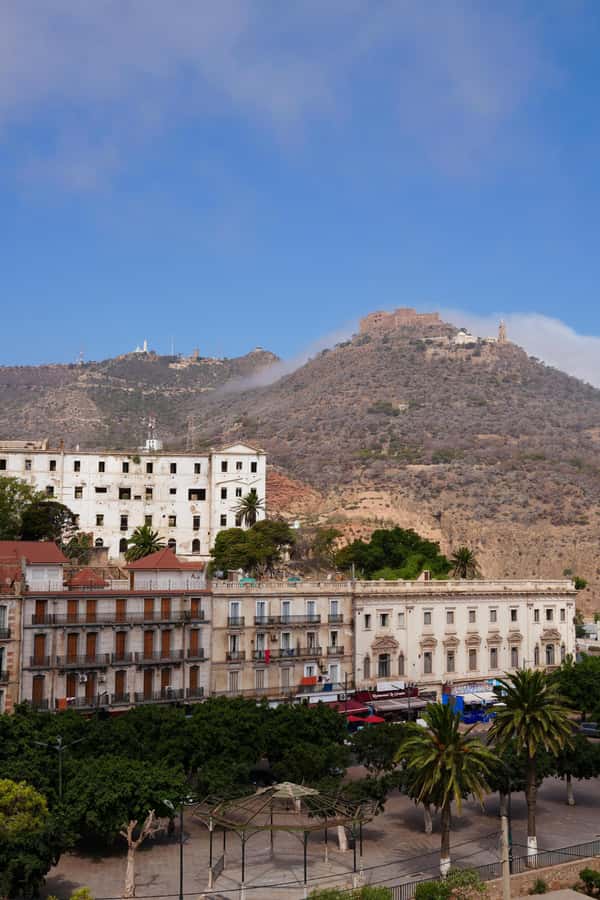
Next the tour leans hard into Oran’s identity as a crossroads. You visit the Oran Synagogue, which is now a mosque. That single fact carries a lot of weight: the city’s religious life changed over time, and the building’s reuse becomes a visible marker of history in motion.
Then you head to the Sacred Heart Cathedral, an imposing structure with neo-Byzantine style. It’s the kind of architecture that feels designed to impress, and in Oran it also reflects how the city evolved through different periods. This is where your earlier stops help: you’ll start seeing the city as a collection of era-by-era decisions, not random buildings.
A good way to get more out of these stops is to focus on the contrasts. Watch how form changes across faiths and time periods. The guide’s explanations turn those contrasts into a story you can actually follow.
Disco Maghreb and Albert Camus: the modern soul under the old stones
Oran is not only old architecture. It’s also sound, language, and writers. The tour includes a stop at Disco Maghreb, a legendary venue connected to raï music and known for hosting major Oran artists. Walking by a place like this gives you the sense that culture here isn’t separate from history—it grows out of it.
Then you get a light, memorable literary moment with Albert Camus’ house, where you’ll mostly pass by. Still, it works: Camus is linked to Oran’s atmosphere, and this quick stop nudges your understanding beyond stones into ideas.
If you’re doing Oran for just a few days, I’d put this section on your mental highlight list. It helps balance the militaristic and architectural parts of the day with something more human and emotional.
Bastille Market, underground passages, and a real wine merchant tasting
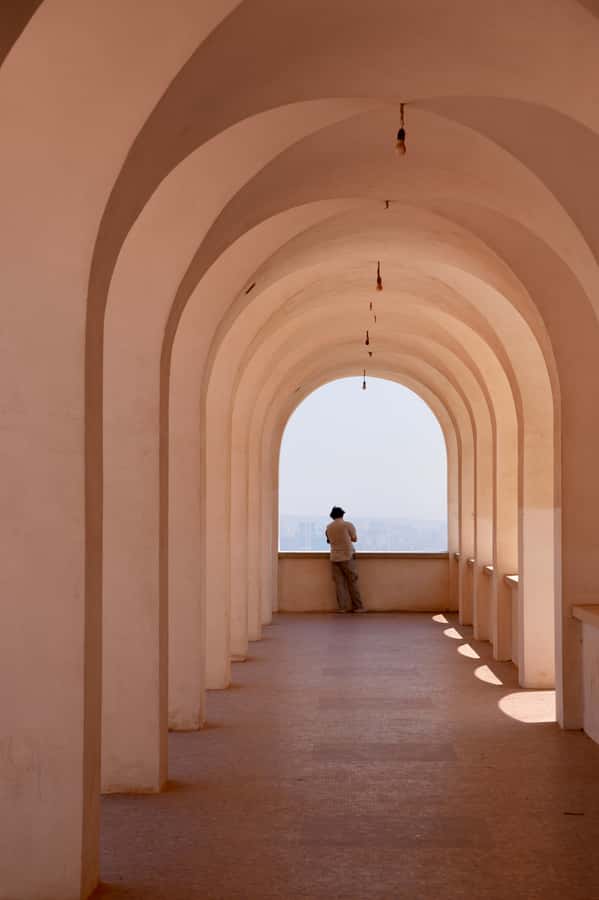
One of the best parts of this tour is the way it feeds your senses. Bastille Market is next, and it’s exactly the kind of place where colors, smells, and voices crowd together. It’s not a curated showroom; it’s a working market atmosphere where you’ll start recognizing what locals buy and discuss.
Some tours skim the surface. This one doesn’t—there’s also an adventure component: the underground passages of Oran. You might find this is the part of the day that surprises you most because it breaks the usual city-tour pattern. It adds curiosity, history, and a sense of Oran that isn’t only above ground.
Then you end this taste-focused stretch with a local wine merchant stop for a tasting of wines from the region, including western Algeria wines. The value here is that you’re not just consuming; you’re learning how local suppliers talk about what they’re offering. It’s a great counterpoint to the market visit: one gives you everyday products, the other gives you regional refinement.
Ending with a Mediterranean stroll: sunset as your final guide
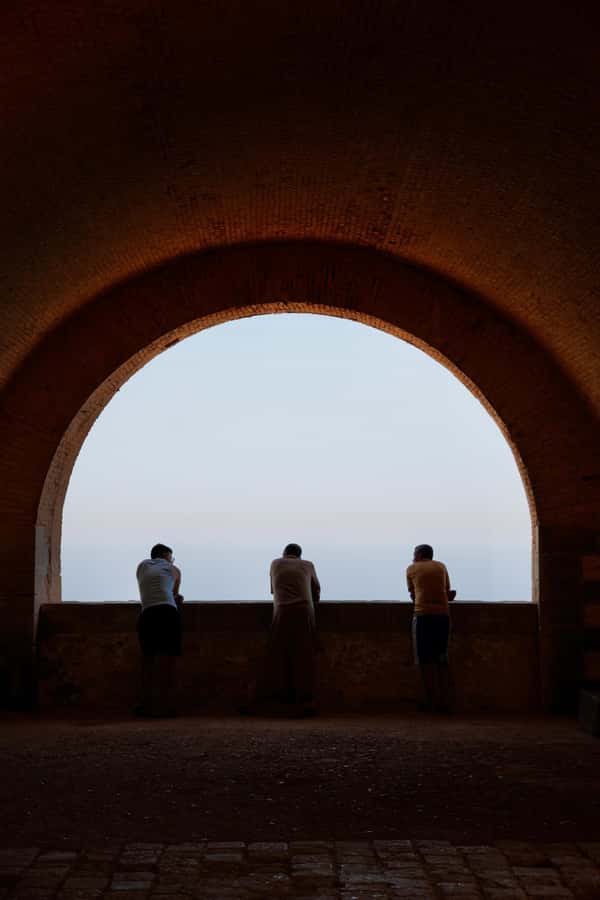
To close, you finish with a seaside stroll along the Mediterranean coast. This isn’t filler. After a day of forts, mosques, cathedrals, and music stops, the sea helps reset your perspective and makes the city feel whole again.
Walking near the water at the end also lets you process what you learned. You’ll likely notice connections you didn’t see earlier: how the coast shaped movement and how outside influences landed in a port city.
If you want the most from the sunset portion, take a slow pace. Let your guide wind things down, ask one last question, and use the quiet moment to decide what you want to revisit independently afterward.
Getting value from $46: what’s included and what to plan
At $46 per person, this tour feels like strong value if you want an efficient, guided overview of Oran with culture-heavy stops. You’re paying for a local guide, transportation where it matters, and real built-in meals and tastings—not just a list of landmarks.
Here’s what’s included:
- Local guide
- Transportation to and from Santa Cruz and the arenas
- Lunch (sandwich tasting plus typical Oran juice)
And what to plan yourself:
- Round-trip transfer from your hotel is not included. You meet at City Hall on Place 1er Novembre and the tour ends back at that same spot.
My practical take: if you can get to the meeting point without stress, you’ll feel like this price is doing real work for you. If you rely on hotel pickup, you’ll need to budget time (or transportation) to and from Place 1er Novembre.
Who should book this Oran tour (and who should skip it)
This tour is best for you if you want:
- A guided, story-led day across Oran’s major cultural layers
- Stops beyond the obvious, including underground passages and a dedicated wine merchant tasting
- A balanced mix: architecture, neighborhood streets, market life, and raï culture
It may not be the best fit if you dislike walking or climbs. Santa Cruz requires effort, and the old quarter streets add plenty of steps and uneven ground. Also, if you need frequent long breaks in air-conditioned comfort, you might want to look for a lighter itinerary.
Should you book this guided tour of Oran?
Yes, if you’re trying to understand Oran fast and fairly deeply in one day. I like the structure because it holds together: Spanish-era fortifications, Ottoman heritage, religious crossroads, a real neighborhood walk, and then music and taste at the human level.
Book it early in your Oran trip if you can, so you return to the city with better context. And bring comfortable shoes—your legs will do the work, and the views and street stories will pay you back.
FAQ
Where does the tour start?
The meeting point is in front of City Hall on Place 1er Novembre. Your guide will let you know what they will be wearing the day before so you can recognize them.
Where does the tour end?
The activity ends back at the same meeting point (in front of City Hall on Place 1er Novembre).
What’s included in the price?
The price includes a local guide, transportation to and from Santa Cruz and the arenas, and lunch (a sandwich tasting and a typical Oran juice).
Is round-trip hotel transfer included?
No. Round-trip transfer from your hotel is not included.
Do I get lunch and drinks during the tour?
Yes. Lunch includes a sandwich tasting and typical Oran juice.
Is there wine tasting?
Yes. You’ll stop at a local wine merchant for a tasting of wines.
What languages is the tour offered in?
The tour is offered in French, Arabic, and English.
What should I bring?
Wear comfortable shoes, since the route includes walking and a climb to Fort and Chapel of Santa Cruz.
Can I reserve now and pay later?
Yes. You can reserve & pay later, which means you can book your spot without paying right away.