REVIEW · NUSA DUA
Private Tour: Bali Cultural Heritage Tour
Book on Viator →Operated by Tour East Indonesia · Bookable on Viator
A day in Bali can either feel like traffic with stops, or like a story you can follow. This private cultural loop stitches together craft traditions and big-views nature, with door-to-door pickup and a real rhythm to the day.
I especially like the off-the-path feel of places like Blahbatuh and Penglipuran, where you’re watching normal life and artisan work instead of just posing for photos. The other big win for me is the mix of culture and scenery: museum relics in the morning, then Mt. Batur and Lake Batur viewpoints later, capped with tea and ocean-and-rice-field views.
One thing to consider: this is a set day route with time blocks, so if you want major changes, you’ll have the best experience when you communicate those needs early and clearly.
In This Review
- Key things to know before you go
- Nusa Dua pickup and a full-day pace that actually works
- Blahbatuh village: where Bali’s sound starts
- Arca Building Archaeological Museum: royal relics and older-than-you-thought Bali
- Sri Batu village: spice-farm reality and the flavors behind coffee
- Kintamani and Mt. Batur: active volcano views you remember
- Penglipuran village: bamboo, carving, and rules that still matter
- Bukit Jati in Gianyar: tea and a view that closes the loop
- Price and value: $71.80 for a lot of stops
- Who this Bali Cultural Heritage tour fits best
- Final verdict: should you book this tour?
- FAQ
- What time does the tour start?
- How long is the Bali Cultural Heritage tour?
- Is this tour private or shared?
- Where do you offer pickup?
- What’s included in the price?
- Is lunch included?
- Are admission tickets included for all stops?
- Do I need a ticket on my phone?
- Is the tour suitable for most travelers?
- What if I’m on a cruise?
- Can I cancel for a full refund?
Key things to know before you go
- Private door-to-door pickup from Kuta, Seminyak, Sanur, Jimbaran, and Nusa Dua areas
- Blahbatuh artisan workshop focused on traditional gamelan-style musical instruments
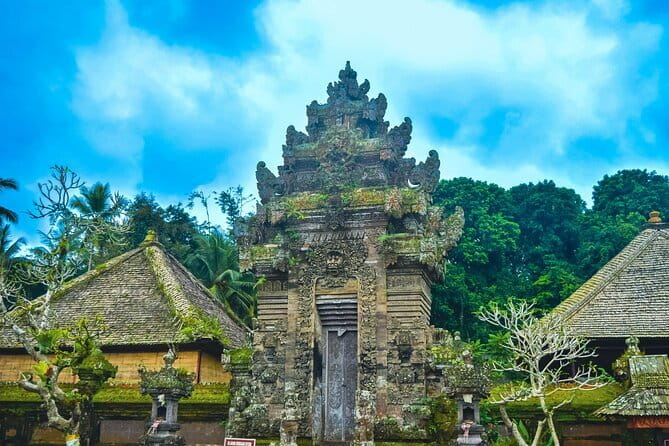
- Arca Building Archaeological Museum with royal funeral relics plus Bronze and Stone Age artifacts
- Kintamani views of Mt. Batur and Lake Batur with lava-flow scenery when conditions allow
- Penglipuran village bamboo walk and village carving stops for a slower, grounded look at daily culture
- Bukit Jati tea/coffee stop in Gianyar with panoramic views (snacks included)
Nusa Dua pickup and a full-day pace that actually works
This tour is built for convenience. You start with pickup from select hotels in Kuta, Seminyak, Nusa Dua, and Sanur (and nearby areas), so you’re not wasting your morning figuring out rides or routes. Start time is listed as 8:30am, but pickup may happen earlier—so keep your phone charged and be ready when your guide calls.
The day runs about 10 hours on the ground. In practice, that means you’ll feel like you’ve covered a lot without it turning into a blur of “next, next, next.” The itinerary groups culture first, then nature, then a relaxed end with tea—so your energy doesn’t crater at the exact wrong time.
Because it’s private, your guide can set the tempo a bit for your group. You’ll usually have an English-speaking licensed guide, and the driving is handled by a dedicated driver. That matters in Bali, where short distances can still take time if you’re not following local traffic patterns.
Blahbatuh village: where Bali’s sound starts
Blahbatuh is one of those places that makes Bali feel real, not staged. You’ll visit a village known for artisan traditions, and you’ll see craftsmen working on musical instruments tied to the gamelan tradition—those percussion ensembles you hear in ceremonies and special events.
What I like about this stop is the “watch-and-understand” angle. You’re not just seeing finished instruments behind glass. You’re seeing how making things by hand is part of the culture itself—craft as daily skill, not museum decoration. Even if you don’t know the first thing about gamelan, your guide can connect the sound to the social and spiritual life of the island.
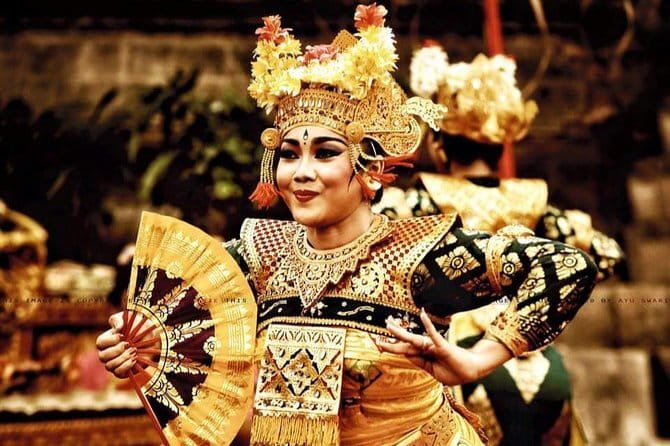
If you’re hoping for extra cultural moments, this is also the type of day where you might catch a short performance stop. In similar outings on this route, a Legong dance has been mentioned, along with English translation during the event. It’s not something you should bank on as guaranteed, but it’s a good reminder that the guide is often aiming to show more than just buildings and viewpoints.
Practical tip: bring a little patience. Craft workshops can run at the pace of the makers, not your schedule, and that’s the whole point. If you treat it like a casual viewing session, you’ll get more out of it.
Arca Building Archaeological Museum: royal relics and older-than-you-thought Bali
After Blahbatuh, you head to the Arca Building Archaeological Museum. This is where the day gets sharper—less “pretty places,” more “how the island became what it is.”
You’ll spend about one hour here, with admission included. The museum covers artifacts from the Bronze and Stone Age periods, and it also includes funeral relics that belong to Bali’s royal family. There are exhibits that touch on later layers too, including the island’s Dutch settlers and Indian merchants.
Here’s why that museum stop is valuable for your trip: Bali’s culture isn’t random. It’s a layered story of belief, ceremony, trade, and shifting influences over centuries. Even if you only absorb a few key facts, the museum helps you read what you’re seeing later—temples, rituals, and why certain objects matter.
Potential drawback: a museum hour can feel fast if you’re a slow reader or you prefer long explanations. If that’s you, ask your guide what two or three things to focus on before you walk in—then take your time with those.
Sri Batu village: spice-farm reality and the flavors behind coffee
From the museum, the route goes toward Sri Batu, an agricultural village where farmers grow fruit and spice crops. You may pass fields and roadside views as you travel, and your guide can point out plants like cloves and Eastern coffee.
This stop is quieter than the museum, and it’s not meant to be a big “show.” Think of it as a palate-cleanser between history and high-mountain views. It also keeps the tour grounded—Bali’s cultural life isn’t only ceremonies and relics. It also runs on what people grow, trade, and cook with every day.
If you care about food, this is a good moment to ask questions. Ask how coffee is grown and what people use spices for locally. You’ll leave with context that makes later meals feel less generic.
Kintamani and Mt. Batur: active volcano views you remember
This is the visual payoff. You head into the Kintamani region for Mt. Batur, an active volcano, and you’ll be looking down toward Lake Batur, which is described as the island’s widest lake.
Your guide will likely point out evidence of volcanic activity—streams of lava that frequently run down from the mountain’s peak. Whether you can see dramatic lava in bright clarity depends on conditions, but the important part is the scale: crater walls, the lake below, and the sense of living geology.
This area is where your camera roll gets a workout. It’s also where you’ll want to slow down. Stand, look, then look again from another angle—fog, wind, and lighting can change what you notice.
Lunch time happens in this region. You stop for lunch at a local restaurant where you can have an Indonesian buffet (lunch is not included, so you pay for it). The value here is that you don’t just eat indoors. You’re feeding yourself while surrounded by the views, which makes the break feel less like downtime and more like part of the day.
Practical tip: pack a light layer. Mountain air around Kintamani can feel cooler than you expect compared with Nusa Dua.
Penglipuran village: bamboo, carving, and rules that still matter
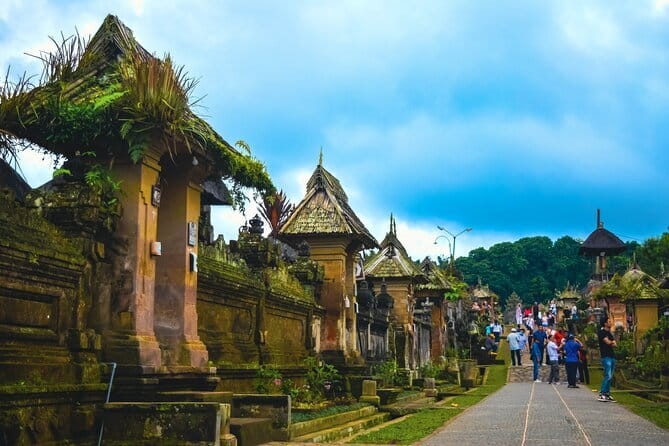
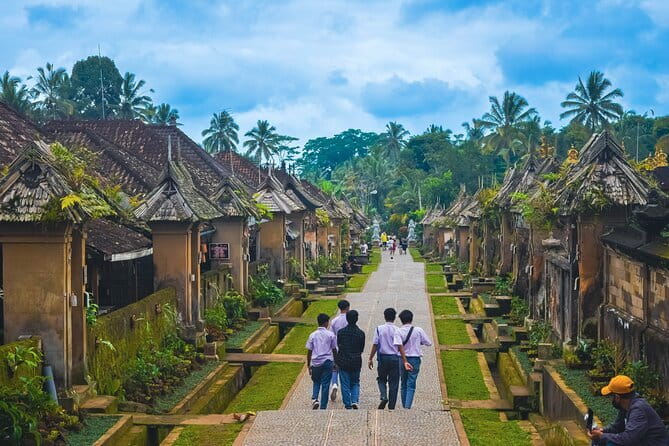
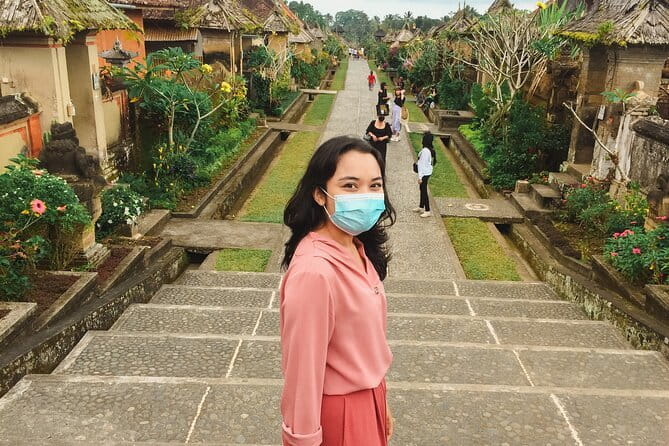
After lunch, you go to Penglipuran Village, a traditional Balinese village known for customs that are still practiced. Expect about one hour here, with admission included.
The walk is partly about the village’s layout and partly about how people live within it. You’ll stroll through a bamboo plantation / bamboo forest area near the village and learn about beliefs and unique customs locals maintain.
One of the most interesting pieces of this stop is the practical artisan component. You’ll also observe village carvers as they craft bamboo goods, ranging from wind chimes to everyday household items. It’s the kind of “small detail” culture that doesn’t show up in quick shopping stops.
Why it works on a private tour: you can ask your guide what’s symbolic versus what’s just practical. When you understand that difference, Penglipuran stops being a neat photo stop and becomes a place with meaning.
Possible drawback: this is still a human-scale village visit, and time moves differently there. If you’re the type who gets frustrated by slow walking or waiting for explanations, remind your guide you’re on a schedule before you arrive.
Bukit Jati in Gianyar: tea and a view that closes the loop
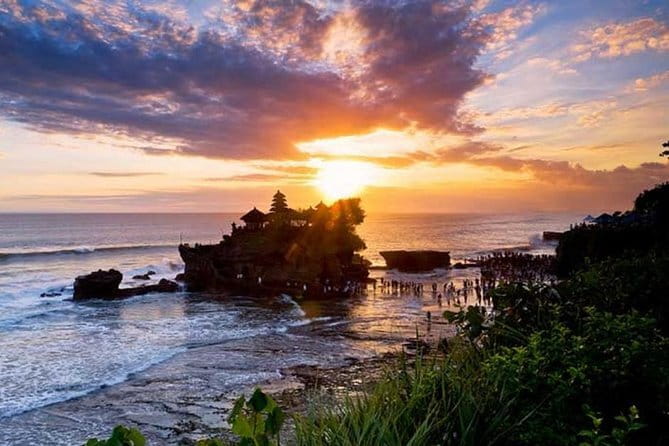
You finish at Bukit Jati in Gianyar, where you’ll enjoy afternoon tea or coffee plus a Balinese traditional snack. This stop is included and lasts about one hour.
This is where the day softens. You’re no longer in “go go go” mode. You’re sitting with drinks, looking at the surrounding scenery, and in clear conditions you can see the ocean in the distance. The route description also notes views extending across rice fields and beyond.
If you like travel days that feel like they end on purpose, this works. After history, volcano country, and village visits, the tea stop gives you time to digest what you learned and not just collect stamps.
Practical tip: drink your tea, then take a slow walk for 5–10 minutes if the area allows. Views change depending on where you stand, and you don’t want to miss the best angle.
Price and value: $71.80 for a lot of stops
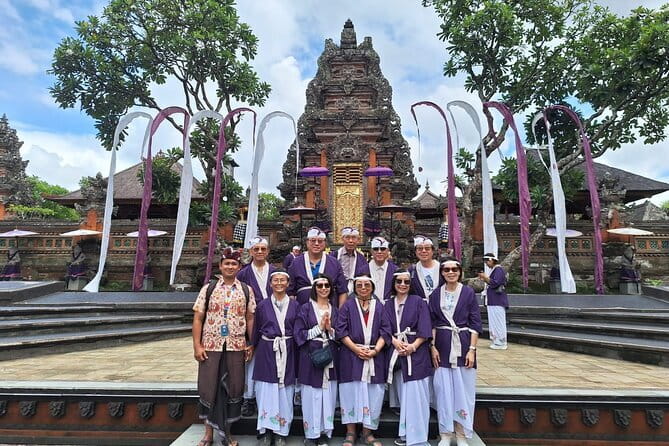
At $71.80 per person, this tour sits in the “good value” category, especially because it’s private and door-to-door. Your cost covers an English-speaking licensed guide, pickup and drop-off, and included admissions for the museum and Penglipuran. It also includes your afternoon tea/coffee and Balinese snack.
The one obvious extra is lunch, which is not included. Expect to pay for the buffet meal yourself at the local restaurant. If you track your budget, that’s the only predictable add-on.
Where the value really shows is how the day is assembled. Many Bali day tours dump you into one “big attraction” and lots of driving. This one adds multiple cultural stops that connect to each other: craft tradition, historical artifacts, village customs, then a nature section tied to a major geographic feature.
If you’re traveling as a couple or small group from Nusa Dua/Seminyak/Sanur areas, the private format is often worth it. You can ask questions in the moment, you’re not forced into rigid group timing, and your guide can adjust pacing.
Who this Bali Cultural Heritage tour fits best
This is a strong match if you want Bali culture with less “mall version” of Bali. You’ll enjoy it if you like artisan work, simple village walks, and museums that explain why things are the way they are.
It’s also a good fit for your first or second day on the island. You’ll get a framework for understanding what you’ll see later—ceremonial objects, older influences, and how agriculture ties into daily life.
If you’re traveling with kids, the day can still work because most stops are straightforward to observe. Just know it’s a long day and involves walking through villages and bamboo areas.
If you hate uncertainty, plan for minor flexibility. One drawback showing up in similar experiences is that itinerary changes may not happen easily if you request them late. Best practice: tell your guide your must-sees early, then let the plan do its job.
Also, keep an eye on guide performance. Names like Sandy, Ray, and Kana have been mentioned in connection with clear English explanations and a friendly approach on this route. If you’re lucky enough to get a guide with strong communication, the day feels more than just sightseeing.
Final verdict: should you book this tour?
Book it if you want a real cultural day with a clear structure: Blahbatuh crafts, the Arca museum, Penglipuran village culture, and Kintamani’s Mt. Batur and Lake Batur views—then tea with a calm finish. At $71.80 per person, the included admissions and private guide support make the math work.
Skip it—or choose carefully—if you’re the type who needs frequent custom stops or you expect the itinerary to flex a lot. This is a time-based route, so bring your requests early and keep your expectations realistic. If you do that, you’ll come away with a day that feels like Bali, not just a checklist.
FAQ
What time does the tour start?
The tour start time is listed as 8:30am. Pickup may occur earlier depending on where you’re staying, so confirm the exact timing with your guide.
How long is the Bali Cultural Heritage tour?
It runs about 10 hours approximately, based on the day schedule.
Is this tour private or shared?
This is a private tour. Only your group participates.
Where do you offer pickup?
Pickup is offered from major hotels in Kuta, Seminyak, Sanur, Jimbaran, and the Nusa Dua area.
What’s included in the price?
You get an English-speaking licensed guide, pickup and drop-off service, afternoon tea or coffee with Balinese traditional snack, and admission tickets for the archaeological museum and Penglipuran.
Is lunch included?
No. Lunch is stop-based and you pay for it yourself at the local restaurant.
Are admission tickets included for all stops?
Admission is included for the archaeological museum and for Penglipuran Village.
Do I need a ticket on my phone?
Yes, the tour uses a mobile ticket.
Is the tour suitable for most travelers?
The tour description says most travelers can participate.
What if I’m on a cruise?
Additional charges for cruise passengers are mentioned.
Can I cancel for a full refund?
You can cancel for a full refund up to 24 hours in advance of the experience’s start time.